EMOM workout at home: a 20-minute intermediate bodyweight routine with demos
An EMOM workout at home: five bodyweight moves, four rounds, finish each minute in 30–40 seconds. Squats, push-ups, lunges, climbers and plank with demos.
revns editorial · Published November 23, 2026 · 10 min read

EMOM at home: five bodyweight moves, finish prescribed work in 30–40 s each minute, four rounds (20 min). Intermediate, no equipment, two or three days a week.
An EMOM workout at home is five bodyweight moves on a one-minute clock — finish the listed reps or hold, then rest until the next minute starts — repeated for four rounds (20 minutes). This intermediate session uses squats, push-ups (or knee push-ups), reverse lunges, mountain climbers and a forearm plank with no equipment. Plan about 27 minutes with a four-minute warm-up and three-minute cool-down. Train two or three days a week on non-consecutive days. EMOM means every minute on the minute: the timer, not your speed, sets when the next set begins. Every move below has a moving demo from the exercise library.
TL;DR
| Minute in round | Move | Target | Aim to finish by |
|---|---|---|---|
| 1 | Squat | 14 reps | ~35 s |
| 2 | Push-up | 9 reps (or knee) | ~35 s |
| 3 | Reverse lunge | 10 total (5/leg) | ~40 s |
| 4 | Mountain climber | 18 total (9/leg) | ~40 s |
| 5 | Forearm plank | 30 s hold | ~30 s |
Rounds: 4 (20 min EMOM). Between rounds: none — minute 1 follows minute 5. Bail-out: if you are still working after second 45 for two minutes in a row, drop 2 reps (or 10 s on the plank) for the rest of the session.
What is an EMOM workout at home?
EMOM (every minute on the minute) is a timed format: when the clock hits a new minute, you start a prescribed set. Whatever seconds remain in that minute are rest. You do not reset the timer between exercises — minute two follows minute one whether you finished with 25 seconds left or only five.
At home, EMOM usually means bodyweight and floor space. A phone interval timer, watch, or a simple EMOM timer app that beeps at :00 each minute is enough. No treadmill or bike is required.
Ranking pages for EMOM workout at home often list random rep counts, combo moves (squat plus jump in one minute), or “go as fast as possible” without saying how long the set should take. Few show a test minute, a bail-out rule, or per-move regressions linked to form cues. This guide uses straight sets you can log, muscle pairing so legs and push patterns get brief breaks, and moving demos on every exercise.
EMOM is conditioning, not a replacement for progressive strength work. The World Health Organization recommends 150–300 minutes of moderate or 75–150 minutes of vigorous aerobic activity weekly for adults, plus muscle-strengthening on two or more days (BJSM 2020 summary). One 20-minute EMOM can count toward vigorous minutes when breathing is clearly heavy, but it does not satisfy the full week by itself.
EMOM workout at home: how is it different from Tabata or HIIT?
| Feature | This EMOM (20 min) | Tabata for beginners | Beginner HIIT at home |
|---|---|---|---|
| Clock | New work at :00 each minute | 20 s work, 10 s rest | 30 s work, 30 s rest |
| Rest | Variable (faster set = longer rest) | Fixed 10 s | Fixed 30 s |
| Structure | 5 moves × 4 rounds | 2 moves alternate per block | 6 moves in sequence |
| Level | Intermediate | Beginner | Beginner |
| Best for | Pacing skill, strength-endurance | Learning 20/10 rhythm | First intervals |
If variable rest frustrates you, use the beginner HIIT circuit until two rounds feel easy, then return to EMOM with lower reps.
How do you do this EMOM workout at home?
Before you start: the test minute
Pick one move you are unsure about — usually push-ups or lunges. Set a single minute on your timer. Do the target reps at a controlled pace. Note when you finish:
- Done by 20–35 s: target is appropriate.
- Done by 36–45 s: workable but tight; consider minus 2 reps today.
- Still working at 45 s+: use the Easier swap or minus 3–4 reps for the whole workout.
Decide your bail-out rule before round one: If I am still moving after second 45 for two minutes in a row, I drop two reps on that move.
Session clock
- Warm-up (4 minutes): standing marches, arm circles, eight slow squats, six wall push-ups, five reverse lunges per leg, and one short plank.
- Start the 20-minute EMOM (or 12-minute version with two rounds in week one).
- Minute 1: 14 squats — begin at :00, rest until :00 of minute 2.
- Minute 2: 9 push-ups.
- Minute 3: 10 reverse lunges (alternate legs).
- Minute 4: 18 mountain climbers.
- Minute 5: 30-second forearm plank — start the hold at :00; when 30 s ends, rest until the next minute.
- Repeat minutes 1–5 three more times for four rounds total.
- Cool-down (3 minutes): slow march, forward fold 20 s, hip flexor stretch each side 20 s.
How hard should it feel?
On squat, push and lunge minutes, aim for 7–8 out of 10 effort — quick breathing, but reps look the same as round one. Mountain climber minutes may creep toward 8–9; shorten the pace before hips bounce. Plank minutes are steady bracing, not breath-holding.
The CDC notes that vigorous activity makes conversation difficult; EMOM work minutes usually land there for trained people. That is a rough check, not a medical test. The heart rate zone calculator can confirm work is high if you wear a watch.
Progression
| Week | Rounds | Rep tweak | Notes |
|---|---|---|---|
| 1 | 2 (10 min) | As written or minus 2 reps | Learn the clock |
| 2 | 3 (15 min) | As written | Add a round if round 2 had 15 s+ rest each minute |
| 3 | 4 (20 min) | As written | Full session |
| 4 | 4 | +1 squat, +1 push-up or +2 climbers | Add only one change |
Optional hard swaps after four clean sessions: push-ups from toes on every minute, walking lunges instead of reverse lunges, or burpees on minute 4 in place of climbers — not all three at once.
How many days a week?
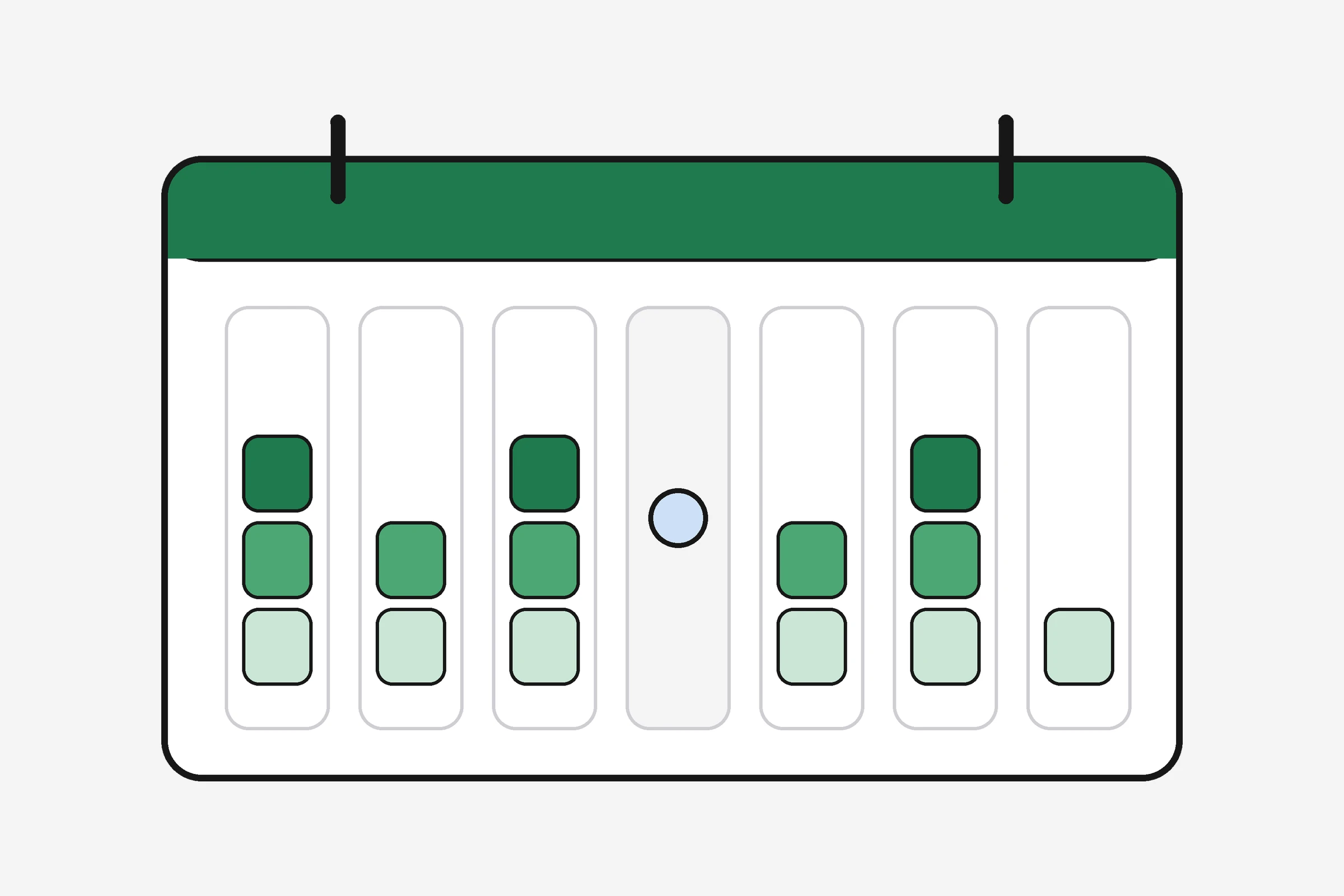
Two or three non-consecutive days fit most schedules. Pair with at least one easy walk or low-impact cardio day. Read how many rest days you need before stacking this after heavy squats or a long run.
What do ranking EMOM plans cover — and what is missing?
| Common on ranking pages | Often missing |
|---|---|
| “Every minute on the minute” defined | 30–40 s finish time rule for rep choice |
| 15- or 20-minute promise | Test minute before round one |
| Combo moves per minute | Single-pattern moves with library form links |
| “All-out” language | Bail-out rule when the clock wins |
| Follow-along video only | Easier/harder on every move with demos |
This post targets those gaps so you can run the session from a timer and open each /exercises page during rest.
The moves
Finish each set with control. Count reps in round one; if round four drops more than two reps on the same move, lower targets next session.
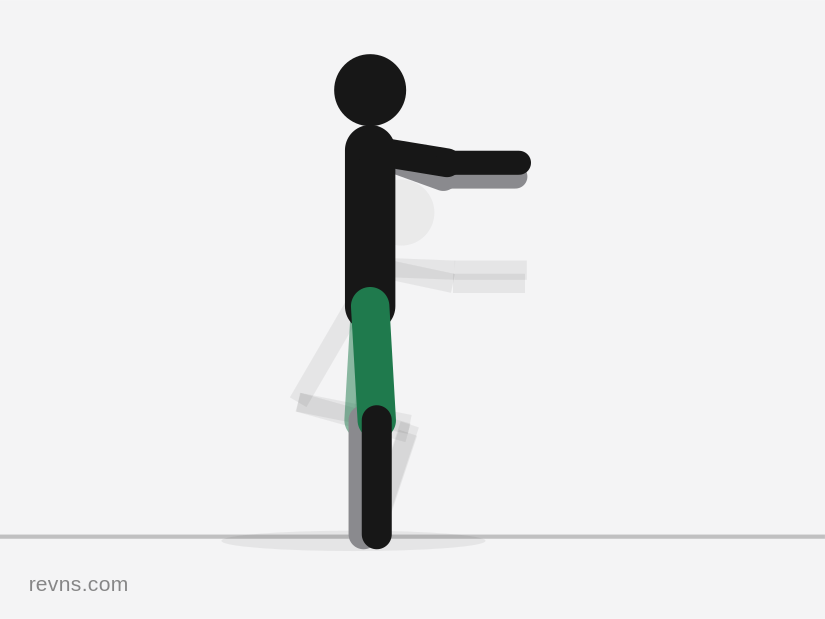
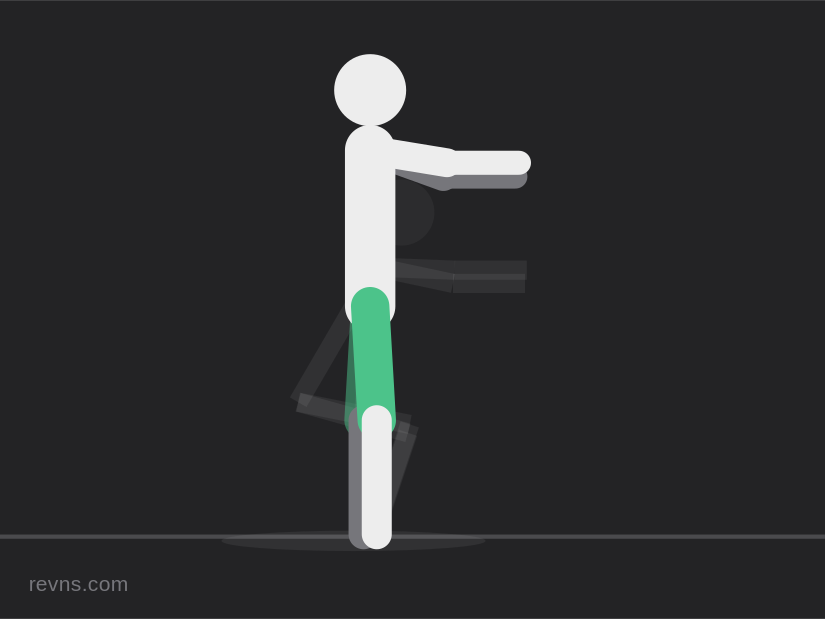
1. Bodyweight squat
Squats anchor minute one and drive heart rate without jumping. They train quads and glutes while the upper body rests before push-ups.
- Stand feet roughly shoulder-width, toes slightly out.
- Brace the trunk; ribs stay over pelvis.
- Sit hips back and down; keep heels down if ankles allow.
- Knees track over toes; depth as low as form allows.
- Drive through mid-foot to stand; squeeze glutes lightly at the top.
Do: 14 reps each minute 1, 6, 11, 16. Move on when: depth and knee tracking match round one on minute 16.
Common mistake: folding forward with heels lifting — shorten depth until the chest stays modestly upright.
Easier: box squats to a chair. Harder: jump squats only when landings stay quiet on a separate program day.
2. Push-up
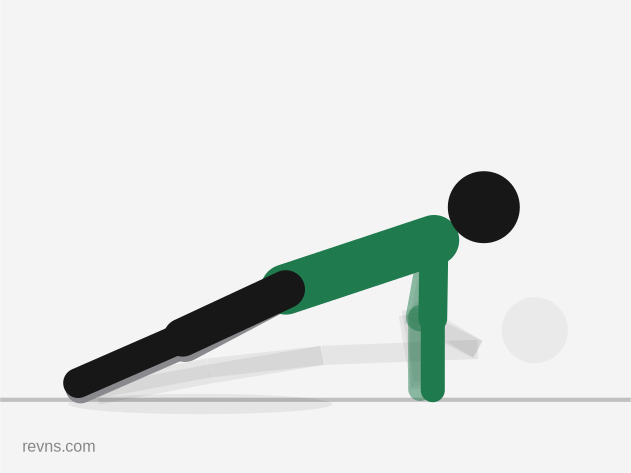
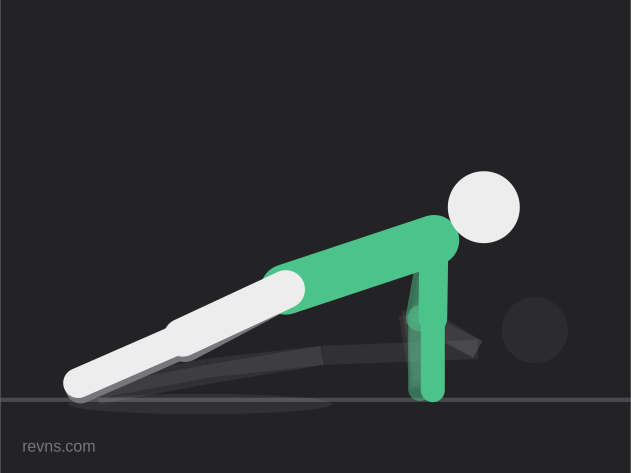
Push-ups load chest, shoulders and triceps on minute two while legs recover from squats.
- Hands slightly wider than shoulders, fingers forward.
- Body straight from head to heels (or knees if using the regression).
- Lower the chest between the hands; elbows angle about 45° from the ribs.
- Press up without sagging the lower back.
- Breathe out on the way up; steady pace beats racing.
Do: 9 reps on minutes 2, 7, 12, 17. Move on when: hips stay in line on the last rep of minute 17.
Common mistake: hands too far forward — stack shoulders over wrists.
Easier: knee push-ups or wall push-ups. Harder: pause 1 s at the bottom on each rep.
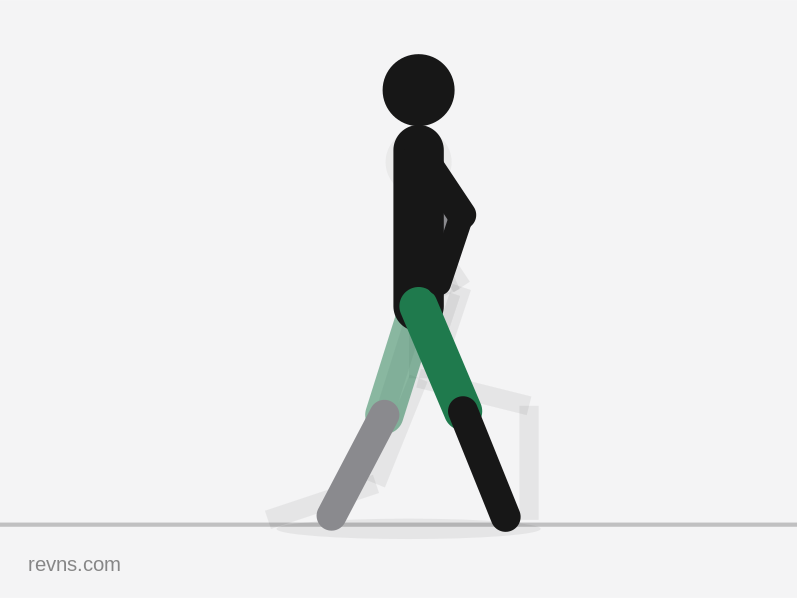
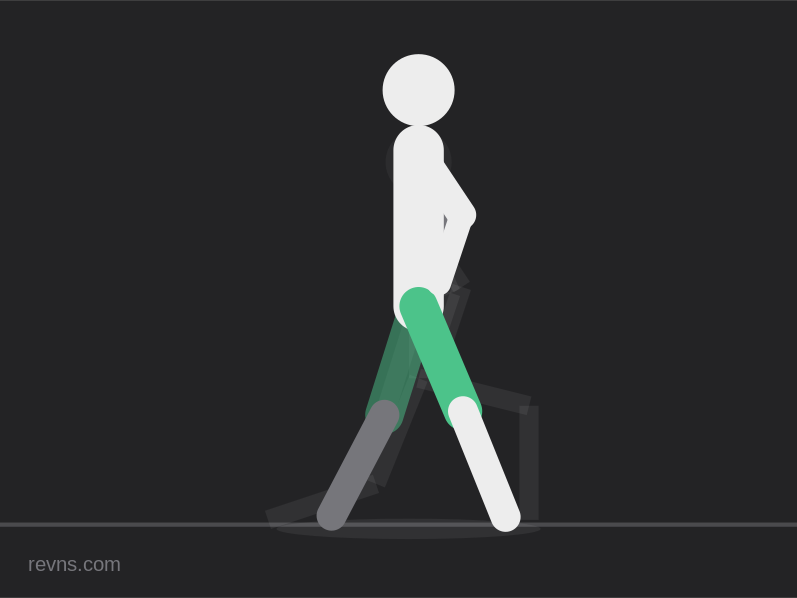
3. Reverse lunge
Reverse lunges train quads, glutes and balance with less forward knee shear than walking forward lunges.
- Stand tall, feet hip-width.
- Step one foot back onto the ball of the foot.
- Lower until both knees are near 90°; torso upright.
- Push through the front heel to return to standing.
- Alternate legs until rep count is done.
Do: 10 total reps (5 per leg) on minutes 3, 8, 13, 18. Move on when: you do not wobble on the last rep of minute 18.
Common mistake: short steps so the back knee slams — lengthen the step and control the descent.
Easier: split squats with feet fixed. Harder: walking lunges across the room if space allows.
4. Mountain climber
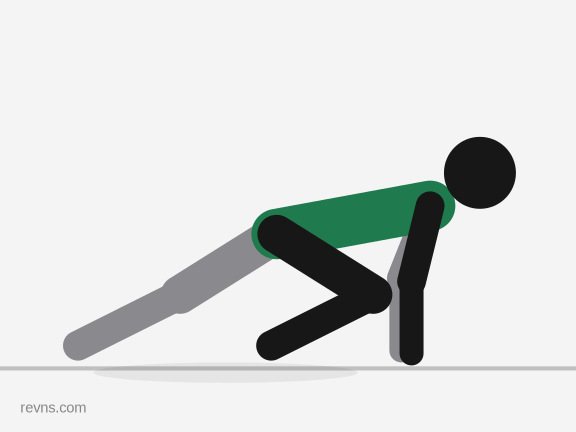
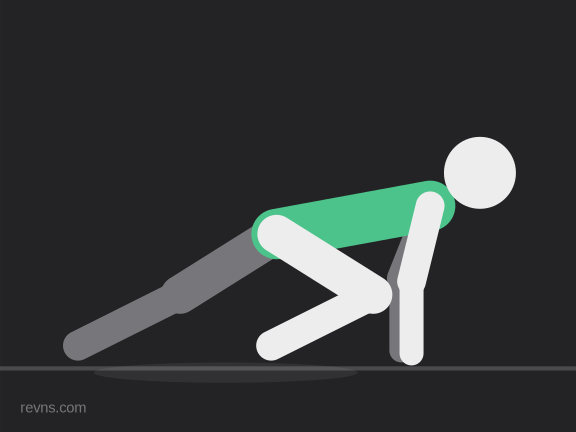
Mountain climbers raise breathing and train core, shoulders and hip flexors without equipment.
- Start in a straight-arm plank, shoulders over wrists.
- Brace the trunk; hips level with shoulders.
- Drive one knee toward the chest, then switch.
- Land toes lightly; avoid bouncing the hips.
- Count total knee drives (18 = 9 per leg).
Do: 18 reps on minutes 4, 9, 14, 19. Move on when: plank line stays level on minute 19.
Common mistake: hips bouncing high — slow the pace until the trunk stays quiet.
Easier: high plank hold for 20 s or step knees in one at a time. Harder: plank jacks if wrists tolerate impact.
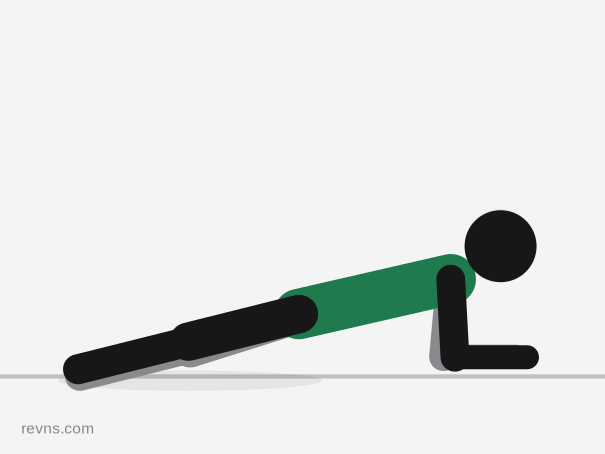
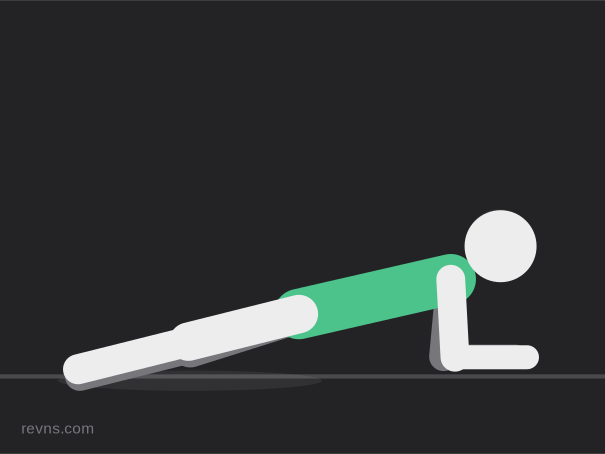
5. Forearm plank
The plank minute trains deep core and shoulder stability without extra steps on tired legs.
- Forearms on the floor, elbows under shoulders.
- Step feet back; body one line from head to heels.
- Squeeze glutes; brace the stomach without holding breath.
- Press the floor away with the forearms.
- Hold 30 seconds, then rest until the next :00.
Do: 30 s on minutes 5, 10, 15, 20. Move on when: hips do not sag in the last 5 s of minute 20.
Common mistake: holding breath — short steady exhales beat a rigid brace.
Easier: knee plank for 30 s. Harder: plank shoulder taps for 20–24 s instead of a plain hold.
What muscles does a home EMOM work?
Across five moves you stress quads, glutes, hamstrings, chest, shoulders, triceps, core, hip flexors and calves. EMOM is mixed conditioning, not a split for maximal hypertrophy.
Energy cost depends on body size and speed. The 2024 Adult Compendium lists vigorous calisthenics and circuit-style bodyweight training around 7.5–11 MET (Compendium tables). A 70 kg person might use roughly 170–260 kcal in 20 minutes of hard mixed work — a rough range, not a target.
Can you do this EMOM in a small apartment?
Yes. All moves are low-impact except optional harder swaps. Keep step-back climbers, small lunge steps, and forearm plank instead of hand taps. For neighbour-friendly days, swap minute 4 for step jacks (count 20 total steps) using the quiet apartment workout as a template.
What should you do this week?
- Day 1: Run the test minute on push-ups and lunges; do two EMOM rounds (10 min); note rest left each minute.
- Day 2: Rest or easy walk.
- Day 4: Three rounds if day 1 had 10 s+ rest on most minutes.
- Day 6: Strength or 30-minute home circuit — not another EMOM.
- Next week: Progress per the table; log rounds in a workout log.
Who should check with a clinician first, and when should you stop?
Ask a clinician before hard interval training if you have heart or lung disease, uncontrolled blood pressure, recent surgery, pregnancy complications, or unexplained chest symptoms. Pregnant people should follow clinician-led activity guidance rather than maximal circuits.
Stop and seek urgent care for chest pain, fainting, severe breathlessness, or irregular heartbeat. Stop this workout for sharp joint pain, swelling, dizziness, or pain that worsens each week.
This is general training guidance, not medical advice.
Related
- Tabata workout for beginners at home: two 20/10 blocks with moving demos
- Beginner HIIT workout at home: a six-move no-equipment circuit with demos
- 30 minute home workout: an intermediate no-equipment routine with demos
- Rest days: how many you need and what to do on them
- Exercise library
Sources
- Bull FC et al. World Health Organization 2020 guidelines on physical activity and sedentary behaviour. Br J Sports Med 2020
- Ainsworth BE et al. 2024 Adult Compendium of Physical Activities
- American College of Sports Medicine. Physical Activity Guidelines Resources
- U.S. Centers for Disease Control and Prevention. How much physical activity do adults need?
Terms in this post
revns publishes training and nutrition guidance, not medical advice. See a clinician for symptoms, injury or a medical condition. Accurate as of November 23, 2026.