Low impact cardio workout at home: a quiet beginner circuit with demos
A low impact cardio workout at home with six quiet moves, timed rounds, no jumping and demos. Fits apartments, sore joints and beginners building weekly cardio.
revns editorial · Published November 21, 2026 · 8 min read
Beginner low-impact home cardio: six bodyweight moves, 45s/15s timed rounds, two or three circuits, talk-test easy to moderate. Quiet enough for an apartment.
A low impact cardio workout at home can be six quiet moves — march, step jacks, side lunge, reverse lunge, woodchop and walking heel flicks — done as timed rounds with one foot on the floor the whole time. It takes about 20 to 25 minutes, needs no equipment beyond floor space, and suits healthy adults who want cardio without jumping, including people in apartments, beginners, and anyone easing back after sore knees. Do it three to five days a week at a talk-test pace. Every move below has a moving demo from the exercise library.
TL;DR
| Move | Timed work | Easier swap | Rest after |
|---|---|---|---|
| Standing marches (warm-up) | 3 min | Hold a chair | — |
| Step jacks | 45 s | Standing marches | 15 s |
| Side lunge | 45 s (one leg)* | Shorter step | 15 s |
| Reverse lunge | 45 s | Shallower lunge | 15 s |
| Bodyweight woodchop | 45 s | Smaller arc | 15 s |
| Butt kicks (walked) | 45 s | Slow march | 15 s |
*Alternate legs each round. Rest 60 s between full circuits. Do 2 rounds in week one, 3 rounds from week three if form stays clean.
What is a low impact cardio workout at home?
Low impact cardio means you raise your heart rate while keeping at least one foot on the floor and avoiding hops, jumps and hard landings. At home, that usually means marching, stepping side to side, controlled lunges and arm movements that add effort without barbells or a treadmill. It counts toward the World Health Organization’s 150 to 300 minutes of moderate activity per week for adults when the pace is real, not a slow shuffle.
Rankings for this query often show long YouTube follow-alongs without a clear prescription, or HIIT routines that sneak in jumping jacks. This guide gives sets, times, rest, easier swaps and stop signs in one place, with demos tied to each move name so you are not guessing form from a thumbnail.
How hard should low impact cardio feel?
Use the talk test. You should breathe faster, but you can still say a sentence without gasping. That usually lands around 4 to 6 out of 10 effort, or the lower half of zone 2 if you wear a heart-rate watch. You are not sprinting. You are not doing active recovery either — that should feel easier than this circuit’s middle rounds.
If you cannot talk, slow the march or shorten the lunge step. If you could sing, pick up the marching pace or add a third round next week, not both in one session.
How do you do this low impact cardio workout?
Session clock (about 20 to 25 minutes)
- Warm-up (3 minutes): standing marches with relaxed arm swings. Hold a sturdy chair if balance is wobbly.
- Round 1: step jacks → side lunge (one leg, switch next round) → reverse lunge → bodyweight woodchop → butt kicks (walked, heels up without bouncing). Each move 45 seconds on, 15 seconds off.
- Rest 60 seconds after butt kicks.
- Round 2: repeat the same five moves. Train the other leg on side lunges if you only worked one side in round one.
- Round 3 (optional from week three): repeat if breathing and knees still feel controlled.
- Cool-down (2 minutes): slow march, then ten seconds each of cat-cow if you are on a mat.
Who is this for?
Healthy adults who want cardio without equipment, people in flats who need a quiet session, beginners building toward longer walks or cycles, and trained people using it as an easy day between harder runs or lifting. It is not a substitute for medical rehab after surgery unless a physiotherapist prescribed similar moves.
How many days a week?
Three to five non-consecutive or alternating days fit most schedules. Pair with two strength days if you follow WHO muscle-strengthening advice. Leave at least one rest day with no planned hard work. If overtraining symptoms such as poor sleep or falling mood appear, cut back to two cardio days until you recover.
Progression without jumping
When two rounds feel easy for two sessions in a row, change one lever:
- add a third round, or
- add 5 seconds to each work interval, or
- lift the knees slightly higher on marches, or
- hold light water bottles during woodchops.
Do not add all four at once. Jumps belong in a different workout, not here.
The moves
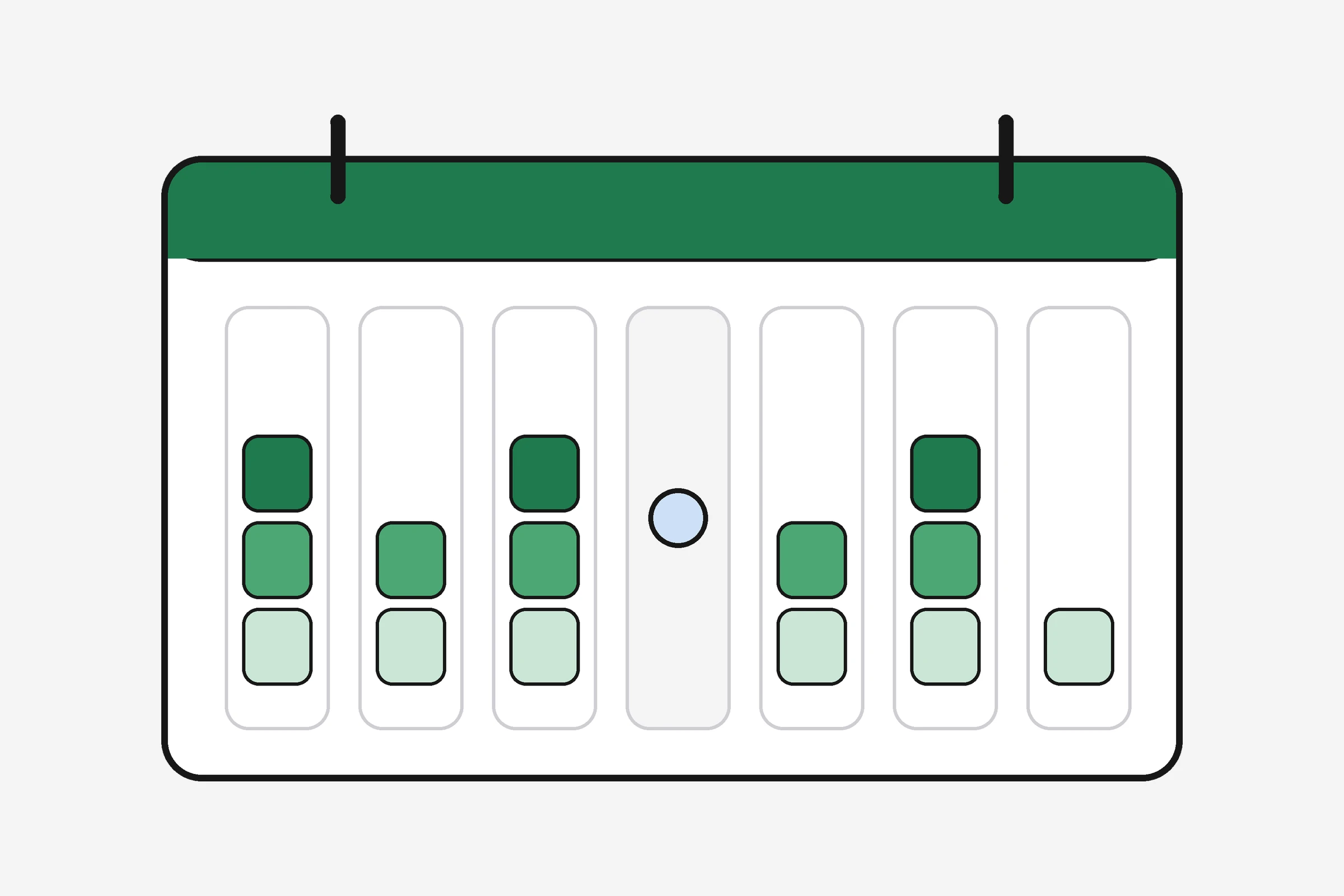
Each block has steps, dose, one mistake, and easier and harder options. Land softly. Breathe steadily.
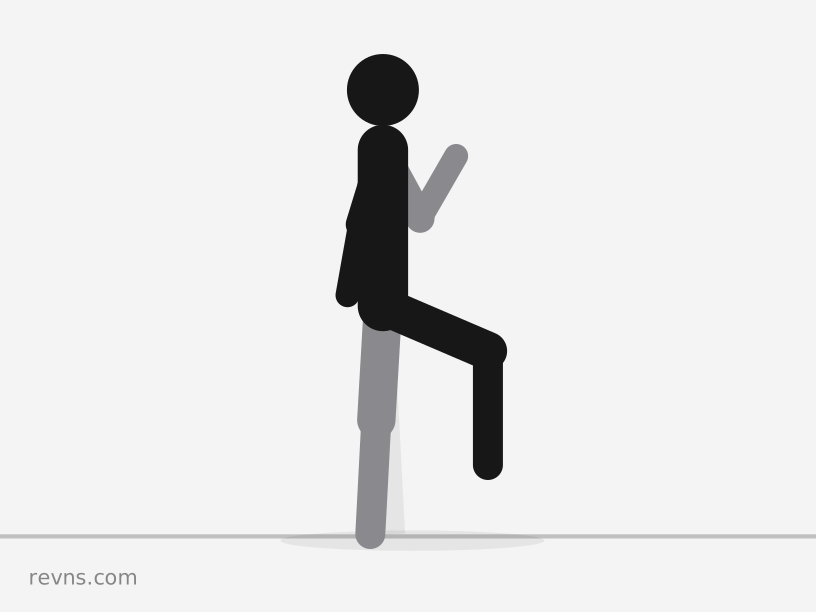
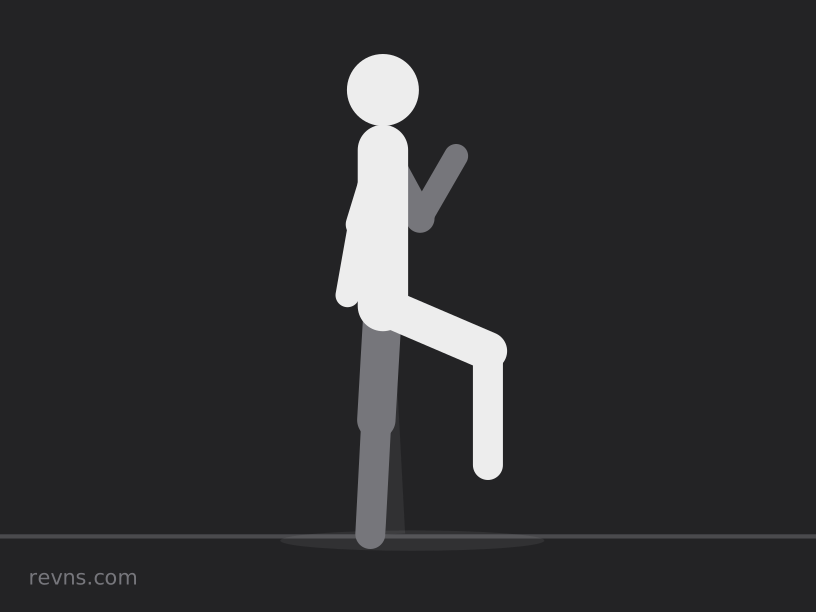
1. Standing marches
Marching is the backbone of low impact cardio exercises at home. It raises heart rate with almost no joint stress and works as warm-up or filler when a move feels too hard.
- Stand tall, feet hip-width apart; hold a chair if needed.
- Lift one knee toward hip height without leaning back.
- Lower and lift the other knee, swinging the arms naturally.
- Stay light on the feet; do not stomp.
Do: 3 minutes to warm up, or 45 seconds in the circuit. Move on when: you can march briskly for 3 minutes without holding the chair.
Common mistake: tiny knee lifts that never raise the heart rate — fix it by picking up pace or pumping the arms higher.
Easier: hold a chair with one hand. Harder: step jacks in the main circuit.
2. Step jacks
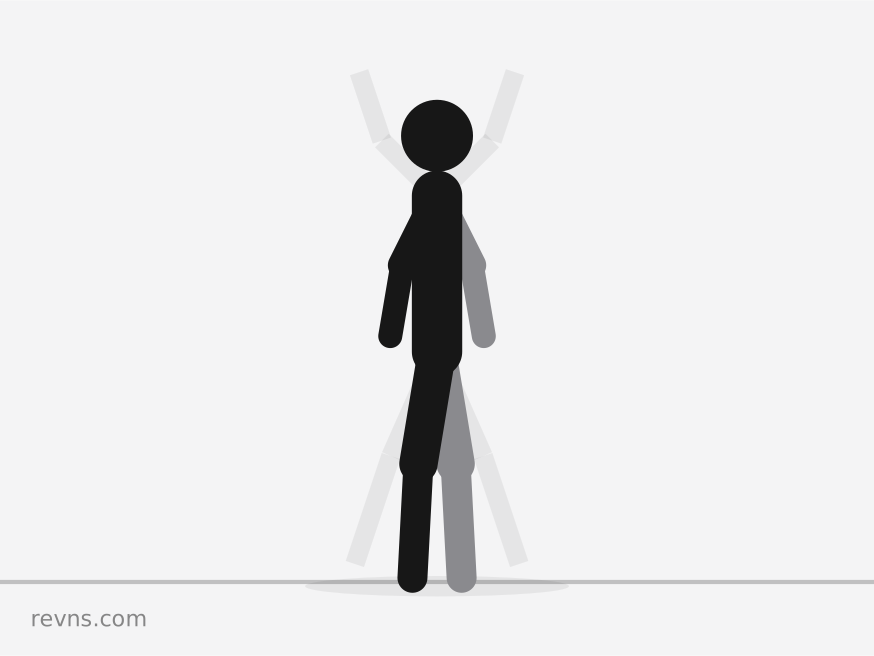
Step jacks are low impact jumping jacks: one foot steps out while arms rise, then steps back. They add side-to-side rhythm without both feet leaving the floor at once.
- Stand with feet together.
- Step the right foot out as both arms lift overhead.
- Step back in as arms lower.
- Repeat on the left side, alternating.
Do: 45 seconds steady. Move on when: arms reach full height and you stay tall through 45 seconds.
Common mistake: arms only halfway — full range makes the move worth doing.
Easier: standing marches. Harder: faster steps (still no jump) or add a third round.
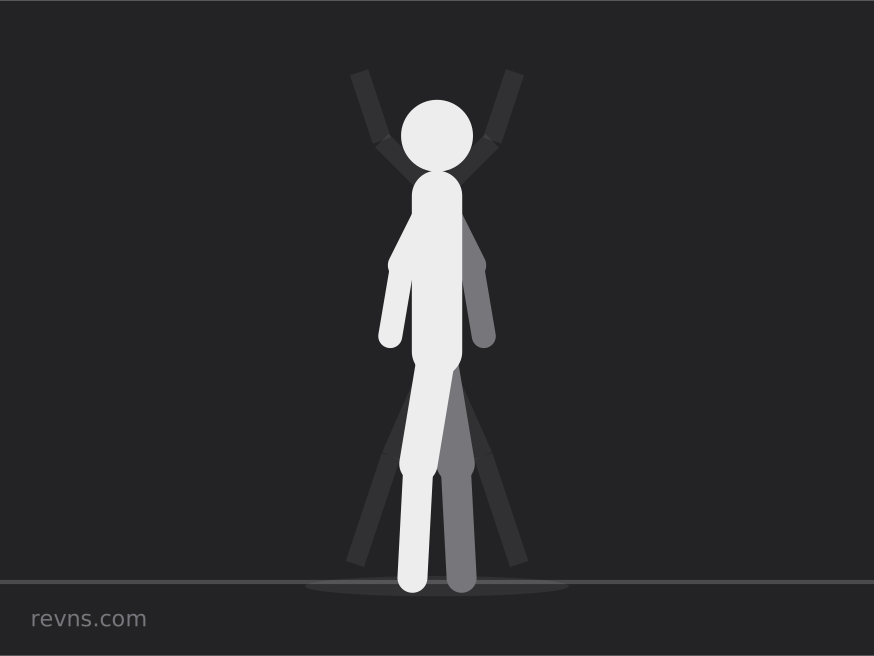
3. Side lunge
Side lunges train the hips and thighs in the frontal plane, which walking alone sometimes misses. Keep the step short if knees are touchy.
- Stand tall, feet together.
- Step wide to the right and sit back into the right hip, left leg straight.
- Push through the right foot to return to centre.
- Alternate sides each round.
Do: 45 seconds per round (switch legs between rounds). Move on when: knee tracks over the foot without wobble.
Common mistake: collapsing the knee inward — shorten the step until it stays over the toes.
Easier: hold a chair for balance. Harder: slower 3-second lowering.
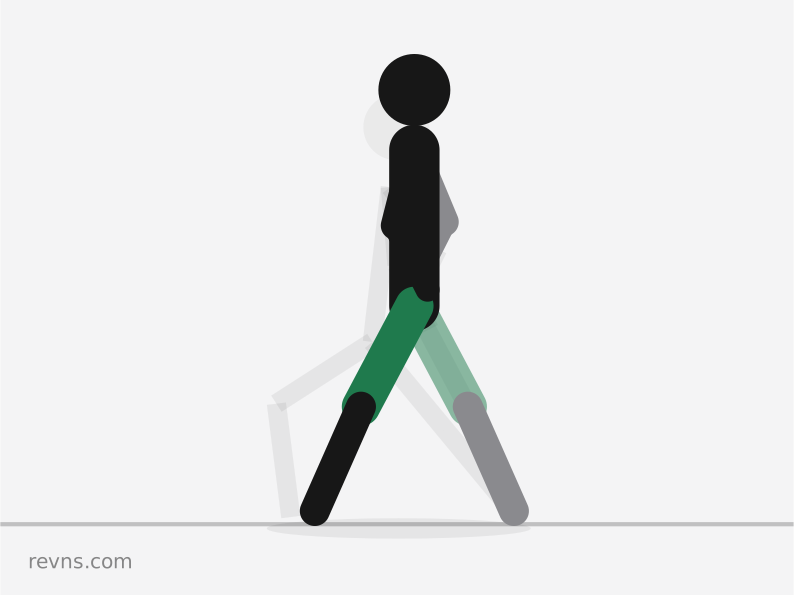
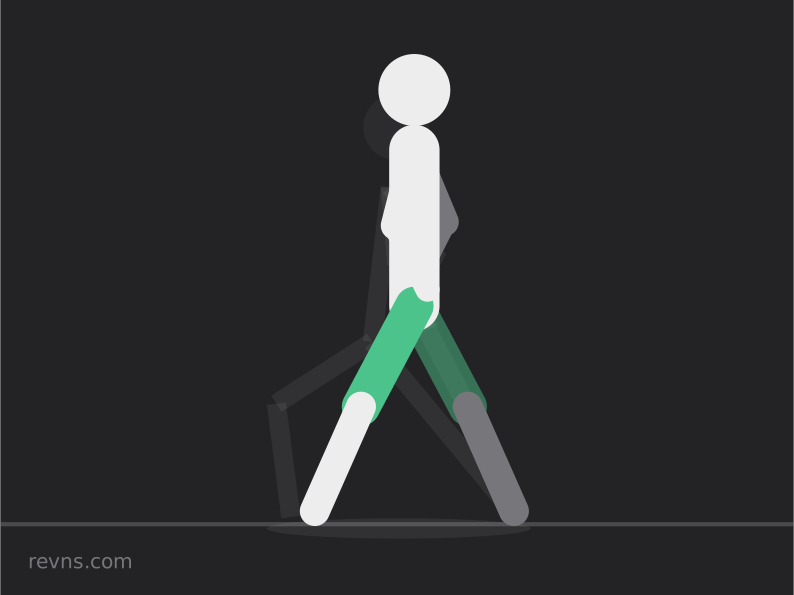
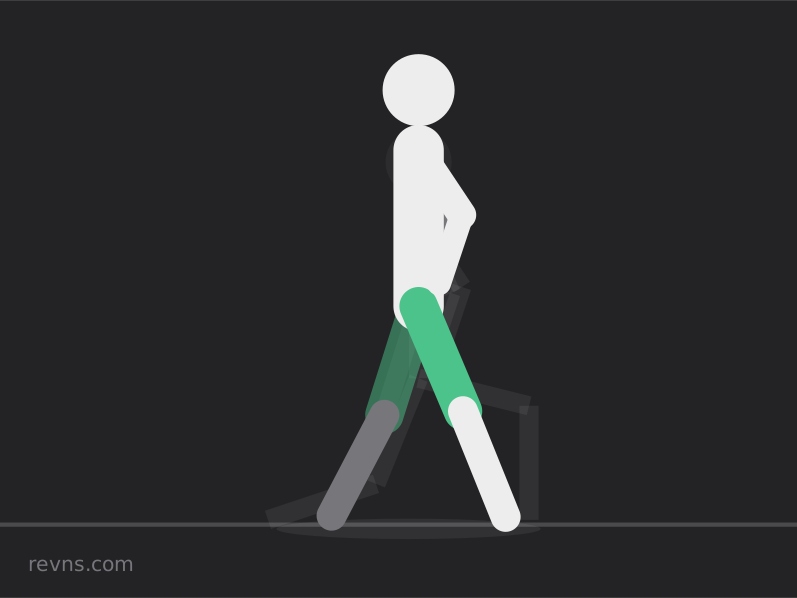
4. Reverse lunge
Reverse lunges stay low impact because the front foot stays planted and you step back, not forward into a stumble.
- Stand tall, hands on hips or at chest.
- Step the right foot back and lower until both knees bend about 90 degrees.
- Push through the front heel to stand; alternate legs.
- Keep the torso upright and core lightly braced.
Do: 45 seconds of alternating reps. Move on when: you can do 8 per leg without losing balance.
Common mistake: short steps that let the back knee slam the floor — step back far enough.
Easier: shallow range. Harder: pause one second at the bottom.
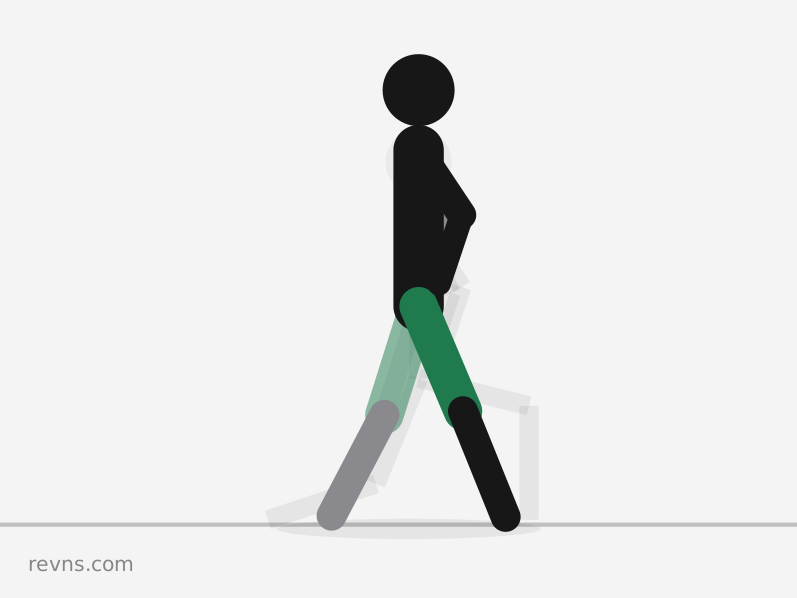
5. Bodyweight woodchop
Woodchops add rotation and shoulder work without impact. They keep the heart rate up when legs need a break from lunges.
- Stand with feet shoulder-width, hands clasped at one hip.
- Sweep the hands diagonally up across the chest to the opposite shoulder.
- Return with control; alternate sides.
- Rotate from the ribs, not the lower back alone.
Do: 45 seconds, alternating sides each rep. Move on when: the motion stays smooth at shoulder height.
Common mistake: rounding the back to fake range — shrink the arc instead.
Easier: hands on hips, smaller twist. Harder: light water bottles in hands.
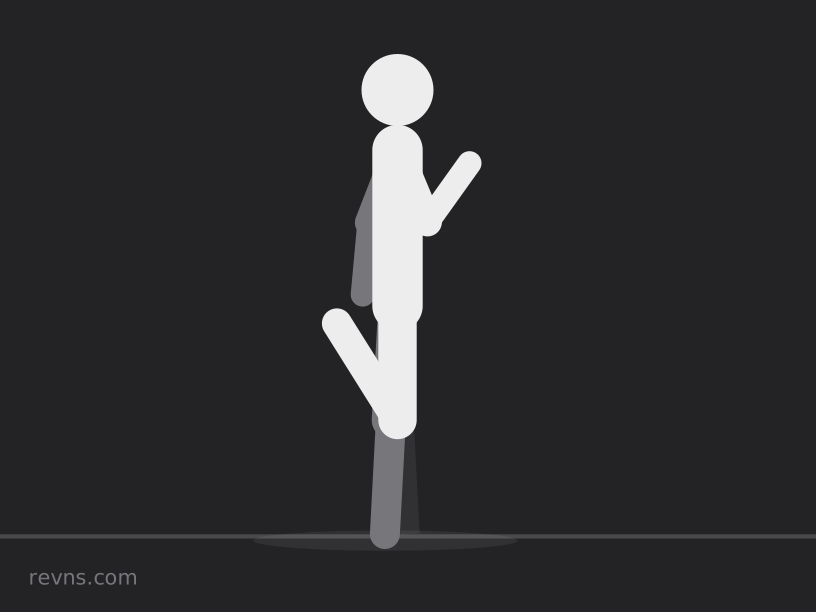
6. Butt kicks (walked)
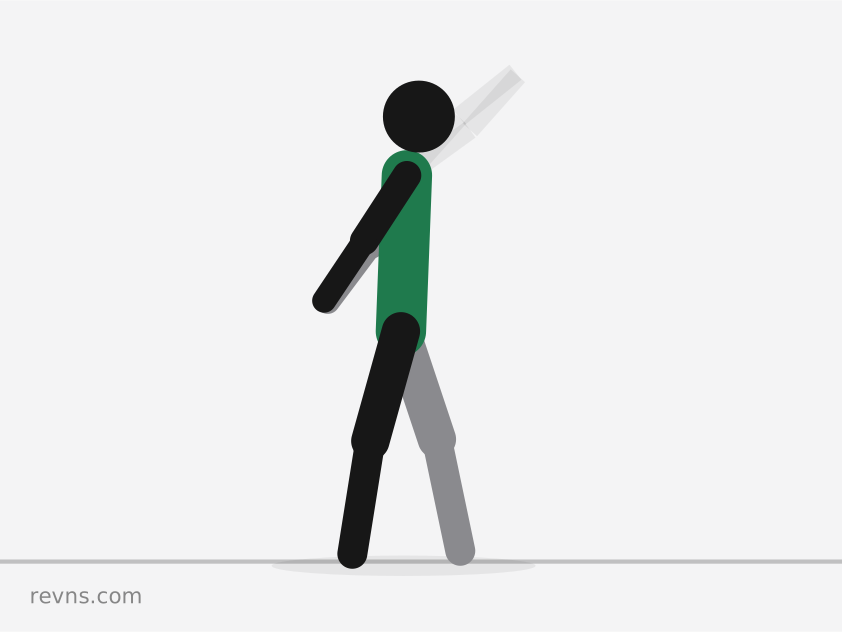
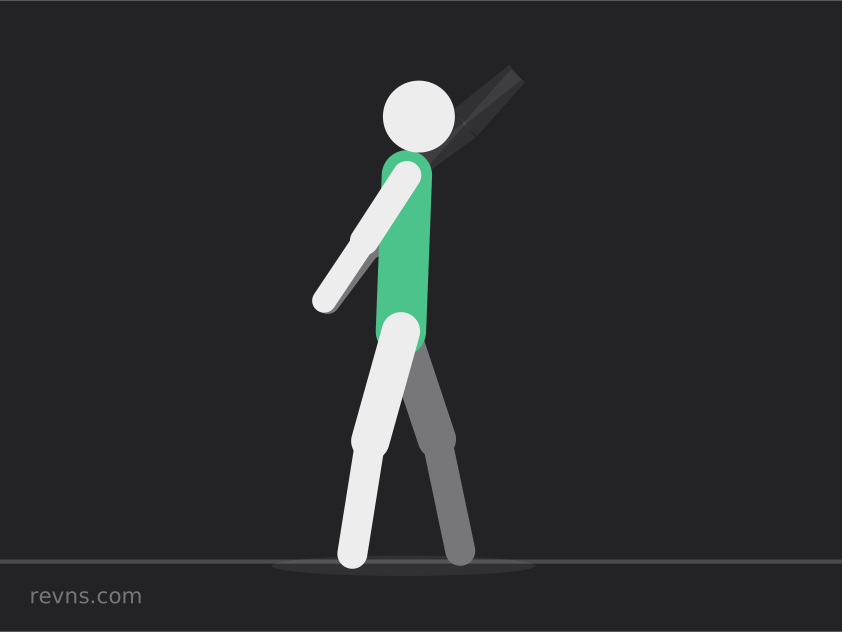
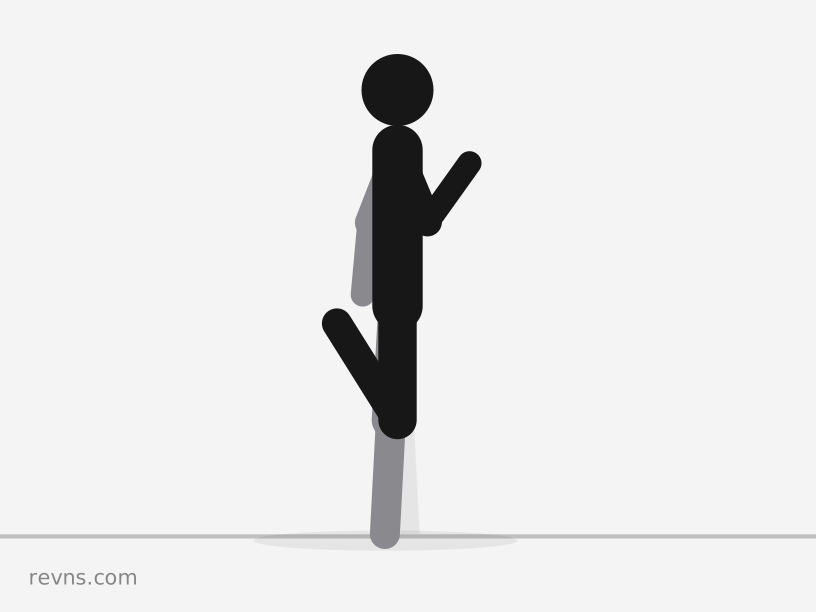
Heel flicks toward the glutes finish the round with a gentle hamstring pump. Walk the feet; do not bounce off the floor.
- Stand tall, soft knees.
- March on the spot, flicking each heel toward the same-side glute.
- Pump the arms as if walking fast.
- Keep contacts quiet for neighbours downstairs.
Do: 45 seconds. Move on when: heels reach the glutes without leaning forward.
Common mistake: heavy landings — lighten the feet or return to marches.
Easier: slow standing marches. Harder: slightly faster heel flicks, still walked.
Is low impact cardio enough for heart health?
For many healthy adults, yes, when total weekly minutes add up. The WHO 2020 guidelines recommend 150 to 300 minutes of moderate-intensity aerobic activity per week, or 75 to 150 minutes of vigorous activity, plus strength work on at least two days. A 20-minute home circuit three times a week is 60 minutes toward that moderate total — a solid start, not the whole story.
Brisk walking outdoors, cycling, swimming or a longer session on another day still helps. Use the heart rate zone calculator only as a ceiling check; the talk test is enough for most beginners.
Low impact cardio for seniors and sore joints
Older adults and people with mild knee or hip stiffness often tolerate stepping patterns better than runs and jump squats. Use a chair, shorten lunge depth and skip any move that pinches. The CDC’s physical activity materials for older adults stress balance support when needed and stopping for pain — the same rule applies here.
If you are returning after time off, one round for the first week beats three rounds with limping. Combine this circuit with daily mobility on rest days if stiffness is the main limiter.
What should you do this week?
- Day 1: One round, note how the talk test felt in round two.
- Day 2: Rest or easy walk.
- Day 3: Two rounds if day 1 felt fine.
- Day 4: Optional strength or rest.
- Day 5: Two rounds again; compare knee and breathing comfort to day 3.
- Next week: Add a third round or five seconds per move, not both.
Log sessions in a workout log or the multi-sport tracker pattern so weekly minutes are visible next to sleep and steps.
Who should check with a clinician first, and when should you stop?
Ask a doctor or physiotherapist before starting if you have heart or lung disease, recent joint surgery, osteoporosis with fracture risk, balance disorders, pregnancy complications, or symptoms your clinician is investigating.
Stop and seek urgent care for chest pain, fainting, severe breathlessness, or irregular heartbeat. Stop this workout and get advice for sharp knee or hip pain, swelling, dizziness, or balance loss.
This is general training guidance, not medical advice.
Related
- What is active recovery? Meaning, examples and how easy to go
- Zone 2 training explained
- Rest days: how many you need and what to do on them
- Full body workout at home with no equipment: a six-move beginner routine
- How much exercise per week: WHO guidelines for adults
- Exercise library
Sources
- Bull FC et al. World Health Organization 2020 guidelines on physical activity and sedentary behaviour. Br J Sports Med 2020
- U.S. Centers for Disease Control and Prevention. Physical Activity Basics: Older Adults
- Ainsworth BE et al. 2024 Adult Compendium of Physical Activities
- American Heart Association. Target Heart Rates Chart
Terms in this post
revns publishes training and nutrition guidance, not medical advice. See a clinician for symptoms, injury or a medical condition. Accurate as of November 21, 2026.