What is active recovery? Meaning, examples and how easy to go
Active recovery is light movement on rest days or after hard sessions. What it means, example workouts, how it differs from a rest day, and how easy to go.
revns editorial · Published November 21, 2026 · 7 min read

Active recovery is light movement that keeps blood flowing without another hard session. Talk-test easy or zone 2 for 20–40 minutes often beats lying still for soreness.
What is active recovery? It is light movement on a rest or easy day — walking, gentle cycling, easy swimming or mobility — that supports recovery without another hard session. You should finish less tired than you started and be able to talk in full sentences the whole time. It is not a second workout dressed up as recovery.
TL;DR
| Question | Plain answer |
|---|---|
| Active recovery meaning | Easy movement that aids recovery, not training stress |
| Examples | Relaxed walk, easy cycle, gentle swim, mobility |
| How hard? | Talk-test easy; often low zone 2 or below |
| How long? | 20–40 minutes is enough for most people |
| vs rest day | Rest day = no plan; active recovery = optional easy movement |
| vs passive recovery | Passive = sit or sleep; active = light movement on top |
| Evidence | Meta-analyses show modest soreness relief; sleep and food still dominate |
| This week | Pick one easy day after your hardest session; log it as easy |
What is the meaning of active recovery?
In plain language, active recovery is movement you choose on purpose when you are not trying to improve fitness that day. The goal is to feel better tomorrow: looser legs, clearer head, less stiffness after sitting. Coaches contrast it with passive recovery, where you lie down, sleep or do nothing athletic.
Sports scientists use the same idea in recovery reviews. Dupuy and colleagues, in a 2018 systematic review and meta-analysis in Frontiers in Physiology pooling 99 trials, compared post-exercise techniques for soreness, fatigue and damage markers. Active recovery — light exercise after hard work — reduced muscle soreness (DOMS) on average at follow-ups of 24 to 96 hours, though effects were modest and varied by study. Passive rest still works when you prefer stillness.
That matches what many lifters and runners report: a slow walk the morning after heavy squats often beats camping on the sofa. It does not prove you must move. If you feel better resting, progress does not vanish.
What counts as active recovery exercise?
Anything that raises heart rate slightly without breathlessness can count, if you are healthy and injury-free. Common choices:
| Activity | What “easy” looks like | Watch out for |
|---|---|---|
| Walking | Flat route, can chat | Hills, rucking, fast commute pace |
| Cycling | Light pedal, easy gear | Club ride “recovery” that is not |
| Swimming | Easy laps, long rest at wall | Hard intervals in the pool |
| Mobility / yoga | Slow flow, no burn | Hot power classes |
| Rowing / elliptical | Low damper, steady easy pace | Treating it as a 2k test |
The NHS encourages adults to stay generally active across the week, including on days without structured sport. A short easy walk fits that pattern and pairs well with rest days in your calendar.
Vegetarian, vegan, eggetarian, Jain and non-vegetarian diets all support recovery the same way: enough protein and carbohydrate on the easy day so you are not under-fuelled while you move lightly.
What is the difference between active recovery and a rest day?
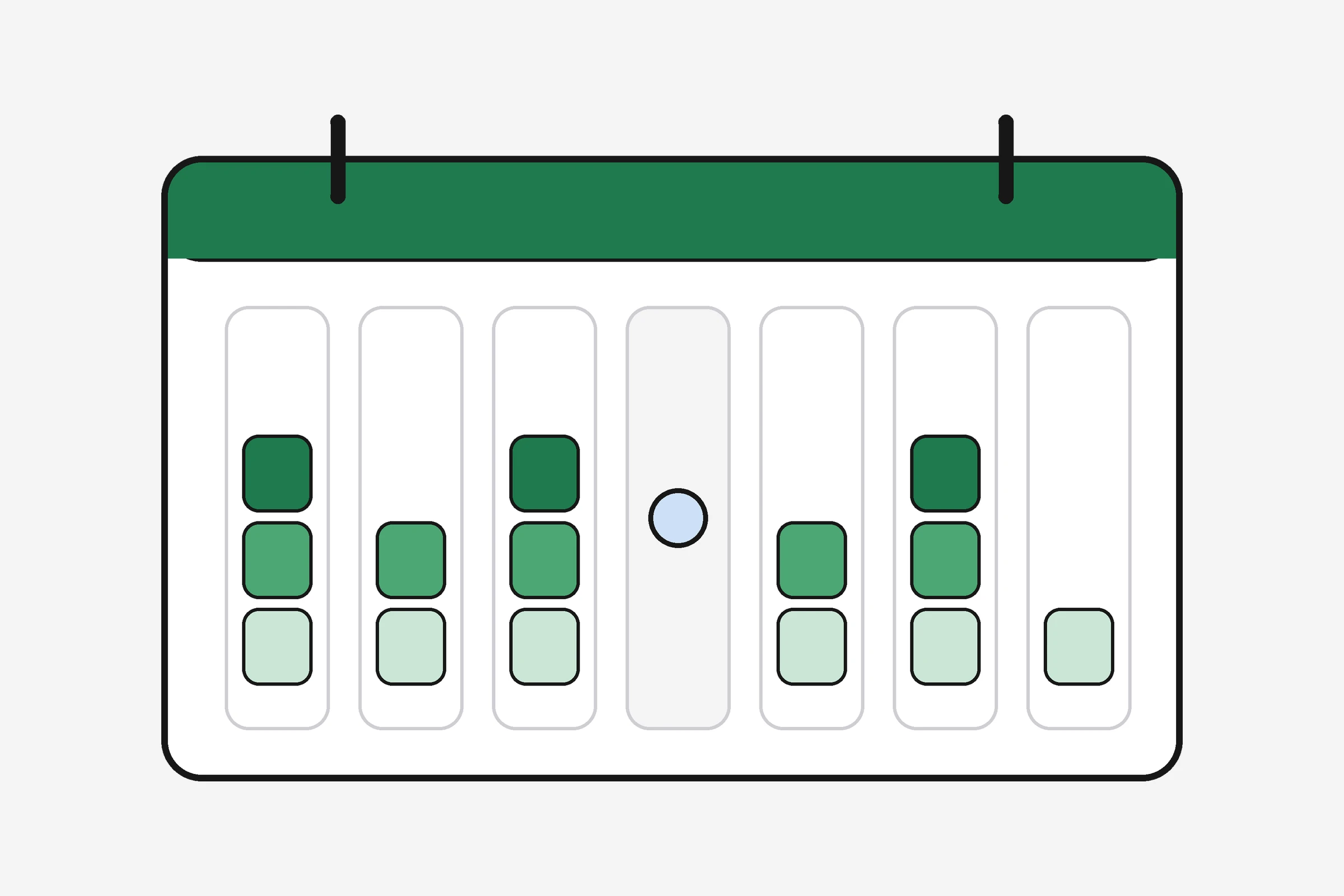
A rest day is a schedule choice: no run, lift or class planned. Active recovery is what you may do on that day — easy movement instead of complete stillness.
You can have:
- Full rest: no planned exercise; sleep and food do the work.
- Active recovery day: optional 20 to 40 minutes easy; still no hard session.
- Mislabelled “recovery”: a hard session that leaves you sore — that is training, not recovery.
Our guide on planning a training week shows how hard, easy and rest days fit together. The AI fitness coach keeps today moderate when sleep sits under your range, so hard sessions are less likely to stack on short nights.
Is active recovery better than complete rest?
Neither is universally “better.” For normal post-exercise soreness, the Dupuy 2018 meta-analysis suggests active recovery can beat complete rest for soreness scores by a small margin on average. The same review found mixed results for fatigue, and no magic erase for damage markers.
A 2011 Cochrane review by Herbert and colleagues on stretching before or after exercise (12 trials) found stretching did not produce a clinically meaningful cut in next-day soreness. Easy movement and static stretching are related but not the same; neither replaces sleep.
Practical rule:
- If an easy walk or spin feels good, do it.
- If you want stillness, rest.
- If you are ill, injured or exhausted, choose passive recovery first.
Read DOMS explained for when soreness is normal versus when to stop.
How easy should active recovery be?
Use the talk test before heart rate:
- Pass: speak in full sentences without gasping.
- Fail: you need breath every few words — slow down.
If you like numbers, many people stay in zone 1 or low zone 2. Our zone 2 training guide defines easy aerobic work; active recovery is at or below that feel. The heart rate zone calculator gives a rough ceiling from age — treat it as a cap, not a floor to hit.
Active recovery is not “recovery pace” that still leaves you soaked in sweat. If you finish as tired as a tempo run, you trained.
How long should an active recovery session last?
Twenty to forty minutes is a sensible default for walking, easy cycling or mobility. Busy day? Ten minutes still counts if intensity stays low — similar to the post-meal walks in our walking after eating guide.
Longer easy hikes or coffee-shop walks are fine when pace stays conversational. Duration is less important than intensity.
How does active recovery differ for lifting and running?
The idea is the same; the sore spots differ. After heavy legs, walkers and cyclists often choose flat routes so quads and glutes are not loaded again. After upper-body day, easy rowing or arm circles can feel better than gripping a pull-up bar. After a long run, cycling or swimming spare impact while keeping blood flow.
Neither sport needs a special gadget. Rate the day by breath and legs, not only heart rate. Runners who chase pace on “recovery” jogs turn easy days into junk miles; lifters who add drop sets on “flush” workouts do the same. If your sport is Hyrox or mixed training, stack one easy modality you did not hammer yesterday — swim after a run-heavy block, walk after sled work.
When is the best time for active recovery?
Common slots:
- The day after your hardest leg, upper or long-run session.
- Between two moderate days, instead of stacking hard work.
- After a hard session, as part of a cool-down — a few easy minutes, not another workout.
The World Health Organization’s 2020 physical activity guidelines for adults emphasise regular movement through the week rather than cramming volume into consecutive hard days. Active recovery days help you spread load without adding another interval session.
Is active recovery a workout?
No — not if you do it right. A workout is meant to stress systems so they adapt. Active recovery is meant to lift stiffness without a new stress spike.
Red flags that your “recovery” became training:
- You programmed sets, reps or intervals.
- You chased calories or Strava segments.
- Heart rate sat in threshold zones for most of the session.
- You needed a long nap afterward.
Log easy days honestly in a simple workout tracker so weekly load charts show the dip.
What should you do this week?
- Circle your hardest day in the next seven (long run, heavy squat, match).
- Plan the following day as active recovery or full rest — not both hard.
- Pick one default: 25-minute easy walk, 20-minute mobility from the daily mobility routine, or easy cycle.
- Sleep first; use the sleep calculator if bedtime slipped.
- Note mood and legs in the morning; if soreness or irritability lasts 7 to 14 days, see overtraining symptoms.
Example week with one active recovery day
This is a template, not a prescription. Swap days to fit work and family.
| Day | Session type | Notes |
|---|---|---|
| Mon | Lower-body strength (hard) | Log sets in the multi-sport tracker |
| Tue | Active recovery | 25-minute easy walk; optional 10-minute mobility |
| Wed | Upper-body strength (moderate) | Keep rest between sets honest |
| Thu | Full rest or optional easy swim | Sleep priority if stress is high |
| Fri | Intervals or heavy single-lift day (hard) | Warm up per the warm-up guide |
| Sat | Long easy aerobic (moderate) | Zone 2 feel, not a race |
| Sun | Full rest | Food prep for the week ahead |
If Tuesday still feels heavy on Thursday, replace Saturday moderate work with another walk or off day. Training trends help you see whether easy days are actually easy.
When should you see a professional?
Active recovery is general training guidance, not treatment. Stop easy movement and get assessed if you have:
- Chest pain or pressure with activity
- Fainting or near-fainting
- Sharp pain in a joint, not diffuse muscle soreness
- Swelling, redness or heat in a limb
- Numbness, weakness or bowel or bladder changes with back pain
- Low mood or anxiety that lasts most days for two weeks or more — contact a clinician or local crisis line; exercise supports care but does not replace it
Related
- Rest days: how many you need and what to do on them
- Recovery in training: what it means and how to tell you have recovered
- DOMS explained: sore muscles after a workout and when to train again
- Low impact cardio workout at home: a quiet beginner circuit with demos
- Zone 2 training explained
- How to cool down after a workout
- Heart rate zone calculator
This is general training guidance, not medical advice.
Sources
- Dupuy O et al. An evidence-based approach for choosing post-exercise recovery techniques to reduce markers of muscle damage, soreness, fatigue, and inflammation: a systematic review with meta-analysis. Front Physiol 2018
- Herbert RD, de Noronha M, Kamper SJ. Stretching to prevent or reduce muscle soreness after exercise. Cochrane Database Syst Rev 2011, Issue 7, Art. No. CD004577
- Bull FC et al. World Health Organization 2020 guidelines on physical activity and sedentary behaviour. Br J Sports Med 2020;54:1451–1462
- NHS. Physical activity guidelines for adults aged 19 to 64
Terms in this post
revns publishes training and nutrition guidance, not medical advice. See a clinician for symptoms, injury or a medical condition. Accurate as of November 21, 2026.