Simple workout tracker: how to log a training day in ten seconds
Self-monitoring helps people move more when logging is easy. Here is a ten-second line format, tap habits, and how revns one-line logging works today.
revns editorial · Published November 14, 2026 · 8 min read
Brief self-monitoring links to more activity in trials. Type one plain-language line or use taps for habits, then check chips before you save. Apple Health sync is not live yet.
A simple workout tracker wins when logging takes less time than the thing you just did. Trials link self-monitoring and easy tools (such as step counters) to more movement on average, not because the app is magic, but because missing days are visible. The practical pattern is one plain sentence or two taps for habits you repeat, then a weekly glance at whether training volume is rising or flat. This guide shows what the evidence supports, a ten-second line format for strength, runs, sleep and food, how quick log in revns works today, and when you still need a full sets-and-reps log.
TL;DR
| Question | Plain answer |
|---|---|
| Why bother logging fast? | Self-monitoring of behaviour is among the techniques linked to more physical activity in meta-regressions; pedometer trials report more steps when people wear and check them. |
| Ten-second template | squats 4x8 80kg, bench 3x10 60kg, run 5k, slept 7h, lunch: dal rice on plan |
| Tap logging | Use for yes/no habits (meditation done, vegetables, mobility) and repeat meals |
| WHO floor | 150–300 min moderate cardio per week plus ≥2 muscle days for adults 18–64 |
| revns today | One-line logging, session detail optional, device sync not live |
| Upgrade path | Add session exercises when loads matter |
Why does a simple log beat a perfect spreadsheet you never open?
Most people do not quit training because they lack a programme PDF. They quit because life eats the second session and nobody notices until motivation is gone. A tracker fixes the notice part: you see blank days, streaks break, and day score drops when sleep and movement slide together.
Behaviour-change reviews treat self-monitoring as one of the most common ingredients in successful physical-activity programmes. Michie and colleagues meta-regressed 122 evaluations against 26 behaviour-change techniques in Health Psychology (2009). Prompt self-monitoring of behaviour explained more between-study heterogeneity than any other single technique in that model. Designs varied: diaries, calls, websites. The lesson for you is narrower: if monitoring takes ten minutes, you will skip it on bad weeks.
Pedometer trials make the same point with hardware. Bravata and colleagues pooled 26 studies with 2,767 participants in a Journal of the American Medical Association meta-analysis (2007). In the eight randomised trials, pedometer users walked about 2,491 more steps per day than controls on average, and having a daily step goal was among the predictors of larger gains in meta-regression. Again: tool plus check-in, not a branded gadget alone.
A simple workout tracker is the software version: low friction, same rules every day, derived scores so you are not re-deriving maths at midnight.
What belongs in a ten-second line?
Split the line into blocks you always use, in the same order. Skip blocks you do not track.
Block A — training
- Strength:
squat 4x8 80kg, press 3x10 40kg(exercise, sets, reps, load). - Cardio:
run 5k 28min easyorwalk 8k stepsif steps are your move metric. - Class or mat work:
yoga 45minorbjj class 90min.
Block B — recovery inputs
slept 7horslept 6h30(use the same sleep metric name you set once).- Optional:
hrv 54orrhr 58if you measure them.
Block C — food (optional, two taps elsewhere)
lunch: rajma rice 28g protein on planordinner: tofu stir fry off plan.- Vegetarian, vegan, eggetarian and non-vegetarian examples all fit; the line does not assume meat.
Block D — gut or mood (optional)
pooped twice bristol 4ormood 7if those metrics are on your board.
You do not need every block every day. A run day might be run 10k, slept 7h, 12k steps. A rest day might be walk 30min, mobility done, slept 8h.
How is one-line logging different from tap logging?
They solve different friction points.
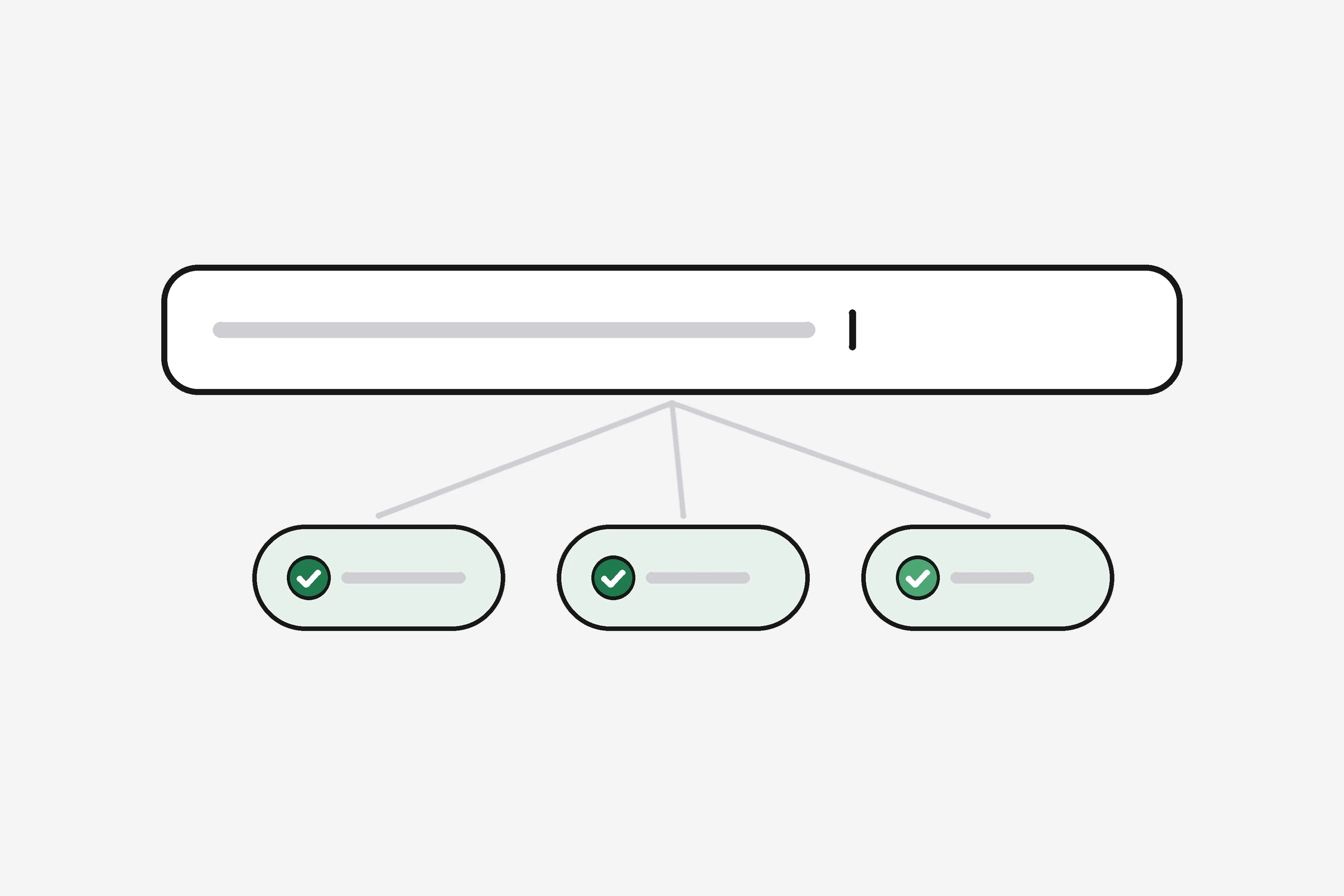
One line is best when numbers change: loads, kilometres, sleep hours, protein grams, Bristol type. You type once; the parser matches your metric list and shows chips for each value it understood. On the one-line logging feature page, revns states that unknown words come back to you instead of being silently placed on the wrong metric.
Taps are best for binary habits: foam roll yes/no, vegetables at lunch, meditation. They are also best for repeat meals when yesterday’s lunch was correct: tap Again instead of retyping dal and rice.
Sessions sit between the two: open a training session, add exercises with sets and reps when load progression matters, and still keep the day total in one place. See workout log with sets and reps when you need that depth.
None of these replace clinical records. Pain scales, medication changes and red-flag symptoms belong with a clinician, not in a friendly sentence.
What does revns one-line logging do today?
Product truth from the live feature list (not roadmap):
- Plain-language input. Example from the feature page:
40 squats, slept 7h, 10k steps, lunch: dal rice 25g protein. - Units. Hours and minutes (
7h30), km and5k, kg and lb, litres, grams, reps, bpm, ms, mmHg, and similar. - Meals in the same line. A clause starting with breakfast, lunch, dinner or snack becomes a meal entry, with protein and on-plan / off-plan pulled out when you include them.
- Yesterday and edits. Open a past day from the week strip and log there; tap chips to fix a misread.
- MCP. The same parser is exposed as
quick_logfor assistants connected through MCP; permissions are yours to grant and revoke. - Not live yet. Automatic import from Apple Health, Health Connect, Strava and Garmin is on the roadmap. Until then, type, tap, session-log, or use the spreadsheet template.
That last point matters for watch-heavy athletes: you can still type run 5k after a Garmin workout until sync ships; do not assume the watch row appears by itself.
What should you log this week?
If you are new to tracking
- Pick three metrics: e.g. strength day yes/no, sleep hours, steps or walk minutes.
- Write one template sentence on paper and pin it in the notes app.
- Log before you shower on training days and before bed on rest days.
- After seven days, open trends or read is your training going up or down. Change nothing else until you have a baseline.
If you already train four or more days
- Move load detail into the line:
deadlift 5x3 120kg, accessories 20min. - Add zone or effort once:
run 8k easyvsrun 6x800 hard. - Keep rest days explicit:
walk 6k, stretch 15min, slept 8hso the week map shows recovery. - When a lift stalls for three weeks, switch that lift to session logging with sets and reps until the block ends.
If you eat vegetarian, vegan or mixed diets
Use food words you actually cook: lunch: chole rice on plan, dinner: dal makhani roti 22g protein, snack: peanuts off plan. Protein grams are optional but help the fuel pillar if you set a target from how much protein per day.
If you train with friends
Logging fast is private by default. Team boards show derived scores only after consent. Your one-line sentence is not visible to partners; they see streaks and challenge totals you agreed to share. See workout challenge with friends.
How does quick logging connect to goals and the week plan?
A log nobody reads is archive fiction. Quick entries feed three live features:
- Day score rolls metrics into six pillars and one number. Blank days stay blank; a logged zero is not the same as no entry.
- Goals with pace compare a 7-day average to your target date; noisy single days matter less. Details live on goal tracking.
- AI week planner reads history when you use the built-in coach or an assistant over MCP. Sparse logs produce sparse plans.
The WHO 2020 guidelines on physical activity (British Journal of Sports Medicine, 2020) recommend adults 18–64 accumulate 150 to 300 minutes of moderate-intensity aerobic activity per week, 75 to 150 minutes vigorous, or an equivalent mix, plus muscle-strengthening activities on two or more days that work major groups. A ten-second line is how you prove the second sentence happened when work runs late: gym 40min plus squats and rows or a check on your strength rotation metric.
What are the risks of racing through a log?
Speed helps only when accuracy is good enough.
- Wrong metric. If the parser shows a chip you do not recognise, fix it before you close the day. A squat logged as steps corrupts trends.
- Streak pressure. Chasing a leaderboard while sleep-deprived raises injury risk. See stress, burnout and when to deload.
- Body or food obsession. If logging triggers shame or constant weighing, shrink the board to sessions and sleep and speak to a clinician or counsellor. Crisis lines exist in every country for acute distress; this app does not replace them.
- Medical symptoms. Chest pain, fainting, blood in stool, sudden weight loss, or head hits with confusion need care, not another tap.

When should you switch from one line to a full session log?
Upgrade when the number on the bar is the variable you manipulate week to week: back squat blocks, Olympic lift cycles, weighted pull-up progressions. Stay on one line for maintenance, habit metrics, steps, sleep, and classes where load is fuzzy.
Physiotherapy rehab often needs pain 0–10, sets, and range notes. Export or share with your clinician outside revns if they ask; the product is everyday training guidance, not a medical record.
Related
- Workout log with sets and reps
- One-line logging in revns
- What is a fitness MCP server?
- Strength training for beginners
- How many rest days do you need?
- Workout challenge with friends
- Multi-sport tracker
- Apple Health workout tracker: one training log
- Free workout log template
This is general training guidance, not medical advice. If you have a health condition, are pregnant, or are unsure whether a plan is safe for you, ask a clinician before you change training load.
Sources
- Michie S, Abraham C, et al. Effective techniques in health-enhancing physical activity interventions: a meta-regression. Health Psychol 2009;28(6):690-701
- Bravata DM, Smith-Spangler C, Sundaram V, et al. Using pedometers to increase physical activity and improve health: a systematic review. JAMA 2007;298(19):2296-2304
- Bull FC, Al-Ansari SS, Biddle S, et al. World Health Organization 2020 guidelines on physical activity and sedentary behaviour. Br J Sports Med 2020;54(24):1451-1462
Terms in this post
revns publishes training and nutrition guidance, not medical advice. See a clinician for symptoms, injury or a medical condition. Accurate as of November 14, 2026.