Stress, burnout and when to deload: signs for people who train
Life stress and gym stress stack. Learn burnout vs overreaching, when to deload, what an easy week looks like, and when to get help.
revns editorial · Published November 12, 2026 · 7 min read
Stacking life and training stress raises injury and staleness risk. BJSM reviews favour subjective wellness logs; deload 1 week at roughly 40–60% volume when scores slide.
When life stress and training stress stack, performance often stalls before anything shows on a blood test. Sports medicine consensus papers distinguish short functional overreaching (planned hard blocks with a payoff) from longer non-functional overreaching and overtraining syndrome, where fatigue, mood and sleep stay poor for weeks. For adults who train, the practical move is to watch subjective wellness alongside load, then run a deload week at roughly 40–60% of usual volume when scores slide for more than a few days — not quit moving, but stop chasing personal bests on an empty tank.
TL;DR
| Signal | What it often means | Training move |
|---|---|---|
| Mood and energy down 1–2 days | Normal life noise | Keep plan; easy day optional |
| Wellness down 5+ days + short sleep | Life + gym stress stacking | Cut next hard session; add a walk |
| Performance down, soreness up, sleep poor 1–2 weeks | Non-functional overreaching risk | Deload week at 40–60% volume |
| Hopelessness, panic or no interest 2+ weeks | Needs clinical care, not a programme tweak | See professional; crisis line if unsafe |
| Chest pain, fainting, syncope with exercise | Medical red flag | Stop hard effort; get assessed |
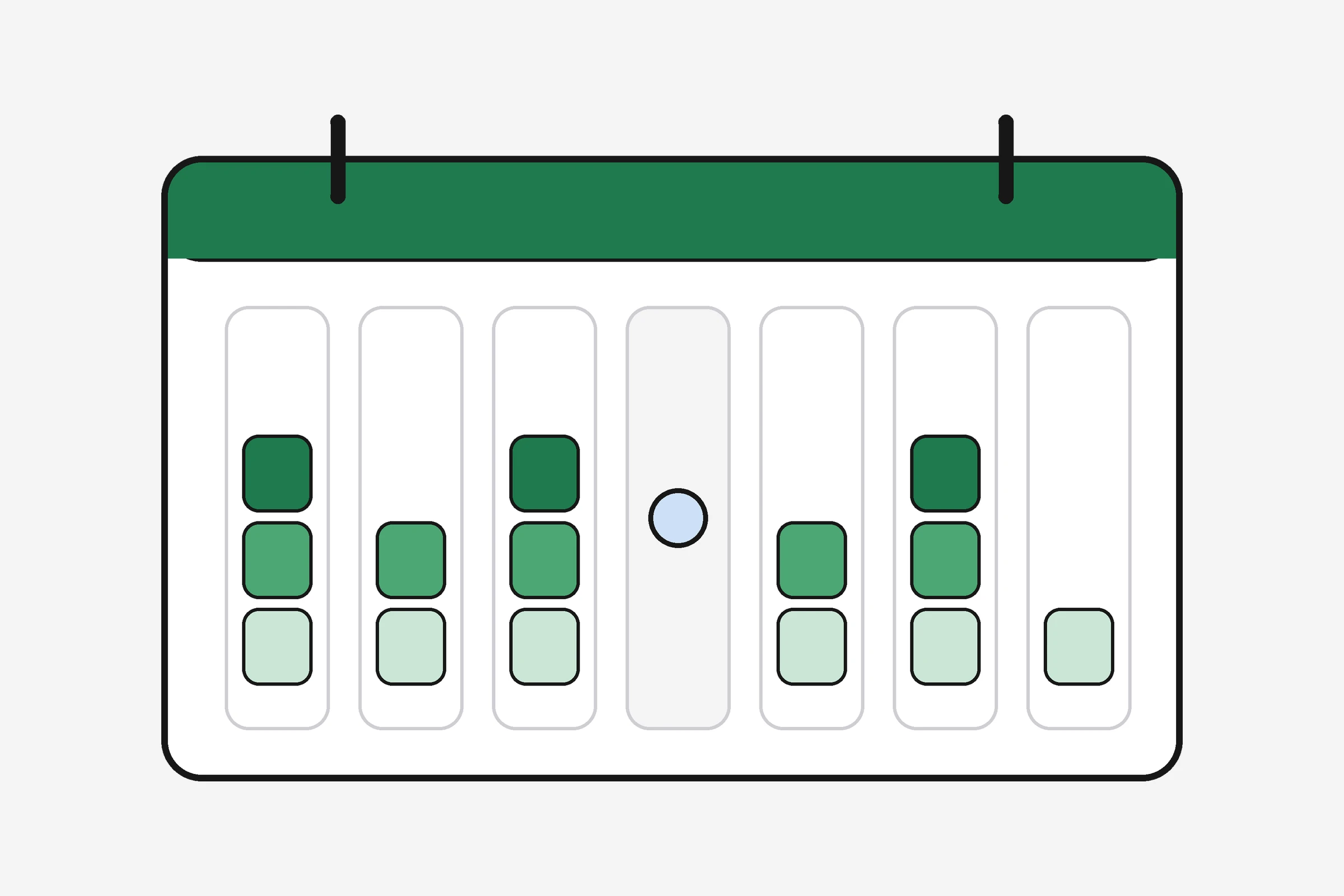
What does burnout mean for someone who exercises?
Burnout in occupational health means chronic workplace stress with exhaustion, mental distance from work and reduced efficacy. It is a clinical construct assessed by qualified professionals, not a label a fitness app should assign you from a tired Tuesday.
For training, the useful overlap is persistent under-recovery: you keep showing up, but sleep does not repair, easy runs feel heavy, irritability rises and motivation drops. The 2013 joint consensus statement from the European College of Sport Science and the American College of Sports Medicine on the overtraining syndrome stressed that diagnosis is hard and requires ruling out medical causes; the symptom list includes heavy fatigue, sleep disturbance, mood disturbance and performance decline. That is different from a single bad week after travel or a deadline.
Exercise can still help mood on average — meta-analytic work in non-clinical adults finds medium benefits for depressive symptoms and smaller ones for anxiety — but more training is not always the fix when the problem is overload. Sometimes the best session is a 30-minute walk and an earlier bedtime.
How do you tell gym fatigue from life fatigue?
Split the load mentally into training stress (volume, intensity, new exercises) and life stress (work hours, caring responsibilities, grief, poor sleep, worry). Both hit the same recovery systems.
A 2016 systematic review in the British Journal of Sports Medicine by Saw and colleagues compared monitoring tools across 56 studies. Subjective self-reported measures tracked acute and chronic training load with better sensitivity and consistency than many objective measures. In plain terms: your honest mood, energy and soreness ratings often move before resting heart rate or lab tests do — which is why the mood and energy logging guide puts them beside sleep.
| Log field | Training-heavy week | Life-heavy week |
|---|---|---|
| Mood / energy | Dip after new block or race prep | Low even on rest days |
| Sleep | Short but you feel wired post-late session | Short with racing thoughts |
| Session RPE | High at familiar loads | High even on easy day |
| Soreness | Localised, matches what you trained | General heaviness |
If only training variables spiked, ease the programme. If life variables dominate, protect sleep and shrink intensity before you add sets.
What are warning signs you need a deload?
Use trends over 7 to 14 days, not one morning.
Training signs
- Weights or paces that used to be routine now feel stuck or worse
- Resting heart rate several beats above your usual baseline for a week
- Nagging aches in tendons or joints that do not settle between sessions
- Needing longer warm-ups to feel ready
Mind and recovery signs
- Irritability with partners or colleagues
- Loss of enjoyment in a sport you usually like
- Procrastinating sessions you used to welcome
- Sleep debt that weekend lie-ins never clear
When to treat it as medical, not athletic
- Low mood or hopelessness most days for more than two weeks
- Panic, intrusive thoughts or rising substance use
- Chest pain, fainting or unexplained dizziness with exertion
Mood tracking in revns sits in the mind pillar of the day score; it does not diagnose burnout. It helps you see patterns so you can deload or seek care earlier.
What should a deload week look like?
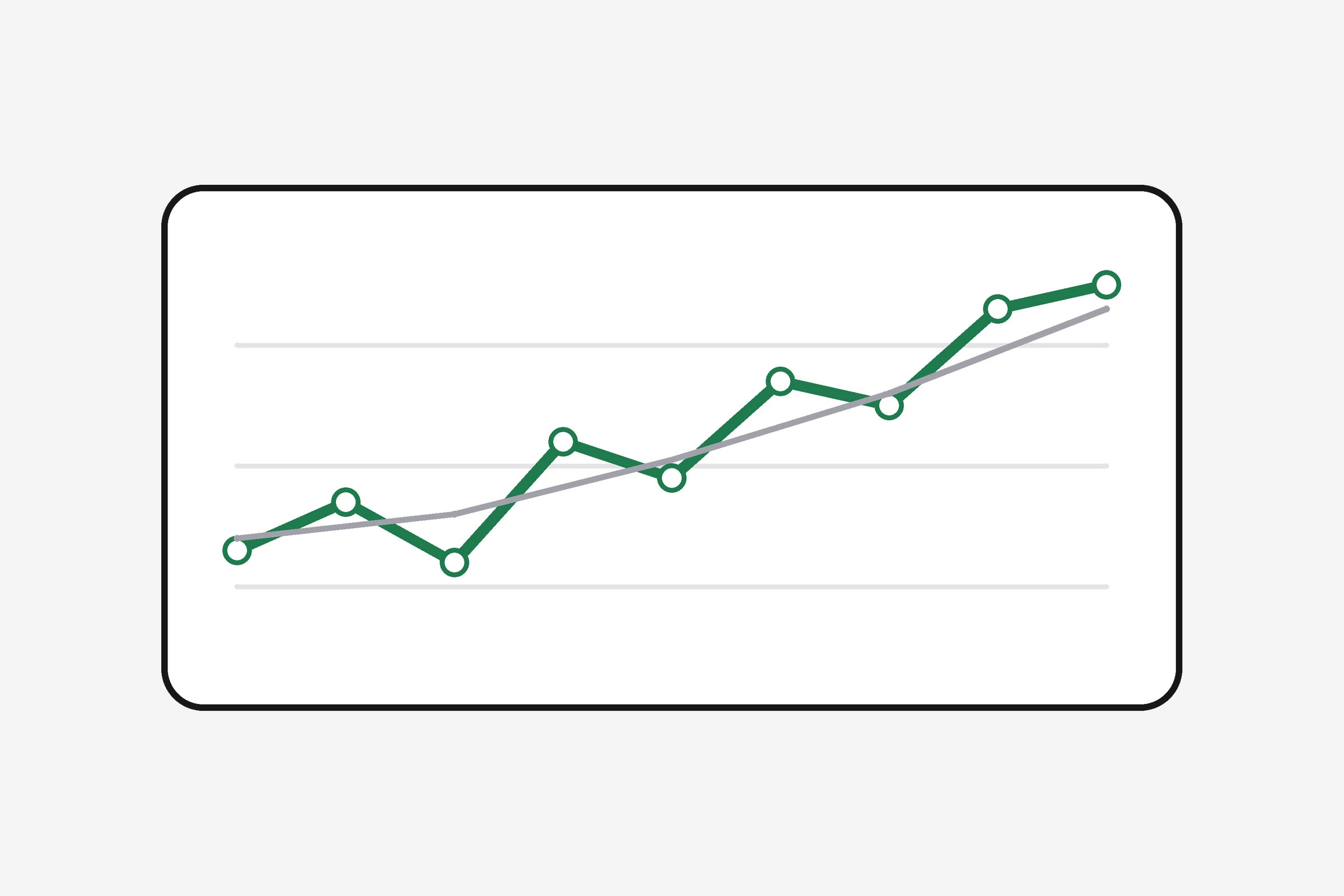
A deload keeps the habit loop but drops stress. Common prescriptions in sports science reviews land near 40 to 60 percent of usual volume, with intensity capped (no grinding last reps, no race-pace intervals).
Strength example (3 days a week)
- Keep the same exercises for skill
- Cut sets by half (for example 3×10 becomes 2×6 at the same load, or 3×10 at 70% load)
- Stop every set with 3–4 reps in reserve; skip testing maxes
Running or cycling example
- Replace one hard session with easy aerobic work in zone 2
- Shorten the long run by 25–40%
- Add an extra rest day or a 30-minute walk
Any discipline
- Swap one gym day for yoga or mobility if you like it
- Keep protein and vegetarian, vegan, Jain, eggetarian or non-vegetarian meals regular; undereating stacks onto fatigue
- Use the sleep calculator to set a realistic bed window and treat it like a training appointment
Device recovery scores (discussed in the Whoop vs Oura guide) can nudge you, but wearable sync from Apple Health, Strava or Garmin is on the revns roadmap, not live. Your 1–5 wellness row still drives the decision.
The built-in AI fitness coach rebuilds the week from your history: it already avoids three hard days in a row and can set a moderate day when sleep sits under your floor. Tell a connected assistant through MCP that you are deloading and it can rewrite sessions without inventing features the product does not have.
How hard should you train when work stress is high but races are not?
Use a traffic-light week:
| Green | Amber | Red |
|---|---|---|
| Normal sleep, normal mood | One of: bad sleep, low energy, big deadline | Two or more reds, or illness |
- Green: follow the plan
- Amber: keep movement, cut intensity on the next hard day (easy run instead of intervals; technique weights instead of heavy triples)
- Red: deload template above for 5–7 days; no testing
This is not weakness. The International Olympic Committee’s 2016 load-management consensus in the British Journal of Sports Medicine emphasises that acute workload spikes raise injury risk, especially when chronic load was low — the classic “too much too soon” pattern after a quiet month plus a stressful launch week at work.
What should you do this week?
- Start a two-week log of mood, energy, sleep and session effort using the same scale every day.
- Mark your current weekly training volume (sessions, approximate sets or kilometres).
- If three or more wellness scores stay at or below your usual, plan the next 7 days at half the sets or kilometres.
- Schedule one non-negotiable rest block — eight hours in bed counts even if you are not asleep the whole time.
- Review on day 14. If wellness trends up while load is down, add volume back slowly (roughly 10 percent per week). If scores stay low through an easy week, book a clinical conversation.
When should you see a professional?
See a qualified clinician promptly if you notice:
- Low mood, loss of interest or hopelessness most days for more than two weeks
- Anxiety that stops you working, training or sleeping
- Panic attacks, obsessive thoughts or substance use that is increasing
- Sleep that stays broken despite a stable schedule and lighter training
- Any thought of self-harm or suicide
If you feel unsafe or might harm yourself, contact your local emergency number or crisis line now. In the US you can call or text 988 for the Suicide and Crisis Lifeline. In the UK and Ireland, Samaritans are on 116 123. In India, KIRAN is on 1800-599-0019. Find your country’s line at findahelpline.com.
Physical red flags: chest pain with exertion, fainting, unexplained weight loss, or pain that worsens despite rest. Those need medical assessment, not another deload.
This guide sits in the everyday mental health beat: stress, sleep, mood and habits that help adults who train. It is not a substitute for therapy, medication decisions or crisis care.
Related
- How to track mood and energy next to training
- What is HRV? Heart rate variability explained
- Sleep debt: can you catch up on weekends?
- Strength training for beginners
- AI fitness coach and week planner
- Heart rate zone calculator
This is general training guidance, not medical advice.
Sources
- Meeusen R et al. Prevention, diagnosis and treatment of the overtraining syndrome: joint consensus statement of the ECSS and ACSM. Eur J Sport Sci 2013
- Saw AE, Main LC, Gastin PB. Monitoring the athlete training response: subjective self-reported measures trump commonly used objective measures: a systematic review. Br J Sports Med 2016
- Soligard T et al. How much is too much? (Part 1) International Olympic Committee consensus statement on load in sport and risk of injury. Br J Sports Med 2016
- Halson SL. Monitoring training load to understand fatigue in athletes. Sports Med 2014
- Rebar AL et al. A meta-meta-analysis of the effect of physical activity on depression and anxiety in non-clinical adult populations. Health Psychol Rev 2015
Terms in this post
revns publishes training and nutrition guidance, not medical advice. See a clinician for symptoms, injury or a medical condition. Accurate as of November 12, 2026.