How to track mood and energy next to training
A simple mood and energy log beside sleep and workouts helps you spot overload. Here is what to rate, how often, and when to ease off.
revns editorial · Published November 12, 2026 · 8 min read
Track mood and energy on a 1–5 scale beside sleep and training. A 2016 BJSM review found subjective wellness tracks load better than many objective markers.
The useful move is to log mood and energy on a simple scale, on the same days you log sleep and training, and read the pattern over two weeks. Sports science reviews find that these subjective wellness measures often pick up rising training load earlier than resting heart rate or lab tests alone. For people who train, the payoff is practical: you see when life stress and gym stress are stacking, and you can deload or protect sleep before performance cracks.
TL;DR
| Piece | What to do |
|---|---|
| Scale | Mood 1–5 and energy 1–5, same anchors daily |
| When | Once a day (morning or evening), same time when you can |
| Context | Log sleep hours and whether you trained hard that day |
| Read it | Two-week average and direction, not one red number |
| Action | Several low days plus poor sleep → easier sessions, not quit moving |
| Limits | Not diagnosis, not treatment; crisis help if you feel unsafe |
Why log mood next to workouts at all?
Training is a stress you choose. Work deadlines, poor sleep, caring for family and worry are stresses you often do not. All of them load the same nervous system.
A 2016 systematic review in the British Journal of Sports Medicine by Saw and colleagues compared subjective and objective athlete-monitoring measures across 56 studies. Subjective self-reported measures tracked acute and chronic training load with better sensitivity and consistency than many objective measures. Subjective well-being typically dipped when training load jumped, and improved when load eased. Objective markers often did not move in step, or correlated weakly with how athletes felt.
That does not mean HRV or resting heart rate are useless. They add context, as the HRV guide explains. It means your honest 1 to 5 answers deserve a column on the same spreadsheet or app screen as your sessions.
Population studies also link habitual movement with better mental health on average, but those findings are about groups, not a promise for your Tuesday. A meta-analysis of eight prior meta-analyses by Rebar and colleagues, pooling randomised trials in non-clinical adult populations, estimated that physical activity reduced depressive symptoms with a medium effect size (standardised mean difference about −0.50, 95% confidence interval −0.93 to −0.06) and anxiety with a smaller effect (SMD about −0.38, 95% CI −0.66 to −0.11). Exercise can help mood for many people; it does not replace professional care when symptoms are severe or persistent.
The WHO guidelines on physical activity and sedentary behaviour recommend regular activity for adults partly because it supports mental health and well-being, alongside cardiovascular and metabolic benefits. Logging lets you see whether your training week matches that idea without guessing.
What should a mood and energy log include?
Keep the first version small. Every field you add is a field you might stop filling in.
Core (start here)
- Mood (1–5). Overall emotional tone: irritable, flat, calm or upbeat. Not clinical diagnosis, just how the day felt in your body and head.
- Energy (1–5). Physical and mental drive: heavy legs, foggy focus, or ready to move.
- Sleep (hours or quality). Tie mood to the night before using the sleep guide ranges as a reference, not a grade.
- Training note. Hard session, easy session, rest or off day. One word is fine.
Optional adds after two weeks
- Muscle soreness (1–5) or RPE for the main session.
- Stress (1–5) separate from mood if work is loud but you still feel cheerful.
- Alcohol or caffeine if they reliably wreck your sleep and next-day energy.
- Recovery rating (1–5) on the same scale as sleep and recovery tracking uses.
Write anchors once in a note so week three still means the same as week one:
| Score | Mood anchor (example) | Energy anchor (example) |
|---|---|---|
| 1 | Low, tearful or very irritable | Exhausted, can barely focus |
| 2 | Below usual, pessimistic | Sluggish, avoiding effort |
| 3 | Your normal | Normal for you |
| 4 | Good, engaged | Plenty of drive |
| 5 | Great, grateful or calm | Wired in a good way |
When in the day should you log?
Morning logging (before training) answers: "What kind of day am I working with?" Pair it with sleep hours. If mood and energy are both 2 after a 5-hour night, that is a signal to keep the planned session moderate, even if the calendar says intervals.
Evening logging answers: "How did the day land?" It captures work stress that built after breakfast. It is better for people whose mood crashes late.
Pick one primary time and stick to it. A second optional check is fine during travel or deadline weeks.
In revns, anything you can count, tick or rate can be a metric. Mood and energy fit the mind pillar of the day score alongside train, move, sleep, recover and fuel. You set targets and weights; the app does not interpret your mood as a mental health diagnosis. The built-in AI fitness coach reads your history for briefs and week plans; sleep shortfalls already nudge today toward moderate effort, while subjective mood is mainly for you and any coach you connect. Device sync from wearables is on the roadmap, not live, so these ratings are entered by you or your assistant through MCP with your permission.
How do you read mood and energy beside training load?
Think in layers, same as recovery scores in the Whoop vs Oura guide:
- One day is noise. A bad mood after one night out or one heavy deadlift day is normal.
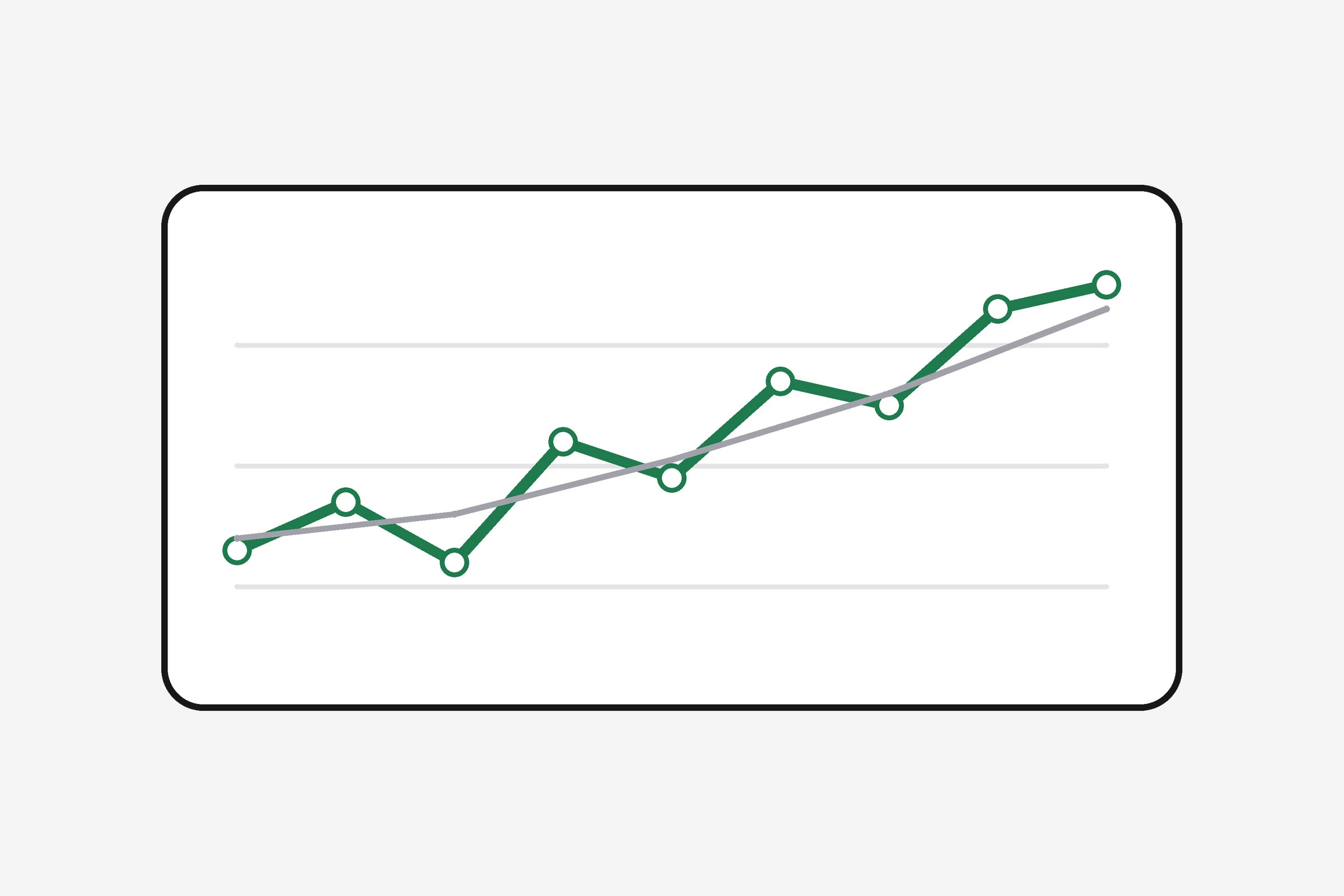
- Seven-day average shows direction. Three or more days of mood ≤2 with energy ≤2 matters more than a single 1.
- Context lines up. Low mood plus short sleep plus rising RPE across the week is a stronger overload signal than mood alone.
- Compare similar weeks. A deload week should show mood and energy drift up if load was the main driver. If scores stay low through easy weeks, look at non-training stressors and consider clinical support.
Saw and colleagues emphasised that subjective well-being improved with an acute decrease in training load. That is your permission to take a lighter week without calling yourself weak.
| Pattern | Likely meaning | Training tweak |
|---|---|---|
| Mood and energy fine, sleep short one night | Acute sleep debt | Moderate session; protect tonight's sleep |
| Mood ↓ 3+ days, training volume ↑ | Combined load | Cut volume 30–40% for 5–7 days |
| Energy low, mood OK | Physical fatigue | Swap intensity for easy zone 2 |
| Mood low, energy OK | Stress, worry, life | Keep easy movement; drop ego lifts |
| Low scores through a deload | Not just training load | See professional guidance below |
Association is not causation. A log cannot prove that work caused low mood. It only shows what happened together, which is enough to adjust this week's plan.
What should you do this week?
If you do not log mood yet
- Add mood and energy as 1–5 metrics, or use paper with the four core fields for 14 days.
- Log at the same time daily, before you scroll news or messages if you can.
- At day 14, colour-code days you trained hard. Look for clusters of 1s and 2s.
If you already train and track sleep
- Put mood and energy on the same screen as sleep hours and session notes.
- When the 7-day average for mood or energy drops 0.5 points or more below your first two weeks, schedule two easy days (walking, yoga, technique work).
- Keep protein and vegetables steady; the protein guide matters for recovery when you are tired.
- Tell a connected AI coach the pattern; it can suggest a lighter week plan using the same data you see.
Diet-inclusive note: food affects energy without moral judgement. Vegetarian, vegan, eggetarian, Jain and non-vegetarian meals all work if protein and fibre are adequate. Use simple meal tracking if skipping meals tracks with afternoon energy crashes.
How is this different from a clinical mood tracker?
Clinical tools (for example PHQ-9 or GAD-7) are validated in healthcare settings. A fitness wellness log is coarser and meant for training decisions, not diagnosis.
- You are not scoring symptoms for a clinician unless they asked you to.
- A fitness app must not claim to treat depression, anxiety or any disorder.
- If your log shows persistent low mood, loss of interest, panic or sleep that never repairs, that is a cue for professional help, not another deload.
This guide sits in the everyday mental health beat: stress, sleep, mood and habits that help adults who train. It is not a substitute for therapy, medication decisions or crisis care.
When should you see a professional?
See a qualified clinician promptly if you notice:
- Low mood, loss of interest or hopelessness most days for more than two weeks
- Anxiety that stops you working, training or sleeping
- Panic attacks, obsessive thoughts or substance use that is increasing
- Sleep that stays broken despite a stable schedule and lighter training
- Any thought of self-harm or suicide
If you feel unsafe or might harm yourself, contact your local emergency number or crisis line now. In the US you can call or text 988 for the Suicide and Crisis Lifeline. In the UK and Ireland, Samaritans are on 116 123. In India, KIRAN is on 1800-599-0019. Find your country’s line at findahelpline.com.
Red flags that are physical, not only mood: chest pain with exertion, fainting, unexplained weight loss or injury pain that worsens despite rest. Those need medical assessment too.
Related
- What is HRV? Heart rate variability explained
- Sleep debt: can you catch up on weekends?
- Whoop vs Oura vs a free tracker: what recovery scores measure
- AI fitness coach and week planner
- Sleep calculator
This is general training guidance, not medical advice.
Sources
- Saw AE, Main LC, Gastin PB. Monitoring the athlete training response: subjective self-reported measures trump commonly used objective measures: a systematic review. Br J Sports Med 2016
- Rebar AL et al. A meta-meta-analysis of the effect of physical activity on depression and anxiety in non-clinical adult populations. Health Psychol Rev 2015
- World Health Organization. WHO guidelines on physical activity and sedentary behaviour. 2020
- Ashdown-Franks G et al. Exercise as Medicine for Mental and Substance Use Disorders: A Meta-review of the Benefits for Neuropsychiatric and Cognitive Outcomes. Sports Med 2020
Terms in this post
revns publishes training and nutrition guidance, not medical advice. See a clinician for symptoms, injury or a medical condition. Accurate as of November 12, 2026.