Sleep and recovery tracking that changes tomorrow's plan
Sleep is scored against your own range (7 to 9 hours by default): too little and too much both cost points. Recovery, resting heart rate and HRV are logged alongside. The planner uses the last three nights: if you are short, today is moderate and the brief says so.
How it works
- 1
Set your range
Seven to nine hours by default; change it to suit you.
- 2
Log in the morning
Hours slept and a 1–5 recovery rating, plus resting heart rate and HRV if you have them.
- 3
The plan reacts
Short sleep makes today moderate and the brief says so.
- 4
Read the trend
Seven-day averages next to training load and day scores.
Sleep was 6.1 h, under your 7 h floor. Keep today moderate: easy run instead of intervals.
7-day sleep average 6.8 h · resting heart rate 58 bpm (+4 vs your usual) · HRV 51 ms
In range, not more is better
Seven to nine hours scores full marks; under the floor drops quickly, and very long nights taper gently.
Recovery signals
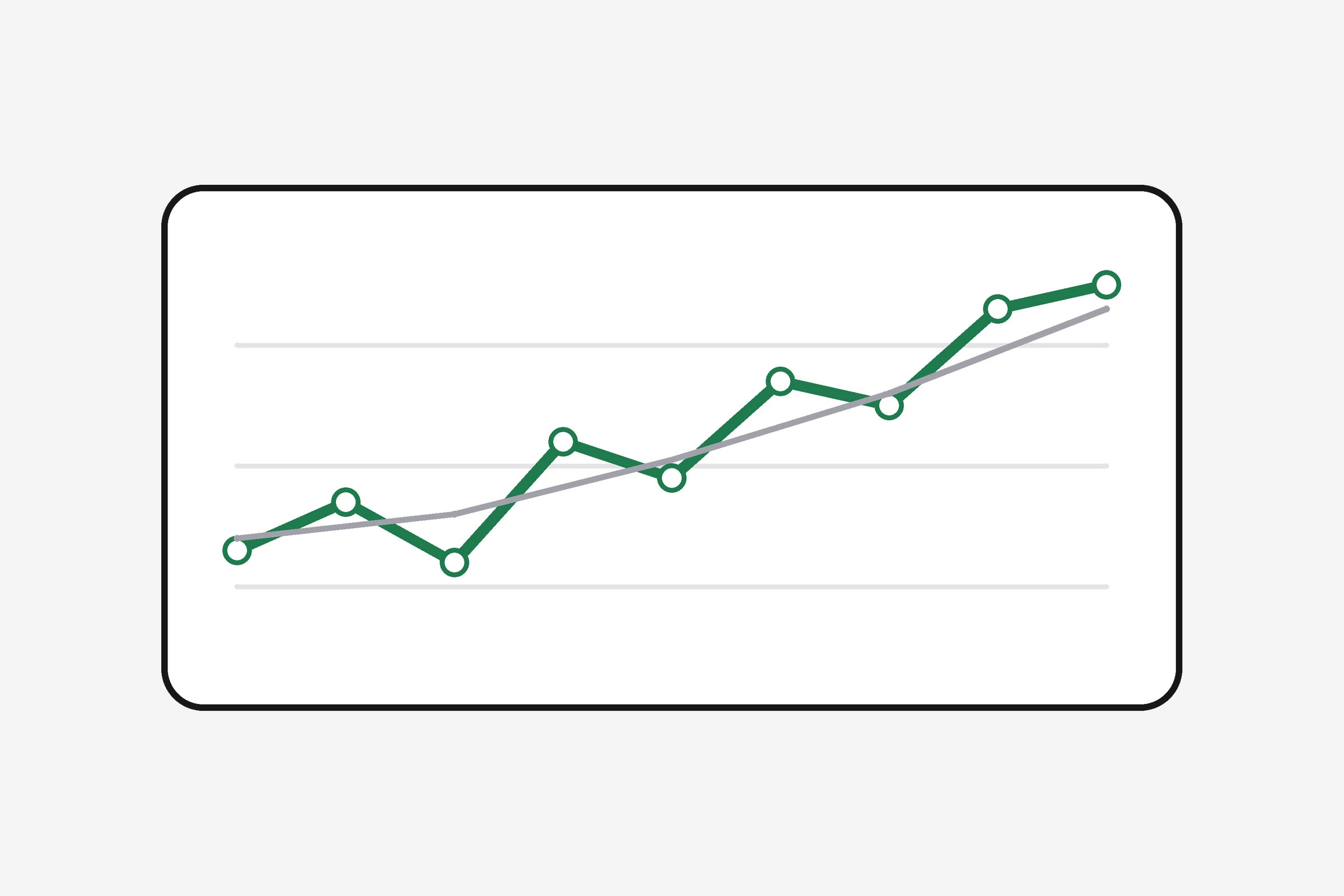
A 1 to 5 recovery check, resting heart rate and HRV are tracked and charted with a seven-day average.
Who uses it
"Short nights mean moderate days, automatically. I stopped feeling guilty about skipped intervals."
"I log sleep whenever it happens and the plan works around it."
"Resting heart rate up four beats plus short sleep: the plan eased off before I got sick."
Illustrative examples of how people use the feature.
Questions
Does it read my watch's sleep data?
Not yet: log it in a tap or by line, or import a spreadsheet. Device sync is on the roadmap.
Why does long sleep lose points?
Regularly sleeping well past nine hours can be a sign of being run down, so the score tapers gently above your range.
What counts as a short night?
Under the low end of your range. The default is 7 hours.
Does it diagnose sleep problems?
No. If you snore with pauses in breathing, or are very sleepy in the day, talk to a clinician.
Guides
Free calculators
Your first brief is one entry away
Pick an objective, tell it how you eat, log one thing.