Walking after eating: does a 10-minute walk help blood sugar?
Is walking after eating good for you? What trials show about 10-minute walks and blood sugar, how soon to start, how long to walk and who should check first.
revns editorial · Published November 19, 2026 · 8 min read

A 10-minute easy walk after meals lowered post-meal blood sugar in trials, mostly short ones. Here is the evidence, how to use it, and who should check with a clinician first.
Is walking after eating good for you? For most healthy adults, a short, easy walk after a meal is a safe habit, and trials show it lowers the rise in blood sugar that follows a meal. The strongest evidence is for walking breaks of light intensity, and the best-known trial used 10 minutes after each main meal in adults with type 2 diabetes. The studies are short, so this is a useful habit rather than a cure for anything.
TL;DR
| Question | Short answer |
|---|---|
| Does it work? | Light walking breaks lowered post-meal blood sugar and insulin in short trials |
| How long? | 5 to 15 minutes; 10 minutes is the tested amount |
| When? | Soon after the meal, within about 30 minutes; wait if you get stitch or reflux |
| How hard? | Easy: you can talk in full sentences |
| Does it replace exercise? | No. It adds to your weekly 150 minutes, it does not replace it |
| Who should check first? | People who use glucose-lowering medicines, are pregnant, or have heart symptoms |
What does a walk after a meal do to your blood sugar?
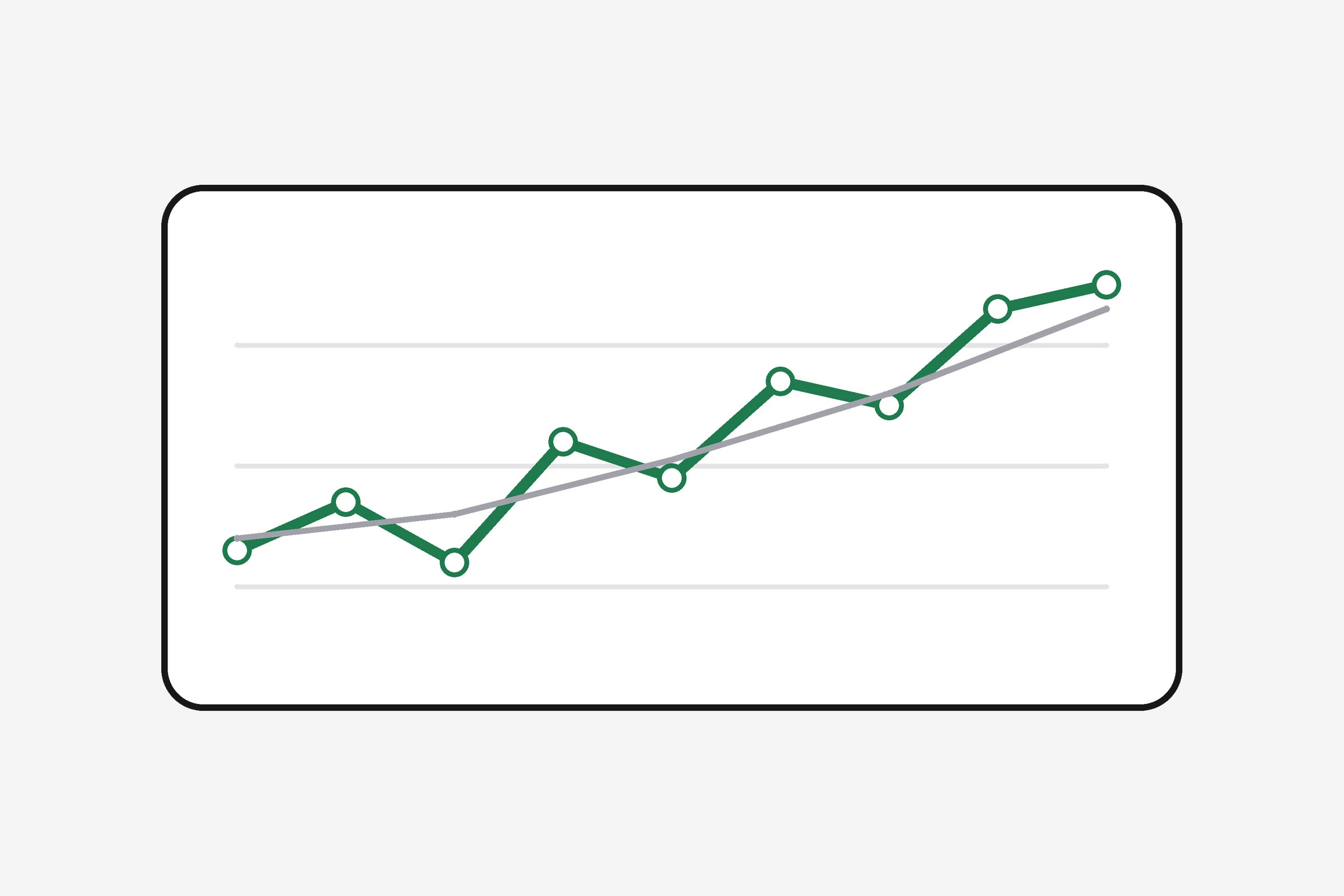
When you eat carbohydrate, your blood sugar rises, and then it falls as the body moves the sugar into cells. The level in the hours after eating is called postprandial glucose. Working muscle can take up sugar from the blood with less insulin than muscle at rest needs. That is the reason researchers study light activity after meals: moving the legs gives the sugar somewhere to go.
Two pieces of evidence matter most. Both are about short-term blood sugar readings, not about long-term health outcomes such as heart disease or diabetes risk. That limit is important and we return to it below.
What did the best trial find?
In 2016, Reynolds and colleagues at the University of Otago published a randomised crossover study in Diabetologia. It included 41 adults with type 2 diabetes (average age 60, average diabetes duration 10 years). Each person tried two sets of advice for two weeks each: walk 30 minutes once a day, or walk 10 minutes after each main meal. Both plans met current physical activity guidelines. Glucose was measured every 5 minutes with a continuous glucose monitor for 7 days.
The result: blood sugar in the 3 hours after a meal was lower with the after-meal walks. The ratio of geometric means for the area under the glucose curve was 0.88 (95% CI 0.78 to 0.99), about 12% lower. After the evening meal, which had the most carbohydrate and the most sitting, the ratio was 0.78 (95% CI 0.67 to 0.91), about 22% lower. The authors suggested that guidelines should name post-meal activity, particularly after meals with a lot of carbohydrate.
What the study cannot show: it ran for two weeks per arm, it covered only people who already had type 2 diabetes, and it measured blood sugar, not complications. One participant died during the washout period; the authors judged that participation did not contribute to it. It tells you the timing of a walk can matter. It does not tell you what happens in healthy adults over years.
What does the meta-analysis add?
In 2022, Buffey and colleagues published a systematic review and meta-analysis in Sports Medicine. It pooled seven single-day randomised crossover trials in adults, mostly people who were overweight or had obesity. Each trial compared prolonged sitting with sitting broken up by frequent short bouts of standing or light walking.
- Light walking breaks lowered post-meal glucose (effect size -0.72, 95% CI -1.03 to -0.41) and insulin (-0.83, 95% CI -1.18 to -0.48) compared with sitting on.
- Standing breaks lowered glucose a little (-0.31, 95% CI -0.60 to -0.03) with no clear effect on insulin.
- Walking beat standing: glucose -0.30 (95% CI -0.52 to -0.08) and insulin -0.54 (95% CI -0.75 to -0.33).
- Neither standing nor walking changed systolic blood pressure in the pooled data.
These are standardised effect sizes (Cohen's d), so they say that the effect was clear, not how many mmol/L the sugar moved. The authors also said that the effect in everyday life, over months, still needs to be tested. All trials lasted one day.
Is walking after eating good for weight loss?
We found no trial showing that a 10-minute walk after meals causes weight loss on its own. A short walk uses a small amount of energy. Its main value is that it adds to your weekly total of movement and may smooth the blood sugar curve. If you want to lose weight, the size of your food intake and your overall activity matter far more. The calorie deficit guide and the TDEE calculator show how to set a realistic target.
How long should you walk, and how soon after eating?
The research gives a range, not a rule. Use these as starting points.
| Option | What to do | Good for |
|---|---|---|
| Minimum | 5 minutes of easy walking within 30 minutes of the meal | A busy day, an office lunch |
| Tested amount | 10 minutes at an easy pace after each main meal | Most adults |
| Bigger meal | 15 minutes, or a second short walk 1 hour later | After a high-carbohydrate dinner |
| Gentle start | Wait 15 to 20 minutes, then walk 10 minutes | Reflux, stitch or a large meal |
The pace should be easy: you can speak in full sentences, with no heavy breathing. A brisk or hard session right after a big meal is a different thing. It is more likely to bring on stitch, nausea or reflux. If you plan a hard session, the pre- and post-workout meal guide covers timing.
Does it count toward your weekly exercise?
Yes. The WHO 2020 guidelines (Bull and colleagues, British Journal of Sports Medicine) say adults should do 150 to 300 minutes of moderate activity a week, or 75 to 150 minutes of vigorous activity, plus muscle-strengthening on two or more days. They also say that all activity counts and that any activity is better than none. Three 10-minute walks a day add up to 30 minutes a day, but only the faster ones reach moderate intensity. An easy stroll counts as light activity, which still matters for breaking up sitting. Our guide on how much exercise per week shows how the weekly totals work, and the steps per day guide shows what a day of walking looks like in steps.
Is walking after eating good for digestion?
An easy walk is usually comfortable and many people say it settles a full stomach. We did not find a trial strong enough to quote numbers on digestion, so we do not make claims about it. What we can say: gentle walking is unlikely to harm digestion, while hard exercise right after a big meal can cause stitch, nausea or reflux. If you often get bloating, see the guide on bloating after meals, and if you have constipation, the guide to exercise for constipation covers movement that helps.
Who should be careful?
For most healthy adults, a short easy walk carries very little risk. Take extra care, and talk to a clinician or pharmacist first, if any of these apply:
- You take insulin or other medicines that lower blood sugar. Extra activity can lower your sugar further, so ask your care team how to plan walks and what to carry.
- You are pregnant. Gentle walking is usually encouraged; see the pregnancy exercise guide and follow your midwife's advice.
- You have chest pain, breathlessness or palpitations on effort. Get these checked before you start a routine.
- You have an eating disorder or a history of one. Walking to "burn off" a meal can feed a harmful pattern. Speak to a clinician if this describes you.
Home glucose monitors and wearables can show a curve, but they do not diagnose anything, and a single reading is not a test result. Do not change medicines because of a walking experiment.
What should you do this week?
If you sit most of the day
- Pick the biggest meal of the day, often dinner, and walk for 10 minutes after it, at an easy pace.
- Do this on four evenings this week. Leave your phone in your pocket.
- If you sit at work, stand or walk for two to five minutes every 30 minutes. The meta-analysis tested frequent short breaks, not one long one.
If you already train
- Keep your planned sessions. Add a 10-minute easy walk after one or two meals as active recovery on a rest day; the rest days guide explains what counts as easy.
- After a hard session, eat first and walk later if your stomach feels full.
- Use your usual tracker or the revns multi-sport tracker to log walks next to sessions, so your weekly total is honest.
Food examples that fit any diet
A walk works after any meal: dal, rice and vegetables; a tofu stir-fry; paneer or egg wraps; or fish or chicken with potatoes. The walk does not depend on the diet. A meal with more fibre, protein and vegetables also tends to raise blood sugar more slowly, so food and walking work on the same curve. The fibre guide shows how to raise fibre without bloating.
When should you see a professional?
See a doctor or another qualified clinician if you notice:
- Chest pain, fainting, a racing or irregular heartbeat, or severe breathlessness when you walk. Stop and get assessed.
- Severe or worsening stomach pain, especially low on the right side, or with fever, vomiting or a swollen belly.
- Constant thirst, frequent urination, unusual tiredness or blurred vision. These can be signs of high blood sugar and need testing, not a walking plan.
- Dizziness, sweating, shakiness or confusion when you are on glucose-lowering medicine. These can be signs of low blood sugar and need prompt action as your care team has advised.
- Reflux that keeps returning, trouble swallowing, black stools or unplanned weight loss.
If you feel unsafe or might harm yourself, contact your local emergency number or a crisis line now.
Is it just a trend?
Parts of it are sound and parts are hype. The sound part is that small, frequent movement breaks lower the rise in blood sugar after a meal, and that evidence comes from randomised trials. The hype is the claim that a walk "burns off" a meal, cancels a big dinner or replaces training. The trials measured short-term sugar and insulin. They did not follow people for years. So use the walk as one small habit among several, next to sleep, food quality and regular training.
Related
- How many steps per day do you need?
- Walking and mental health: how many steps help mood
- How much exercise per week: WHO guidelines by age
- What to eat before and after a workout
- Rest days: how many you need and what to do on them
This is general training guidance, not medical advice.
Sources
- Reynolds AN, Mann JI, Williams S, Venn BJ. Advice to walk after meals is more effective for lowering postprandial glycaemia in type 2 diabetes mellitus than advice that does not specify timing: a randomised crossover study. Diabetologia 2016
- Buffey AJ, Herring MP, Langley CK, Donnelly AE, Carson BP. The acute effects of interrupting prolonged sitting time in adults with standing and light-intensity walking on biomarkers of cardiometabolic health: a systematic review and meta-analysis. Sports Med 2022
- Bull FC et al. World Health Organization 2020 guidelines on physical activity and sedentary behaviour. Br J Sports Med 2020
Terms in this post
revns publishes training and nutrition guidance, not medical advice. See a clinician for symptoms, injury or a medical condition. Accurate as of November 19, 2026.