10 safe exercises during pregnancy: what the guidelines support
Ten safe exercises during pregnancy, from walking to pelvic floor work, with what the NHS, CDC and Canadian guideline say, what to skip and when to stop.
revns editorial · Published November 19, 2026 · 9 min read
Ten low-risk exercises for a healthy pregnancy, with weekly targets from the NHS, CDC and Canadian guideline, what to avoid and when to stop.
The safe exercises during pregnancy are the ones that raise your heart rate a little without risking falls, knocks to the tummy or overheating: brisk walking, swimming or water aerobics, stationary cycling, gentle yoga, pelvic floor work and light strength moves. This list gives ten of them. For most healthy pregnancies the NHS and CDC both set a target of 150 minutes of moderate activity a week, and the NHS adds two muscle-strengthening sessions.
This is general training guidance, not medical advice. Some conditions mean you should not exercise, and only your midwife or obstetric team knows whether any apply to you. If you have bleeding, pain, fluid leaking or a change in your baby's movements, contact your maternity unit or doctor now instead of reading on. The full guideline picture is in our exercise in pregnancy and postpartum guide.
TL;DR
| # | Exercise | Type | A sensible starting point |
|---|---|---|---|
| 1 | Brisk walking | Aerobic | 10 minutes a day, building toward 30 minutes on 5 days (NHS, CDC) |
| 2 | Swimming or water aerobics | Aerobic | 15 to 20 minutes, easy pace; water eases pressure on muscles and joints (NHS) |
| 3 | Stationary cycling | Aerobic | 15 to 20 minutes at a talking pace |
| 4 | Prenatal yoga (cat-cow, wide-knee child's pose) | Mobility | 10 minutes, slow, no deep twists or hot rooms |
| 5 | Pelvic floor exercises | Strength | A few short sets daily, learned from a physiotherapist or midwife |
| 6 | Bird dog | Strength | 2 sets of 6 each side, slow |
| 7 | Squat to a chair | Strength | 2 sets of 8 to 10 |
| 8 | Wall push-up | Strength | 2 sets of 10 |
| 9 | Side-lying clamshell | Strength | 2 sets of 10 each side |
| 10 | Seated band row | Strength | 2 sets of 10 to 12 |
The sets and reps for the strength moves are starting points we chose, not numbers from a guideline. The sources used here give no prescription for them, so treat them as a place to begin and adjust with your provider.
How much exercise is enough in pregnancy?
The NHS says to aim for 150 minutes (two and a half hours) of moderate-intensity activity a week, and says this can be split into shorter sessions. The CDC gives the same total, for example 30 minutes on 5 days, and says any moderate or vigorous aerobic activity counts. The 2019 Canadian guideline (Mottola and colleagues, British Journal of Sports Medicine) recommends at least 150 minutes a week over at least three days, mixing aerobic and resistance work.
If you were not active before pregnancy, the NHS suggests starting with about 10 minutes a day and building up. If you cannot reach 150 minutes, the NHS says any activity is better than none.
Moderate intensity means you can talk but not sing (NHS). That talk test is simpler and more reliable than a heart rate number, because heart rate changes during pregnancy.
Which exercises are safe during pregnancy?
Exercise 1: Brisk walking
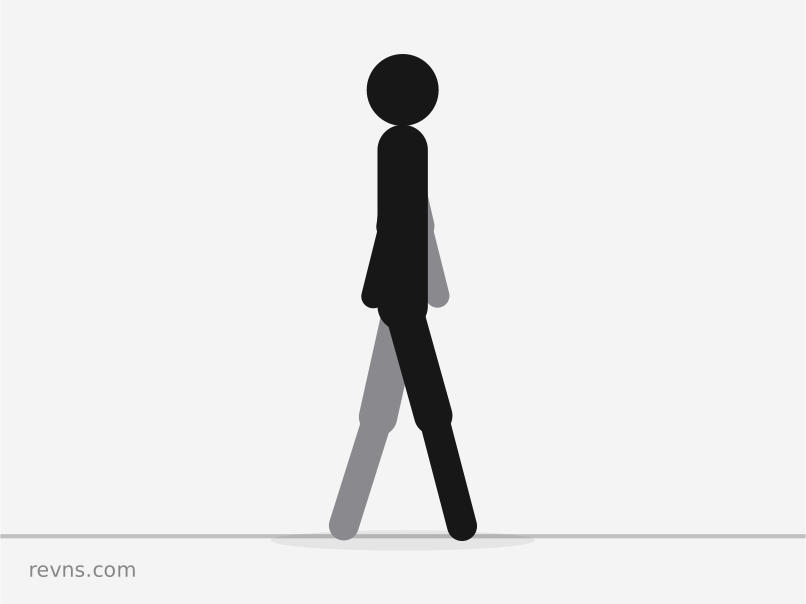
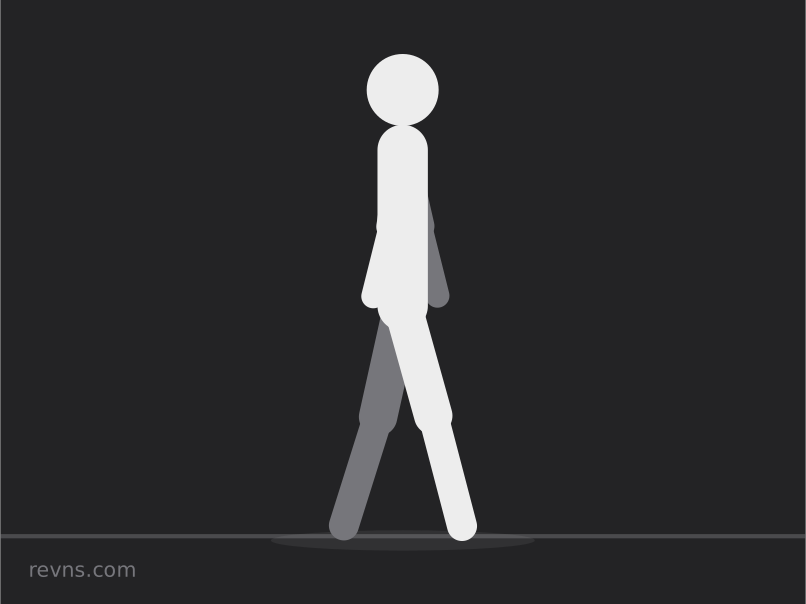
Walking is the easiest place to start and needs no kit. The CDC lists brisk walking as a safe activity for generally healthy pregnant people, and the NHS says that later in pregnancy brisk walking can replace running. Wear supportive shoes, pick flat ground to lower the chance of a trip, and keep a pace where you can still talk.
- Warm up with two or three minutes at an easy pace.
- Walk briskly for 10 minutes, or longer if you feel good.
- Finish with an easy minute, then drink some water.
Do: 10 minutes a day at first, building toward 30 minutes on 5 days. Move on when: the current length feels easy and you finish without pain or dizziness.
Exercise 2: Swimming or water aerobics
The NHS names swimming as an activity that counts toward your 150 minutes, and says the water can relieve pressure on your muscles and joints. It also notes you may be able to find pregnancy exercise classes in water. The CDC lists water aerobics as a safe activity. Water suits people with back or hip aches and those who find walking uncomfortable late in pregnancy.
Take care on wet pool surfaces, get in and out slowly, and stay out of very warm water, since the NHS says to stop if you feel too hot. A 20-minute swim at easy effort is plenty to start.
Exercise 3: Stationary cycling
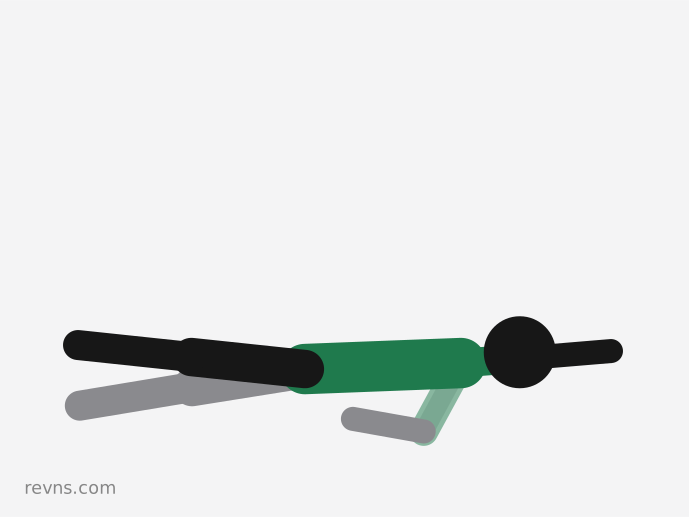
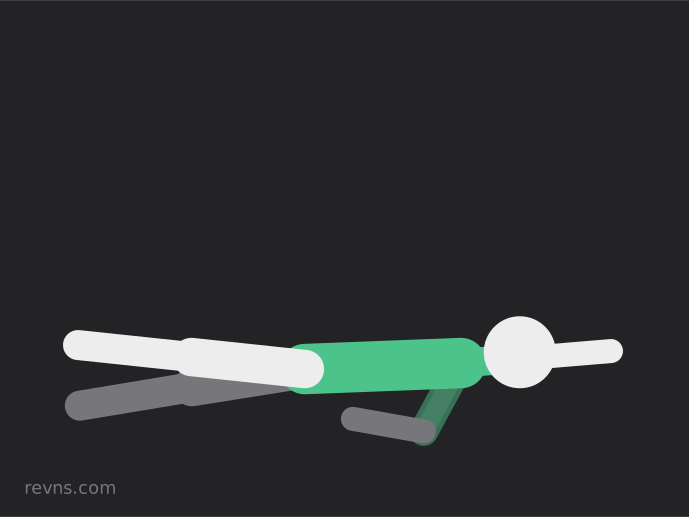
The CDC lists bike riding among safe activities. A stationary bike takes away the fall risk of road riding; the NHS specifically warns against sports with a risk of falling, such as mountain biking. That makes an indoor bike a lower-risk choice, though that is our inference, not a statement from either body. Raise the handlebars as your bump grows so you can sit upright, keep the resistance light, and keep a fan on you.
Do: 15 to 20 minutes at a talking pace. Stop if: you feel dizzy, too hot or short of breath in a way that does not settle.
Exercise 4: Prenatal yoga
The NHS says yoga counts toward your 150 minutes and can count as muscle strengthening, and the CDC lists "some types of yoga" as safe. The wording matters: not every class suits pregnancy. Choose a prenatal class or a gentle flow, and tell the teacher you are pregnant. Skip lying flat on your back for long in later pregnancy (NHS), avoid deep twists that squash the bump, and ask your midwife before joining a heated class, since the NHS tells you to stop if you feel too hot.
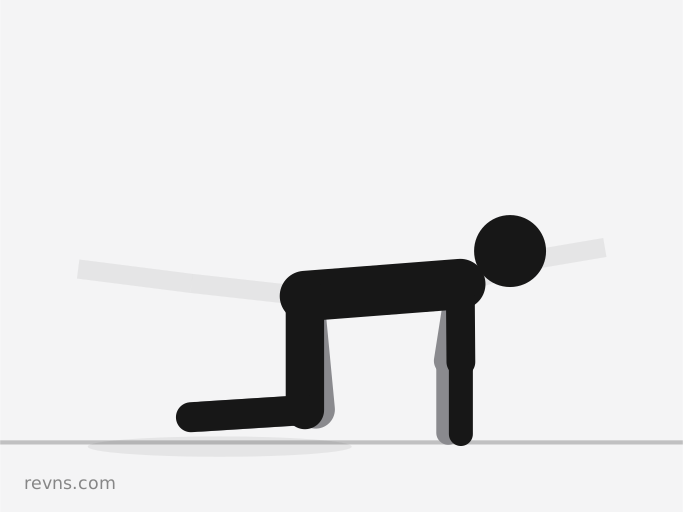
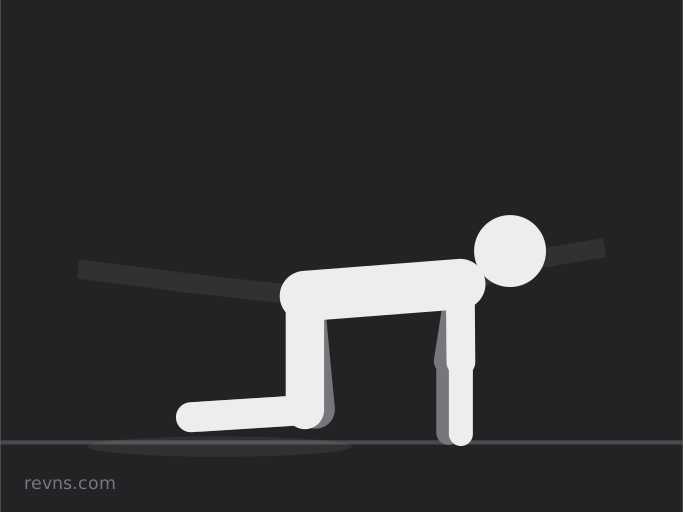
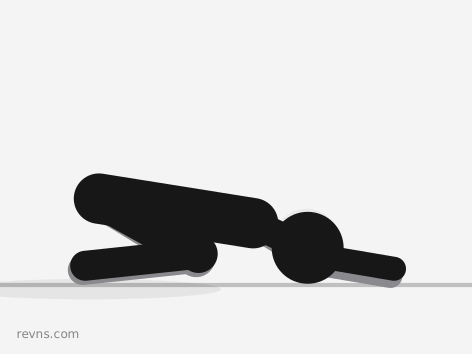
Two simple moves you can do at home are cat-cow and a wide-knee child's pose. Move slowly and breathe out as you round or fold.
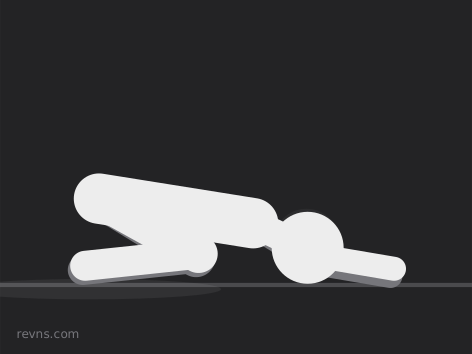
Exercise 5: Pelvic floor exercises
Pelvic floor muscles support your bladder, bowel and womb. The 2019 Canadian guideline says daily pelvic floor training may be done in pregnancy, and that learning the correct technique helps. A 2020 Cochrane review (Woodley and colleagues) found that antenatal pelvic floor muscle training in women without incontinence probably lowers the chance of urinary incontinence in late pregnancy (risk ratio 0.38, 95% CI 0.20 to 0.72; 6 trials, 624 women).
The usual teaching is to squeeze and lift the muscles you would use to stop passing wind, breathe normally, hold for a few seconds, then let go fully. Keep your buttocks and tummy relaxed. Do not stop your wee midstream as a regular exercise. We have not found an official number of holds to quote, so ask your midwife or a pelvic health physiotherapist to check your technique and set the amounts. Our pelvic floor guide explains more.
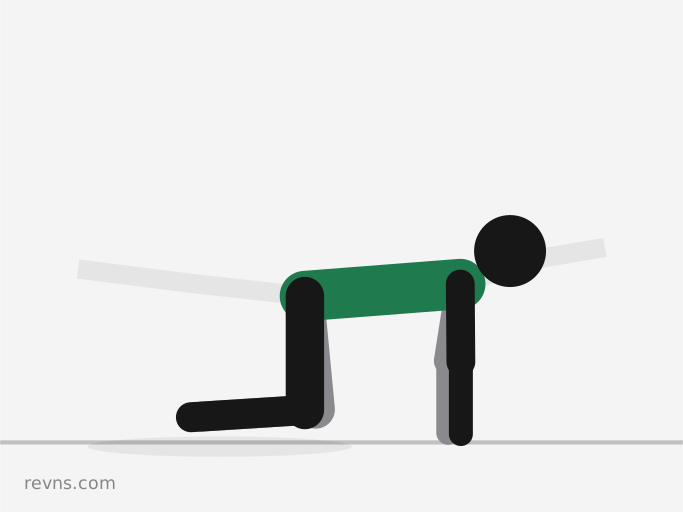
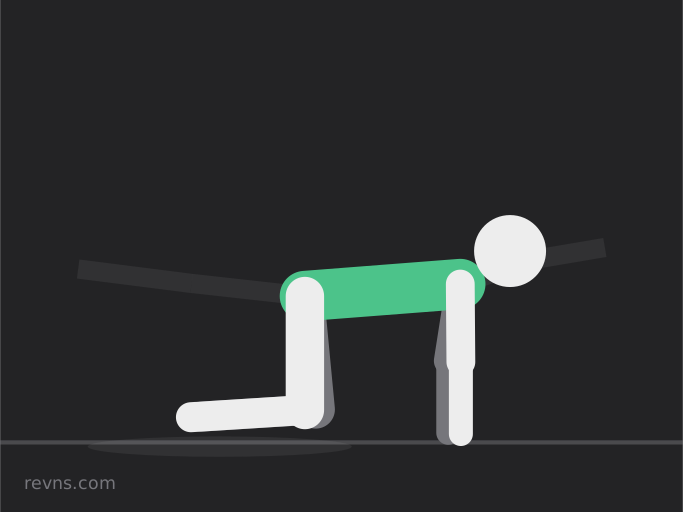
Exercise 6: Bird dog
Bird dog trains the back, hips and core while your bump hangs free on hands and knees. No guideline we read names this move, so we offer it as a common, low-impact strength option that fits the advice to include muscle-strengthening work. Skip it if kneeling hurts your wrists or you feel pelvic or back pain.
- Start on hands and knees, hands under shoulders, knees under hips.
- Reach one arm forward and the opposite leg back, keeping your hips level.
- Hold for a breath, then return slowly.
- Switch sides.
Do: 2 sets of 6 each side. Easier: lift only the leg or only the arm.
Exercise 7: Squat to a chair
Squats build the legs and hips you use all day, and a chair gives you a target and a safety net. Stand with feet a little wider than hip-width, push your hips back as if sitting, tap the chair lightly and stand up. Breathe out as you stand. Stop if you feel pelvic or pubic pain.
Do: 2 sets of 8 to 10, rest 60 seconds. Harder: hold a light weight to your chest.
Exercise 8: Wall push-up
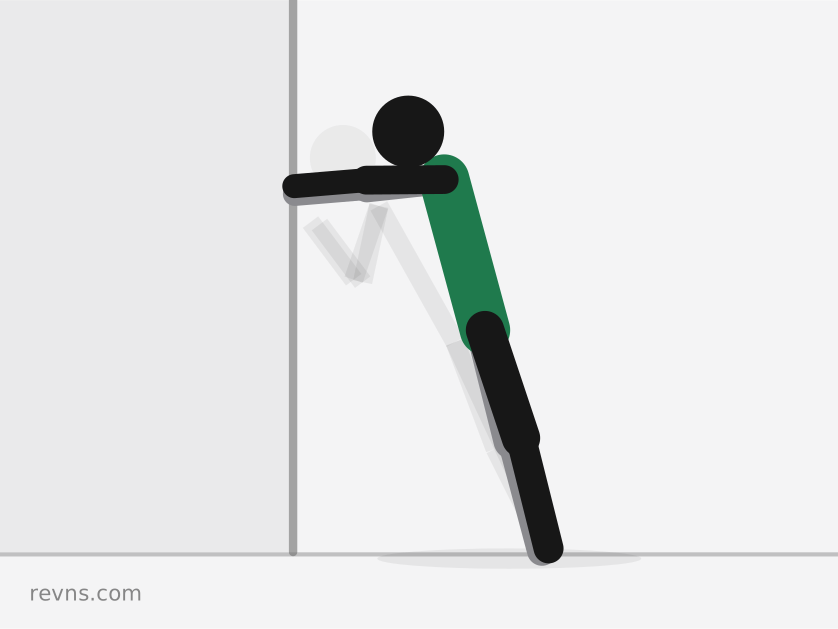
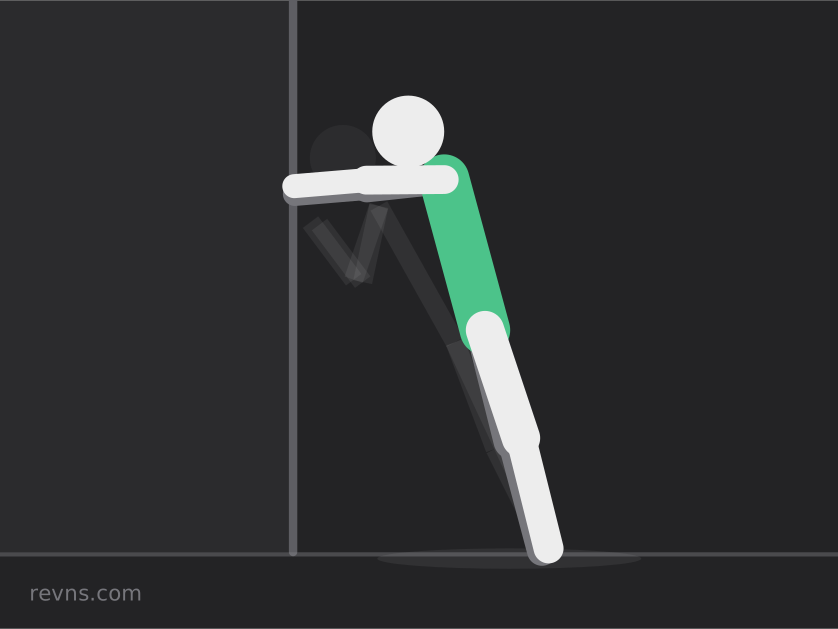
A wall push-up works the chest, shoulders and arms without any pressure on the tummy or the need to lie down. Stand an arm's length from a wall, hands at shoulder height, and bend your elbows to bring your chest toward the wall, then push back. Move your feet closer to the wall to make it easier, or further away to make it harder.
Do: 2 sets of 10, rest 60 seconds.
Exercise 9: Side-lying clamshell
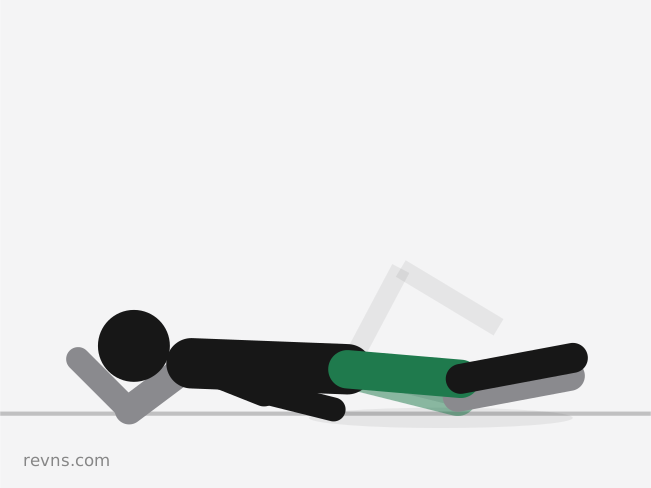
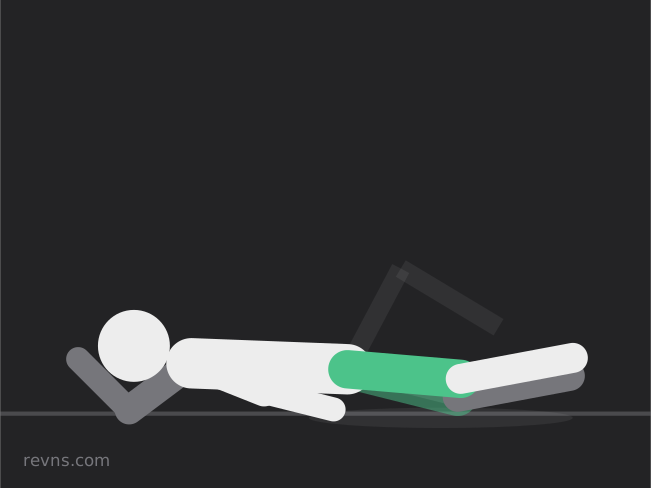
Clamshells strengthen the outer hips, which carry extra work as your pregnancy changes how you walk. Lie on your side with a pillow under your head and between your knees if that is comfortable, knees bent. Keep your feet together and lift the top knee without rolling your hips back, then lower slowly. Side-lying avoids lying flat on your back, which the NHS and CDC advise against in later pregnancy.
Do: 2 sets of 10 each side. Harder: add a light loop band above the knees.
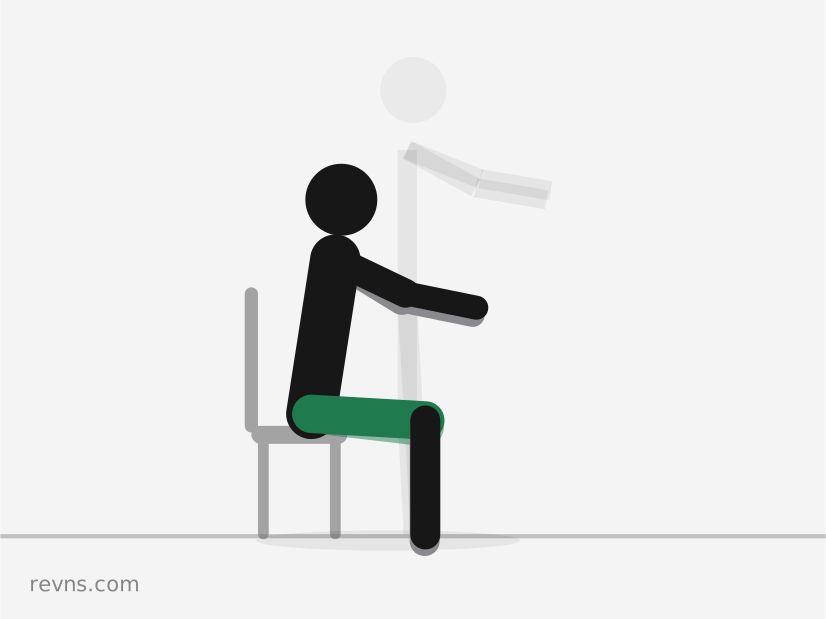
Exercise 10: Seated band row
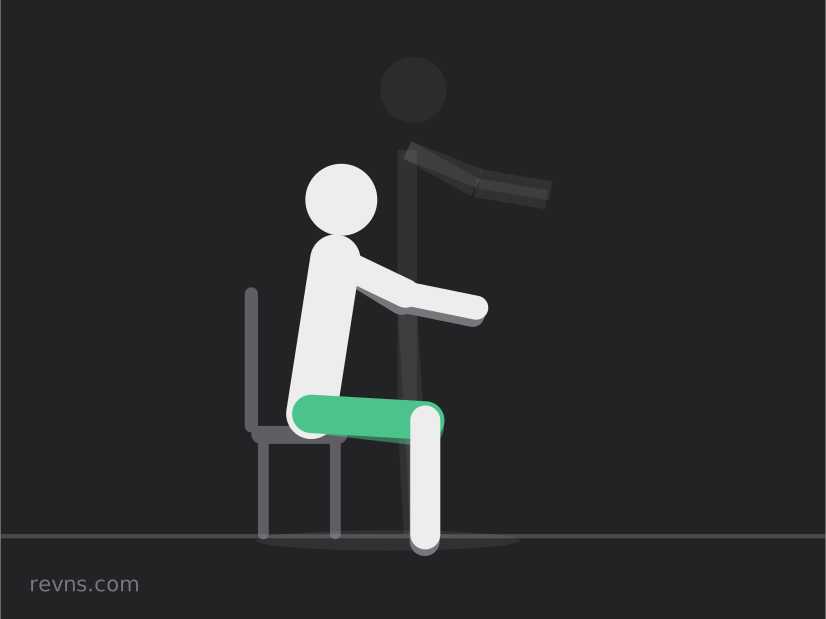
Rows balance the pushing moves and help counter the forward pull of a growing bump on your shoulders and upper back. Sit tall on a firm chair, loop a resistance band around your feet or a sturdy anchor, and pull your elbows back and slightly down, squeezing your shoulder blades. Return slowly. Use a light band, breathe out as you pull, and never hold your breath.
Do: 2 sets of 10 to 12. This one has no demo in our library yet, so check the setup with a trainer or physiotherapist if you are unsure.
What should I avoid when exercising in pregnancy?
The NHS lists these:
- starting a new vigorous activity, such as running
- sports with a risk of falling or being hit in the tummy, such as hockey, rugby or mountain biking
- exercising on an empty stomach, which could make you faint
- scuba diving
- in later pregnancy, lying flat on your back for more than a few minutes
The CDC says to try to avoid activities that require lying flat on your back after the first trimester. That is why this list uses side-lying, seated, standing and hands-and-knees moves. The CDC also says that people who already do vigorous activity, such as running, can usually continue during and after pregnancy, and that everyone should talk to their doctor about whether or how to adjust activity.
Who should not exercise in pregnancy?
The Canadian guideline lists conditions where more strenuous activity is not advised, such as ruptured membranes, premature labour, unexplained persistent vaginal bleeding, placenta previa after 28 weeks, preeclampsia, incompetent cervix and high-order multiple pregnancy. Others call for a talk with your care provider first. If you have a known health condition, the NHS says to ask your midwife which activities are safe. Do not rely on a list in a blog post to decide this for you.
When should I stop and seek help?
Stop exercising if you feel uncomfortable, too hot or unwell (NHS). Contact your midwife, doctor or maternity unit, or seek urgent care, if you have:
- vaginal bleeding, or fluid leaking from the vagina
- regular, painful tightenings or contractions
- chest pain, or severe breathlessness that does not settle with rest
- a severe headache, visual changes or sudden swelling of your face or hands
- pain, swelling or redness in one calf
- a change in your baby's movements
Egspect, our sister pregnancy site, covers these in more detail in its pregnancy warning signs guide.
What can I do this week?
- Book a moment with your midwife or provider and ask which activities suit your pregnancy.
- Start with 10 minutes of brisk walking a day.
- Add two short strength sessions: pick four or five moves from the list above.
- Do your pelvic floor exercises daily, once a physiotherapist or midwife has checked your technique.
- Note how you feel after each session. An AI fitness coach that reads your own log can help you see patterns, but it does not diagnose anything.
- Follow your due date and trimester so you can adjust: the free pregnancy week calculator on Egspect shows which week you are in.
New to lifting? Strength training for beginners explains how to build load slowly; check that advice with your provider during pregnancy.
Related
- Exercise in pregnancy and postpartum: general guidance and red flags
- Pelvic floor exercises for runners and lifters: the basics
- Strength training for beginners: the first eight weeks
- Egspect: 10 safe exercises during pregnancy: a calm, sourced guide and pregnancy week by week
This is general training guidance, not medical advice. Facts were accurate as of November 19, 2026; guidance changes, so check with your care team.
Sources
- NHS. Exercise in pregnancy
- CDC. Physical activity guidelines for pregnant or postpartum women
- Mottola MF et al. 2019 Canadian guideline for physical activity throughout pregnancy. Br J Sports Med 2018
- Woodley SJ et al. Pelvic floor muscle training for preventing and treating urinary and faecal incontinence in antenatal and postnatal women. Cochrane 2020
Terms in this post
revns publishes training and nutrition guidance, not medical advice. See a clinician for symptoms, injury or a medical condition. Accurate as of November 19, 2026.