Hammer curl vs bicep curl: differences, muscles worked and when to use each
Hammer curl vs bicep curl: palms-up curls lift biceps about 12% harder in one EMG study; hammers feel wrist-friendly. A four-move pairing, sets and demos.
revns editorial · Published November 23, 2026 · 8 min read

Hammer curls use a neutral grip; bicep curls use palms up. Both train the same elbow flexors—pick palms-up for direct biceps work and hammers when wrists dislike supination.
Hammer curl vs bicep curl comes down to grip: palms-up bicep curls usually hit the biceps brachii a little harder on the way up, while neutral-grip hammer curls train the same three elbow flexors with a wrist angle many people find easier. Neither move replaces the other for arm strength. This guide compares what research shows, walks through both lifts with demos from the exercise library, and ends with a four-move beginner pairing you can run at home or in the gym in about 15 minutes, two or three days a week.
TL;DR
| Topic | Bicep curl (palms up) | Hammer curl (neutral) |
|---|---|---|
| Grip | Palms forward, elbows by ribs | Thumbs up, palms face each other |
| Main muscles | Biceps brachii, brachialis, brachioradialis | Same three elbow flexors |
| Biceps activation (lifting phase) | About 12% higher vs neutral in one bodybuilder EMG study | Slightly lower on the ascent in that study; similar on the lowering phase |
| Best for | Direct biceps emphasis, standard pull patterns | Wrist-friendly volume, grip carryover, variety |
| Typical prescription here | 3 × 10–12 after warm-up | 2 × 10–12 after bicep curls |
| # | Move | Sets × reps | Rest |
|---|---|---|---|
| 0 | Warm-up: arm circles + band curls | 2 × 12 | 45 s |
| 1 | Bicep curls | 3 × 10–12 | 60–90 s |
| 2 | Hammer curls | 2 × 10–12 | 60 s |
| 3 | Optional: concentration curls | 2 × 8–10 / arm | 60 s |

Hammer curl vs bicep curl: which should you use?
Hammer curl vs bicep curl is not a winner-take-all choice. Use bicep curls when you want maximum biceps emphasis and your wrists are fine with palms-up work. Use hammer curls when neutral grip feels better on wrists or elbows, when you want extra variety without new equipment, or when you are building volume toward weekly strength targets. Coratella and colleagues (2023), studying ten competitive bodybuilders curling at an 8-rep-max load, found greater biceps brachii excitation with the supinated grip during the ascending phase—about 12% higher than neutral—while lowering-phase activation did not differ by grip. That is a modest, not massive, gap. Jahizi and colleagues (2024), in thirty trained men comparing traditional, hammer and reverse dumbbell curls, reported highest biceps brachii EMG on traditional curls, with most repetitions completed on hammer curls at the same protocol. Neither paper proves one grip builds bigger arms forever; both support using more than one grip across a month of training.
What is the difference between hammer curls and bicep curls?
The difference is forearm rotation, not a different exercise family.
Bicep curl (supinated). You start with palms facing forward. The biceps brachii both bend the elbow and help turn the palm up. Elbows stay near the ribs; only the forearms travel.
Hammer curl (neutral). Thumbs point up and palms face your sides. The biceps still bend the elbow, but you skip full supination. The brachialis—under the biceps—and brachioradialis on the forearm share more of the visible work in gym talk, even when EMG differences are small.
Brace the trunk, pin the elbows, and lower for two to three seconds on both versions. If technique is loose, the comparison is meaningless: swing makes every curl look alike on paper and hurts elbows in practice. For step-by-step form drills, see bicep curl: how to do it right.
What muscles do hammer curls and bicep curls work?
Both moves train the same elbow flexors:
- Biceps brachii — the two-headed muscle on the front of the upper arm; strong supinator.
- Brachialis — sits under the biceps and attaches to the ulna; pure elbow flexion without rotating the forearm.
- Brachioradialis — long forearm muscle on the thumb side; active whenever you bend the elbow under load.
Marketing often says hammer curls “target the brachialis” while bicep curls “target the biceps.” Electromyography paints a subtler picture. In Coratella’s study, brachioradialis excitation was actually greater with the supinated grip than with neutral during the ascent, not the other way around. Jahizi’s team found brachialis EMG highest on reverse curls, not hammers. Treat grip variations as slightly different neural and mechanical stimuli, not separate arm workouts.
That matters for program design. Pulling movements—rows, pulldowns, carries—already load these muscles. Isolation curls add focused volume. See benefits of bicep curls for how curls fit a week, and how many sets per muscle per week when you stack hammers on top of heavy pulls.
How do you do this beginner pairing workout?
Prescription
- Warm-up (2 minutes): slow arm circles, then 2 × 12 band curls. Rest 45 seconds.
- Main supinated work: 3 × 10–12 bicep curls with dumbbells. Rest 60–90 seconds. Use the smallest load that allows zero hip swing.
- Neutral variation: 2 × 10–12 hammer curls. Rest 60 seconds.
- Optional finisher: 2 × 8–10 per arm concentration curls if elbows feel fresh.
How often
Two or three non-consecutive days per week matches WHO guidance to strengthen major muscle groups at least twice weekly. Leave 48 hours between hard curl days if tendons feel hot. One day can emphasize hammers first mentally—alternate which grip you perform fresher—so neither pattern always rides on fatigue.
When to progress
Add weight when every set hits 12 reps with the same elbow path and three-second lowering. Increase by the smallest jump on your dumbbells, or add one rep per set for a week before loading. Progressive overload in plain words covers the same rule for compound lifts.
Equipment swaps
No dumbbells yet? Stay on band curls for palms-up practice and use hammer curls only when you have neutral-load options (two light dumbbells or adjustable handles). At the gym, cables with a straight bar and rope duplicate the same contrast without changing muscles.
The moves
1. Bicep curls
Palms-up bicep curls isolate elbow flexion with the classic grip used in chin-ups and barbell rows. Stand tall, ribs over hips, and glue the upper arms to your sides. Curl by bending only the elbows until the bells approach shoulder height without shrugging. Lower slowly to straight arms.
- Hold dumbbells at your sides, palms facing forward.
- Brace glutes and abs so the torso does not rock.
- Curl toward the shoulders; wrists stay straight, not bent back.
- Lower for two to three seconds to full elbow extension.
- Reset posture before the next rep.
Do: 3 × 10–12, rest 60–90 s. Common mistake: swinging the hips—fix by dropping load or using band curls until the path is strict. Easier: band curls. Harder: concentration curls.
2. Hammer curls
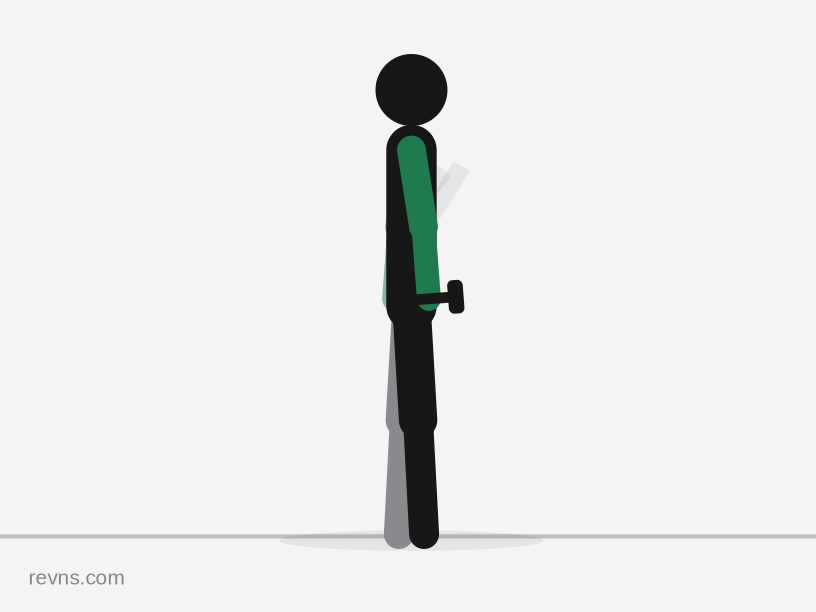
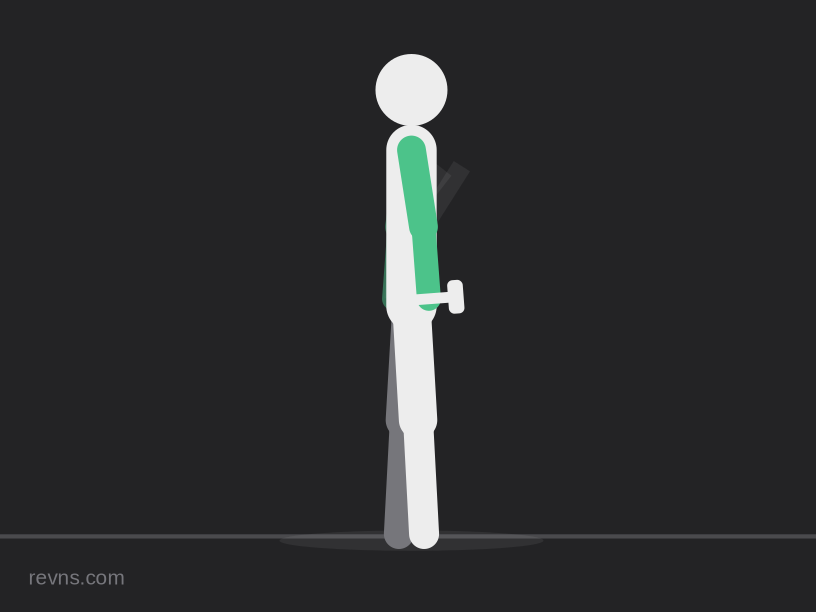
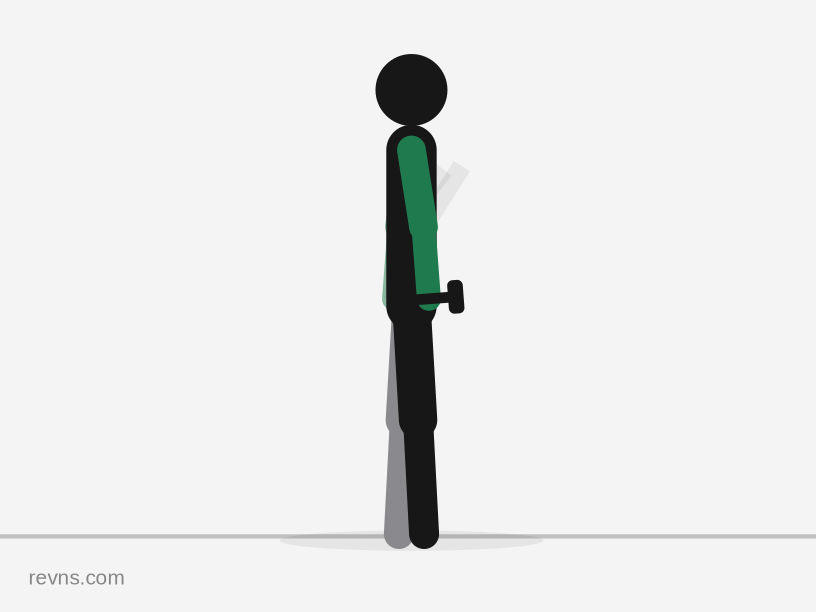
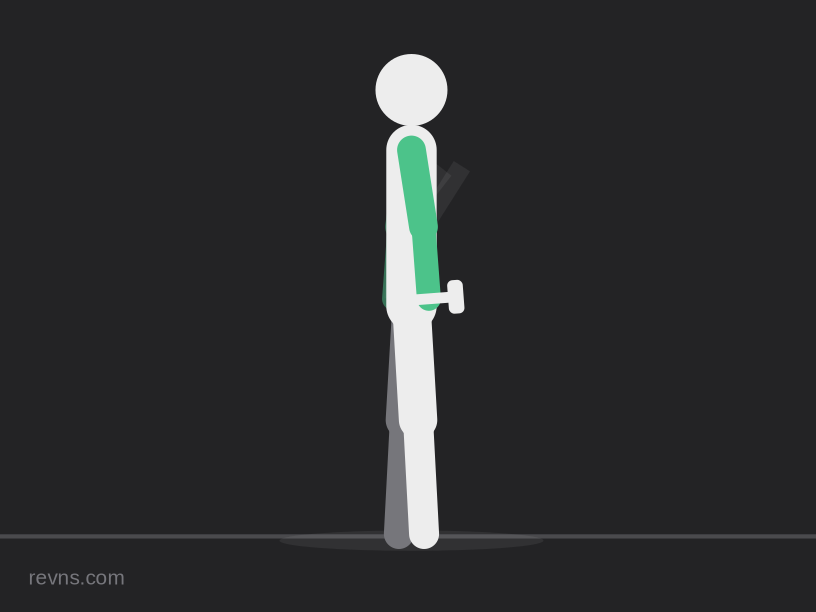
Hammer curls keep a neutral grip: thumbs up, palms facing each other. The elbow path matches the bicep curl, but the forearm does not rotate to palms forward. Many lifters can hold this wrist position when supination pinches.
- Stand with dumbbells at your sides, palms in.
- Pin elbows to your ribs; shoulders down.
- Curl up without letting the bells drift in front of the body.
- Keep thumbs on top throughout; do not twist to palms-up at the top.
- Lower under control to straight arms.
Do: 2 × 10–12, rest 60 s. Common mistake: shortening range—fix by pausing at the bottom each rep. Easier: bicep curls with lighter load. Harder: concentration curls or slower lowering (four seconds).

When should you choose hammer curls over bicep curls?
Pick hammer curls when:
- Wrists hurt in full supination but feel fine neutral—common with repetitive keyboard work plus heavy curls.
- You need extra weekly volume but elbows already took stress from chin-ups or barbell curls the same day.
- You want carryover to neutral-grip rows, parallel pull handles, or suitcase carries, without claiming hammers alone build forearms bigger than pulls do.
Stick with bicep curls when:
- Your goal is maximum biceps emphasis on isolation day and wrists tolerate palms up.
- You are learning the movement pattern that appears in most pull-up and barbell row setups.
- EMG evidence matters to you: supinated ascent still shows higher biceps brachii excitation in the studies above.
If both feel fine, alternate emphasis by mesocycle: four weeks prioritizing strict supinated sets, then four weeks matching hammer volume. That beats debating forever online.
Do hammer curls or bicep curls build bigger arms faster?
No head-to-head hypertrophy trial has compared only hammer versus only bicep curls for months in trained adults. EMG and rep-completion studies suggest small acute differences, not proof one grip wins size. Muscle growth still follows progressive overload, enough weekly sets, and adequate recovery—the same principles in how long does it take to build muscle. Curls are one slice of arm work; rows, pulldowns and presses matter too.
A realistic expectation: adding both grips for 8 to 12 direct curl sets weekly on top of pulling, with sleep and protein in range, supports arm development over months, not days. Track load and reps in a log rather than chasing burn in one grip.
Where can you read more about each curl?
For a full plan built around one grip, read benefits of hammer curls or benefits of bicep curls. Each covers weekly frequency, sets and reps.
Who should check with a clinician before curling?
Talk to a qualified professional before heavy curl volume if you have known elbow tendon issues, wrist instability, recent arm fracture or surgery, or numbness in the hand during lifts. Stop a set for sharp elbow or wrist pain, locking that will not unlock, dizziness, or chest pain—the last needs urgent care regardless of cause.
This is general training guidance, not medical advice. Curls do not treat tendonitis or nerve compression.
Related
- Bicep curl: how to do it right, with beginner form drills and moving demos
- Benefits of hammer curls: what they train, how often and a simple plan
- Benefits of bicep curls: what they train, how often and a simple plan
- Forearm and grip strength exercises: a five-move dumbbell routine
- Arm workout without weights: a beginner routine at home
- How many sets per muscle per week for muscle growth
- Progressive overload in plain words
Sources
- Coratella G et al. Biceps Brachii and Brachioradialis Excitation in Biceps Curl Exercise: Different Handgrips, Different Synergy. Sports (Basel) 2023 (PMC).
- Jahizi K et al. Comparison of electromyographic activation and number of repetitions completed between traditional, hammer and reverse dumbbell bicep curl among trained men. AIP Conf Proc 2024.
- Bull FC et al. WHO Guidelines on Physical Activity and Sedentary Behaviour. Br J Sports Med 2020.
- American College of Sports Medicine. ACSM's Guidelines for Exercise Testing and Prescription, 11th ed. Wolters Kluwer.
Terms in this post
revns publishes training and nutrition guidance, not medical advice. See a clinician for symptoms, injury or a medical condition. Accurate as of November 23, 2026.