30 minute home workout: an intermediate no-equipment routine with demos
A 30 minute home workout with no equipment: eight bodyweight moves, a timed 40/20 format, a warm-up, easier and harder options and a weekly plan.
revns editorial · Published November 21, 2026 · 11 min read
Intermediate 30-minute home workout, no equipment: 5-minute warm-up, 14 minutes of legs, push and trunk, 9 minutes of glutes, shoulders and core, cool-down. Easier and harder options included.
A 30 minute home workout with no equipment can be eight bodyweight moves in a timed 40-seconds-on, 20-seconds-off format: five minutes of warm-up, 14 minutes of legs, pushing and trunk, nine minutes of glutes, shoulders and core, and a two-minute cool-down. It suits a healthy adult who can already do floor push-ups and bodyweight squats to parallel. Do it two or three non-consecutive days a week. Every move below has a moving demo from the exercise library.
TL;DR
| Block | Move | Work and rest | Rounds |
|---|---|---|---|
| Warm-up (5 min) | March, inchworms, half squats, cat-cow | Easy | 1 |
| A (14 min) | Squat | 40 s / 20 s | 3 |
| A | Push-up | 40 s / 20 s | 3 |
| A | Reverse lunge | 40 s / 20 s | 3 |
| A | Dead bug | 40 s / 20 s | 3 |
| B (9 min) | Single-leg glute bridge | 40 s / 20 s | 2 |
| B | Pike push-up | 40 s / 20 s | 2 |
| B | Mountain climber | 40 s / 20 s | 2 |
| B | Plank | 40 s / 20 s | 2 |
| Cool-down (2 min) | Slow walking, long breaths out | Easy | 1 |
Rest 60 seconds between rounds. The clock adds up to about 30 minutes: 5 + (3 × 4 + 2 × 1 min rests) + (2 × 4 + 1 min rest) + 2.
What is a good 30 minute home workout?
A good 30 minute home workout trains the main movement patterns once or twice and then stops. That means a squat or lunge for the legs, a push for the chest, shoulders and arms, a bridge for the glutes and a trunk move that resists twisting or sagging. Eight moves covers all of that without padding.
This routine shows each move, gives a dose, offers an easier and a harder option for every move, and says when to move up. It has no jumping, which suits a flat with neighbours below.
How do you do this 30 minute home workout?
The clock
- Warm-up (5 minutes). March in place for 60 seconds, then do six inchworms, ten half-depth squats, eight cat-cow cycles and slow arm circles. The warm-up guide explains why this order works.
- Block A (14 minutes). Do squat, push-up, reverse lunge, dead bug, each for 40 seconds with 20 seconds of rest. Rest 60 seconds. Repeat for three rounds.
- Block B (9 minutes). Do single-leg glute bridge, pike push-up, mountain climber, plank, each for 40 seconds with 20 seconds of rest. Rest 60 seconds. Repeat for two rounds, using the other leg on the bridge in round two.
- Cool-down (2 minutes). Walk slowly and breathe out longer than you breathe in.
If you prefer to count reps, use the rep guide in each move and keep the rest times the same.
How hard should it feel?
Aim for about 7 out of 10 effort. You should be able to do two or three more reps at the end of each 40-second block. On the last round, form comes first: shorten the range or use the easier option rather than racing the clock.
How many days a week?
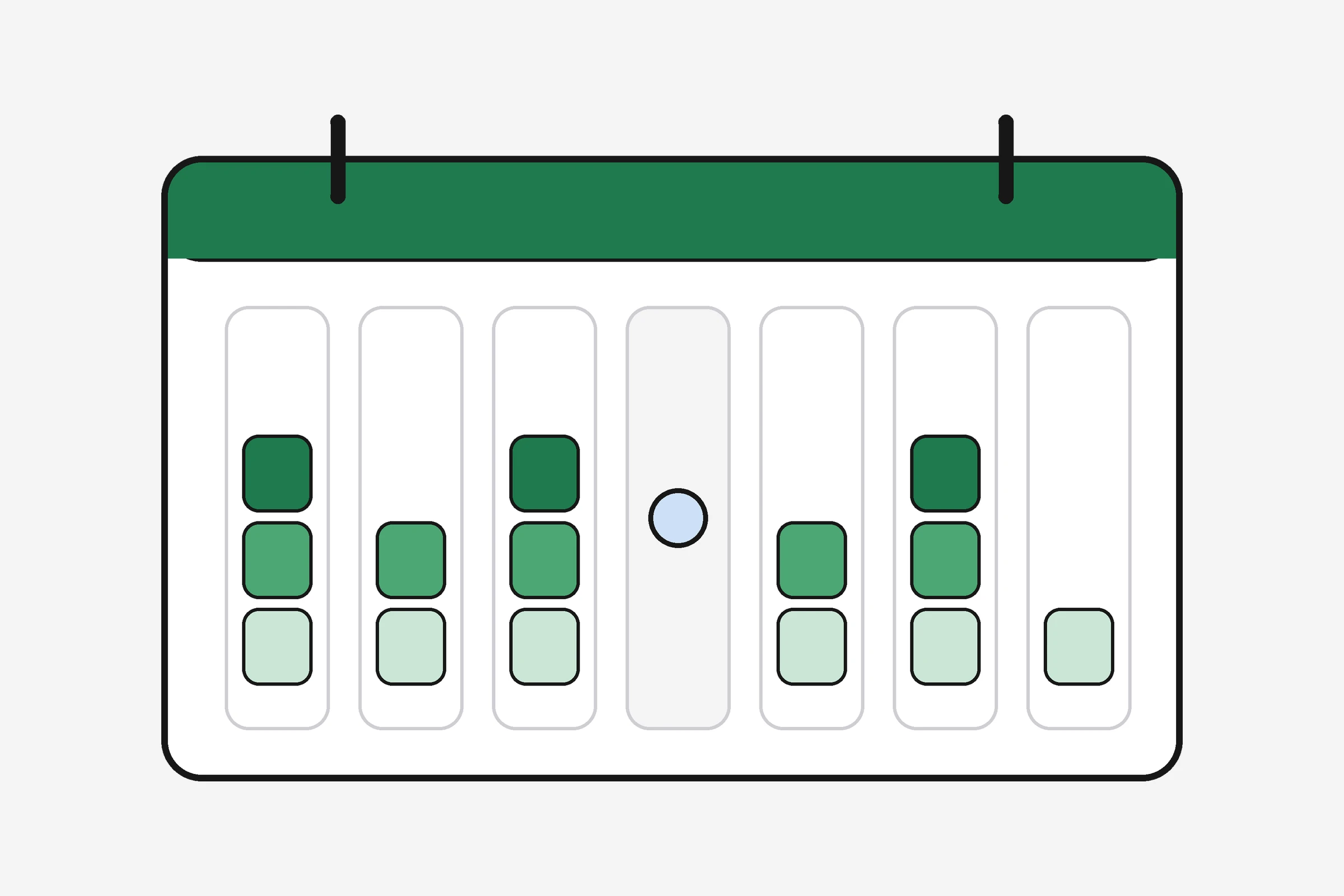
Train two or three days with a rest or easy day between, such as Monday, Wednesday and Saturday. The World Health Organization's 2020 guidelines, and the CDC's adult guidance, call for muscle-strengthening activity of all major muscle groups on at least two days a week. Add brisk walking on other days to work toward 150 minutes of moderate activity a week. The rest days guide and planning a training week show how to place hard and easy days.
When should you make it harder?
Move up when the last round looks like the first for two sessions in a row. Then change one thing:
- add a fourth round of Block A, or
- lengthen the lowering phase of squats and push-ups to three or four seconds, or
- switch to a harder version of one move from the list below, or
- extend work to 45 seconds and cut rest to 15.
Change one lever a week. If your sleep worsens, your mood drops or your performance falls for more than a week, drop back to two rounds of Block A. The overtraining signs guide lists what to watch.
The moves
Breathe out on the effort and in on the return. Do not hold your breath through a set.
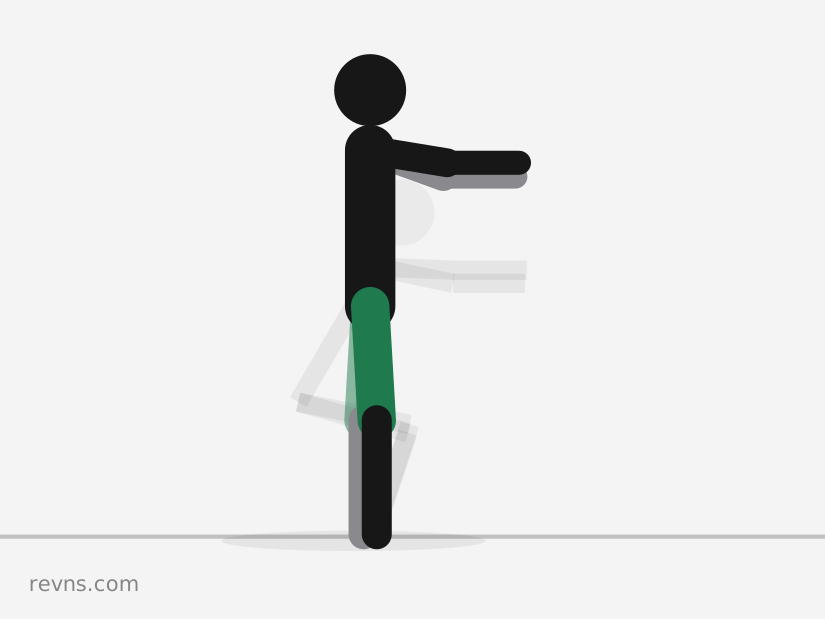
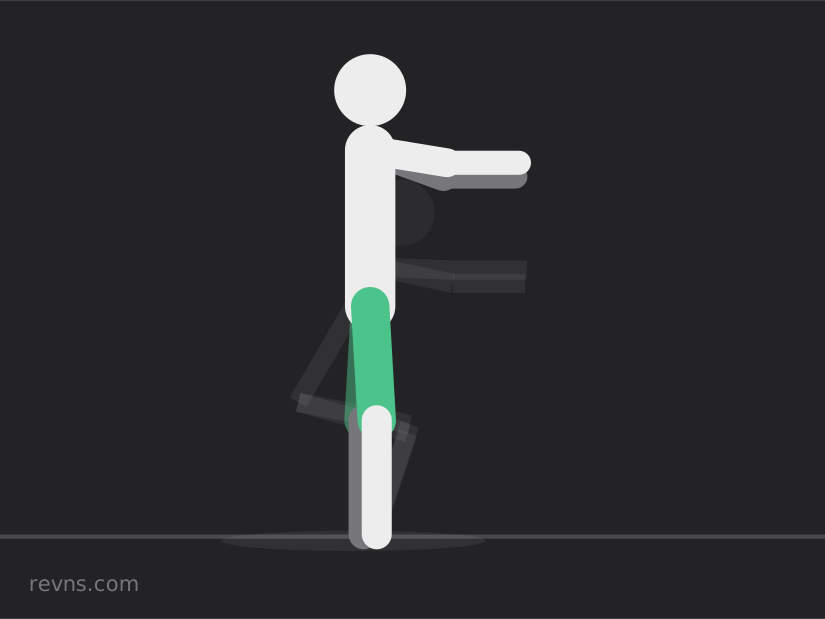
1. Squat
The squat works the thighs and glutes and sets the pace of Block A. Slow lowering makes bodyweight feel heavier without any jumping, which keeps the session quiet and easy on the joints.
- Stand with feet about shoulder-width apart, toes turned out slightly.
- Push your hips back and bend your knees.
- Lower until your thighs are parallel to the floor, or as far as is comfortable.
- Press through the whole foot to stand.
Do: 40 seconds, or 12 slow reps with a three-second lowering. Move on when: 15 slow reps stay clean in round three. Common mistake: knees falling inward. Push them out in line with your toes. Easier: box squats to a chair. Harder: squat pulses at the bottom for the whole interval.
2. Push-up
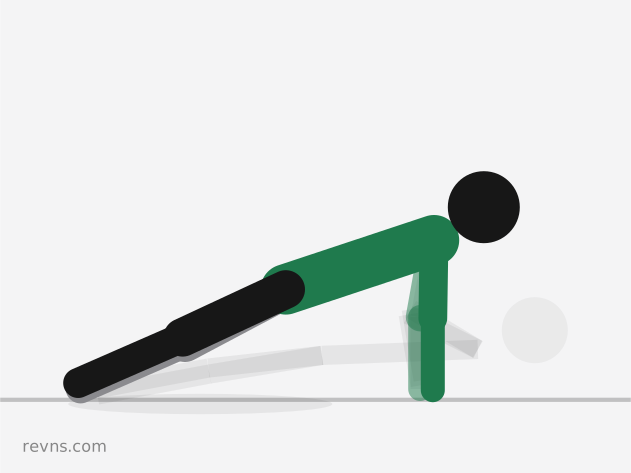
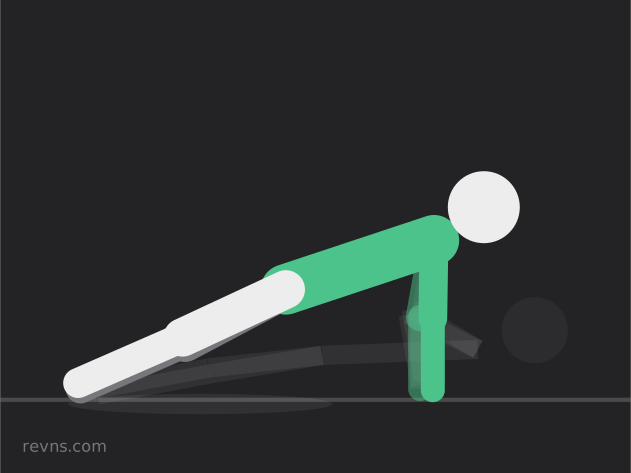
The push-up trains the chest, the front of the shoulders and the triceps, while the trunk holds a straight line. This routine uses the floor version. If the last reps of round three break down, switch to an incline for those reps only.
- Place your hands slightly wider than your shoulders.
- Make one straight line from head to heels.
- Lower your chest toward the floor with elbows about 45 degrees from your ribs.
- Press the floor away until your arms are straight.
Do: 40 seconds of clean reps, or 8–15 reps. Move on when: you reach 15 reps in round one with a few left in reserve. Common mistake: hips sagging. Squeeze your glutes and brace your stomach. Easier: incline push-ups on a sturdy counter, or knee push-ups. Harder: diamond push-ups for one round, or a four-second lowering.
3. Reverse lunge
The reverse lunge trains one leg at a time. Stepping back is gentler on most knees than stepping forward and easier to control in a small room. Alternate legs on each rep.
- Stand tall with your hands on your hips.
- Step one foot back and lower until both knees bend to about 90 degrees.
- Keep your weight mostly on the front foot.
- Push through the front heel to return to standing, then switch legs.
Do: 40 seconds alternating, or 8 per leg. Move on when: 10 per leg feel steady without wobbling. Common mistake: leaning forward with the chest. Keep your ribs stacked over your hips. Easier: hold a wall or door frame for balance, or use a shallower range. Harder: split squats with a three-second lowering, or Bulgarian split squats with the back foot on a low step.
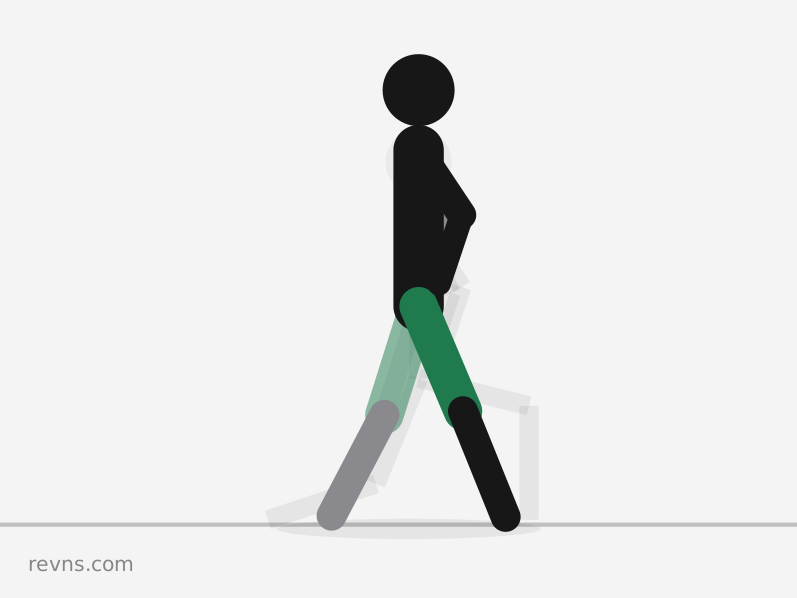
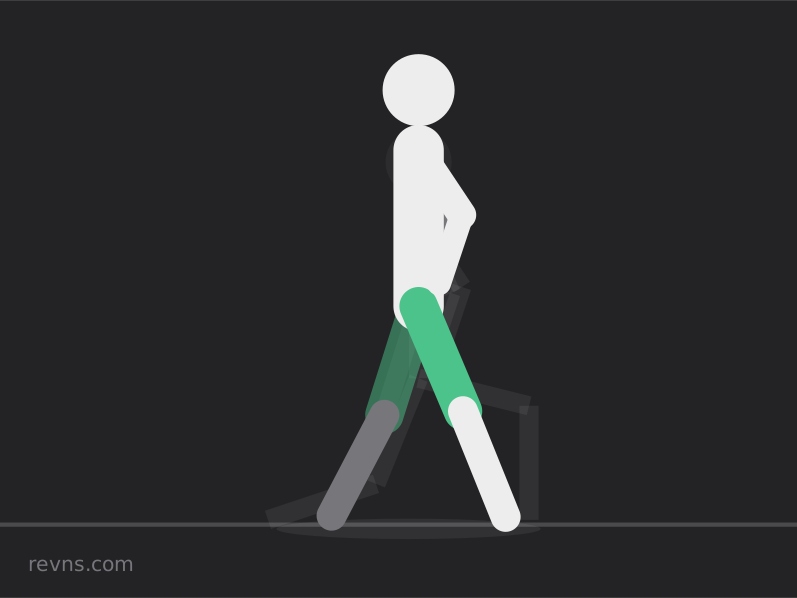
4. Dead bug
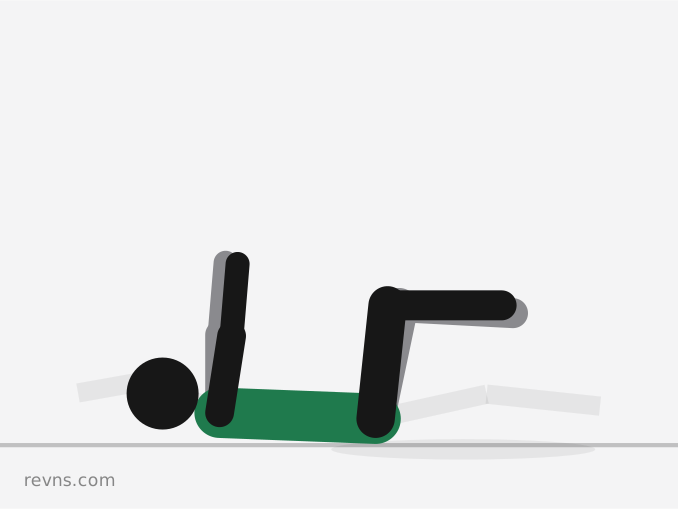
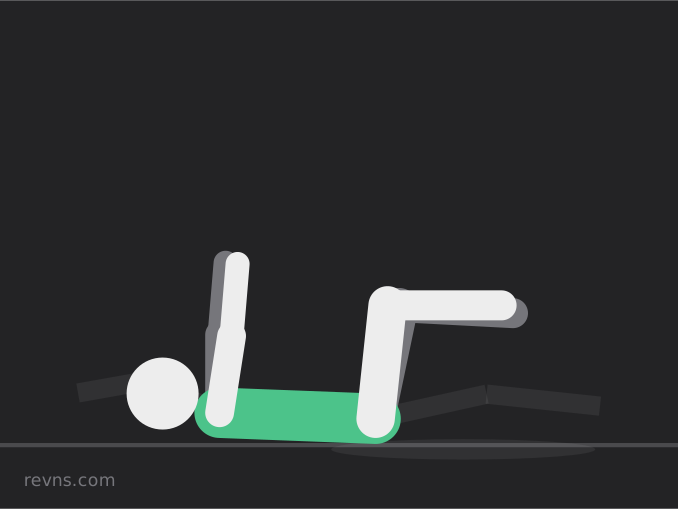
The dead bug trains the deep trunk muscles to hold your lower back steady while your limbs move. It is slow and quiet, and it gives your shoulders a short break before the next round.
- Lie on your back with your arms up and your knees bent over your hips.
- Press your lower back lightly toward the floor.
- Lower the opposite arm and leg toward the floor, slowly.
- Return and switch sides.
Do: 40 seconds of slow reps, or 8 per side. Move on when: your lower back stays flat for the whole 40 seconds. Common mistake: the lower back arching as the leg lowers. Shorten the range until it stays down. Easier: move arms only, then legs only. Harder: straighten the lowering leg and take four seconds per rep.
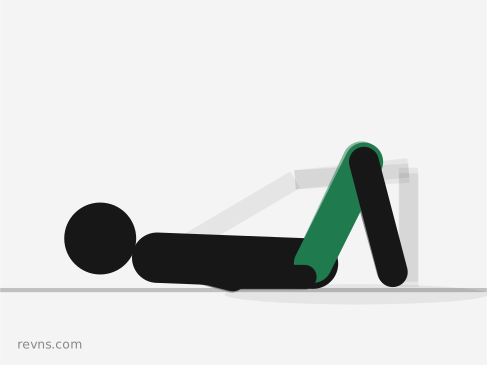
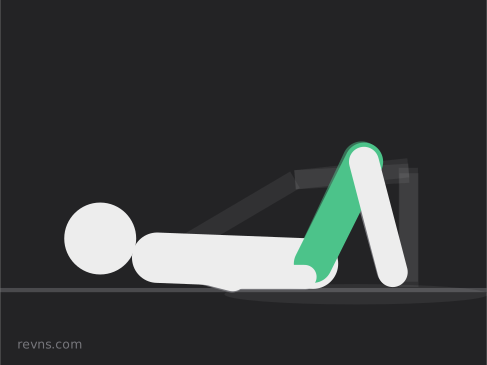
5. Single-leg glute bridge
The single-leg bridge loads the glutes and hamstrings of one side. It is a floor move that adds hip strength without any impact. Use the other leg in round two.
- Lie on your back with one foot flat and the other leg extended or held up.
- Press through the planted heel.
- Lift your hips until your body makes a line from shoulder to knee.
- Lower with control.
Do: 40 seconds on one leg, or 10 reps. Move on when: 12 reps per side, with level hips. Common mistake: arching the lower back at the top. Stop when your hips are in line with your torso. Easier: two-leg glute bridge. Harder: hold the top for three seconds each rep.
6. Pike push-up
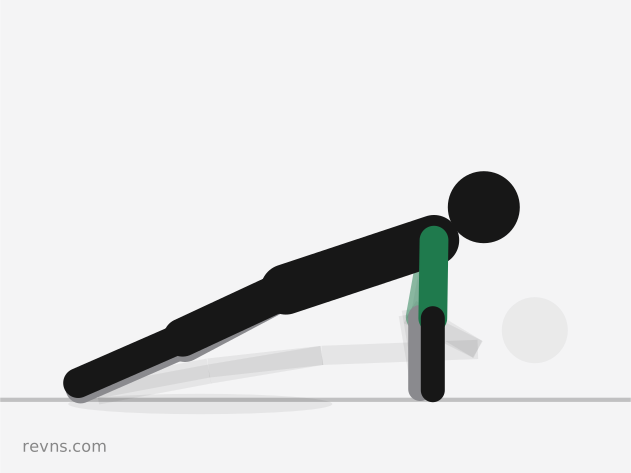
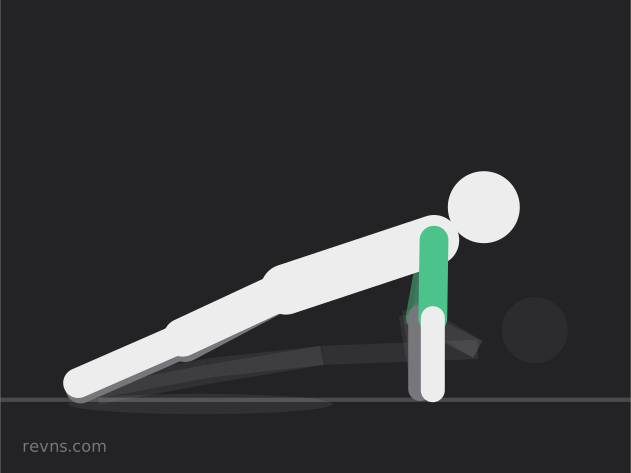
The pike push-up adds vertical pushing for the shoulders. Hips stay high and the range is small, so it is not a handstand push-up. It balances the horizontal pushing of the standard push-up.
- Start in a push-up position, then walk your feet toward your hands until your hips are high.
- Look toward your feet.
- Bend your elbows and lower the top of your head between your hands.
- Press back up to the high-hip position.
Do: 40 seconds, or 8–12 reps. Move on when: 12 reps stay controlled. Common mistake: dropping the hips so it becomes a normal push-up. Walk your feet in until the press points upward. Easier: hands on a low step with a smaller range. Harder: feet on a low step for more shoulder load.
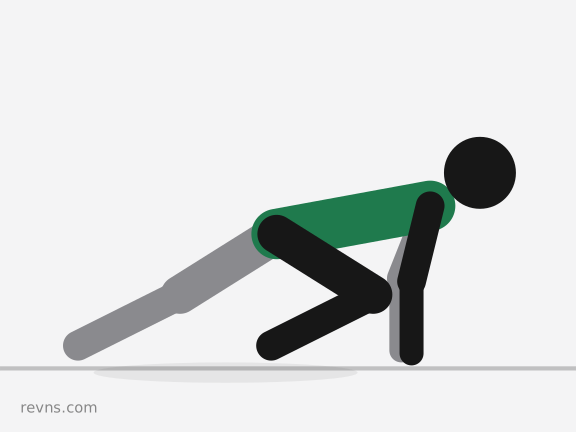
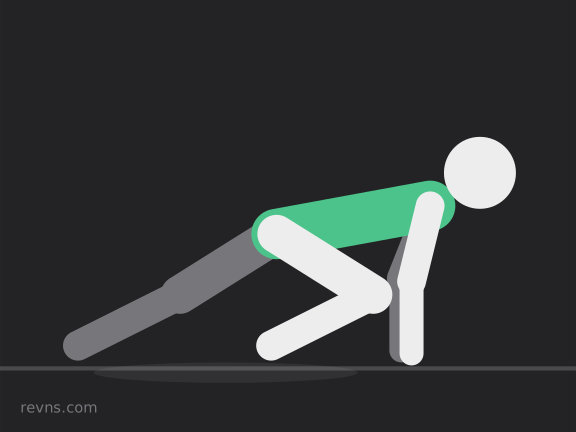
7. Mountain climber
Mountain climbers add steady cardio and trunk bracing without jumping. Keep a pace you can hold for the full 40 seconds.
- Start in a high plank with hands under shoulders.
- Drive one knee toward your chest without lifting your hips.
- Switch legs with a steady rhythm.
- Breathe evenly and keep your back flat.
Do: 40 seconds continuous. Move on when: hips stay level through both rounds. Common mistake: hips rising toward the ceiling. Move your weight forward over your hands. Easier: a slow march in plank with a pause at each knee. Harder: drive each knee toward the opposite elbow.
8. Plank
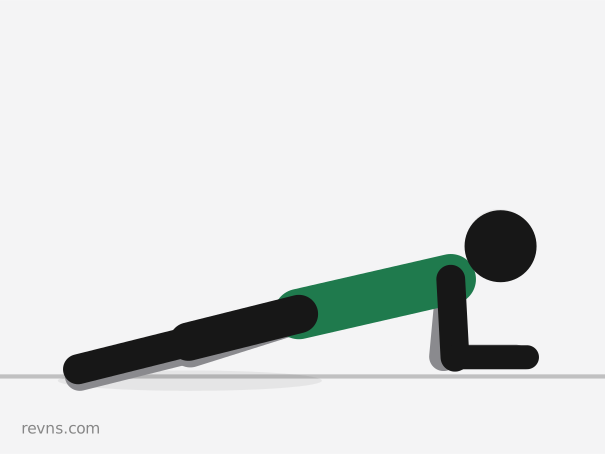
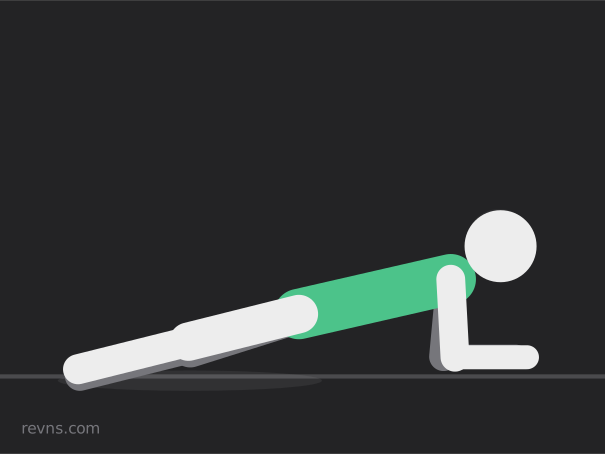
A forearm plank finishes the session by holding your trunk firm when you are tired. Quality beats duration: end the hold when your hips sag.
- Rest on your forearms with elbows under shoulders.
- Step your feet back so your body is one line.
- Squeeze your glutes and brace your stomach.
- Breathe in short, steady breaths.
Do: 40 seconds. Move on when: two rounds of 40 seconds are steady for two weeks; add five seconds. Common mistake: hips dropping. Film once from the side to check. Easier: knee plank. Harder: plank shoulder taps for the last 15 seconds.
Can a 30 minute bodyweight workout build muscle?
For people who are still progressing on bodyweight moves, yes, as long as the sets are hard. A 2017 systematic review and meta-analysis by Schoenfeld and colleagues, covering studies of healthy adults, found similar muscle growth with lighter and heavier loads when sets were taken close to failure. That supports bodyweight work for people new to it, or returning.
It cannot show that bodyweight work is best for everyone. Studies are mostly short and small, and a push-up does not get heavier as you get stronger. When 15 slow reps feel easy, add tempo, single-leg work or a harder version, as listed under each move. The strength training for beginners guide explains how to progress in stages.
What does this 30 minute workout miss?
Honest limits matter, because home routines often hide them.
- Pulling. Bodyweight pulling needs a bar, a sturdy table or a band. This routine has none. If you train this way for months, add inverted rows under a sturdy table or band rows. The back exercises at home guide shows options.
- Heavy legs. Bodyweight single-leg work is strong, but long-term leg strength may need load.
- Cardio. The mountain climbers raise your heart rate, but this is mainly a strength session. Add walking, cycling or easy running on other days. The heart rate zone calculator gives rough zones.
How does it compare with the 20 minute version?
The 20 minute full body workout has six moves in two rounds. This 30-minute plan adds more volume: three rounds of a lower-body and push block, then a second block for glutes, shoulders and core, with more rest between rounds. If you only have 20 minutes, use that one. If you want a longer session and floor push-ups are comfortable, use this one. If floor push-ups are not there yet, start with the beginner full body routine.
| Feature | 20-minute circuit | This 30-minute routine |
|---|---|---|
| Moves | 6 plus plank | 8 |
| Structure | 2 rounds, one block | Block A × 3, Block B × 2 |
| Warm-up | 3 minutes | 5 minutes |
| Glute work | None | Single-leg bridge |
| Trunk work | Mountain climber, plank | Dead bug, climber, plank |
What should you do this week?
- Session 1: One round of Block A and one of Block B. Note which move broke down first.
- Session 2: Full session, two rounds of Block A if tired, three if fresh.
- Session 3: Full session, or a 30-minute brisk walk if you feel sore.
- Next week: Keep the structure and change one lever from the list above.
- Record it. The simple workout tracker logs a day in ten seconds, and the workout split guide shows how full-body days fit a week.
You do not need special food for 30 minutes of training. Eat normally and spread protein across meals from sources that suit you: lentils, beans, tofu, paneer, eggs, dairy, fish or meat. The protein calculator gives a starting range.
When should you see a professional?
Talk to a doctor or physiotherapist before starting if you have a heart or lung condition, uncontrolled high blood pressure, diabetes with complications, a recent surgery or injury, a hernia, osteoporosis, or if you are pregnant or recently postpartum. Stop and get advice for chest pain, fainting, unusual shortness of breath, dizziness that does not settle, sharp joint or back pain, spreading numbness, or pain that gets worse week after week even on the easier versions.
Mild muscle soreness for a day or two is common after the first sessions. If soreness changes how you walk, take an extra rest day and return with fewer rounds.
This is general training guidance, not medical advice.
Related
- 20 minute full body workout: intermediate home circuit with moving demos
- Full body workout at home with no equipment: a six-move beginner routine
- Strength training for beginners: a simple plan for the first eight weeks
- How to warm up before a workout
- Rest days: how many you need and what to do on them
- Exercise library
Sources
- Bull FC et al. World Health Organization 2020 guidelines on physical activity and sedentary behaviour. Br J Sports Med 2020
- American College of Sports Medicine. Progression models in resistance training for healthy adults. Med Sci Sports Exerc 2009
- Schoenfeld BJ et al. Strength and hypertrophy adaptations between low- vs. high-load resistance training: a systematic review and meta-analysis. J Strength Cond Res 2017
- CDC. Adult activity: an overview
- NHS. Strength exercises
- Ainsworth BE et al. 2024 Adult Compendium of Physical Activities
Terms in this post
revns publishes training and nutrition guidance, not medical advice. See a clinician for symptoms, injury or a medical condition. Accurate as of November 21, 2026.