Arm day workout at the gym: a six-move cable routine for intermediates
An arm day workout at the gym using only cables: six moves in supersets, sets, reps, rest, demos, and when to add weight. About 40 minutes.
revns editorial · Published November 21, 2026 · 9 min read
Intermediate arm day at the gym on cables: six moves in three supersets, 2 to 3 sets each, about 40 minutes, with animated demos and clear rules for when to add load.
An arm day workout at the gym for intermediates can be six cable moves in three supersets: tricep pushdowns, cable curls, overhead cable tricep extensions, rope hammer curls, cable reverse curls and cable kickbacks. You stay at one pulley, swap a bar and a rope, and finish in about 40 minutes. The routine targets the biceps (front of the upper arm), the triceps (back) and the forearms and brachialis (under the biceps). Every move below has a moving demo from the exercise library.
TL;DR
| Move | Sets × reps | Rest after superset |
|---|---|---|
| Tricep pushdowns | 3 × 10–12 | — |
| Cable curls | 3 × 10–12 | 90 s |
| Overhead cable tricep extensions | 3 × 10–12 | — |
| Rope hammer curls | 3 × 10–12 | 75 s |
| Cable reverse curls | 2 × 12–15 | — |
| Tricep kickbacks (cable) | 2 × 12–15 per arm | 60 s |
Run each pair as a superset: set of move 1, 30 seconds, set of move 2, then the full rest. Do two rounds of the last pair if you are short on time.
How do you run this arm day workout at the gym?
What you need: a cable stack with a high and low pulley, a straight bar, a rope attachment and a single handle. Clips and carabiners should be in good shape. If the gym only has one pulley, use the same station and change the pin height between moves.
- Warm up for 5 minutes. Light row on a machine or arm bike for two minutes, then ten slow cable curls with a light pin and ten tricep pushdowns with the same load. Add shoulder circles. See how to warm up before a workout for a longer template.
- Superset A (3 rounds). Tricep pushdowns, rest 30 seconds, cable curls, rest 90 seconds.
- Superset B (3 rounds). Overhead cable tricep extensions, 30 seconds, rope hammer curls, rest 75 seconds.
- Superset C (2 rounds). Cable reverse curls, 30 seconds, tricep kickbacks with a low pulley and handle, rest 60 seconds.
- Cool down (optional). Walk for two minutes and stretch the wrists and elbows gently.
Effort rule. Stop heavy sets with about one or two reps in reserve (you could do one or two more with clean form). On the last round of curls and kickbacks you may go closer to fatigue, because the load is lighter and the risk to the lower back is low.
How often. Use this once a week on an arm or upper day, or twice if your main lifts already include rows and presses twice weekly. The American College of Sports Medicine 2009 position stand suggests newer lifters train about two to three days per week and more experienced lifters about three to four, often starting around 8 to 12 reps per set before heavier phases. World Health Organization 2020 guidance says adults should do muscle-strengthening activity on two or more days a week, covering all major muscle groups. Arms also work on chest and back days, so count that volume. The workout split tracker idea applies: if you trained back and chest hard this week, one arm day is enough.
When to add load. Move the pin up when you hit the top of the rep range on all sets of a move for two sessions in a row with the same reps-in-reserve target. If the stack jumps too large, add reps first, slow the lowering phase, or pause one second at the hardest point. That is progressive overload in small steps.
The moves
Each block lists muscles worked, steps, dose, a common mistake, and easier and harder options in the library.
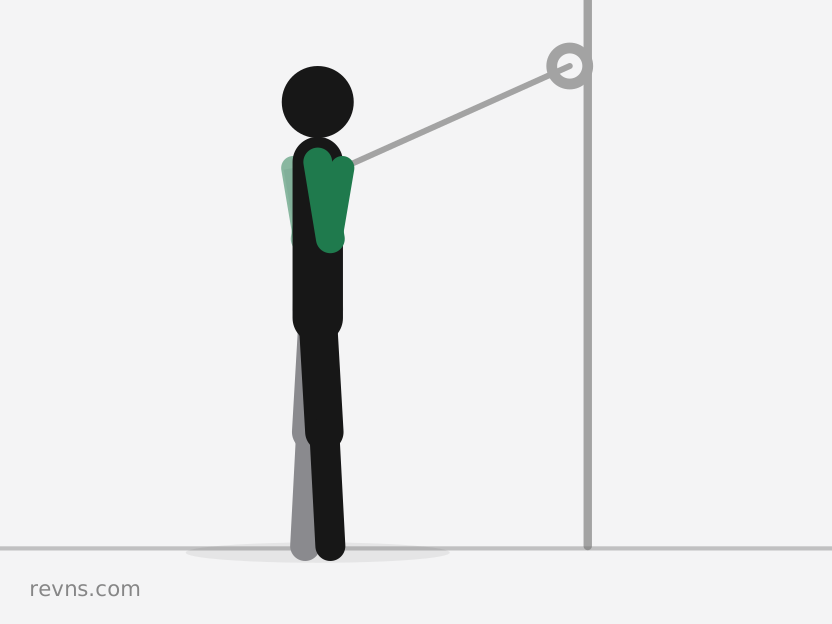
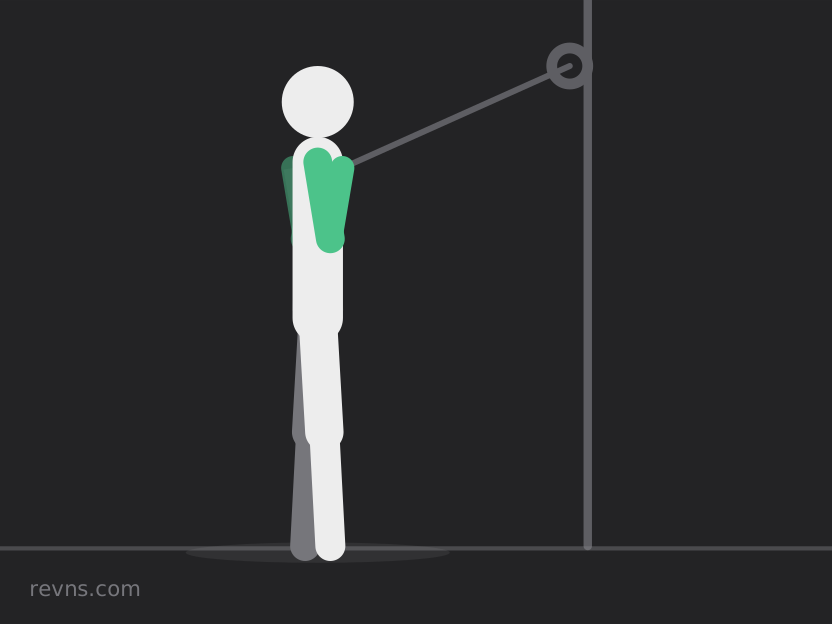
1. Tricep pushdowns
The pushdown trains the triceps with the elbows fixed at your sides. A straight bar stresses both arms together; a rope lets you spread the hands at the bottom for a slightly different line of pull. This is usually the heaviest triceps move in the session, so it comes first in the superset while the shoulders and core are fresh.
- Clip a bar or rope to the high pulley.
- Face the stack, grip the attachment, and step back until the weight lifts slightly off the stack.
- Pin the elbows to your ribs at about 90 degrees.
- Push down until the elbows are straight.
- Return under control without letting the plates slam.
Do: 3 × 10–12, rest 30 s before curls. Move on when: 12 clean reps on all sets for two sessions; then increase the pin. Common mistake: elbows drifting forward. Step back and brace your core so only the forearms move. Easier: bench dips. Harder: skull crushers.
2. Cable curls
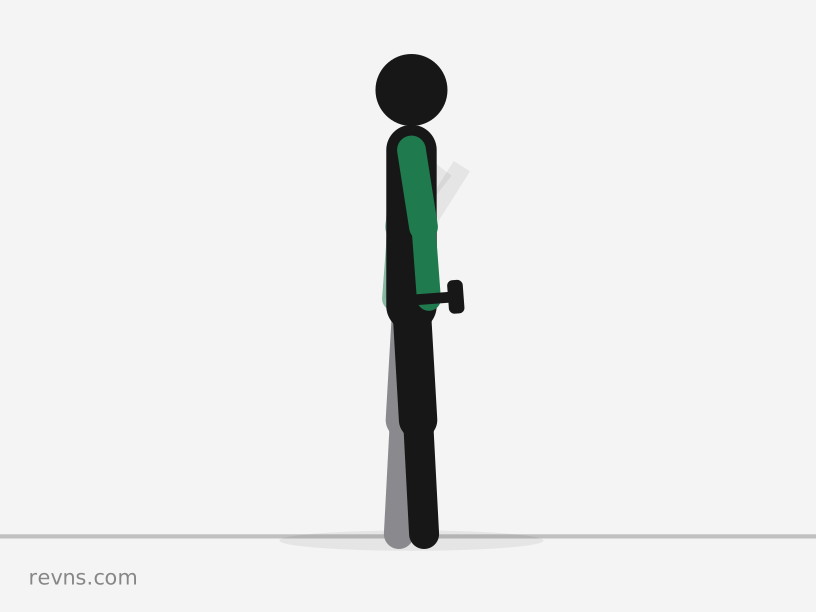
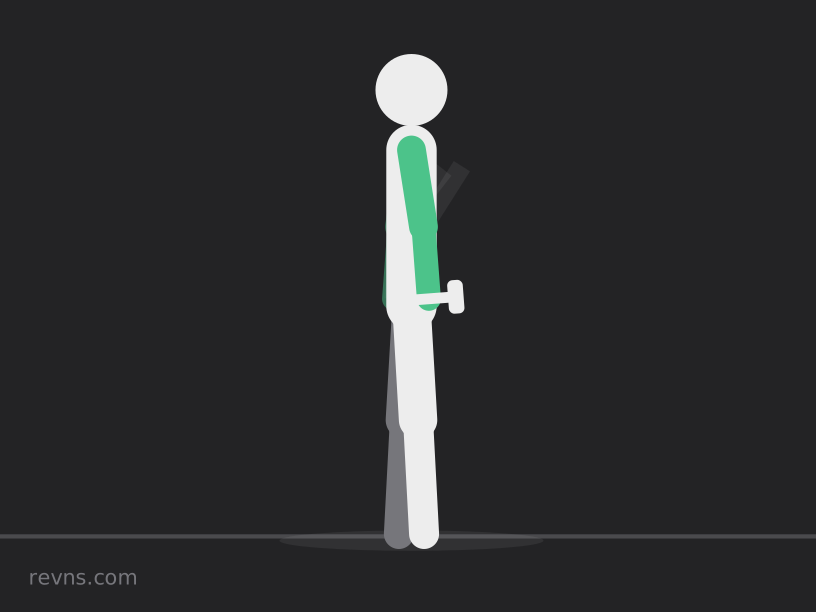
Cable curls train the biceps with steady tension at the bottom, where a dumbbell often feels light. Stand far enough from the stack that the cable stays tight at the bottom of each rep.
- Set the pulley low and attach a straight bar or bar with revolving ends.
- Face the stack, arms long, palms up.
- Curl to the shoulders without moving the elbows forward.
- Lower for two to three seconds.
Do: 3 × 10–12, rest 90 s after the pair. Move on when: top of the range on all sets twice; then add load. Common mistake: leaning back to start the rep. Reduce the pin and keep the ribs down. Easier: band curls. Harder: concentration curls.
3. Overhead cable tricep extensions
This move biases the long head of the triceps because the upper arm sits overhead. Use a rope or bar on the high pulley behind you. Start light; the shoulder can feel stretched at the bottom.
- Face away from the stack and take the attachment overhead with both hands.
- Set the feet in a staggered stance so the cable does not pull you forward.
- Keep the upper arms still, pointing up.
- Straighten the elbows, then bend them to lower with control.
Do: 3 × 10–12. Move on when: 12 reps with elbows quiet; add load. Common mistake: flaring the elbows wide. Think “elbows beside the ears.” Easier: tricep pushdowns. Harder: skull crushers.
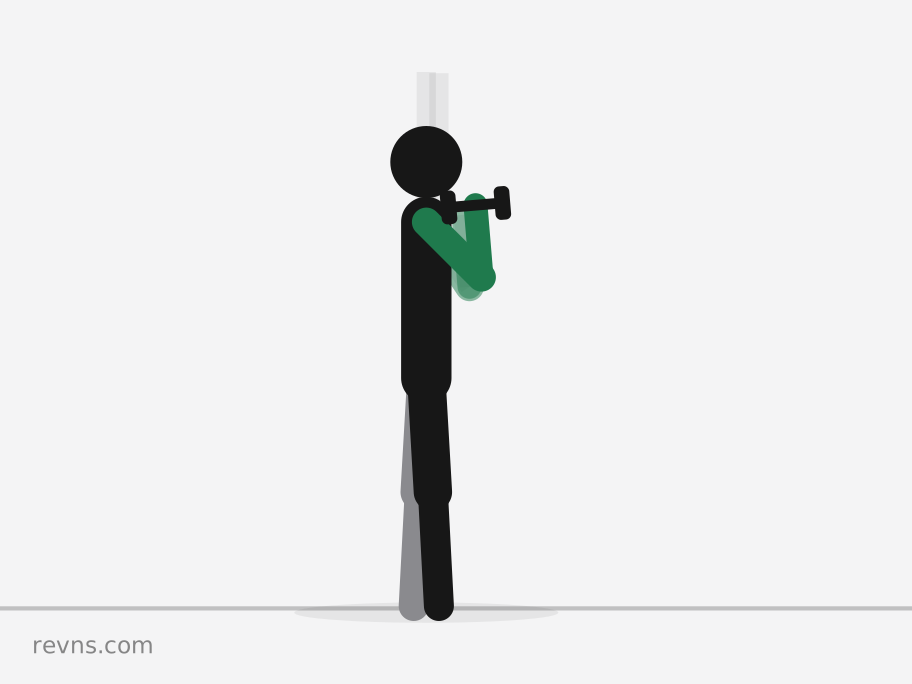
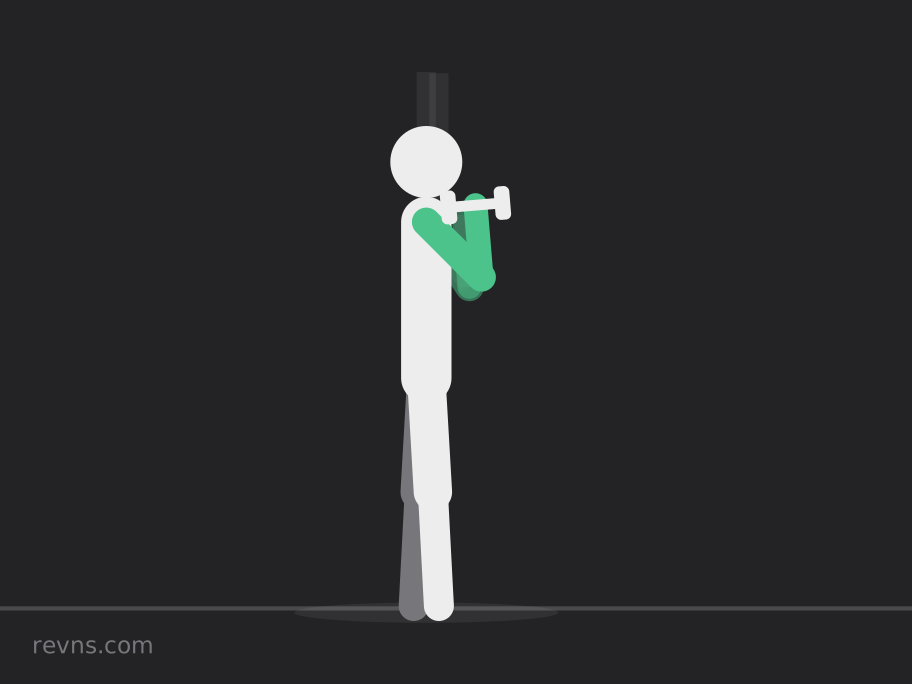
4. Rope hammer curls
Hammer curls hit the biceps and brachioradialis (a forearm muscle that helps when the thumb points up). The rope keeps a neutral grip without rotating the wrists.
- Attach a rope to the low pulley.
- Stand facing the stack, thumbs up on the rope ends.
- Curl without letting the elbows slide forward.
- Lower slowly; split the rope slightly at the top.
Do: 3 × 10–12. Move on when: all sets at 12 reps; add load or slower lowers. Common mistake: the palms turn up mid-rep. Fix your eyes on your thumbs staying vertical. Easier: cable curls. Harder: hammer curls with dumbbells.
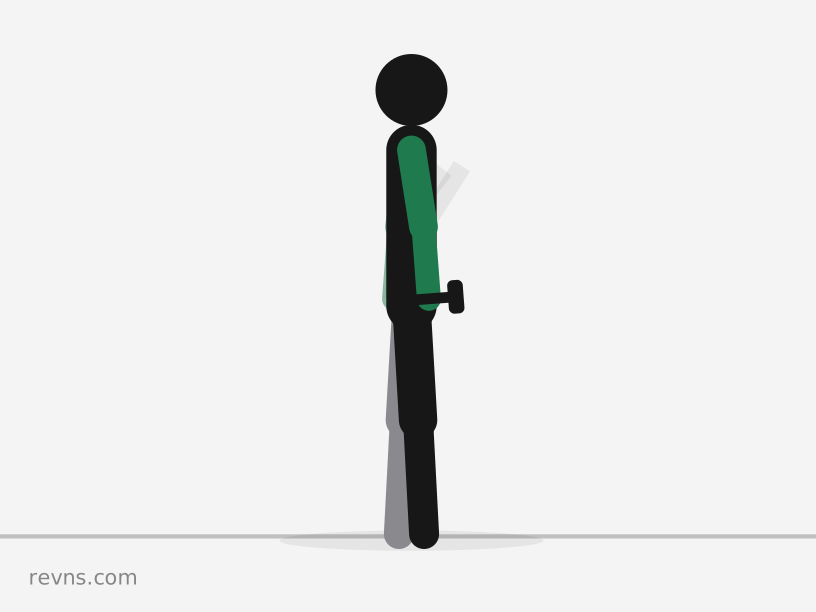
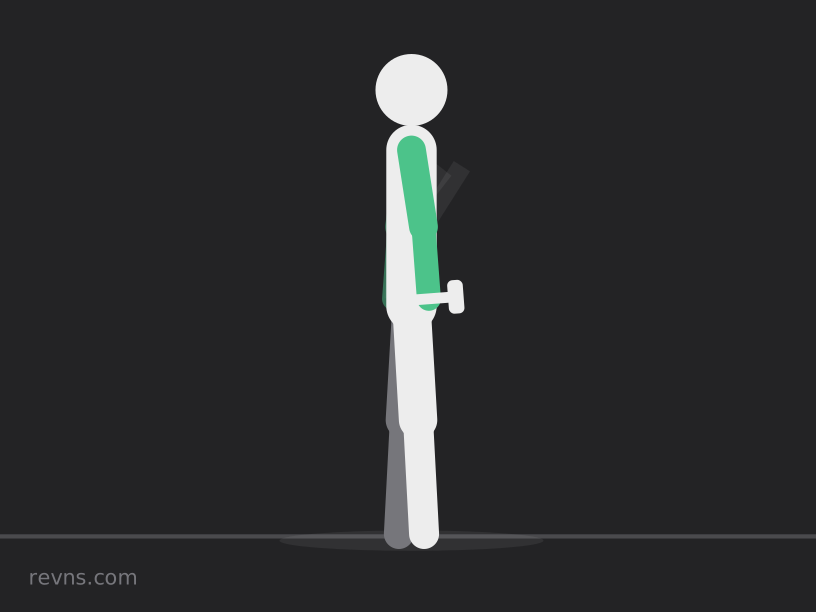
5. Cable reverse curls
Reverse curls train the brachialis and forearm extensors with an overhand grip. Use less weight than on standard curls; the wrists stay straight.
- Low pulley, straight bar, palms down.
- Curl the bar while keeping the elbows at your sides.
- Do not bend the wrists; forearms stay neutral.
- Lower under control.
Do: 2 × 12–15. Move on when: 15 reps on both sets; add a set before load. Common mistake: curling with the wrists. Grip the bar firmly and move only at the elbow. Easier: cable curls. Harder: heavier hammer curls.
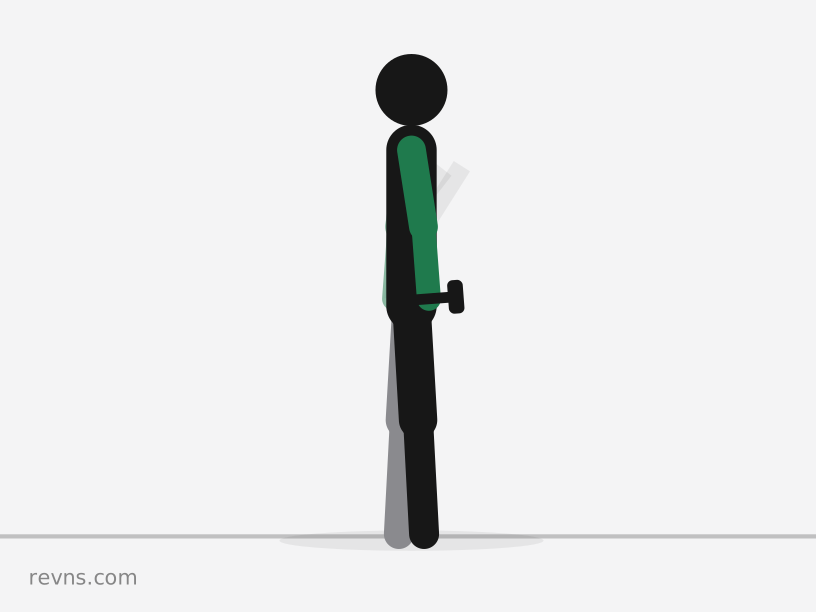
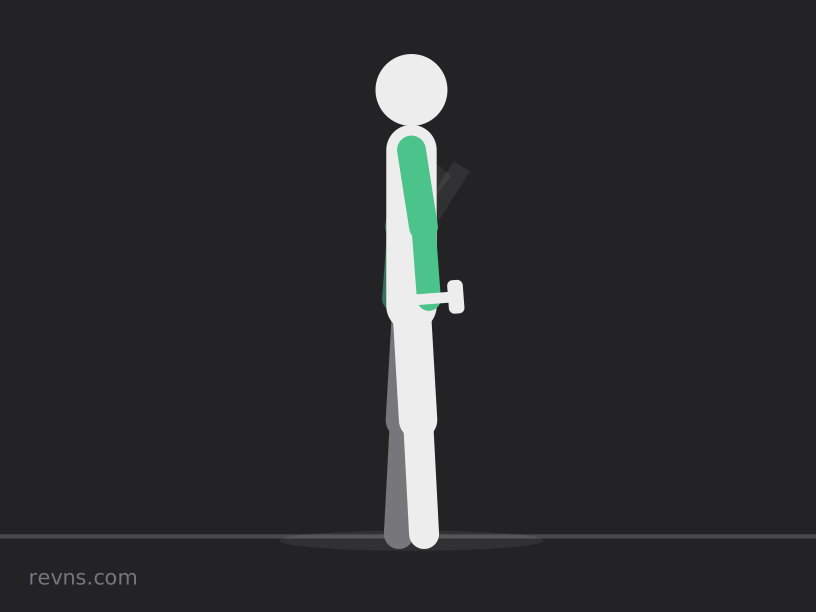
6. Tricep kickbacks (cable)
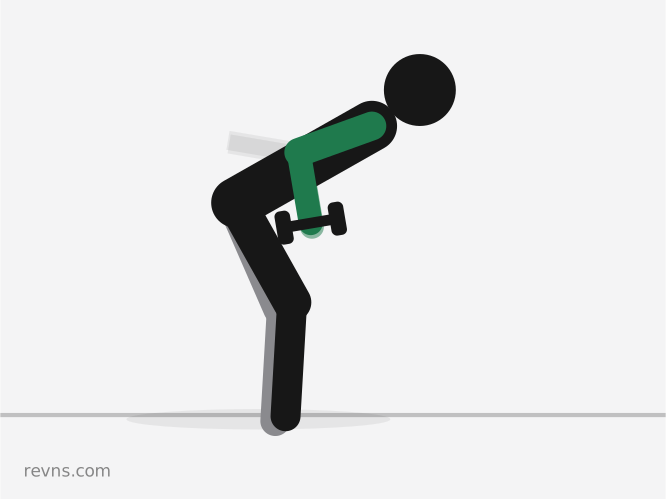
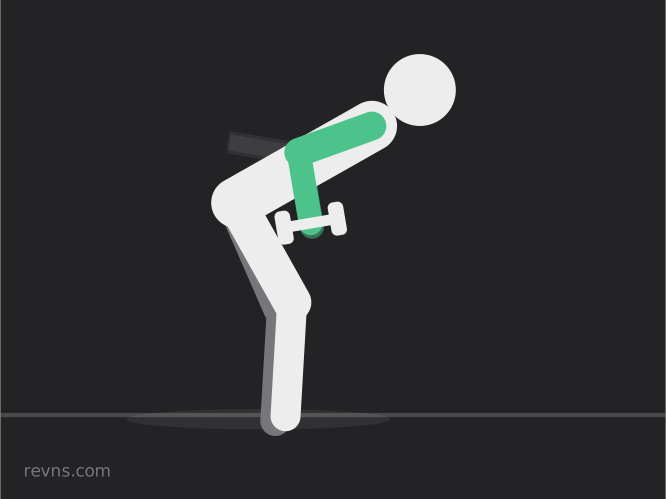
Kickbacks finish the triceps with the upper arm parallel to the floor. A single handle on the low pulley works like a dumbbell but keeps tension at full extension.
- Face the stack, hinge forward with a flat back, and grab the handle with one hand.
- Pin the upper arm against your side, elbow bent at 90 degrees.
- Step back until the cable is tight.
- Straighten the elbow back, squeeze, and return.
Do: 2 × 12–15 per arm. Move on when: you can pause one second at extension on every rep; then add load. Common mistake: swinging the shoulder. Brace the belly and move only the forearm. Easier: tricep pushdowns. Harder: skull crushers.
What muscles does arm day work?
Biceps brachii flex the elbow and help supinate the forearm (turn the palm up). Triceps brachii extend the elbow in three regions (long, lateral and medial heads). Brachialis sits under the biceps and adds thickness when you curl with a neutral or overhand grip. Forearm muscles support grip on every handle.
Compound presses and rows on other days still train arms. Chin-ups and dips hit biceps and triceps hard; this cable day adds direct volume without loading the spine again. If you are new to the gym, build a base with strength training for beginners before you chase arm-only sessions.
Arm day workout at the gym: how does this compare to barbells and dumbbells?
Pages that rank for “arm day workout at the gym” often mix close-grip bench press, barbell curls and skull crushers. Those are good choices when you have a rack and bench. This cable-only plan is for you when:
- you want one station and timed supersets;
- joint angles feel smoother on cables after heavy pressing days;
- you need small load jumps between sessions.
Cables do not replace heavy compounds for whole-body strength. They complement them. Pair this day with a leg session and a chest-and-back day in the same week, or follow a home routine like arm workout without weights when you travel.
What should you do this week?
- Session 1: Run supersets A and B only (four moves) to learn attachments and stack height. Log pin numbers in a workout log.
- Session 2 (later week): Full six-move session. Note reps left in reserve on pushdowns and curls.
- Next week: Add load on one move where you hit the top rep range twice. The one-rep-max calculator is for barbell tests; on cables, track the pin and reps instead.
- Week four: If elbows feel fine, add a third round to superset C only.
Sore arms for 48 hours after a first cable arm day is common; see DOMS explained for what is normal versus joint pain.
Who should check with a clinician first, and when should you stop?
This routine is for healthy adults who can stand and grip without pain. Ask a doctor or physiotherapist first if you have uncontrolled high blood pressure, a recent elbow or shoulder injury, tennis or golfer’s elbow that flares with gripping, or if you are pregnant and not cleared for overhead work.
Stop and seek advice for:
- Chest pain, fainting, or unusual breathlessness.
- Sharp pain in the elbow, wrist or shoulder, or swelling in a joint.
- Numbness or tingling down the arm during curls or pushdowns.
- Pain that worsens each week even after lowering the pin.
If overhead extensions bother the shoulders, swap them for extra pushdown sets and keep the elbows in a pain-free arc. If wrists hurt on reverse curls, skip them and add a set of rope hammer curls.
This is general training guidance, not medical advice.
Related
- Arm workout without weights: a six-move beginner routine at home
- How to warm up before a workout: how long and what to do
- Progressive overload in plain words
- Workout split tracker: which muscle groups you trained and what is due next
- Strength training for beginners: a simple plan for the first eight weeks
- Exercise library
Sources
- Bull FC et al. World Health Organization 2020 guidelines on physical activity and sedentary behaviour. Br J Sports Med 2020
- American College of Sports Medicine. Progression models in resistance training for healthy adults. Med Sci Sports Exerc 2009
- Schoenfeld BJ, Grgic J, Ogborn D, Krieger JW. Strength and hypertrophy adaptations between low- vs. high-load resistance training: a systematic review and meta-analysis. J Strength Cond Res 2017
- Ainsworth BE et al. 2024 Adult Compendium of Physical Activities. J Sport Health Sci 2024
Terms in this post
revns publishes training and nutrition guidance, not medical advice. See a clinician for symptoms, injury or a medical condition. Accurate as of November 21, 2026.