20 minute full body workout: intermediate home circuit with moving demos
A 20 minute full body workout at home: six moves, two timed 40/20 rounds, pike push-ups and supermans, plus easier swaps. No equipment.
revns editorial · Published November 21, 2026 · 11 min read

Intermediate 20-minute full body home workout: warm-up, two timed rounds of six moves (40s/20s), plank finisher. Shoulder and back work included.
A 20 minute full body workout at home can be six bodyweight moves done as two timed rounds, with 40 seconds of work and 20 seconds of rest, plus a short plank finisher. The circuit trains legs, chest and arms, shoulders, the trunk, and the muscles along the spine, with no equipment beyond floor space. It fits a healthy adult who can do at least 8 clean floor push-ups and bodyweight squats to parallel without a chair. Expect about 20 minutes with a three-minute warm-up. Train it two or three days a week on non-consecutive days. Every move below has a moving demo from the exercise library.
TL;DR
| Move | Timed round | Rep option (each round) | Rest after |
|---|---|---|---|
| Standing marches (warm-up) | 3 min easy | — | — |
| Squat | 40 s | 12 slow reps | 20 s |
| Split squat | 40 s per side* | 8 per leg | 20 s |
| Push-up | 40 s | max clean reps | 20 s |
| Pike push-up | 40 s | 8–12 reps | 20 s |
| Superman | 40 s | 12–15 reps | 20 s |
| Mountain climber | 40 s | steady pace | 20 s |
| Plank (finisher) | 45 s hold | 45 s hold | — |
*Alternate legs each round so both sides get equal work. Rest 60 s between full rounds.
What is a good 20 minute full body workout?
A good 20 minute full body workout covers the main movement patterns in one session: knee bend (squat), single-leg stance (split squat), horizontal push (push-up), vertical push (pike push-up), back extension (superman), dynamic trunk work (mountain climber) and a short isometric hold (plank). Many popular routines either stay at beginner regressions (wall push-ups and chair squats only) or jump straight into burpees and squat thrusts that are hard to scale in a small room. This circuit keeps the intensity up with tempo and single-leg work, not jumping.
You can run it by the clock (40 seconds on, 20 seconds off) or by reps if you prefer counting. Both versions use the same move order. The timed version is what makes the session land near 20 minutes without a stopwatch guess.
How do you do this 20 minute full body workout?
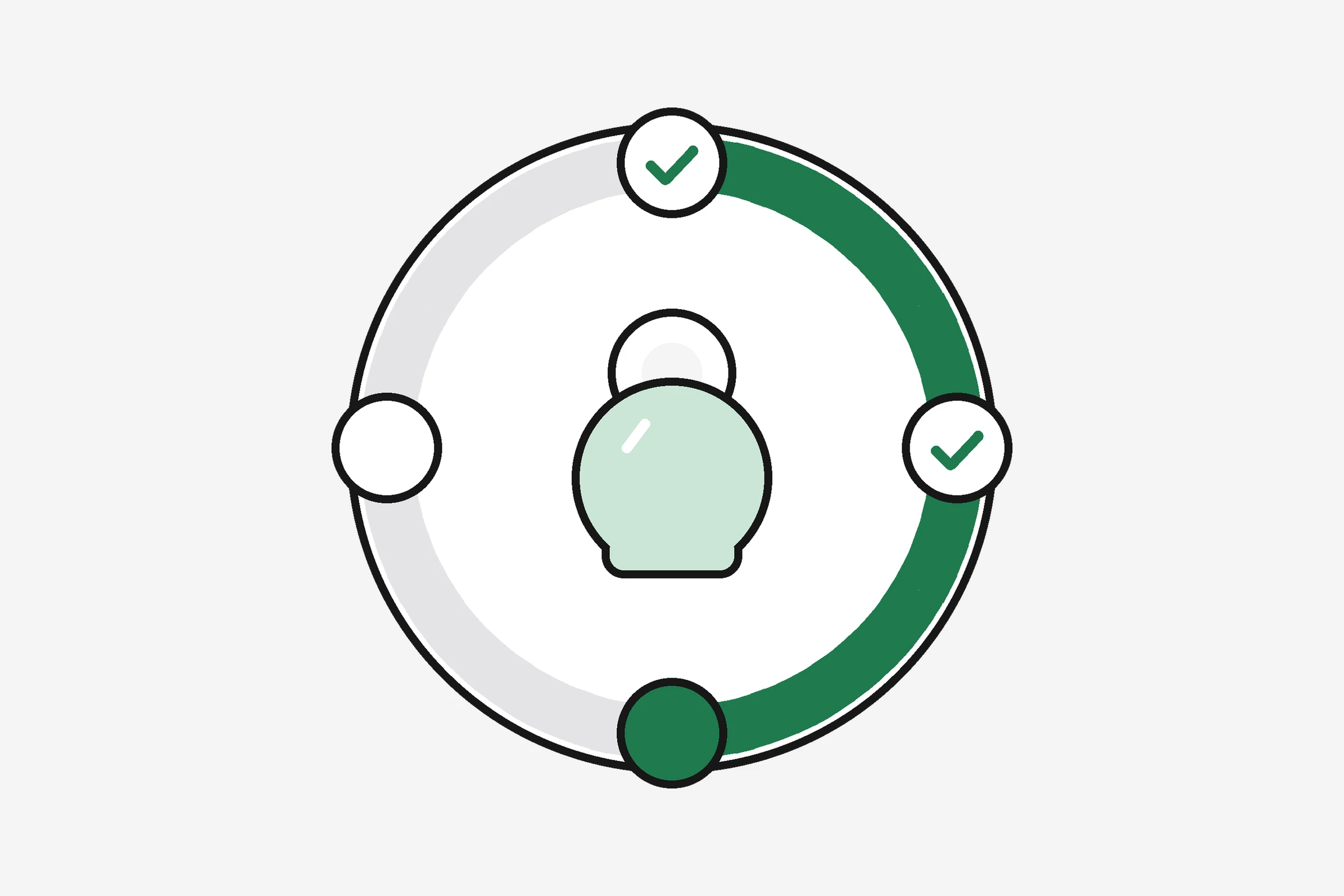
Session clock (about 20 minutes)
- Warm-up (3 minutes): march in place with arm swings, ten easy squats at half depth, ten cat-cow rounds if you are on a mat, and five slow arm circles each way.
- Round 1: squat → split squat (one leg, then switch next round) → push-up → pike push-up → superman → mountain climber. Use 40 seconds of work and 20 seconds of rest on each move.
- Rest 60 seconds after the mountain climber.
- Round 2: repeat the same six moves. On split squats, train the other leg if you only did one side in round one.
- Finisher: forearm plank for 45 seconds, stopping when your hips sag.
- Cool-down (optional, 1–2 minutes): walk slowly and breathe out longer than you breathe in.
If you prefer reps, do one set of each move in order, rest 30 seconds between moves, rest 60 seconds between rounds, and aim for the rep targets in the table. Two rounds should still finish near 20 minutes if you keep rest honest.
How hard should it feel?
In round one, aim for 7 out of 10 effort: you could do a few more reps, but the last ten seconds of each block feel like work. In round two, form comes first. Slow down, shorten range, or switch to the easier option mid-set rather than racing the clock with sloppy reps.
How many days a week?
Two or three days on non-consecutive days, for example Monday, Thursday and Sunday. The World Health Organization 2020 guidelines tell adults to do muscle-strengthening activity involving major muscle groups on at least two days a week. This circuit counts when the effort is real. Pair it with brisk walking or another easy cardio day if you are building toward 150 minutes of moderate activity per week. The rest days guide shows how to place hard and easy days.
When should you move up?
Progress when round two looks like round one for two sessions in a row. Then change one lever per week:
- add a third round of squats and push-ups only, or
- add 3 seconds to the lowering phase on squats and push-ups, or
- swap squats for squat pulses for one round, or
- extend the plank finisher by 5 seconds.
Do not add all four at once. If overtraining symptoms such as poor sleep, irritability or falling performance persist, cut back to one round for a week.
Optional heart-rate check
This routine can raise heart rate into a moderate zone, especially on mountain climbers. If you wear a watch, easy work often sits in zone 2 and the last half of round two may touch zone 3. That is normal for a timed circuit. The heart rate zone calculator gives rough zones from age if you want a reference, not a target you must hit.
The moves
Each block lists steps, a dose, one common mistake, and easier and harder options. Breathe out on the effort and in on the return. Never hold your breath through the whole set.
1. Squat
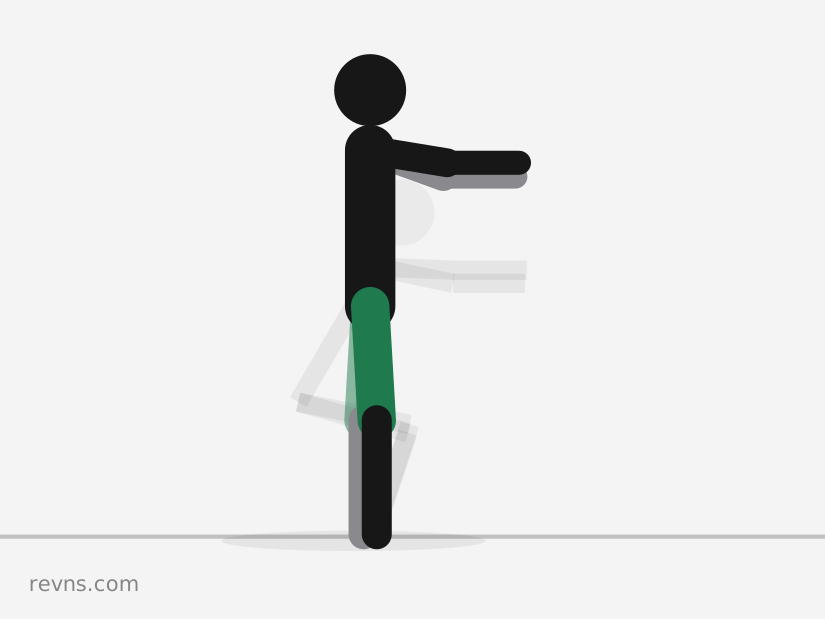
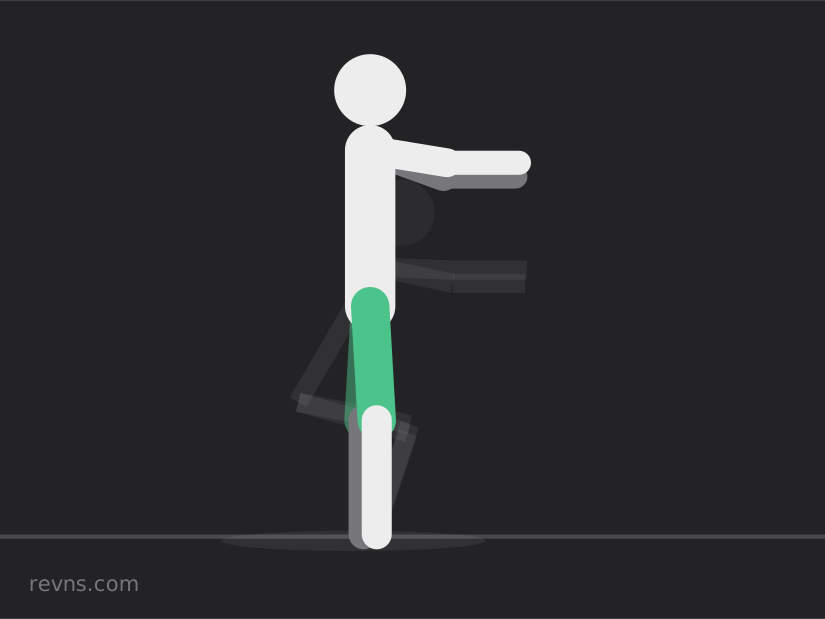
The squat loads the thighs and glutes and sets the pace for the lower-body half of the circuit. A three-second lowering makes light bodyweight feel harder without jumping.
- Stand with feet about shoulder-width apart, toes turned out slightly.
- Brace your trunk lightly and push your hips back.
- Bend your knees and lower until thighs are at least parallel if your joints allow.
- Press through the whole foot to stand, taking about one second up.
Do: 40 s timed, or 12 slow reps per round. Move on when: 15 tempo reps stay clean in both rounds. Common mistake: knees collapsing inward. Think about pushing the knees out in line with the toes. Easier: box squats to a chair. Harder: squat pulses at the bottom for the whole work interval.
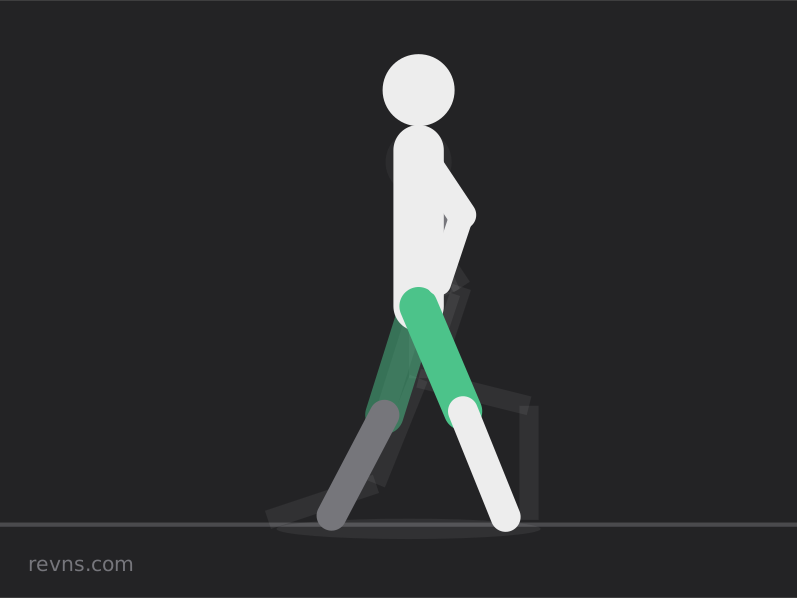
2. Split squat
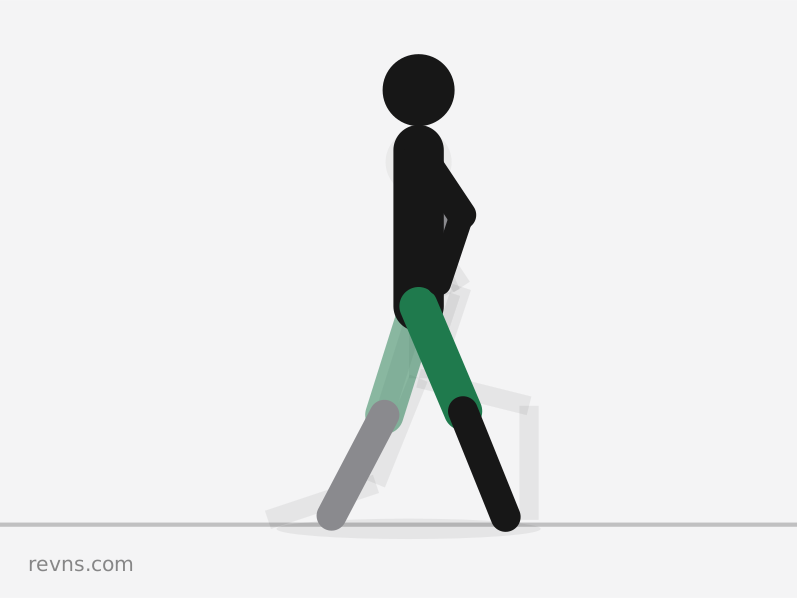
The split squat trains each leg with more load than a shared squat and builds balance. Feet stay fixed, which is easier to repeat on a timer than walking lunges.
- Stand in a long stagger, back heel lifted or toes on the floor.
- Lower straight down until both knees bend to about 90 degrees.
- Keep most of your weight on the front foot and your front knee over the mid-foot.
- Press through the front heel to rise without stepping.
Do: 40 s on one leg per round, switching legs between rounds, or 8 reps per leg. Move on when: 10 reps per leg feel steady without wobbling. Common mistake: a stride so short that the front knee travels far past the toes. Widen the stance. Easier: shallow reverse lunges with a hand on a wall. Harder: Bulgarian split squats with the back foot on a low step.
3. Push-up
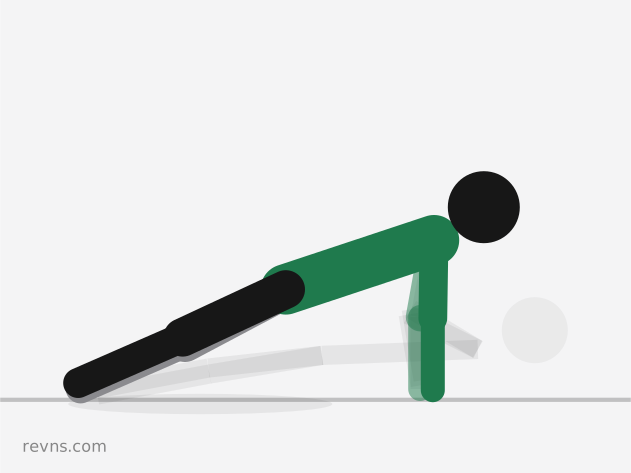
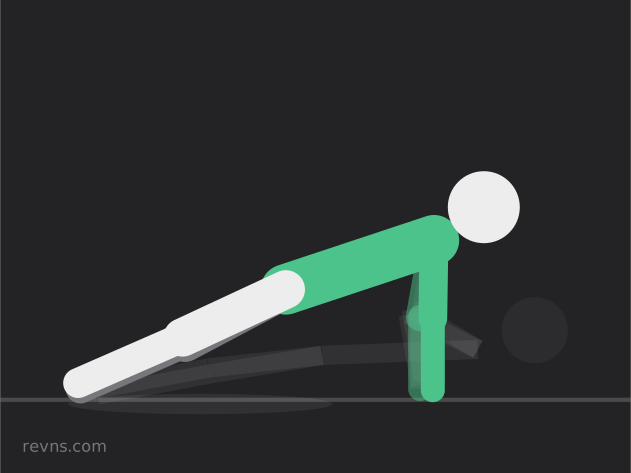
The push-up trains the chest, the front of the shoulders and the triceps, with the trunk working to keep a straight line. This intermediate plan assumes a floor version; use incline if the last reps in round two break down.
- Place hands slightly wider than shoulders, fingers forward.
- Make a straight line from head to heels.
- Lower your chest toward the floor with elbows about 45 degrees from your ribs.
- Press the floor away until arms are straight without locking aggressively.
Do: 40 s for max clean reps, or 10–15 reps. Move on when: you can do 15 reps in round one and still have 3 reps left in the tank. Common mistake: hips sagging or piking. Squeeze glutes and keep your eyes slightly ahead of your hands. Easier: incline push-ups on a sturdy counter. Harder: slow the lowering to four seconds, or try diamond push-ups for one round only.
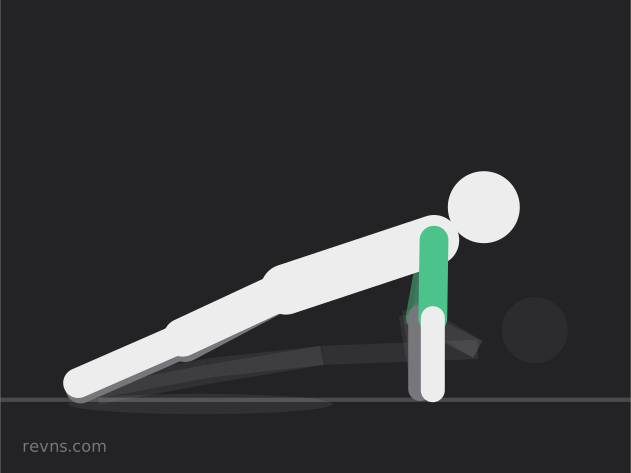
4. Pike push-up
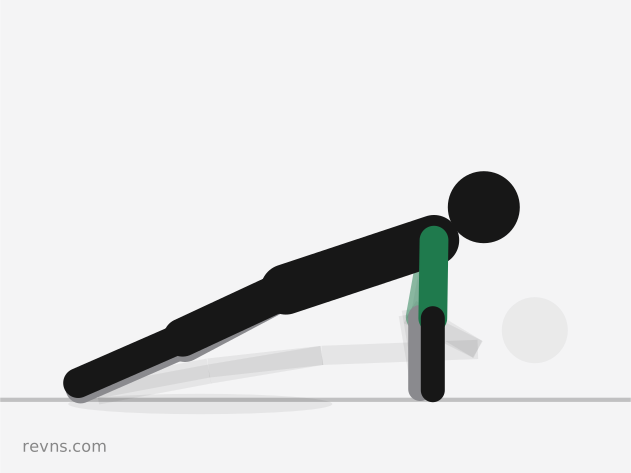
The pike push-up adds vertical pushing for the shoulders and upper back, which many 20-minute circuits skip because they only repeat standard push-ups. Hips stay high; range is smaller than a handstand push-up.
- Start in a push-up position, then walk your feet toward your hands until your hips are high.
- Look at your feet or shins, not forward.
- Bend your elbows and lower the top of your head toward the floor between your hands.
- Press back to the high-hip position.
Do: 40 s, or 8–12 reps. Move on when: 12 reps feel controlled. Common mistake: turning it into a regular push-up by dropping the hips. Walk the feet closer until the press feels vertical. Easier: pike with hands on a low step or sofa seat. Harder: feet elevated slightly on a step for more shoulder load.
5. Superman
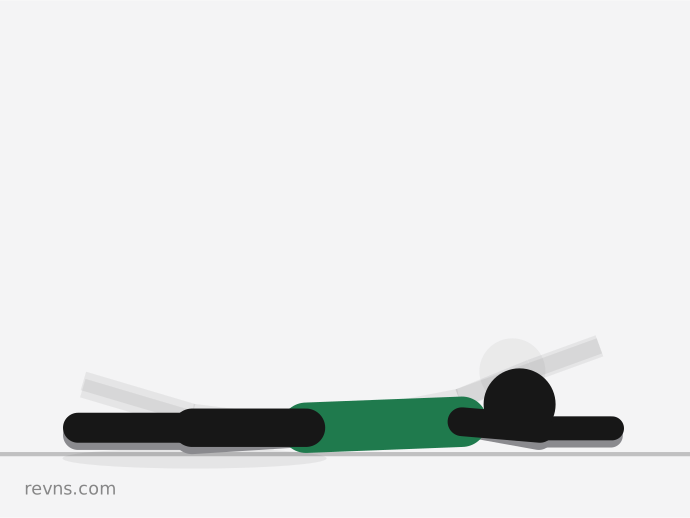
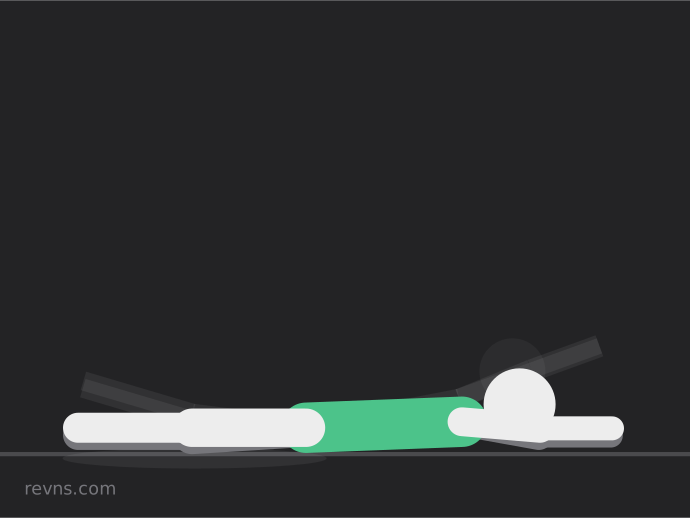
The superman trains the muscles along the spine and the glutes in extension. It does not replace a row, but it balances hours of sitting and all the pushing in this circuit.
- Lie face down with arms long and legs straight.
- Lift your chest, arms and legs a few centimetres off the floor at the same time.
- Hold for two seconds at the top without cranking your neck back.
- Lower with control and repeat.
Do: 40 s, or 12–15 reps. Move on when: 15 reps with a two-second hold feel easy. Common mistake: jerking up and dropping down. Move slowly and keep your gaze at the floor. Easier: lift only your arms, then only your legs, before combining. Harder: hold three seconds at the top each rep, or add a light backpack on your upper back if it stays stable.
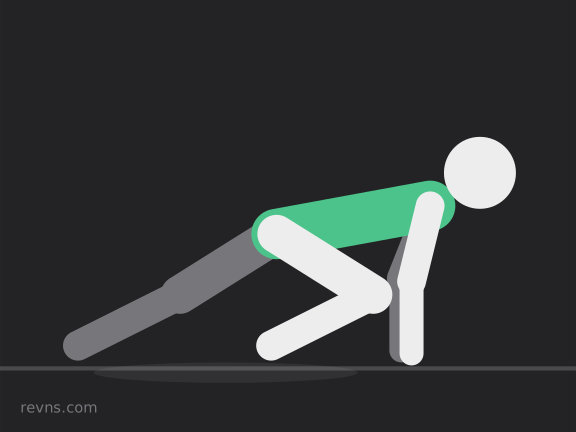
6. Mountain climber
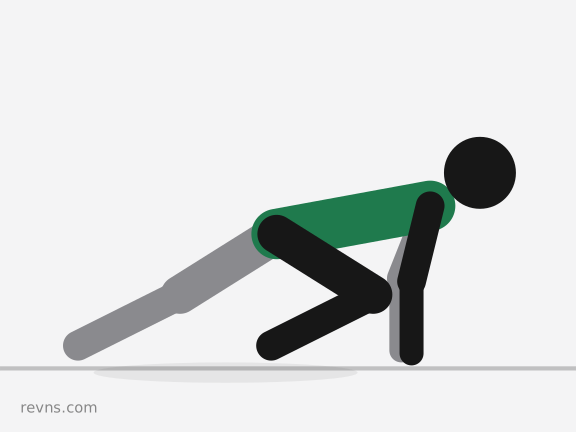
Mountain climbers add steady cardio and trunk bracing without the impact of jumping jacks. Pace them so you can keep your shoulders over your wrists.
- Start in a high plank with hands under shoulders.
- Drive one knee toward your chest without lifting your hips.
- Switch legs with a controlled rhythm, not a sprint, unless the timer is almost done.
- Breathe steadily and stop if your lower back rounds.
Do: 40 s continuous. Move on when: you can finish both rounds without your hips bouncing. Common mistake: hips rising toward the ceiling. Shift weight forward over your hands. Easier: slow march in plank, one knee at a time with a pause. Harder: cross the knee toward the opposite elbow for each drive.
7. Plank (finisher)
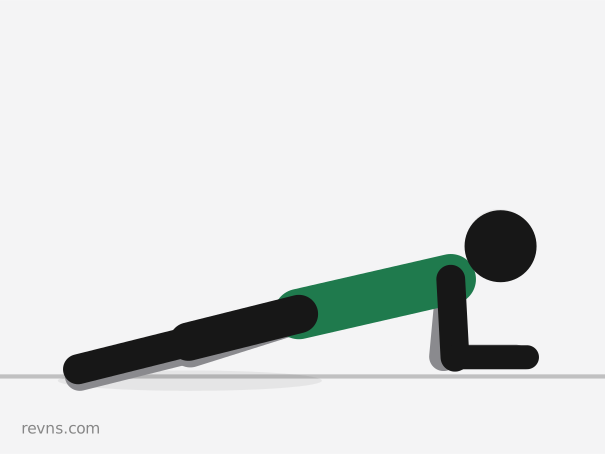
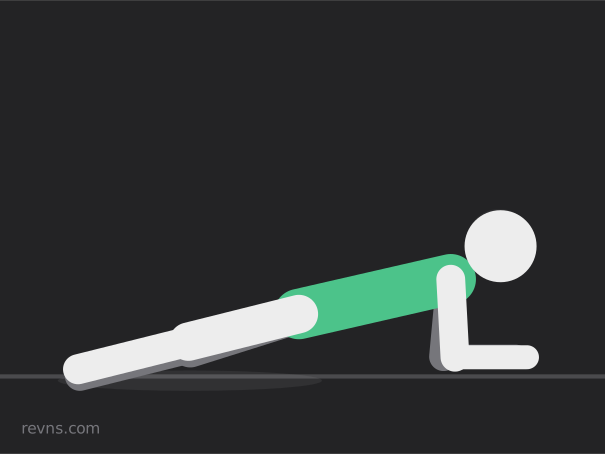
A short forearm plank after the circuit reinforces trunk stiffness when you are already fatigued. Quality over duration: end at 45 seconds or earlier if form slips.
- Rest on your forearms with elbows under shoulders.
- Step feet back so your body is one line from head to heels.
- Squeeze glutes and brace your stomach.
- Breathe in short, steady breaths.
Do: 45 s finisher after round 2. Move on when: 45 s is steady for two weeks; add five seconds. Common mistake: hips dropping. Film from the side once to check, or end the hold earlier. Easier: knee forearm plank. Harder: plank shoulder taps for the last 20 seconds only.
How does this compare with a beginner 20 minute full body workout?
The full body workout at home with no equipment for beginners uses a rep-and-rest format, bird dogs instead of supermans, and reverse lunges instead of split squats, with more rest between moves. That post is the right start if floor push-ups are not there yet. This intermediate circuit is tighter on time, adds shoulder work through pike push-ups, and uses a timer so the session length is predictable.
| Feature | Beginner six-move routine | This intermediate circuit |
|---|---|---|
| Push-up | Scaled to wall, incline or knees | Floor first, incline as backup |
| Legs | Squat and reverse lunge | Squat and split squat |
| Shoulders | Mostly through push-up | Pike push-up block |
| Back | Bird dog | Superman |
| Format | 2–3 rep-based rounds | 2 timed 40/20 rounds + plank |
| Length | About 25 minutes with 3 rounds | About 20 minutes as written |

Who is this routine for?
This plan suits someone who has done at least four to six weeks of regular bodyweight training, can hold a 30-second forearm plank, and wants a single session that hits the whole body before work or on a travel day. It is not a substitute for a dedicated leg or back day if you later add weights or a pull-up bar.
It is not aimed at people who need a clinical rehab programme. If you are returning after injury, use the easier links under each move and get clearance from a physiotherapist or doctor first.
What should you do this week?
- Session 1: One full timed round only, plus the warm-up and a 30-second plank. Note push-up count and split-squat depth.
- Session 2: Both rounds if session 1 felt fine. Write down which move broke down first.
- Session 3 (optional): Both rounds again, or swap session 3 for a 30-minute brisk walk if you are sore.
- Next week: Keep the same structure. Add one progression lever from the list above, not more.
- Logging: The simple workout tracker takes ten seconds if you want a record. For how this session fits a split, see workout split tracker.
You do not need special food for a 20-minute circuit. Eat normally, drink water when thirsty, and spread protein across meals from sources that suit you: lentils, beans, tofu, paneer, eggs, dairy, fish or meat. The protein calculator gives a starting range if you want one.
When should you see a professional?
Talk to a doctor or physiotherapist before starting if you have a heart or lung condition, uncontrolled high blood pressure, diabetes with complications, a recent surgery or injury, a hernia, osteoporosis, or if you are pregnant or recently postpartum. Stop and get advice for chest pain, fainting, unusual shortness of breath, dizziness that does not settle, sharp joint or back pain, spreading numbness, or pain that worsens week after week even on the easier versions.
Mild muscle soreness for a day or two after the first sessions is common. If soreness changes how you walk, take an extra rest day and return with one round.
This is general training guidance, not medical advice.
Related
- Full body workout at home with no equipment: a six-move beginner routine
- Strength training for beginners: a simple plan for the first eight weeks
- Back exercises at home without equipment: a six-move beginner routine
- Leg workout at home without weights: a six-move beginner routine
- Overtraining symptoms: what to watch and when to rest
- Rest days: how many you need and what to do on them
- Exercise library
Sources
- Bull FC et al. World Health Organization 2020 guidelines on physical activity and sedentary behaviour. Br J Sports Med 2020
- American College of Sports Medicine. Progression models in resistance training for healthy adults. Med Sci Sports Exerc 2009
- Schoenfeld BJ et al. Strength and hypertrophy adaptations between low- vs. high-load resistance training: a systematic review and meta-analysis. J Strength Cond Res 2017
- NHS. Strength exercises
- Ainsworth BE et al. 2024 Adult Compendium of Physical Activities
Terms in this post
revns publishes training and nutrition guidance, not medical advice. See a clinician for symptoms, injury or a medical condition. Accurate as of November 21, 2026.