AMRAP workout bodyweight: a 12-minute intermediate home routine with demos
An AMRAP workout bodyweight plan: five moves, fixed reps per round, 12-minute cap. Squats, push-ups, lunges, climbers and squat thrusts with demos.
revns editorial · Published November 23, 2026 · 10 min read

AMRAP bodyweight at home: 5 moves, 12-min cap, score rounds plus extra reps. Intermediate, no equipment, pace round one at 7/10, two or three days a week.
An AMRAP workout bodyweight plan repeats five no-equipment moves for a single time cap and scores how many full rounds you complete plus any leftover reps. This intermediate session cycles 10 squats, 8 push-ups (or knee push-ups), 12 reverse lunges (6 per leg), 16 mountain climbers and 6 squat thrusts for 12 minutes. Plan about 19 minutes with a four-minute warm-up and three-minute cool-down. AMRAP means as many rounds as possible: you choose when to rest inside the clock. Every move below has a moving demo from the exercise library.
TL;DR
| Move | Reps per round | Muscles stressed |
|---|---|---|
| Squat | 10 | Quads, glutes |
| Push-up | 8 | Chest, shoulders, triceps |
| Reverse lunge | 12 total (6/leg) | Quads, glutes, balance |
| Mountain climber | 16 total (8/leg) | Core, shoulders, hip flexors |
| Squat thrust | 6 | Legs, shoulders, conditioning |
Time cap: 12 minutes AMRAP (build to 15 min after three clean retests). Target round time: ~75–95 s when fresh. Pace: 7/10 on round one. Frequency: 2–3 non-consecutive days/week.

AMRAP workout bodyweight: what does it mean?
AMRAP (as many rounds as possible) is a single countdown timer and a fixed list of exercises with fixed reps. You finish move one, move two and so on, immediately start the next round at the top of the list, and keep going until the buzzer. Rest is your choice inside the cap: short pauses are fine, but long breathers cost rounds on your score.
Bodyweight means no dumbbells, bands or machines — only floor space, optional mat and a phone timer. That matches most home searches for AMRAP workout bodyweight, where people want conditioning without a gym.
Ranking pages often mix formats: all-jumping circuits (Nourish Move Love), burpee-heavy stacks (12 Minute Athlete), or ascending ladders (Men's Health) that are not classic fixed-round AMRAPs. Good written guides (Gymshark, FitCraft) explain pacing and scoring but rarely tie each move to regressions, rep standards and week-by-week time caps with demos. This post uses one repeatable round, named rep depth, and library links so form stays consistent between retests.
AMRAP is conditioning, not a substitute for progressive strength work. The World Health Organization still recommends 150–300 minutes of moderate or 75–150 minutes of vigorous aerobic activity weekly for adults, plus muscle-strengthening on two or more days (BJSM 2020 summary). A 12-minute AMRAP can count toward vigorous minutes when breathing is clearly heavy, but it does not satisfy the full week by itself.
Research on classic AMRAPs shows how punishing poor pacing can feel. In a 20-minute Cindy protocol (5 pull-ups, 10 push-ups, 15 squats), 32 young strength-trained men averaged about 92% of predicted maximum heart rate with very high lactate and Borg ratings near 17.6 (Maté-Muñoz et al., J Sports Sci Med 2018). You are not those athletes; the takeaway is that an unpaced AMRAP redlines quickly. Holding back early is data, not laziness.
How is a bodyweight AMRAP different from EMOM, Tabata or HIIT?
| Feature | This AMRAP (12 min) | EMOM at home | Tabata for beginners | Beginner HIIT |
|---|---|---|---|---|
| Clock | One countdown | New minute every 60 s | 20 s on, 10 s off | 30 s on, 30 s off |
| Rest | Self-paced | Leftover seconds in the minute | Fixed 10 s | Fixed 30 s |
| Score | Rounds + reps | No round score | Rounds optional | Rounds optional |
| Level | Intermediate | Intermediate | Beginner | Beginner |
| Best for | Pacing under fatigue, repeatable tests | Clock discipline | Learning 20/10 | First intervals |
Choose AMRAP when you want a number to beat on the same workout later. Choose EMOM when you want the timer to force rest. Choose beginner HIIT when equal work and rest feels easier than managing your own breaks.
How do you do this AMRAP workout bodyweight at home?
Rep standards (count the same way every retest)
- Squat: hips clearly below knee level if mobility allows; otherwise consistent partial depth.
- Push-up: chest within a fist's height of the floor; full lockout at the top (knee version if scaled).
- Reverse lunge: back knee near but not slamming the floor; torso upright.
- Mountain climber: each knee drive counts one rep; hips stay level.
- Squat thrust: hands to floor, feet step or jump to plank, return and stand — no push-up or jump at the top unless you use the harder swap.
Before you start: test round and counter
- Warm-up (4 minutes): standing marches, arm circles, eight slow squats, six wall push-ups, four reverse lunges per leg, ten slow mountain climbers, two easy squat thrusts.
- Test round: do one full round at half speed. Note the time. If it takes more than 2 minutes, drop 2 reps from lunges or climbers today only.
- Set a 12-minute countdown (add 15 seconds only if your app needs a ready countdown).
- Start the clock and run squat → push-up → lunge → climber → thrust in that order with no mandated rest between moves.
- After each full round, move one counter (penny, hair tie, tally on paper) to a second pile — do not trust tired mental math.
- When time ends, stop and log rounds + partial reps (example: 3+22).
- Cool-down (3 minutes): slow march, forward fold 20 s, hip flexor stretch each side 20 s.
Pacing rules
- Round one at 7/10 effort. If you sprint round one, round four often becomes walking between moves.
- Split sets early. For push-ups, do 5 + 3 from the first round instead of grinding 4 + 4 near failure.
- Breathe on squats. That is your cheapest recovery; save lying on the floor for true stops.
- Last 90 seconds: if form is still clean, you may push toward 8–9/10; never trade reps for a rounded back or collapsing knees.
The heart rate zone calculator can confirm work is vigorous if you wear a watch; perceived effort is enough when you are consistent week to week.
Progression table
| Week | Time cap | Adjustment | Retest rule |
|---|---|---|---|
| 1 | 12 min | As written or minus 2 lunge reps | Log score; note scaling |
| 2 | 12 min | Same | Add 1 rep to squat thrusts only if round-one time stayed under 95 s |
| 3 | 12 min | Same | Beat week-1 score by ≥1 full round or ≥10 partial reps before extending time |
| 4 | 15 min | Same reps | New baseline score at 15 min |
| 5 | 15 min | Optional: push-ups from toes on every round | One change at a time |
Optional later swap: replace 6 squat thrusts with 4 burpees on a separate retest day — not mid-session with other upgrades.
How many days a week?
Two or three non-consecutive days fit most schedules. Pair with at least one easy walk or low-impact cardio day. Read how many rest days you need before stacking this after heavy squats or a long run. If legs feel heavy for 48 hours after every AMRAP, drop to two days or shorten the cap.
What do ranking AMRAP pages cover — and what do they miss?
| Common on ranking pages | Often missing |
|---|---|
| “As many rounds as possible” defined | Rep standards that survive retests |
| 10–20 minute promise | 75–95 s round-one target for rep sizing |
| Burpee-heavy stacks | Sustainable sixth move (squat thrust before burpee) |
| “Go all out” | 7/10 round-one rule with study-backed caution |
| Follow-along video | Counter method and split-set plan for push-ups |
| Cindy-style pull-ups | Intermediate bodyweight with linked regressions |
This guide fills those gaps so you can run the workout from a timer and open each /exercises page during breather seconds.
The moves
Move in order every round. If a joint complains, use the Easier swap for that move for the rest of the session and note it in your log.
1. Bodyweight squat
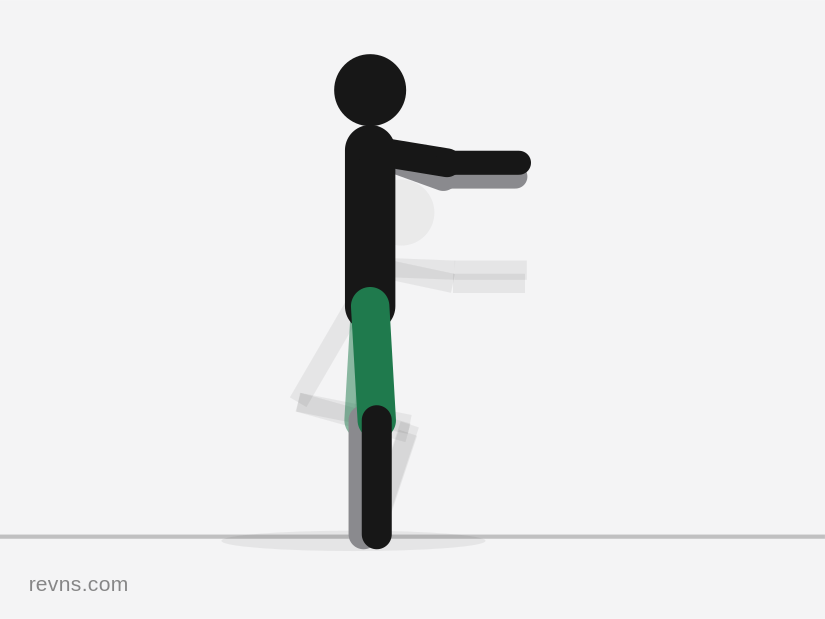
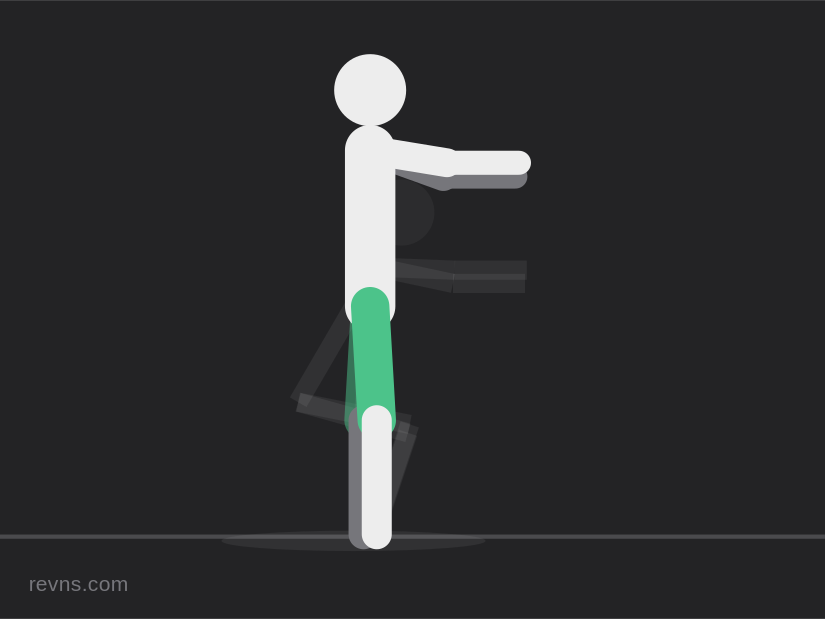
Squats start every round and train quads and glutes while you catch rhythm before upper-body work.
- Stand feet shoulder-width, toes slightly out.
- Brace the trunk; ribs stay over pelvis.
- Sit hips back and down; keep heels down when ankles allow.
- Knees track over toes; stop at consistent depth.
- Drive through mid-foot to stand without locking knees aggressively.
Do: 10 reps every round. Move on when: depth and knee tracking match in your last full round.
Common mistake: folding forward with heels lifting — shorten depth until the chest stays modestly upright.
Easier: box squats to a chair. Harder: jump squats only on a separate conditioning day with quiet landings.
2. Push-up
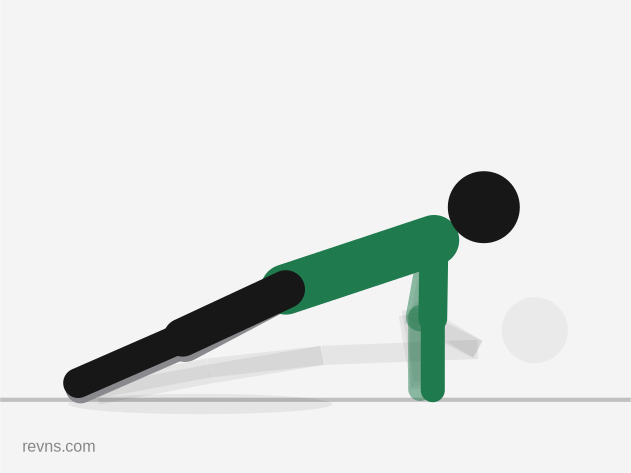
Push-ups load chest, shoulders and triceps while the legs briefly recover from squats.
- Hands slightly wider than shoulders, fingers forward.
- Body straight from head to heels (or knees if scaled).
- Lower the chest toward the floor with elbows about 45° from the ribs.
- Press up without sagging the lower back.
- Breathe out on the press; split into 5 + 3 if needed.
Do: 8 reps every round. Move on when: hips stay in line on the last rep of your final round.
Common mistake: hands too far forward — stack shoulders over wrists.
Easier: knee push-ups or wall push-ups. Harder: pause 1 second at the bottom each rep.
3. Reverse lunge
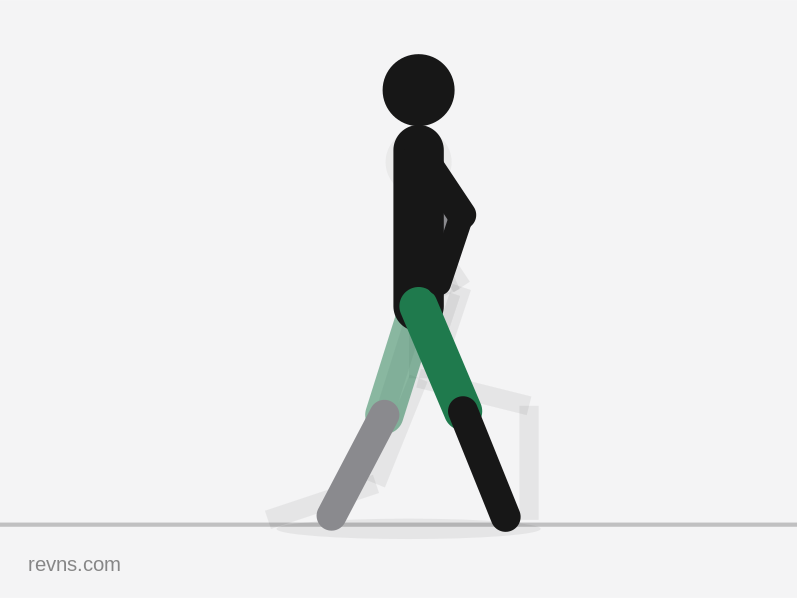
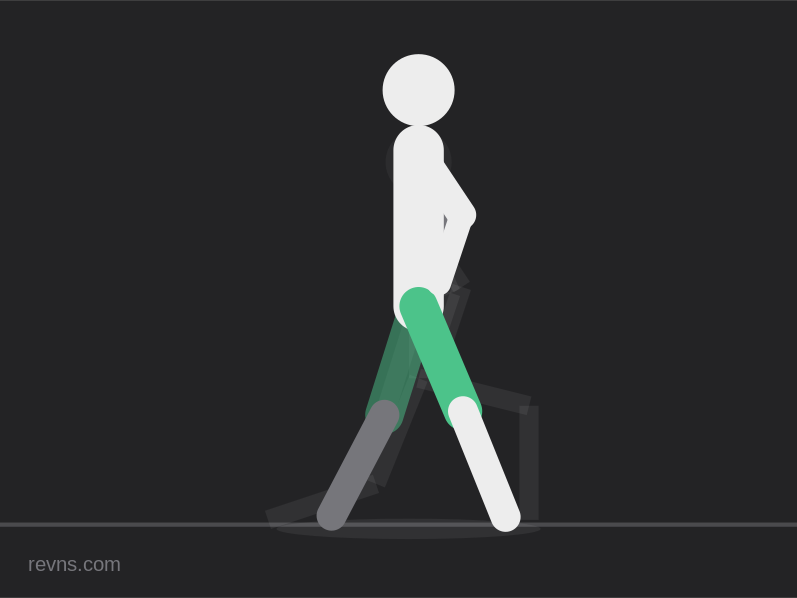
Reverse lunges train quads, glutes and single-leg stability with less forward knee stress than walking lunges in a tight space.
- Stand tall, feet hip-width.
- Step one foot back onto the ball of the foot.
- Lower until both knees are near 90°; torso upright.
- Push through the front heel to stand.
- Alternate legs until 12 reps (6 per side) are done.
Do: 12 total reps each round. Move on when: you finish without wobbling on the last lunge of your last round.
Common mistake: short steps so the back knee slams — lengthen the step and control the descent.
Easier: split squats with feet fixed, 6 reps per side. Harder: walking lunges if you have six metres of space.
4. Mountain climber
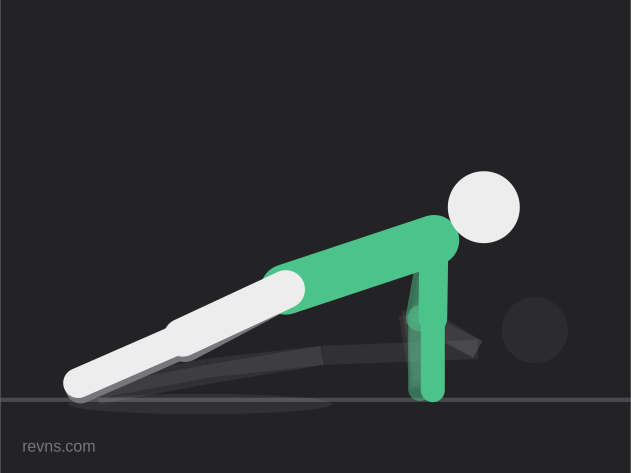
Mountain climbers raise heart rate and train core, shoulders and hip flexors in a short window.
- Start in a straight-arm plank, shoulders over wrists.
- Brace the trunk; hips level with shoulders.
- Drive one knee toward the chest, then switch.
- Land toes lightly; avoid bouncing the hips.
- Count 16 total knee drives (8 per leg).
Do: 16 reps each round. Move on when: the plank line stays level on your last round.
Common mistake: hips bouncing high — slow the pace until the trunk stays quiet.
Easier: step knees in one at a time without speed goals, or hold high plank for 20 s instead of 16 reps. Harder: plank jacks for 12 reps if wrists tolerate impact.
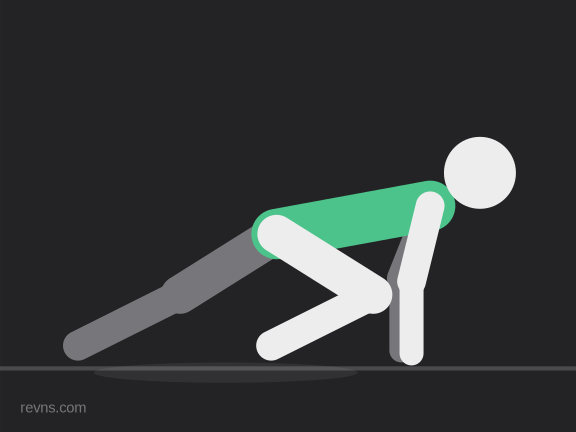
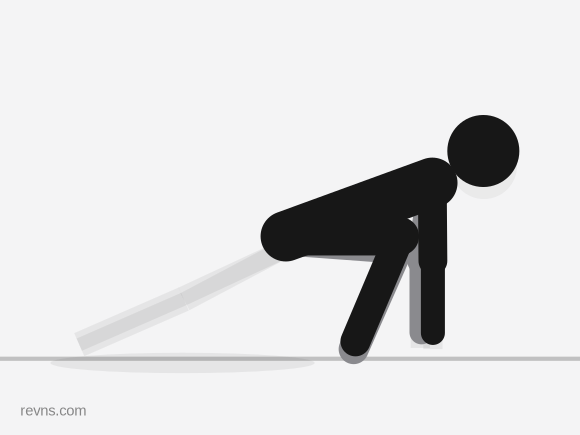
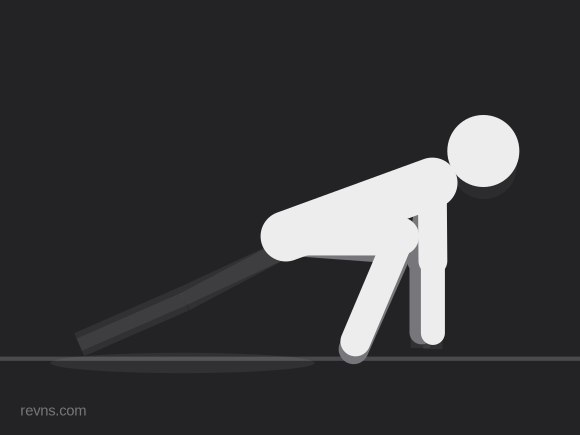
5. Squat thrust
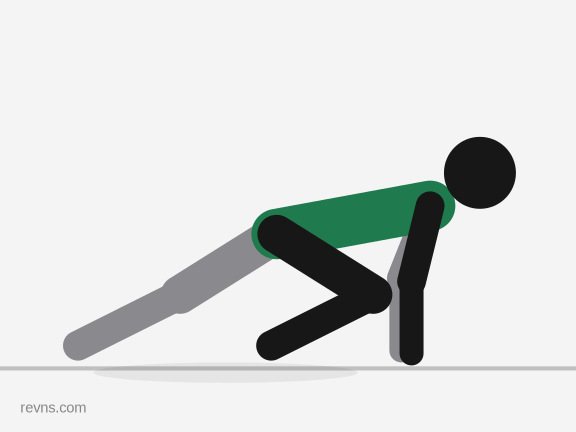
Squat thrusts finish the round with conditioning and floor transitions without a jump at the top.
- Stand tall, feet hip-width.
- Bend knees, place hands on the floor shoulder-width.
- Step or jump feet back to a straight plank.
- Step or jump feet forward to the hands.
- Stand tall; repeat for 6 reps without collapsing the lower back.
Do: 6 reps each round. Move on when: plank stays flat on rep 6 of your last round.
Common mistake: piking hips in the plank — step back instead of jumping until the line stays straight.
Easier: mountain climbers for 10 slow reps in place of thrusts. Harder: burpees for 4 reps on a separate scored workout.
What muscles does a bodyweight AMRAP work?
Across five moves you load quads, glutes, hamstrings, chest, shoulders, triceps, core, hip flexors and calves. AMRAP is mixed conditioning, not a push/pull split for maximal muscle gain.
Energy cost depends on body size and speed. The 2024 Adult Compendium lists vigorous calisthenics and circuit-style bodyweight work around 7.5–11 MET (Compendium tables). A 70 kg person might use roughly 100–190 kcal in 12 minutes of hard mixed work — a rough range, not a target.
Can you run this AMRAP in a small apartment?
Yes. Use step-back squat thrusts, reverse lunges with a short step, and slow climbers instead of jumps. For a quieter finisher, substitute squat thrusts with step jacks (20 total) using ideas from the quiet apartment workout. Keep landings soft if you try optional jump squats on a different day.
What should you do this week?
- Day 1: Run the test round, then 12 minutes AMRAP; log rounds + reps and effort out of 10.
- Day 2: Rest or easy walk.
- Day 4: Repeat the same workout; aim for even pacing, not a faster round one.
- Day 6: 30-minute home circuit or strength — not another AMRAP.
- Week 2: Retest; progress only if the table criteria are met. Use a workout log.
Who should check with a clinician first, and when should you stop?
Ask a clinician before hard interval training if you have heart or lung disease, uncontrolled blood pressure, recent surgery, pregnancy complications, or unexplained chest symptoms. Pregnant people should follow clinician-led activity guidance rather than maximal circuits.
Stop and seek urgent care for chest pain, fainting, severe breathlessness, or irregular heartbeat. Stop this workout for sharp joint pain, swelling, dizziness, or pain that worsens each week.
This is general training guidance, not medical advice.
Related
- EMOM workout at home: a 20-minute intermediate bodyweight routine with demos
- Tabata workout for beginners at home: two 20/10 blocks with moving demos
- Beginner HIIT workout at home: a six-move no-equipment circuit with demos
- Rest days: how many you need and what to do on them
- Exercise library
Sources
- Bull FC et al. World Health Organization 2020 guidelines on physical activity and sedentary behaviour. Br J Sports Med 2020
- Maté-Muñoz et al. Cardiometabolic and muscular fatigue responses to different CrossFit workouts (“Cindy” AMRAP). J Sports Sci Med 2018
- Ainsworth BE et al. 2024 Adult Compendium of Physical Activities
- American College of Sports Medicine. Physical Activity Guidelines Resources
- U.S. Centers for Disease Control and Prevention. How much physical activity do adults need?
Terms in this post
revns publishes training and nutrition guidance, not medical advice. See a clinician for symptoms, injury or a medical condition. Accurate as of November 23, 2026.