Lower ab exercises at home: a five-move routine with no equipment
Lower ab exercises at home work the bottom of your trunk with reverse crunches, dead bugs, leg raises and hollow holds. Sets, reps, demos and a weekly plan.
revns editorial · Published November 20, 2026 · 8 min read
Lower ab exercises at home: reverse crunch, dead bug, bent-knee leg raise, hollow hold and slow mountain climber for two rounds, two or three days a week.
Lower ab exercises at home train the bottom of your trunk with slow hip curls and leg movements that keep your lower back pressed down — reverse crunches, dead bugs, bent-knee leg raises, hollow holds and controlled mountain climbers, in that order, for two rounds. You need no equipment except a mat or carpet. The session takes about seventeen to twenty-two minutes. Train it two or three non-consecutive days a week. Every move has a moving demo in the exercise library.
TL;DR
| Move | Prescription | Rest |
|---|---|---|
| Reverse crunch | 10–12 | 30–45 s |
| Dead bug | 8 per side | 30–45 s |
| Leg raise (bent knees if needed) | 8–10 | 30–45 s |
| Hollow hold | 15–25 s | 30–45 s |
| Mountain climber (slow) | 20 total (10/side) | 60 s between rounds |
Two rounds. Optional cat-cow warm-up: 8 slow reps.
| Stage | Target | Move on when |
|---|---|---|
| Week 1 | One round, bent-knee leg raises | Lower back stays down on every rep |
| Week 2 | Two rounds, hollow hold 15 s | Last rep matches the first rep |
| Week 3+ | Add 2 reps or 5 s holds | No hip-flexor cramping or low-back pinch |
What are lower ab exercises?
Lower ab exercises load the rectus abdominis and deep core where the pelvis curls toward the ribs, or where the legs move while you stop the lower back from arching. Physiology textbooks often lump this into “anterior core” training rather than a separate muscle you can isolate perfectly — nerve supply and fascia connect the whole front of the trunk. Still, reverse crunches, leg raises and hollow holds bias hip flexion with a posterior pelvic tilt, which is what most people mean when they search lower abdominal exercises.
What they are not: fast sit-ups that wrench the neck, planks held until your back sags, or gadget ads that promise spot fat loss. They are skill practice you can log next to runs and lifts in a simple workout tracker.
What lower ab exercises work best at home?
At home, the best lower ab exercises use bodyweight, slow tempo and a flat lumbar spine. Anti-extension drills such as dead bugs and hollow holds train you to keep the lumbar spine from arching while the legs move; slow hip-flexion curls such as reverse crunches and leg raises load the front of the trunk with control. Those patterns show up in running, lifting and everyday posture more often than high-rep cranking without form cues.
This routine picks five library moves that rank on competitor pages but adds move-on rules, easier and harder links, and breathing cues those pages often skip.
How do you do this lower ab workout?
Session structure
- Warm-up (2 minutes): cat-cow, eight slow breaths.
- Round 1: reverse crunch → dead bug → leg raise → hollow hold → mountain climber. Rest 30–45 seconds between moves; 60 seconds after mountain climbers.
- Round 2: repeat. Skip round 2 in week one if hip flexors cramp or the low back pinches.
- Cooldown (optional): lie on your back, knees bent, feet flat, breathe slowly for one minute.
How often
Two or three non-consecutive days (for example Tuesday, Thursday, Sunday). Pair with rest days guidance if you also squat heavy or run intervals the same week. Lower ab work fits after an easy run or at the end of a full body workout at home.
Progression rule
Change one variable per week: two more reps, five more seconds on the hollow hold, or straighter legs on leg raises only when the back stays down. Do not add all three at once.
The moves
Each block has steps, dose, a common mistake, and easier or harder options.
1. Reverse crunch
The reverse crunch targets the bottom of the front trunk by lifting the hips instead of the shoulders. It is usually easier on the neck than traditional sit-ups.
- Lie on your back, arms at your sides or palms under your hips for support.
- Bend the knees to about 90 degrees over the hips.
- Exhale and curl the hips off the floor, bringing the knees toward the chest without kicking.
- Pause one second at the top; your lower back starts on the floor each rep.
- Lower slowly over two to three seconds.
Do: 10–12 reps. Move on when: 12 reps stay smooth for two sessions. Common mistake: swinging the knees with momentum. Slow the lowering phase. Easier: smaller curl, feet stay on the floor. Harder: bicycle crunch with slow tempo.
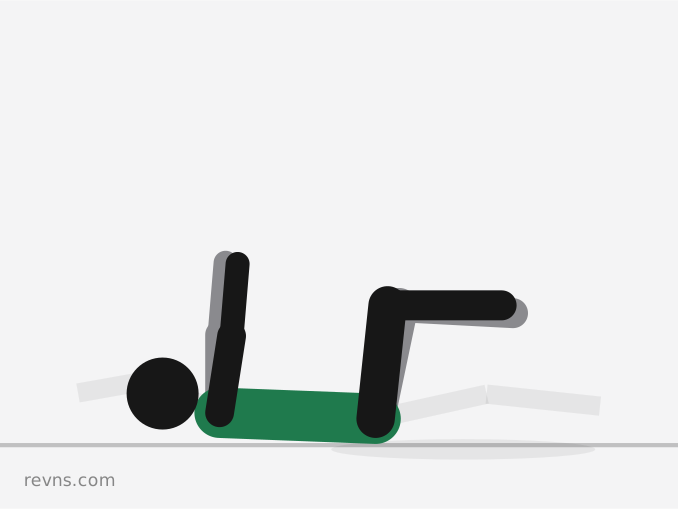
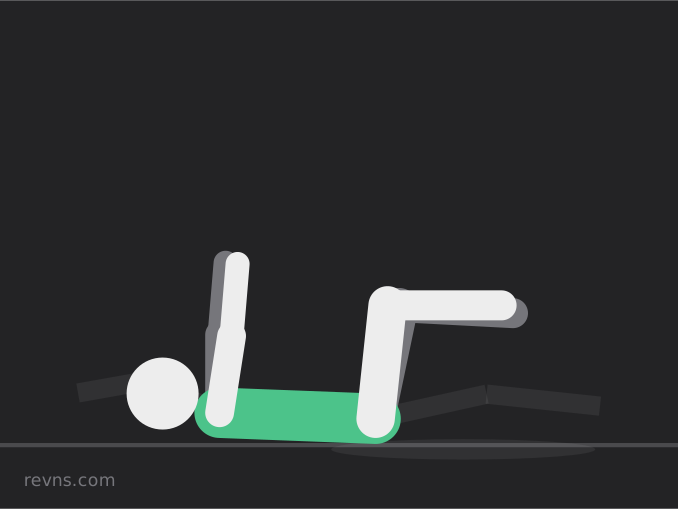
2. Dead bug
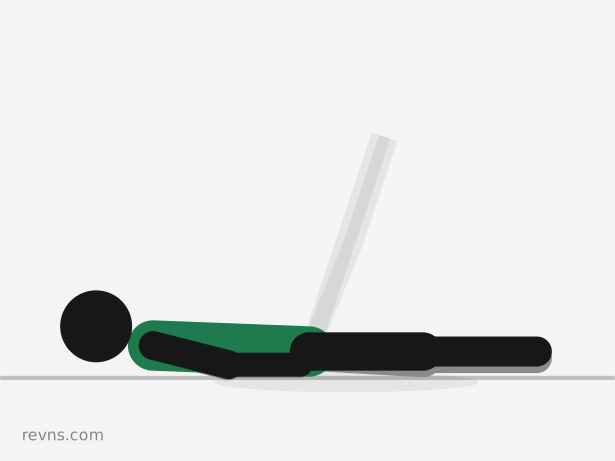
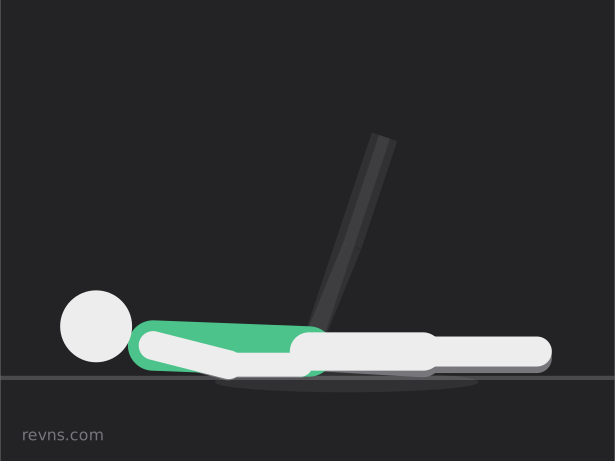
Dead bugs teach the deep core to keep the lumbar spine down while opposite arm and leg move. They bridge beginner core work and harder leg raises.
- Lie on your back, arms toward the ceiling, knees bent at 90 degrees over hips.
- Press the lower back gently into the floor.
- Reach one arm overhead and the opposite leg toward the floor without the back arching.
- Return and switch sides over three seconds out, three seconds back.
- Exhale as the arm and leg extend.
Do: 8 reps per side. Move on when: 10 per side stay stable. Common mistake: arching as the leg lowers. Shorten the leg path. Easier: crunches feet on floor. Harder: smaller leg raise range when the back stays flat.
3. Leg raise
Leg raises load the lower abs when you lift both legs while pinning the lower back down. Beginners use bent knees.
- Lie on your back, hands under your hips or at your sides.
- Press the lower back into the floor before you move.
- Keeping knees bent at 90 degrees, lift the thighs toward the chest.
- Lower until the back would arch — stop before that point.
- Progress to straighter legs only when every rep stays pain-free and the back stays down.
Do: 8–10 reps. Move on when: straight-leg reps stay clean for a full set. Common mistake: lowering legs so far the back lifts. Stop higher. Easier: single-leg lowers. Harder: longer hollow hold instead of extra reps.
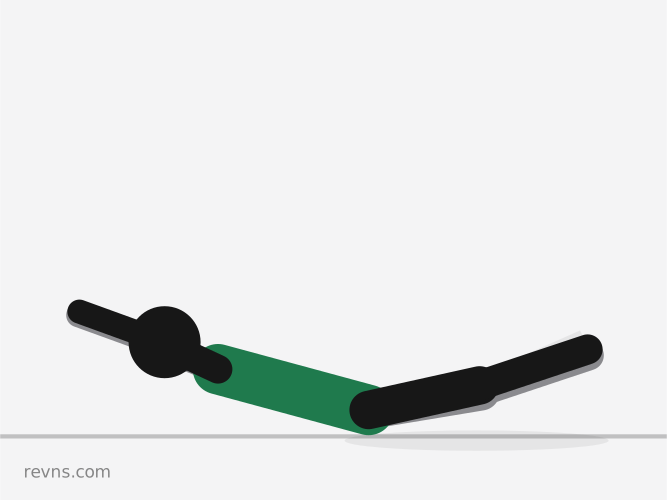
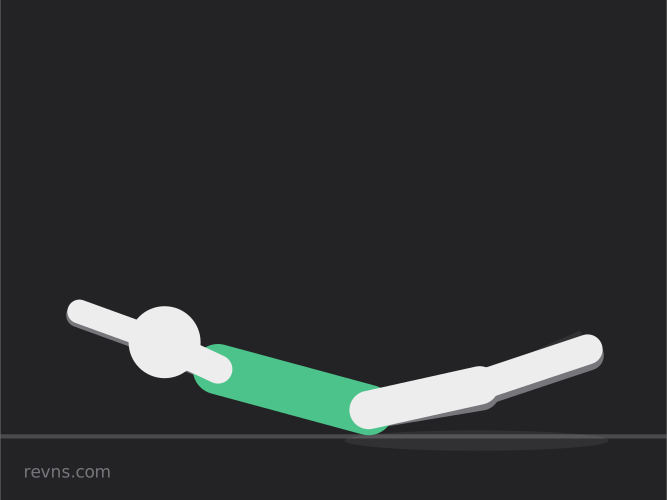
4. Hollow hold
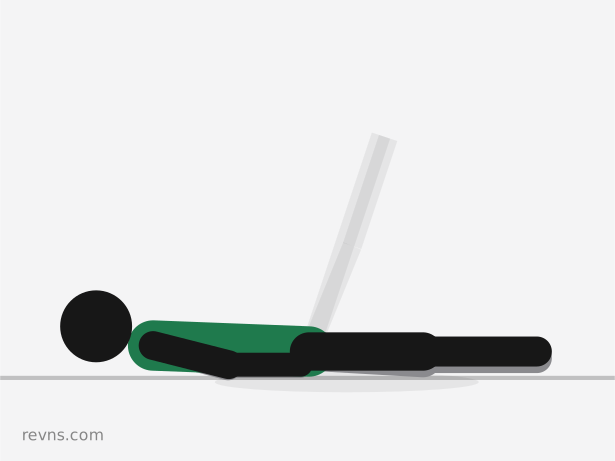
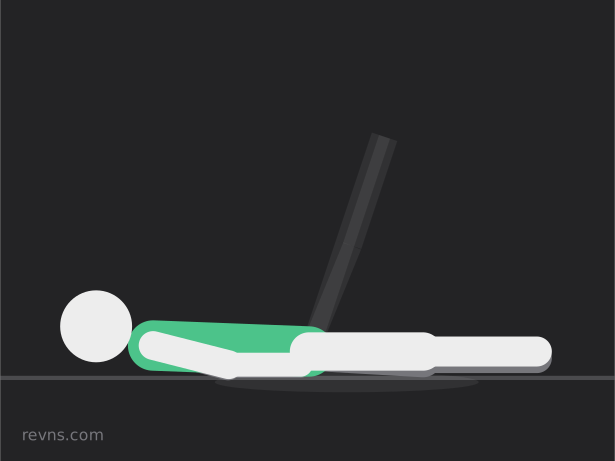
The hollow hold is an isometric brace: arms and legs float while the lower back stays glued to the floor.
- Lie on your back, arms by your sides or overhead.
- Press the lumbar spine down.
- Lift the head and shoulders slightly; lift straight legs a few inches off the floor (bend knees to tuck if needed).
- Breathe shallowly while holding shape.
- Stop when the back peels up or you hold your breath.
Do: 15–25 seconds. Move on when: 25 s with bent knees, then legs a bit straighter. Common mistake: holding the breath. Steady small breaths keep blood pressure safer. Easier: knees tucked, arms at sides. Harder: arms overhead, legs longer.
5. Mountain climber
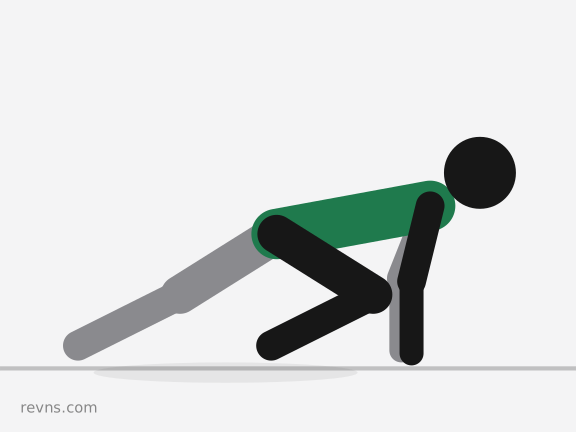
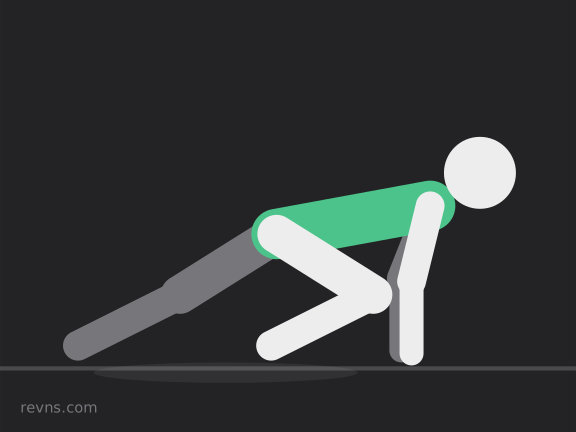
Slow mountain climbers add light dynamic work after isometric holds. Speed is not the goal; knee drive with a braced trunk is.
- Start in a high plank, hands under shoulders, body in one line.
- Brace the core as if someone might poke your stomach.
- Drive one knee toward the chest without hiking the hips.
- Return the foot; switch sides over two seconds each step.
- Stop when hips sag or shoulders shrug to your ears.
Do: 20 steps total (10 per side). Move on when: hips stay level for the full set. Common mistake: sprinting the feet. Count “one-one thousand” per step. Easier: forearm plank 20 s instead. Harder: faster steps only if form stays perfect.
How is this different from other lower ab workouts online?
Pages that rank for lower ab exercises often sell ab rollers, show 40-second HIIT timers with ten moves and no rest coaching, or list moves without easier regressions. This guide keeps five named exercises with demos, ties dose to WHO strength-frequency guidance, and links a progression ladder so beginners are not thrown into straight-leg V-ups on day one.
If you want a timed circuit instead, see the 10 minute ab workout at home. For a broader beginner core session, use the core workout for beginners at home.
What should you do this week?
- Session 1: One round only. Note whether the back stayed down on leg raises.
- Session 2 (two days later): Two rounds if session 1 felt fine. Log “lower abs, 2 rnd, hollow 15 s.”
- Session 3: Add two reverse crunches or five seconds on hollow hold, not both.
- Next week: If hip flexors cramp, swap mountain climbers for an extra plank and keep dead bugs.
If you use revns, log a Calisthenics or Yoga session, or add these moves under a strength day and track sleep — short nights make hollow holds feel harder for many people (how much sleep you need).
Do lower ab exercises help women and men the same way?
The exercises use the same anatomy; sex does not change the move list. People with longer torsos may need smaller leg ranges; people with tight hamstrings may keep knees bent longer on leg raises. Train to your range, not a video model’s range.
When should you see a professional?
Get individual advice if you have:
- Sharp low-back pain during leg lowers, not mild muscle burn.
- Numbness or tingling down a leg when you lift one leg.
- Pelvic floor symptoms (leaking, heaviness) that worsen when you brace.
- Diastasis recti or recent abdominal surgery — before hollow holds or fast climbers.
- Chest pain, fainting or unusual breathlessness during holds.
Pregnant people should follow clinician or midwife guidance on supine floor work and long bracing before sessions that combine hollow holds and fast climbers.
This is general training guidance, not medical advice.
Related
- Core workout for beginners at home: six moves, no equipment
- 10 minute ab workout at home: a timed beginner routine on a mat
- Plank variations for beginners: six holds from wall to floor
- Rest days: how many you need and what to do on them
- Full body workout at home with no equipment: a six-move beginner routine
- Simple workout tracker: log a day in ten seconds
- Exercise library
Sources
- Bull FC et al. World Health Organization 2020 guidelines on physical activity and sedentary behaviour. Br J Sports Med 2020
- American College of Sports Medicine. Progression models in resistance training for healthy adults. Med Sci Sports Exerc 2009
- Ainsworth BE et al. 2024 Adult Compendium of Physical Activities
Terms in this post
revns publishes training and nutrition guidance, not medical advice. See a clinician for symptoms, injury or a medical condition. Accurate as of November 20, 2026.