Workout before bed that will not keep you up: a gentle 10-minute mat routine
A workout before bed that will not keep you up: six gentle mat moves, slow reps, 10 minutes, effort about 3 out of 10. Finish 60–90 minutes before sleep.
revns editorial · Published November 24, 2026 · 9 min read
Beginner bedtime mat workout: six slow mobility and core moves, about 10 minutes at 3–4/10 effort. Avoid HIIT and heavy lifting late; finish 60–90 minutes before lights out.
A workout before bed that will not keep you up is slow mobility and light core work on a mat — not HIIT, heavy lifts or breathless cardio. This 10-minute beginner routine uses cat-cow, hip flexor stretch, thread the needle, slow glute bridges, dead bugs and child's pose at about 3 to 4 out of 10 effort. Finish 60 to 90 minutes before lights out. Every move has a moving demo in the exercise library.
TL;DR
| Order | Move | Prescription | Rest after |
|---|---|---|---|
| 1 | Cat-cow | 8 slow cycles | — |
| 2 | Hip flexor stretch | 30 s per side | — |
| 3 | Thread the needle | 5 reps per side, slow | 20 s |
| 4 | Glute bridge | 8 slow reps | 20 s |
| 5 | Dead bug | 4 reps per side | 20 s |
| 6 | Child's pose | 60–90 s, nasal breathing | — |
Week one: one round only. If you feel more awake afterward: drop glute bridges that night, or move the whole routine earlier by 30 minutes.
Workout before bed that will not keep you up: what counts as safe?
A bedtime workout that will not keep you up stays low intensity, floor-based for most of the round, and paired with slow breathing. Think mobility and light core control, not a second training day. The problem with late exercise is usually how hard you go, not the clock itself. Stutz and colleagues published a 2019 systematic review and meta-analysis in Sports Medicine on evening exercise and sleep in healthy adults. When sessions ended at least about an hour before bed, pooled data did not show worse sleep on average compared with control nights. That does not mean everyone can run intervals at 10 p.m.; it means gentle work is a different conversation from vigorous work.
| Late session type | Typical effort | Sleep risk for many adults | This guide |
|---|---|---|---|
| HIIT, heavy lifting, sprints | High | Higher if close to bed | Skip at night |
| Moderate strength circuits | Moderate to high | Mixed; some feel wired | Not this routine |
| Slow mobility, yoga-style stretch | Low | Lower in reviews | Yes |
| Long holds, child's pose, breathing | Very low | Lowest stimulation | Yes |
Competitor pages for this query often list yoga poses without a rep count, rest, or effort cap, or they are video follow-alongs with no text prescription. Ranked guides also rarely link each move to regressions you can tap on a phone beside the bed. This post gives one order, moving demos, and when to make it easier.
Why move at night if you are not training hard?
Evening movement can undo daytime stiffness from desk work, driving or childcare. Hips and the upper back often hold tension that makes it harder to relax in bed even when you are tired. Gentle drills also give the brain a repeatable ritual: same mat, same six moves, same slow breath. Rituals do not replace sleep therapy for chronic insomnia, but they can mark the start of a wind-down when the rest of the house is quiet.
Health targets still live in daytime sessions. The World Health Organization tells adults to do muscle-strengthening activity on two or more days a week and enough moderate aerobic activity across the week. This bedtime round does not check off a hard leg day. It supports recovery and comfort. Pair it with a morning workout routine in 15 minutes or a low-impact cardio circuit on separate days for real training load.
How do you do this bedtime workout?
Session clock (about 10–12 minutes)
- Minutes 0–2: eight slow cat-cow cycles. Match each arc to a full breath in and out through the nose if you can.
- Minutes 2–4: hip flexor stretch — 30 seconds per side. Soft knee on a folded towel if needed.
- Minutes 4–6: thread the needle — 5 reps per side, pausing one breath in the bottom. Rest 20 seconds before the next move.
- Minutes 6–8: glute bridges — 8 slow reps, 2-second squeeze at the top, 3 seconds down. Rest 20 seconds.
- Minutes 8–9: dead bugs — 4 reps per side, moving as slowly as you can with the low back down. Rest 20 seconds.
- Minutes 9–12: child's pose for 60 to 90 seconds. Let exhales last a beat longer than inhales.
Dim lights if you can. Phone on do-not-disturb. If you track sleep, log the session as mobility or yoga-style work, not cardio, so weekly load stays honest in your sleep tracking view next to bedtime and wake times.
Effort, breathing and timing
Stay at 3 to 4 out of 10: you could talk in full sentences throughout. If breathing speeds up or your face feels hot, stop the round and go straight to child's pose for two minutes.
Finish 60 to 90 minutes before you plan to fall asleep when possible. If life only allows movement 20 minutes before bed, keep only cat-cow, hip flexor stretch and child's pose — skip bridges and dead bugs that night.
How many evenings a week?
Three to five is enough. Daily is fine if you wake rested and joints stay calm. Leave at least one evening completely off if you also lift or run hard that day. On heavy training days, prefer rest-day ideas or this routine, not both a hard session and a hard bedtime circuit.
What not to add before sleep
Do not stack burpees, beginner HIIT, jumping jacks, heavy squats, long runs or caffeine within 6 hours of bed. Caffeine timing research shows even a large dose 6 hours before bedtime can cut sleep in sensitive adults. If you need help falling asleep beyond movement, read how to fall asleep faster for habits with stronger evidence than any single stretch.
The moves
Each block has steps, dose, one mistake to avoid, and easier or harder options. Soft mat or carpet protects knees.
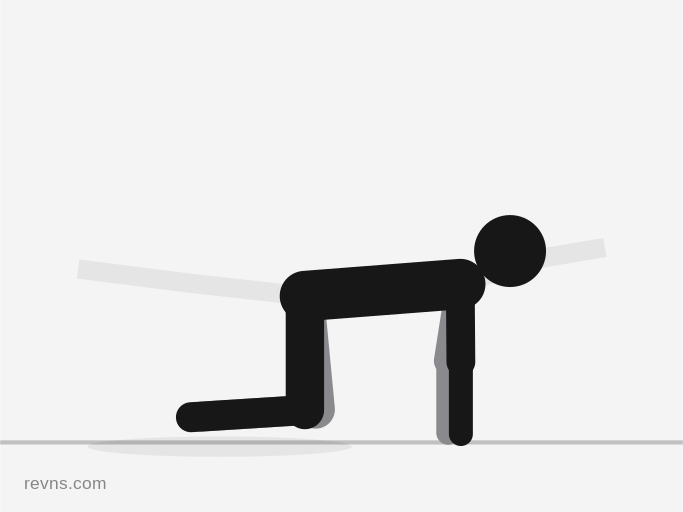
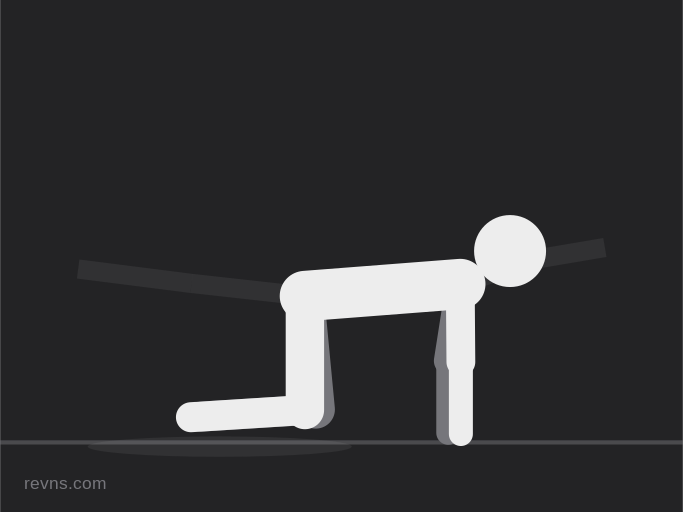
1. Cat-cow
Cat-cow loosens the whole spine after sitting. It starts the round without raising heart rate.
- Kneel on all fours, hands under shoulders, knees under hips.
- Breathe in: drop the belly, lift the chest and tailbone (cow).
- Breathe out: round the spine, tuck the chin (cat).
- Move smoothly between the two shapes.
Do: 8 slow cycles. Common mistake: rushing so the ribs never move — fix by syncing one full shape per breath. Easier: smaller range. Harder: pause 2 seconds in each shape.
2. Hip flexor stretch
Tight hip flexors from chairs and commuting pull on the lower back. This kneeling stretch targets the front of the hip without standing cardio.
- Kneel with one foot forward, knee over ankle.
- Tuck the pelvis slightly so your ribs stay over your hips.
- Shift forward until you feel a stretch at the front of the back hip.
- Hold, breathe, then switch sides.
Do: 30 s per side. Common mistake: arching the lower back — fix by squeezing the glute on the kneeling side. Easier: forward fold standing. Harder: world's greatest stretch on a different day, not before bed.
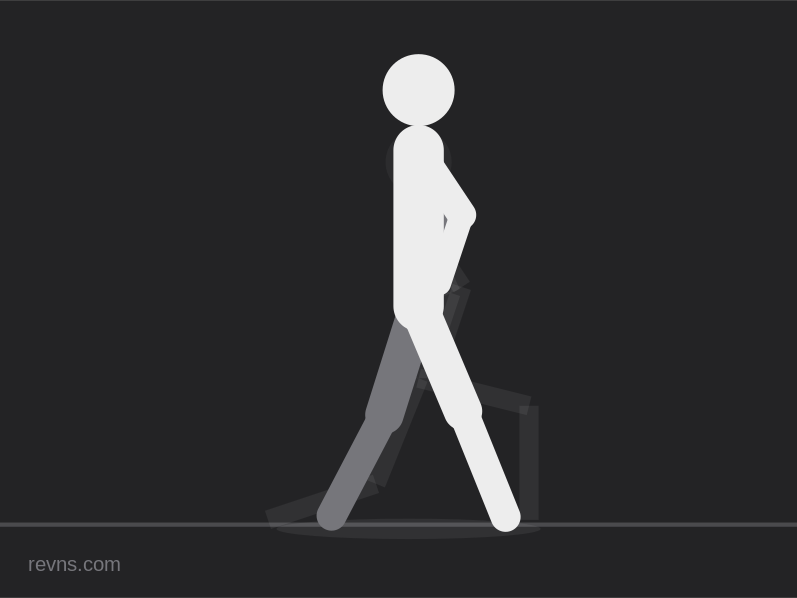
3. Thread the needle
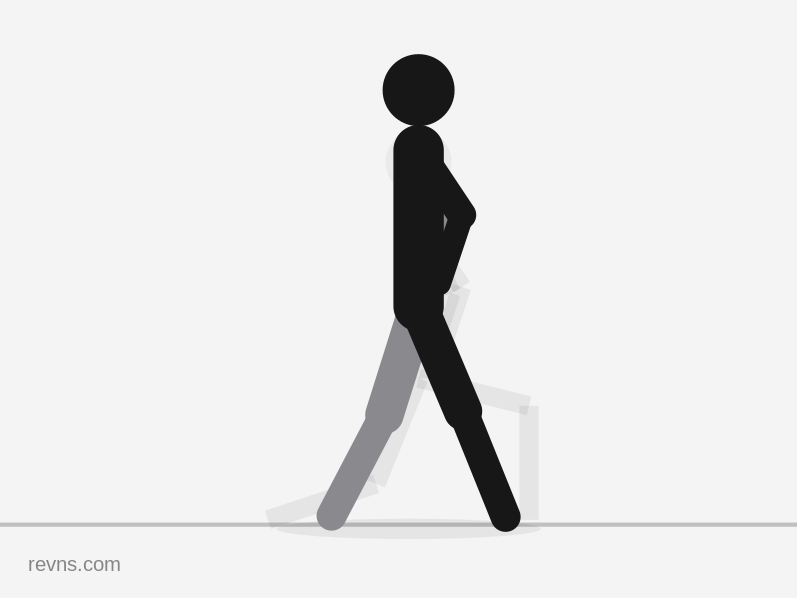
Thread the needle adds gentle rotation through the upper back and shoulders, where desk work often stiffens.
- Start on all fours.
- Slide one arm under your body, palm up, shoulder toward the floor.
- Pause, then sweep that arm up to the ceiling, following with your eyes.
- Repeat slowly, then switch sides.
Do: 5 reps per side. Common mistake: shifting the hips — fix by keeping knees hip-width and moving only through the upper back. Easier: smaller arc. Harder: longer pause at the bottom (not bigger twist).
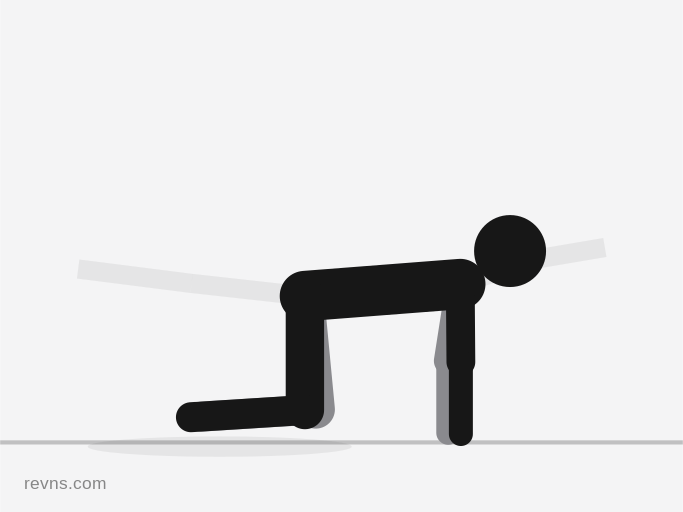
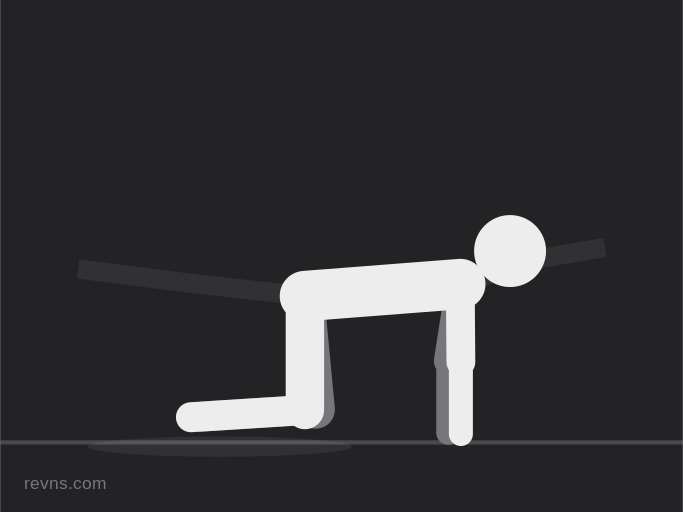
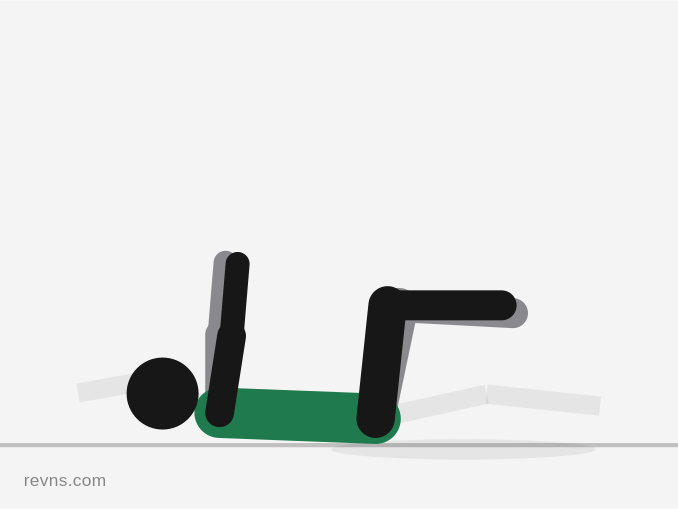
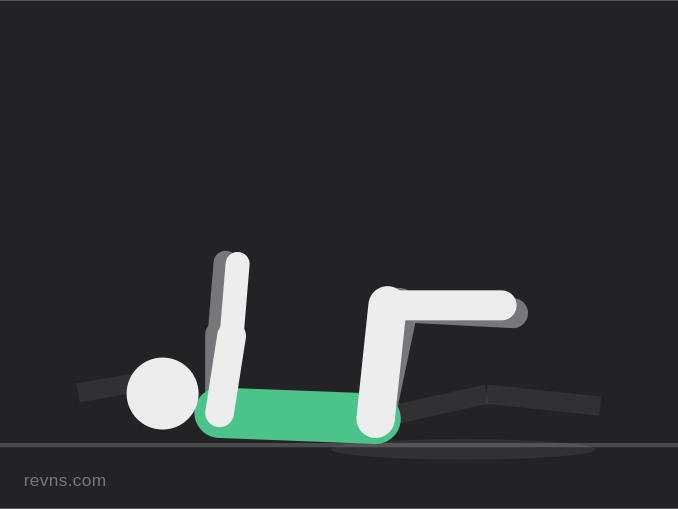
4. Glute bridge
Slow glute bridges wake the hips without jumping. At bedtime, use low reps and a long lower.
- Lie on your back, knees bent, feet flat hip-width apart.
- Tuck the pelvis slightly and brace the trunk.
- Press through the heels and lift the hips until shoulders, hips and knees line up.
- Squeeze two seconds, lower for three seconds.
Do: 8 reps. Common mistake: arching the back at the top — fix by ribs down and a smaller lift. Easier: bird dog on all fours instead of bridges that night. Harder: single-leg glute bridge only in daytime sessions, not here.
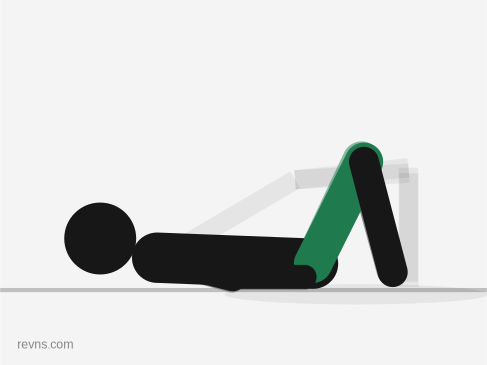
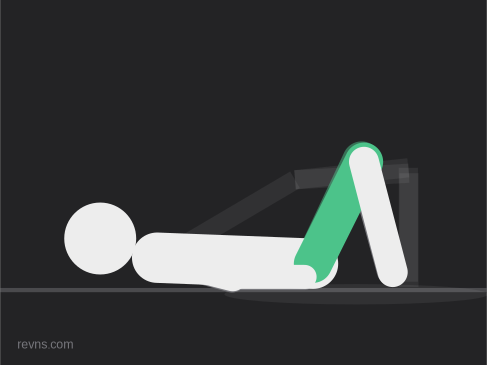
5. Dead bug
Dead bugs train deep core control while you lie still on the mat — useful for back comfort without crunches that spike neck tension.
- Lie on your back, arms to the ceiling, knees bent 90 degrees over hips.
- Press the low back gently into the floor.
- Lower the opposite arm and leg slowly; stop before the back arches.
- Return; switch sides.
Do: 4 reps per side, 3 seconds out and back. Common mistake: speed — fix by moving one limb at a time if both together wobbles the trunk. Easier: bend the knee more or shorten the reach. Harder: bird dogs before bed only if they stay slow; otherwise save them for morning.
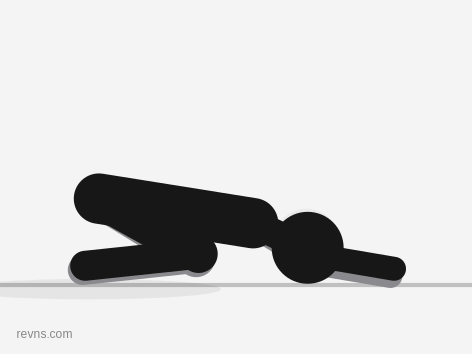
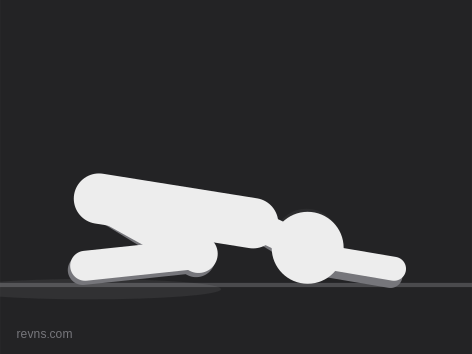
6. Child's pose
Child's pose finishes the circuit in flexion and long exhales, signaling the nervous system to downshift.
- Kneel, big toes together, knees as wide as comfortable.
- Sit back toward the heels and walk hands forward.
- Rest the forehead on the mat or a folded towel.
- Breathe slowly into the back ribs.
Do: 60–90 s. Common mistake: forcing the hips down — fix with a pillow under the hips or wider knees. Easier: cat-cow only. Harder: downward dog for 20 s only if shoulders tolerate it and you still feel calm afterward.
What does research say about exercise and sleep?
Evening exercise studies mostly include young and middle-aged healthy adults, so older adults and people with insomnia should treat averages as hints, not rules. The Stutz et al. 2019 meta-analysis found no significant impairment of sleep when exercise ended at least about one hour before bed, while very intense sessions less than an hour before sleep showed small negative effects on some measures in subsets of studies. That pattern matches sleep-medicine summaries: timing and intensity matter more than a blanket ban on night movement.
Yoga and stretching trials sometimes report better self-rated sleep quality, but effect sizes vary and many samples are small. This routine is training guidance, not a treatment for insomnia. Chronic trouble falling or staying asleep for three months deserves a clinician and therapies such as CBT-I, not more planks at night.
What should you do this week?
- Night 1: One round, lights dim, note how long it takes to feel physically calm afterward.
- Night 2: Same round if sleep onset felt normal; if you felt wired, skip bridges and dead bugs.
- Nights 3–4: Add a second round of cat-cow and child's pose only if you want more time on the mat without extra effort.
- Daytime: Keep a real strength or walk session on separate days so this stays a wind-down, not your only movement. The 5-minute workout you can do anywhere fits lunch breaks without stealing sleep pressure at night.
Who should check with a clinician first, and when should you stop?
Ask a doctor or physiotherapist before starting if you have uncontrolled high blood pressure, heart rhythm problems, recent back or hip surgery, osteoporosis with fracture risk, balance loss, pregnancy complications, or if a clinician has limited spinal flexion or extension.
Stop and seek urgent care for chest pain, fainting, or severe shortness of breath. Stop this routine and get advice for sharp joint pain, numbness, dizziness, or pain that shoots down the leg. For ongoing insomnia, low mood or anxiety that disrupts sleep most nights, use crisis and clinical resources — movement alone is not enough.
This is general training guidance, not medical advice.
Related
- How to fall asleep faster: what works, what to skip and when to get help
- Morning workout routine 15 minutes: a six-move beginner home circuit
- Low impact cardio workout at home: a quiet beginner circuit with demos
- Quiet apartment workout no jumping: a six-move beginner routine with demos
- Rest days: how many you need and what to do on them
- What is active recovery? Meaning, examples and how easy to go
- Sleep tracking
- Exercise library
Sources
- Stutz J et al. Effects of Evening Exercise on Sleep in Healthy Participants: A Systematic Review and Meta-Analysis. Sports Med 2019
- Bull FC et al. World Health Organization 2020 guidelines on physical activity and sedentary behaviour. Br J Sports Med 2020
- Drake C et al. Caffeine effects on sleep taken 0, 3, or 6 hours before going to bed. J Clin Sleep Med 2013
- Ainsworth BE et al. 2024 Adult Compendium of Physical Activities
Terms in this post
revns publishes training and nutrition guidance, not medical advice. See a clinician for symptoms, injury or a medical condition. Accurate as of November 24, 2026.