What is a recovery score? Meaning, a good number and how to use it
Recovery score meaning on Whoop and other wearables: a 0–100 morning summary from sleep, HRV and resting HR. What is good, what Garmin shows, and how to train.
revns editorial · Published November 24, 2026 · 9 min read
Recovery scores condense sleep, HRV and resting heart rate into one morning number on your wearable. Compare trends on the same device; they are not validated lab tests.
Recovery score meaning, in plain language: it is your wearable’s morning summary of how well last night’s sleep and overnight vitals match your usual baseline, usually shown as 0 to 100 or 0 to 100 percent. Whoop calls that number Recovery. Oura and Fitbit use Readiness for the same job with different math. Garmin leans on Training Readiness and Body Battery instead of a headline “recovery score.” The integer is a nudge on one device, not a lab test and not comparable across brands or people. For training, read recovery score next to sleep hours, resting heart rate and how your legs feel, not as a league table.
TL;DR
| Topic | Plain answer |
|---|---|
| Meaning | “How recovered do my overnight data look today on this app?” |
| Whoop | Recovery 0–100%; built from sleep, HRV, resting HR, respiratory rate vs baseline |
| Oura / Fitbit | Readiness or Daily Readiness on 0–100; similar inputs, different weights |
| Garmin | No single “recovery score”; use Training Readiness + Body Battery |
| Good score | Better than your recent average on the same device |
| Accuracy | RHR and HRV inputs validated in parts; composite score lightly validated |
| What to do | Green + good sleep → planned hard day if muscles agree; red two days → ease load |
| revns | Log sleep and recovery by hand; Apple Health read-only on iPhone; no Whoop sync yet |
What is a recovery score?
In product language, a recovery score is one integer each morning that rolls up how long you slept, how fragmented the night was, overnight resting heart rate, heart rate variability and sometimes respiratory rate or skin temperature into a single label such as green, yellow or red.
That is different from recovery in sports-science conversation, where coaches mean adaptation between hard sessions — sleep, nutrition, easy days and time — without a proprietary formula. Our guide to recovery in training covers that wider meaning. This page is about the wearable score people see when they search what is a recovery score or recovery score meaning.
The score answers a narrow question: “Do my vitals look more or less rested than my own baseline on this app?” It does not answer whether you have a virus, a torn tendon or clinical insomnia. Those need clinicians.
What does recovery score mean on Whoop?
Whoop is the brand most people associate with the words recovery score. Each morning the Whoop app shows Recovery as a percentage from 0 to 100.
Whoop’s public help material describes Recovery as reflecting sleep, heart rate variability, resting heart rate, respiratory rate and how those overnight signals compare with your personal baseline. Strain (0–21) is separate; it sums cardiovascular load across the day from heart rate. Pairing Recovery with strain score is the core Whoop training loop: heavy strain on a red recovery morning is a deliberate overload; stacked red mornings after high strain are a deload signal.
Science has tested Whoop’s sensors more than Recovery math. Bellenger and colleagues reported in Sensors in 2021 that Whoop 2.0 photoplethysmography agreed reasonably with electrocardiography for heart rate but had wider limits for ln RMSSD, a common HRV format. The authors wrote that validating the Recovery Score was outside their scope. That gap still applies to the headline percentage: treat it as a summary of trends you could also read from raw HRV and resting heart rate graphs.
Is recovery score the same as readiness score?
Often similar inputs, different name and weights. Searchers mixing recovery score meaning and readiness score meaning are usually asking about the same morning permission slip.
| Brand | Morning label | Typical scale |
|---|---|---|
| Whoop | Recovery | 0–100% |
| Oura | Readiness | 0–100 |
| Fitbit / Pixel | Daily Readiness | 0–100 |
| Garmin | Training Readiness | Word bands + contributors |
| Apple Watch | No single score | Duration, stages, sleeping HR/HRV in Health |
Oura and Fitbit call the number readiness even though athletes say “recovery” in conversation. Our readiness score guide walks through Oura contributors, Fitbit’s blend and Garmin bands. The Whoop vs Oura comparison table lists what each brand weighs.
Do not compare your 78% Whoop Recovery with your friend’s 82 Oura Readiness. The scales are proprietary and self-referenced.
What does recovery score mean on Garmin?
Garmin does not show a field literally named “recovery score” the way Whoop does. If your search is what does recovery score mean on garmin, map it to two Garmin proxies:
- Training Readiness — a morning training suggestion from sleep, HRV status, acute training load and recovery time. Labels such as productive, maintaining, recovery or rest steer whether today’s planned session stays hard or shifts easy.
- Body Battery — a 0–100 energy gauge through the wake window that rises with rest and falls with stress and effort.
Our Garmin Body Battery guide explains how Body Battery differs from Training Readiness. Both are proprietary blends; a 2025 review of consumer composite scores grouped Garmin with brands that disclose some guidance but still lack comprehensive independent tests of the combined readiness metrics.
Practical rule: use Training Readiness to pick today’s session type; use Body Battery to pace work and breaks through the afternoon, especially if you stand or walk a lot between gym blocks.
What is a good recovery score?
There is no official good recovery score for all adults. Manufacturers colour-code bands on your history.
On Whoop, many users treat green (often roughly 67% and up on the strap, though thresholds can change with firmware) as go for a planned hard day when legs and sleep agree. Yellow suggests moderation. Red suggests recovery-oriented work unless a coach programmed a short overreach block.
Population averages do not define “good” for you. A 2023 pilot thesis in nine Division I college wrestlers found Whoop recovery correlated positively with HRV and sleep and negatively with resting heart rate, which matches the intended design — but it did not prove the percentage predicts match performance better than logging those raw lines yourself.
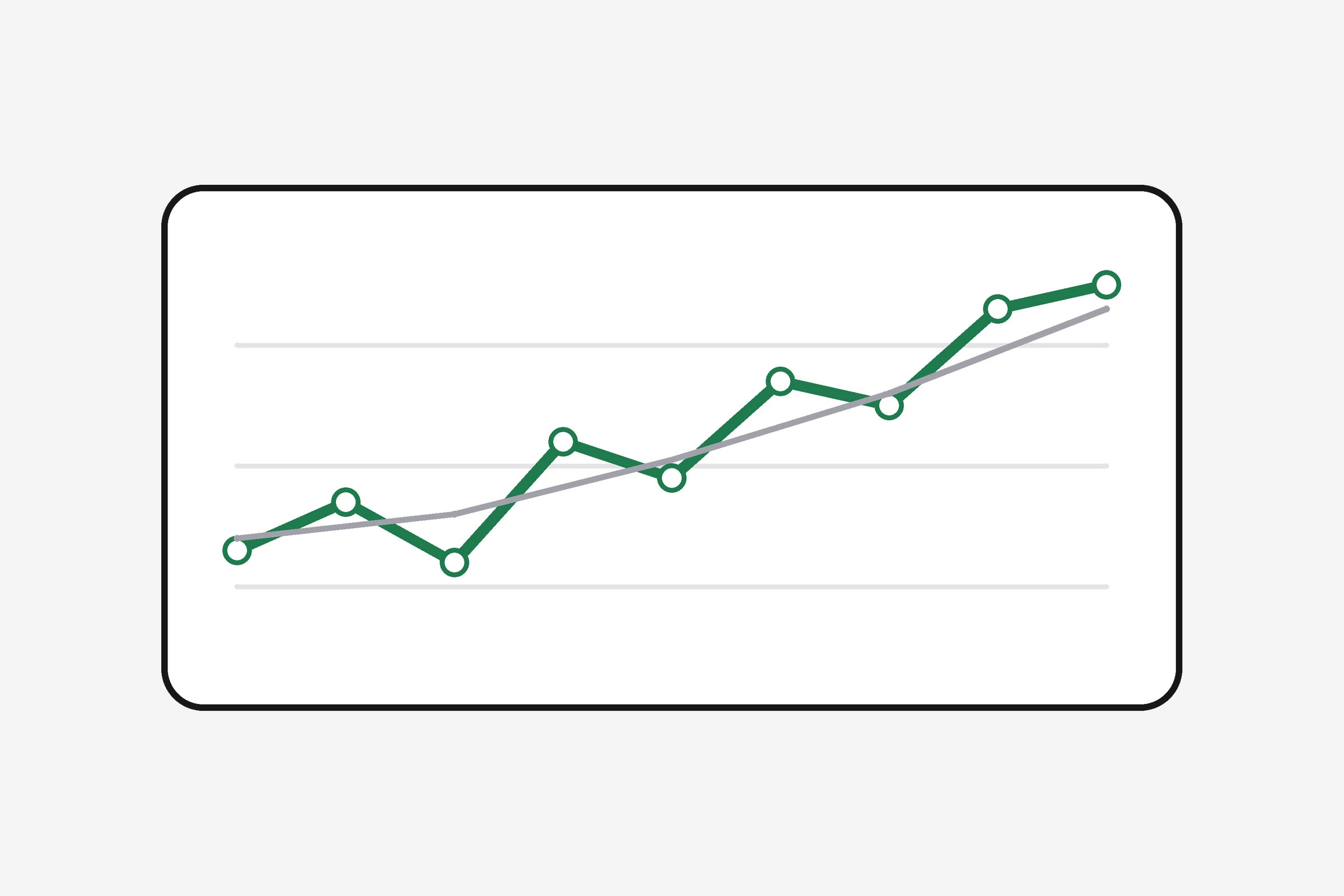
Better rule: compare this week’s average to your last 30 days on the same device. A score that is high for you matters more than an internet chart of “elite” percentages.
How is recovery score calculated?
Every brand keeps weights private. Marketing pages list ingredients — sleep duration, sleep efficiency, resting heart rate, HRV, temperature deviation, prior-day load — not the algebra.
Doherty and colleagues’ 2025 narrative review in Translational Exercise Biomedicine surveyed 14 composite health scores across ten major wearable brands, including Whoop recovery and strain, Oura readiness, Garmin Body Battery, Fitbit Daily Readiness and others. Heart rate variability appeared in 86%, resting heart rate in 79%, physical activity in 71% and sleep duration in 71%, yet none disclosed full formulas and few provided peer-reviewed validation of the combined number.
That is why researchers validate inputs (does overnight HRV track ECG?) far more often than outputs (does 54% recovery predict a 5K time?). A 2020 Physiological Measurement study in 49 adults reported strong agreement between Oura ring and ECG for nightly average heart rate and HRV during sleep. A 2024 Sensors paper in 114 people found full-night averages beat five-minute snapshots for HRV agreement, especially over age 45. Those papers support trend tracking, not worship of one integer.
Is recovery score accurate?
Split the question:
Inputs: Overnight resting heart rate and HRV from major straps can track clinical monitors reasonably in validation samples, with firmware and fit mattering. Sleep staging is moderate versus polysomnography in meta-analyses; wake versus sleep detection is stronger.
Composite recovery score: Rarely validated against an external gold standard. The 2025 Doherty review notes manufacturers rarely publish empirical tests showing the combined score predicts injury, illness or race outcomes better than sleep hours plus resting heart rate you log yourself.
So recovery score accuracy for training means: trust multi-night trends in sleep, resting heart rate and HRV; treat the headline percentage as a convenience layer that can disagree with how hamstrings feel after a heavy squat week.
What should you do when recovery score is low?
One red morning after a late meal, travel or a hard interval day is normal noise. Two or more low mornings plus short sleep, higher resting heart rate than your baseline, heavy legs or illness symptoms deserve a lighter block.
| Signal | Suggested shift |
|---|---|
| Low recovery + sleep under 6 h | Protect bedtime; swap HIIT for easy zone 2 or a walk |
| Low recovery + normal sleep + sore legs | Technique, mobility, submax strength; skip max tests |
| Low recovery + fever, cough, chest pain | Clinician, not a harder session |
| High recovery + poor sleep in the log | Do not auto-max; check sleep score contributors |
A 2021 systematic review and meta-analysis of eight HRV-guided training trials in mostly endurance-trained adults found programmes that followed autonomic signals improved vagal-mediated HRV more than fixed plans, while fitness and performance gains were small and often not significant. Scores are context, not a replacement for a sensible hard / easy / rest week. See rest days and overtraining symptoms.
This week: each morning write recovery or readiness score, sleep hours and one line on leg freshness. After seven days, decide load from the pattern, not from yesterday’s colour alone.
How can you track recovery without a branded score?
You do not need a subscription integer to apply the same logic.
- Sleep: aim for your usual 7–9 h window on a steady wake time. Use the sleep calculator for bedtime math.
- Resting heart rate: note morning wrist or chest reading; a 5–10 bpm jump above your normal for several days warrants easing load even if an app stays green.
- HRV: if your device shows it, track weekly average, not one spike. See what is a good HRV score and how to improve HRV.
- Subjective line: rate recovery 1–5 in a log or spreadsheet template.
On revns, log sleep and sessions in one place. The sleep and recovery tracking feature supports trends without pretending revns ships a proprietary Recovery clone. Apple Health on iPhone can supply read-only sleep, resting heart rate and HRV when you wear a watch overnight. Whoop, Oura, Garmin and Fitbit direct sync remain on the roadmap, not live today. Connecting Claude or ChatGPT via MCP lets an assistant summarise your log with permission; it does not diagnose.
When should you see a professional?
See a clinician urgently for chest pain, fainting, new shortness of breath, heart rate that will not settle, one-sided weakness, or thoughts of harming yourself — use local emergency services or a crisis line.
Book routine care if recovery and HRV stay poor for two weeks despite sleep and load changes, if mood crashes alongside fatigue, if you have a known heart or sleep disorder, or if snoring and daytime sleepiness suggest sleep apnoea.
A recovery score cannot diagnose arrhythmia, infection or depression. It is training context, not medical advice.
Related
- What is a readiness score? Meaning and low scores
- What is a strain score on Whoop?
- Whoop vs Oura vs a free tracker: what recovery scores measure
- What is a sleep score?
- What is HRV?
- Recovery in training: what it means
- Sleep and recovery tracking
- Heart rate zone calculator
This is general training guidance, not medical advice.
Sources
- Doherty C et al. Readiness, recovery, and strain: an evaluation of composite health scores in consumer wearables. Transl Exerc Biomed 2025
- Bellenger CR et al. Wrist-based photoplethysmography assessment of heart rate and heart rate variability: validation of WHOOP. Sensors 2021
- Kinnunen H et al. Feasible assessment of recovery and cardiovascular health: accuracy of nocturnal HR and HRV via ring PPG versus medical-grade ECG. Physiol Meas 2020
- Manresa-Rocamora A et al. Heart rate variability-guided training for enhancing cardiac-vagal modulation, aerobic fitness, and endurance performance: a methodological systematic review with meta-analysis. Int J Environ Res Public Health 2021
- Liang T, Yilmaz G, Soon CS. Deriving accurate nocturnal heart rate, rMSSD and frequency HRV from the Oura Ring. Sensors 2024
- Gerardi C. Exploring the feasibility of Whoop technology in college wrestlers (master's project). Virginia Tech 2023
- WHOOP Support. Understanding Recovery
- Oura. Readiness score overview. Updated September 2026
- Garmin. Training Readiness and Body Battery product documentation
Terms in this post
revns publishes training and nutrition guidance, not medical advice. See a clinician for symptoms, injury or a medical condition. Accurate as of November 24, 2026.