What is Garmin body battery? Meaning, a good score and how to use it
Garmin Body Battery is a 0–100 reserve-energy estimate from HRV, stress, sleep and activity. Bands, accuracy limits, and how it differs from Training Readiness.
revns editorial · Published November 20, 2026 · 8 min read

Garmin Body Battery runs 0–100 from HRV, stress, sleep and activity via Firstbeat. Use trends on your watch; the score is not clinically validated.
Garmin Body Battery is a 0–100 estimate of how much reserve energy you have right now, built from HRV, stress, sleep and activity on the watch. Garmin's official manual compares it to a car's fuel gauge: 0–25 is low reserve, 26–50 medium, 51–75 high, and 76–100 very high. It rises after sleep and quiet recovery, and falls when stress or hard effort drain the tank. For training, use it to pace your day and spot trends, not as a medical verdict — the combined score is rarely validated in journals the way raw overnight heart rate is.
TL;DR
| Question | Plain answer |
|---|---|
| Garmin Body Battery meaning | All-day 0–100 reserve energy from HRV, stress, sleep and activity (Firstbeat) |
| Good score | Bands on your watch: 76–100 very high, 51–75 high, 26–50 medium, 0–25 low (Garmin Venu manual) |
| Accuracy | Inputs can be useful; composite score seldom proven vs outcomes (2025 wearable review) |
| vs Training Readiness | Body Battery = fuel gauge through the day; Training Readiness = morning train-or-rest hint |
| Always low? | Check sleep, illness, load vs fitness, and overnight wear |
| This week | Log morning level + sleep hours + session plan; ease up when low and legs agree |
What is Garmin Body Battery?
Body Battery is a Garmin-only feature that shows how much reserve energy the watch thinks you have at a given time. It is not a blood test, a glucose reading, or a measure of muscle glycogen. It is an algorithmic summary on your device.
Garmin's Venu web manual states that the watch analyses heart rate variability, stress level, sleep quality and activity data to set the level. Garmin's consumer blog, written by Firstbeat staff in March 2025, describes the same idea: the higher the number, the greater your ability at that moment to focus, cope and bounce back. Sleep and recovery moments replenish the gauge; physical activity and stress drain it, including stress that still feels fun, such as a loud concert or intense play with children.
The physiology rests on beat-to-beat heart timing. Garmin's stress-tracking pages explain that Firstbeat uses optical heart rate and HRV to estimate whether the sympathetic (fight-or-flight) or parasympathetic (rest-and-digest) side of the autonomic nervous system is dominant. Stress tends to lower HRV and drain Body Battery; rest and sleep tend to raise HRV and recharge it.
That is the core garmin body battery meaning: a running balance between drain and charge, updated across the day.
How is Garmin Body Battery calculated?
Garmin does not publish the full formula or weights for Body Battery. You know the ingredients from manuals and Firstbeat articles; you do not know exact maths.
What Garmin documents publicly:
- Heart rate variability overnight and at rest, interpreted through Firstbeat analytics.
- Stress score (0–100), estimated from heart rate and HRV when you are not in a logged workout (Garmin treats exercise strain separately on the stress chart).
- Sleep quality and duration from wrist-based sleep tracking.
- Physical activity load, which can drain the gauge faster when you are less conditioned.
The 2025 narrative review by Doherty and colleagues in Translational Exercise Biomedicine surveyed 14 composite health scores on consumer wearables, including Garmin Body Battery. HRV appeared in 86% of those scores, resting heart rate in 79%, physical activity in 71% and sleep duration in 71%. The authors reported that companies did not disclose complete formulas and that few combined integers had peer-reviewed validation against hard outcomes such as injury or performance.
So when people ask how Garmin Body Battery is calculated, the honest answer is: HRV-led autonomic balance, plus sleep and activity, blended by a closed model. Science tests inputs more often than that composite on your wrist.

What is a normal Garmin Body Battery range?
Garmin defines fixed bands on the 0–100 scale in the Venu manual (and the same text appears in other Garmin device help):
| Range | Label on Garmin |
|---|---|
| 0–25 | Low reserve energy |
| 26–50 | Medium reserve energy |
| 51–75 | High reserve energy |
| 76–100 | Very high reserve energy |
There is no single "normal" morning number for everyone. Firstbeat's blog notes that waking at 90 versus 60 feels different through the day. Training age matters too: a higher VO2 max (better cardiorespiratory fitness) lets you handle more activity without a steep drain, per the same article — a brisk walk may barely move the needle in a fit runner but can drop a sedentary wearer sharply.
Use your distribution in Garmin Connect: if you usually wake near 55 and today is 38 with poor sleep, that is a signal. If you usually wake near 80, 65 may still be fine for an easy day.
Is Garmin Body Battery accurate or useful?
Split the question in two.
Useful for self-tracking? Often yes, when you treat it like a trend line on one watch. It connects short sleep, high stress bars, and heavy training in one place. It nudges you toward earlier bedtimes or easier afternoons when the gauge spends hours in the orange.
Clinically accurate as a number? No. Garmin's own sick-day article states that watches are not approved medical devices and are not designed to diagnose disease. Low Body Battery with a sore throat might mean illness; it might mean a bad week of work stress. The watch cannot tell which alone.
Peer-reviewed work backs caution on the headline integer. The 2025 Doherty review classifies Body Battery alongside Whoop recovery and Oura readiness as rarely validated composites. That does not mean the watch is useless; it means do not skip medical care because a line hit 12.
If you need precision for a heart or sleep disorder, use clinical assessment, not a fuel gauge.
Why is my Garmin Body Battery always low?
Common patterns match Garmin's published explanations and what autonomic physiology predicts:
- Short or fragmented sleep — the main overnight recharge window.
- High sympathetic load — work pressure, anxiety, illness, dehydration, or heat.
- Training load above current fitness — hard intervals when sleep and easy days have been thin.
- Positive but intense days — childcare, travel, or competition excitement still drain the score.
- Sensor gaps — loose strap, tattooed skin, or no overnight wear, so HRV and sleep inputs are missing.
Garmin's March 2025 Firstbeat article lists challenging routines, inadequate sleep, and fitness not matching effort as three repeat reasons the gauge runs low.
When garmin body battery always low persists for two weeks despite more sleep and lighter load, and you also feel unwell, book routine care. When chest pain, fainting, or breathlessness at rest appear, seek urgent care regardless of the watch.
Does Body Battery stop at 5 or go to zero?
Garmin manuals describe a full 0–100 range. The low reserve band starts at zero, not at five.
Search forums often report the curve hovering near single digits when sleep data failed or the watch was charging on the nightstand. Before you assume a "floor," check:
- Watch worn snugly for sleep with wrist HR enabled.
- Sleep window correct in Garmin Connect.
- Stress and Body Battery widgets showing data the same day.
If the graph flatlines with gaps, fix tracking. If it is genuinely low with good data, treat it as real fatigue, not a software cap.
Garmin Body Battery vs Training Readiness
Both live on many Garmin watches, but they answer different questions.
Body Battery is an all-day energy gauge. It falls during stress and training and climbs during rest and sleep. You might start at 75 after breakfast, drop to 40 after a hard lunch run, and climb again after a nap.
Training Readiness is a morning-oriented training suggestion. It weighs sleep, HRV status, acute training load and recovery time to label days as productive, maintaining, recovery-oriented, or rest. Our readiness score guide walks through the same class of metrics on other brands.
Practical rule:
- Plan the session with Training Readiness (or your own sleep + RHR log).
- Pace the rest of the day with Body Battery (meetings, errands, whether a second workout is wise).
Do not cancel a well-planned easy run because Body Battery is 45 if sleep was solid and legs feel fine. Do consider moving strength work if the gauge has been under 25 for hours and you already slept poorly.
How does Body Battery relate to HRV and stress on Garmin?
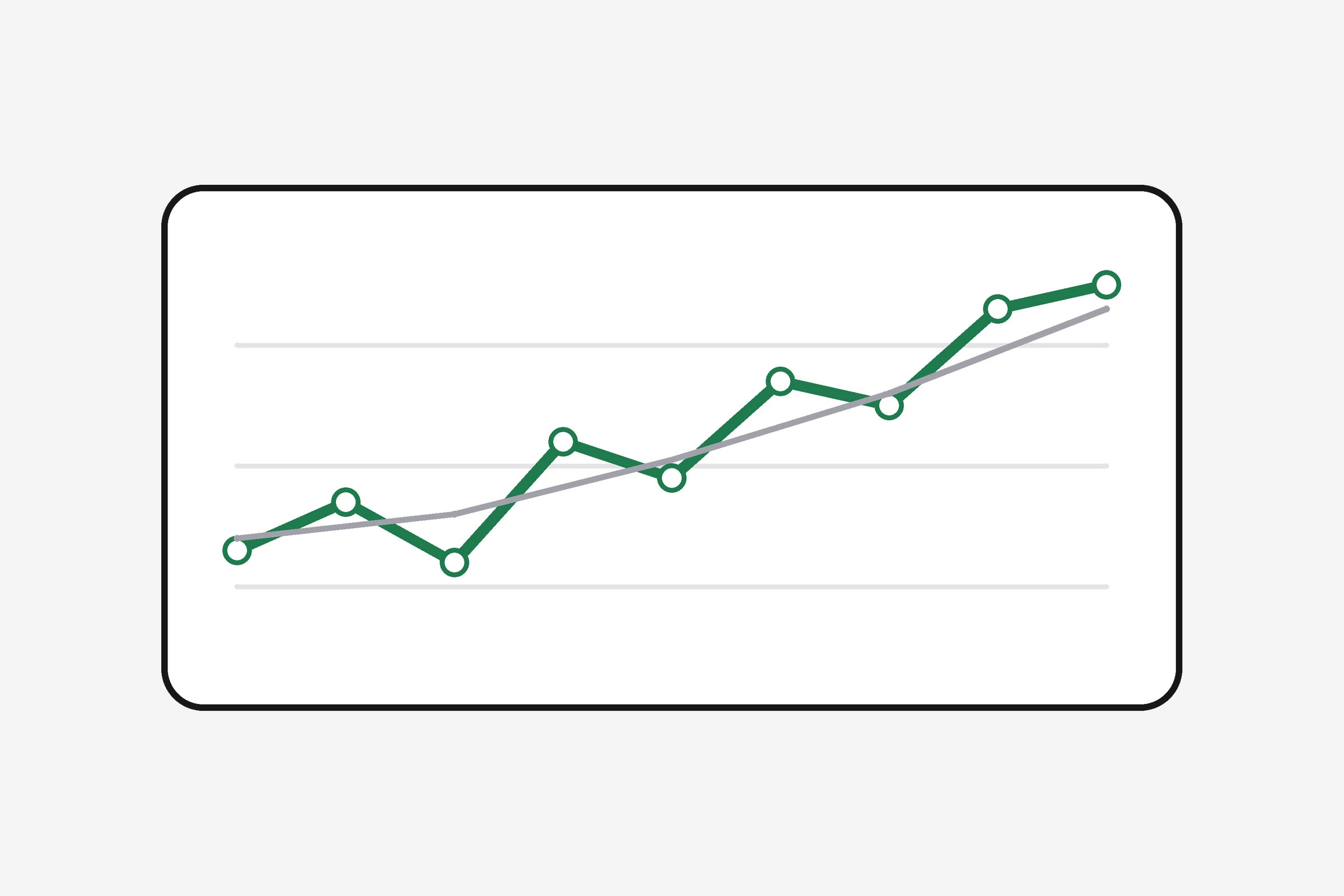
On Garmin, stress level 0–100 uses heart rate and HRV when you are not exercising. Values above 25 show as orange on the stress chart; below 25 trend blue, where parasympathetic activity is relatively stronger, per Garmin's stress-tracking page.
Body Battery and stress move together conceptually: high stress drains, rest charges. They are not identical lines — activity, sleep quality and Firstbeat's reserve model also feed the battery.
For a deeper read on the underlying signal, see what is HRV. For brand comparisons, see Whoop vs Oura vs a free tracker.
What should you do this week?
Try a seven-day experiment on one Garmin watch:
- Each morning, note Body Battery at wake, sleep hours, and resting heart rate.
- Before a hard session, check whether the gauge is below your recent average and whether legs and mood agree. If both say easy, swap to zone 2 or technique work.
- After late nights, protect the next day: shorter session, earlier bed, less alcohol.
- Once a week, open Garmin Connect long-term trends, not only the live widget.
If you train without Garmin, log the same three lines in sleep and recovery tracking. On iPhone, Apple Health can supply read-only sleep and resting HR; Garmin sync into revns is on the roadmap, not live today. Use the sleep calculator if you are fixing bedtime rather than chasing a score.
When should you see a professional?
Garmin is clear: not for diagnosis. See a clinician urgently for chest pain, fainting, new shortness of breath, one pupil larger than the other, or seizures.
Book routine care if low Body Battery, poor sleep and low mood or motivation persist two weeks despite load changes, if resting heart rate jumps 5–10 bpm above your norm for several days, or if you have a known heart or sleep disorder and symptoms worsen.
This is general training guidance, not medical advice.
Related
- What is a readiness score? Meaning and how to improve it
- What is a sleep score? Meaning and how wearables calculate it
- What is a good HRV score?
- Recovery in training: what it means
- Sleep and recovery tracking
Sources
- Garmin. Venu Owner's Manual — Body Battery. Web help GUID-87E1392B
- Lamminen R. Five reasons your Body Battery says you're running low. Garmin Blog, 20 March 2025
- Garmin. Stress tracking — Firstbeat analytics overview
- Garmin. Why your Body Battery may struggle to charge when sick. Garmin Blog
- Doherty C et al. Readiness, recovery, and strain: an evaluation of composite health scores in consumer wearables. Transl Exerc Biomed 2025
Terms in this post
revns publishes training and nutrition guidance, not medical advice. See a clinician for symptoms, injury or a medical condition. Accurate as of November 20, 2026.