Exercise frequency vs intensity for mental health: what a 10,460-student study found
A PLOS One study of 10,460 Norwegian students links less frequent exercise to more depression and anxiety a year later. What it shows, what it cannot, and what to do.
revns editorial · Published November 20, 2026 · 8 min read
A PLOS One study of 10,460 Norwegian students found that seldom exercising went with more depression and anxiety a year later. Frequency stood out more than intensity. It cannot prove cause.
A large Norwegian study suggests that how often you exercise may matter more for your mental health than how hard or how long you train. In the study, published in PLOS One in August 2026 and covered by ScienceDaily on 20 November, students who seldom or never exercised were more likely to meet criteria for depression or anxiety a year later. It was an observational study, so it cannot show that exercise prevented anything. For a reader, the practical message is modest: a routine you can repeat most days is a sound place to start.
TL;DR
| Question | Short answer |
|---|---|
| Who was studied? | 10,460 Norwegian higher-education students, aged 18 to 35 |
| What was measured? | Exercise frequency, intensity, session length and weekly hours; depression or anxiety one year later |
| Main finding | Less frequent exercise went with a higher chance of depression or anxiety a year later |
| Size of the link | Seldom or never vs almost daily: risk ratio 1.15 in women, 1.33 in men (adjusted) |
| Does it prove cause? | No. It is observational and self-reported |
| What to do | Aim for regular, doable sessions, then add effort only if it feels good |
What did the study find about exercise frequency and mental health?
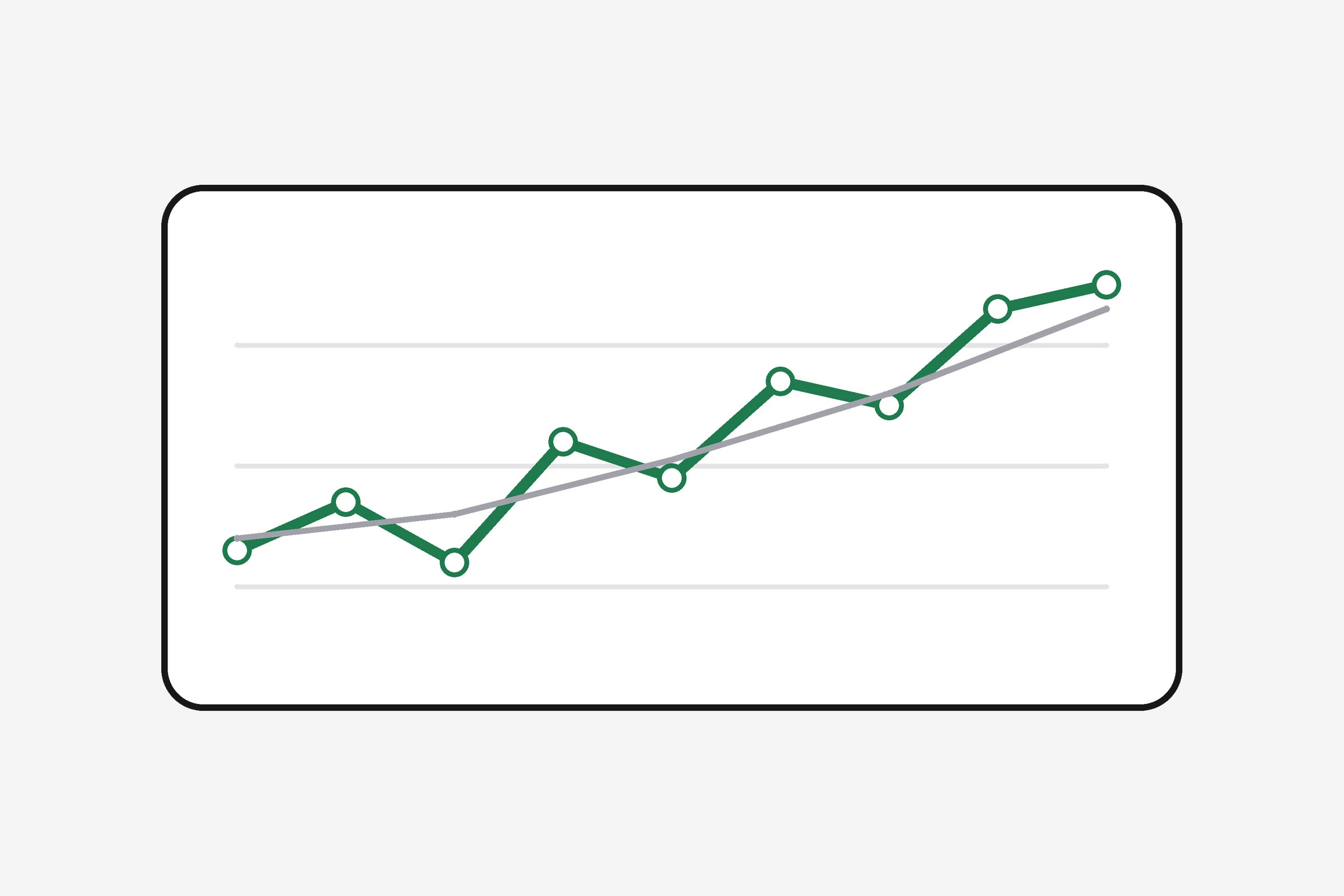
Students who exercised less often were more likely to have depression or anxiety a year later, and frequency was the most consistent link of the exercise measures. The paper is by Michael Grasdalsmoen, Erlingur Johannsson, Mari Hysing and Børge Sivertsen, working from Western Norway University of Applied Sciences and the Norwegian Institute of Public Health. It was published in PLOS One on 19 August 2026.
The abstract reports these results:
- Compared with daily exercisers, those who seldom or never exercised had a higher adjusted risk ratio of a common mental disorder a year later: 1.15 in women (95% confidence interval 1.04 to 1.28) and 1.33 in men (1.06 to 1.65).
- Below-recommendation activity levels were also linked to higher risk.
- Weekly exercise hours were inversely linked to risk up to ten hours a week, with a curved pattern among women.
- The link looked somewhat stronger and more graded in students aged 18 to 24, but the formal tests did not support a real difference between age groups.
A risk ratio of 1.15 means about 15% higher relative risk, not that 15% of people are affected. A ratio of 1.33 means about a third higher relative risk. The absolute numbers depend on how common these problems are in the group, which the headline figures do not show.
ScienceDaily, summarising the release from PLOS, adds that among women lower exercise intensity was linked to more anxiety and depression, while among men fewer total weekly hours showed a stronger link. These are patterns within one dataset, not training instructions for each sex.
How was the study done?
The researchers used the Students' Health and Wellbeing Study (SHoT2022), a national survey of Norwegian students in higher education. According to the paper:
- Baseline (spring 2022). Of 169,572 students invited, 59,544 took part (35.1%). A subsample of 53,362 full-time students aged 18 to 35 with complete exercise answers was eligible.
- Exercise questions. Students said how often they exercised (from never to almost every day), how hard they pushed themselves (from taking it easy to near exhaustion) and how long a session lasted. They also gave weekly hours, capped at 10 for analysis.
- Follow-up (about a year later). 10,460 students completed at least one module of a self-administered diagnostic interview, the Composite International Diagnostic Interview (CIDI 5.0). The outcome was a major depressive episode or generalized anxiety disorder in the past 30 days or 12 months.
- Analysis. The team used inverse probability weighting to reduce bias from who answered the follow-up, and adjusted for background factors and baseline psychological distress.
Those are solid choices. A year-long gap between exercise and outcome is better than a one-time survey. A diagnostic interview is better than a short symptom checklist, though it was self-administered online rather than done by a clinician.
What can this study not tell us?
It cannot tell us that exercise caused the lower risk. The authors say so themselves. Several limits matter:
- Observational design. People who feel well may exercise more, and people who are already struggling may exercise less. The study adjusted for baseline distress, which helps, but cannot remove this.
- Baseline disorders were not measured. The paper notes that diagnostic status was not assessed at baseline, so people who already had a disorder could not be excluded. The outcome mixes new, ongoing and returning cases.
- Self-reported exercise. The questionnaire has only moderate links to measured fitness in earlier validation work (correlations around 0.3 to 0.4 with VO2 max).
- A minority took part. The follow-up sample was 17.6% of the baseline sample. Weighting helps, but those who answered may differ from those who did not.
- One country, one age band. The results cover students aged 18 to 35 in Norway. They do not directly cover older adults, shift workers or people in other settings.
- Narrow definition. The paper's "physical exercise" is narrower than the WHO term "physical activity". Daily walking to work or lifting at a job may not be captured.
It also sits among other work. The paper's introduction cites reviews and a meta-analysis of 15 prospective adult studies that found activity below current recommendations was still linked to lower depression risk. Our own guides on exercise for depression and exercise for anxiety cover the wider evidence, including trials.
Does this mean intensity does not matter?
No. It means that in this dataset, frequency was the most consistent signal, and intensity added less. Intensity was still part of the picture for women in the sex-specific results, and the paper does not say hard training is bad or useless. It also does not test whether very high training loads help or harm mood.
Be careful at the far end. This paper does not test heavy training without recovery, and mouse studies on that topic do not transfer to people, so we do not use them as advice. The human point is simpler: if you train hard and your sleep, mood and appetite slip for two weeks, that is a sign to cut back. Our guides on stress, burnout and when to deload and rest days explain how.
How often should you exercise for mental health?
The study does not set a number of sessions, and neither do the guidelines for mental health in particular. What it compares is daily exercisers against people who seldom or never exercise. For a general target, use the WHO 2020 guidelines (Bull and colleagues, British Journal of Sports Medicine), which the study also cites:
- 150 to 300 minutes of moderate activity a week, or 75 to 150 minutes of vigorous activity, or a mix.
- Muscle-strengthening on two or more days a week.
- Any activity is better than none.
Spread across the week, that can look like four to six short sessions rather than one long one. The guide to how much exercise you need per week by age has the full numbers, and how many steps a day you need covers walking. If you are asking about mood in particular, the walking and mental health guide looks at what step counts have been linked to lower depression risk.
What should you do this week?
If you are new to exercise or restarting
- Pick a session you can do in 15 to 30 minutes: a brisk walk, an easy cycle, a bodyweight circuit or a swim.
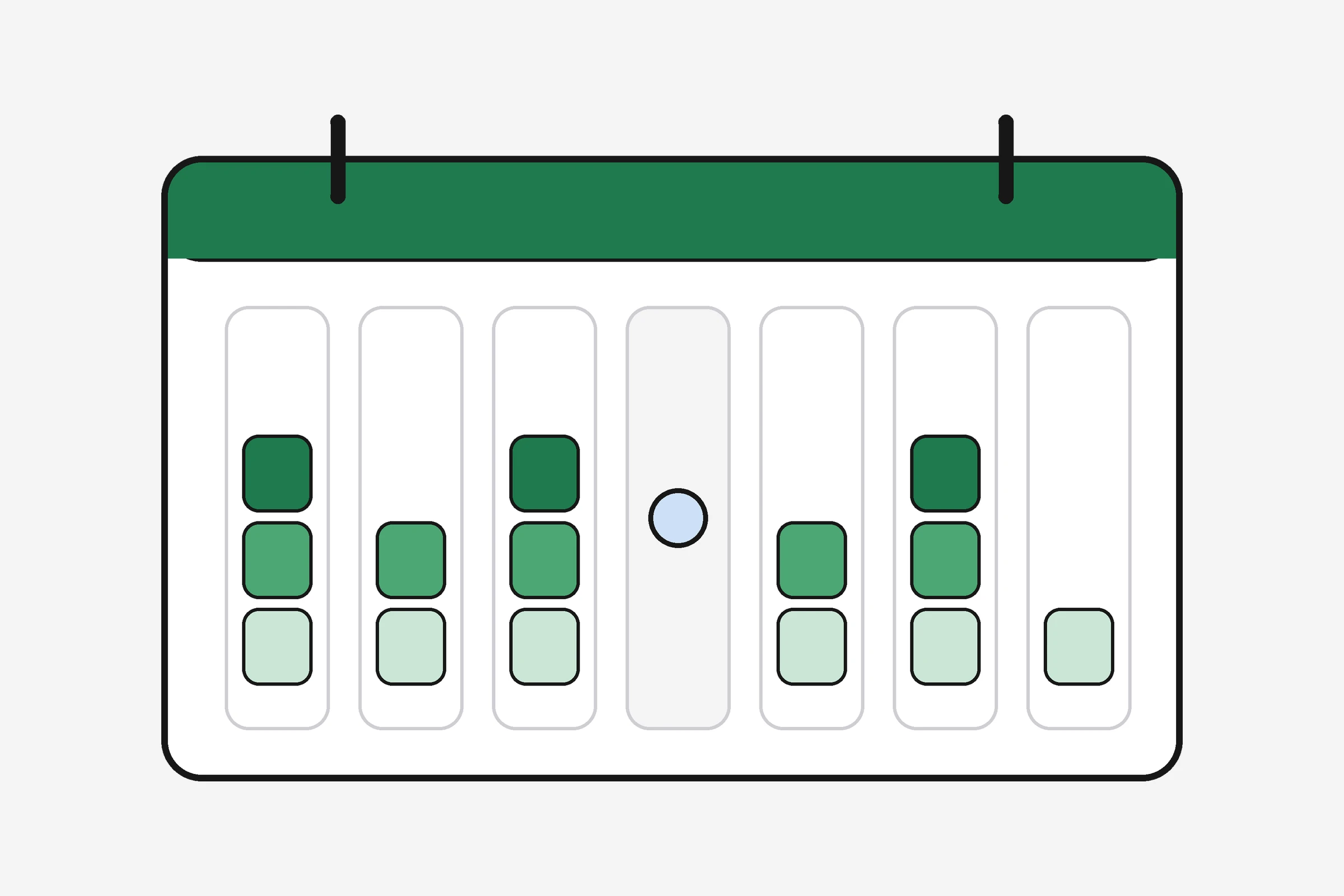
- Put it in the diary for four days this week. Make it easy enough that you could do it on a bad day.
- Keep one or two days free. Rest days are part of the plan.
- Do not add intensity until the habit holds for three or four weeks.
If you already train hard but irregularly
- Look at the gaps. Many people do three hard sessions in a row, then nothing for a week. Spread the same work across more days.
- Add one or two short easy sessions between the hard ones. The guide to planning a training week shows a layout.
- Log mood and energy next to training for two weeks. The AI fitness coach in revns shows your week as a whole, and the multi-sport tracker lets you log a walk, a run and a lift together so you can see how often you moved, not only how hard.
If you are a student or work long hours
- Link the session to something fixed: after a lecture, before a shift or on a commute.
- Training with another person helps many people keep going. See loneliness and exercise.
- Food and sleep carry the load too. Vegetarian, vegan, eggetarian, Jain and non-vegetarian meals all work. Aim for regular meals with protein and some carbohydrate on training days.
What does this study not say about men and women?
The paper stratified by sex because tests suggested differences. For women, lower exercise intensity was linked to higher risk, and the weekly-hours link was curved. For men, fewer weekly hours showed a stronger link. The effect sizes above are adjusted figures from the abstract. We do not know why the patterns differ, and one study cannot settle it. Do not read these as sex-specific training rules. A sound plan for either sex is regular activity you enjoy, with enough recovery.
When should you see a professional?
Exercise can support mood, but it does not replace care. See a doctor or another qualified clinician if you notice:
- Low mood, loss of interest, constant worry or panic that lasts more than two weeks or gets in the way of study, work, sleep or relationships.
- Changes in appetite or sleep that you cannot explain.
- Training that feels compulsive, or guilt and distress when you miss a session.
- Chest pain, fainting, or unusual breathlessness during exercise. Stop and get assessed first.
If you feel unsafe or might harm yourself, contact your local emergency number or a crisis line now. In the US you can call or text 988. In the UK and Ireland, Samaritans are on 116 123. In India, KIRAN is on 1800-599-0019. You can find other countries at findahelpline.com.
revns is a training and tracking tool. It does not diagnose, treat or screen for depression or anxiety, and it is not a mental health service.
Related
- Exercise for depression: what helps, how much and when to get help
- Exercise for anxiety: what helps, how much and when to get help
- How much exercise per week: WHO guidelines by age
- Rest days: how many you need and what to do on them
- Walking and mental health: how many steps help mood
This is general training guidance, not medical advice.
Sources
- Grasdalsmoen M, Johannsson E, Hysing M, Sivertsen B. Physical exercise and risk of common mental disorders among higher education students: a national prospective study. PLOS One 2026;21(8):e0353787
- PLOS. For better mental health, how often you exercise may matter more than how hard. ScienceDaily, 20 November 2026
- Bull FC et al. World Health Organization 2020 guidelines on physical activity and sedentary behaviour. Br J Sports Med 2020
Terms in this post
revns publishes training and nutrition guidance, not medical advice. See a clinician for symptoms, injury or a medical condition. Accurate as of November 20, 2026.