Exercise for anxiety: what helps, how much and when to get help
Does exercise help anxiety? What a 2023 review of 1,039 trials found, which activities and how much to try, and the signs that mean it is time to see a clinician.
revns editorial · Published November 19, 2026 · 7 min read
A 2023 review of 97 reviews found moderate drops in anxiety with exercise. Walking and strength work are good places to start. It supports other care and does not replace it.
Does exercise help anxiety? For many adults, yes: regular physical activity is linked to a moderate drop in anxiety symptoms, and walking, strength training and yoga all count. It is not a cure and it does not replace therapy or medical care. Treat it as one steady habit that sits beside sleep, food, social contact and professional help when you need it.
TL;DR
| Question | Short answer |
|---|---|
| Does it work? | A 2023 review found a moderate effect on anxiety (median effect size -0.42) |
| Which type? | No clear winner; aerobic, strength and mind-body work were all pooled |
| How much? | No proven dose; start at 10 to 20 minutes and build toward 150 minutes a week |
| How fast? | Effects were smaller in longer programmes than in shorter ones |
| Is it enough? | Not alone if anxiety limits your life; see a clinician |
Is exercise good for anxiety?
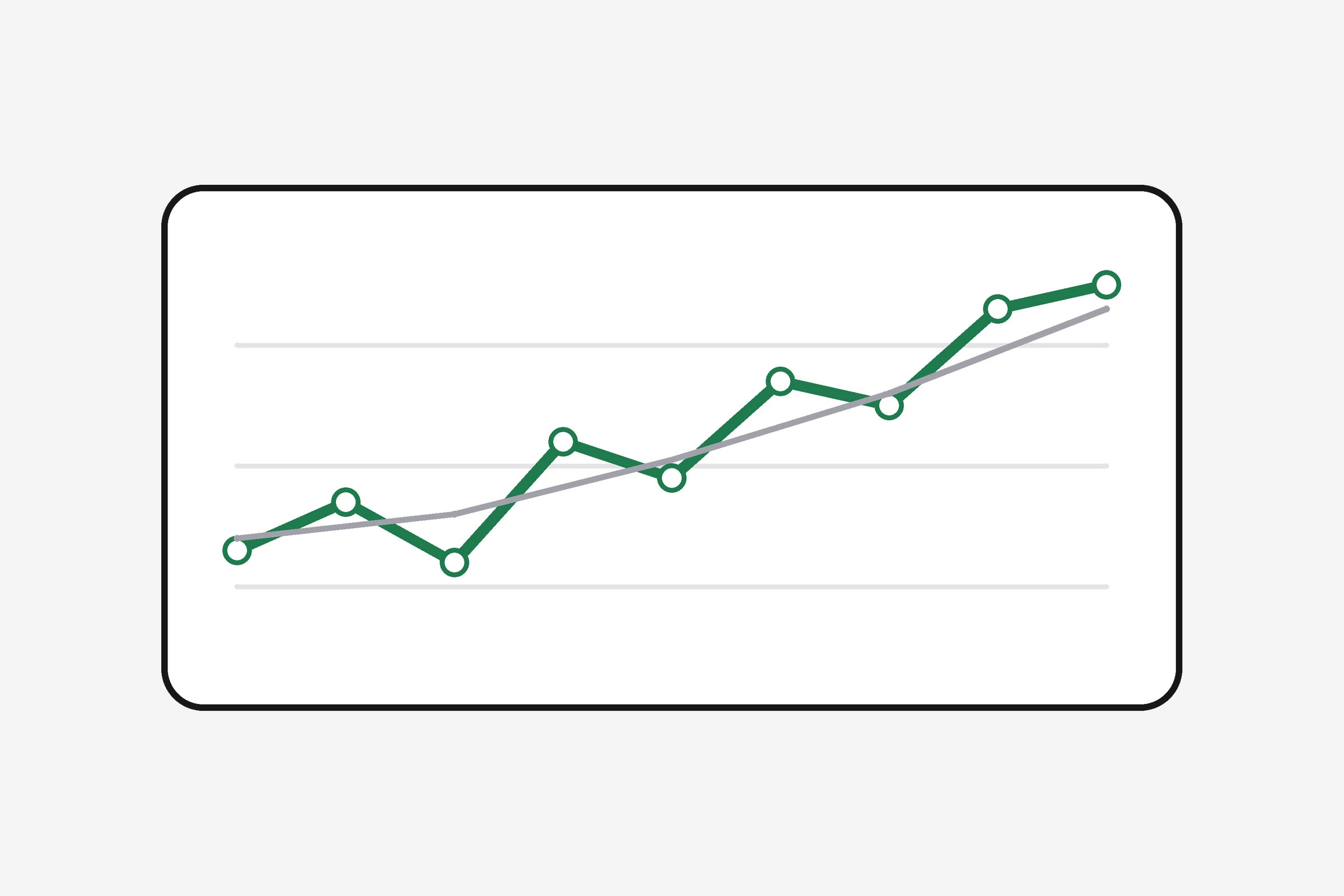
The best evidence is an umbrella review: a review of reviews. Singh and colleagues, in the British Journal of Sports Medicine in 2023, pooled 97 systematic reviews covering 1,039 trials and 128,119 participants. Compared with usual care, physical activity gave moderate reductions in depression (median effect size -0.43), anxiety (-0.42) and psychological distress (-0.60). The reviews covered healthy adults, people with mental health disorders and people with chronic disease. Most of the 97 reviews (77) scored "critically low" on a standard review-quality tool, so treat the result as a good signal, not a firm number.
An effect size of about 0.4 is "moderate". It means the average person in an exercise group had lower anxiety scores than most people in a comparison group, not that everyone improves.
What this review can show: across many groups of people, regular activity goes with lower symptoms. What it cannot show: that it will work for you, that it beats therapy for you, or how large the effect is in a person with a severe anxiety disorder. People also cannot be blinded to whether they exercise, and the comparison was with usual care, not with therapy or medication.
What exercise is best for anxiety?
The 2023 review pooled many kinds of activity, such as aerobic exercise, resistance training and mind-body work like yoga. It also found that higher-intensity activity was linked to larger gains. That does not mean you must train hard. It means that, once you are used to exercise, a few harder minutes are not harmful for most healthy people and may add to the effect.
For depression, a 2024 network meta-analysis by Noetel and colleagues in the BMJ found walking or jogging, yoga and strength training did better than some other forms of exercise, especially at higher intensity. The authors rated the certainty of the evidence as low to very low, so it is a guide, not a rule. It covers depression, not anxiety, so we mention it as a pointer only.
| Type | Why people choose it | Start with |
|---|---|---|
| Walking | Easy, free, can be done outside | 15 to 30 minutes at a talking pace |
| Strength training | Clear progress, fixed structure | 2 sessions a week, 6 to 8 moves; see strength training for beginners |
| Yoga or mobility | Pairs movement with slow breathing | 10 to 20 minutes, 2 to 3 times a week |
| Running or cycling | Steady rhythm, good for clearing the head | Easy effort that lets you talk; see zone 2 training |
| Group or team sport | Adds company | One weekly class or club session |
The best type is the one you will repeat. If you feel tense and wired, a calm walk or yoga session often feels better than all-out intervals. If you feel flat and restless, a lifting session with a written plan may suit you.
How much exercise do you need for anxiety?
No trial has found a single "dose" that works for everyone. The review also found that effects were smaller in longer programmes than in shorter ones. That may reflect how trials are run (people drop out, or effects settle), not a reason to stop after 12 weeks.
A practical starting point comes from the WHO 2020 guidelines on physical activity and sedentary behaviour (Bull and colleagues): 150 to 300 minutes a week of moderate activity for adults, or 75 to 150 minutes of vigorous activity, plus muscle-strengthening on two or more days. The WHO notes that any activity is better than none. If that sounds like a lot, do not start there. Start with what you can repeat.
Rough ladder:
- Week 1 to 2: a 10 to 20 minute walk on three days.
- Week 3 to 4: 20 to 30 minutes on four days, with one short strength or mobility session.
- Week 5 to 8: build toward 150 minutes a week, and two strength sessions.
Our guide to walking and mental health covers how many steps tie to mood, and the heart rate zone calculator can show what an easy effort looks like for you.
Why might exercise reduce anxiety?
Researchers have several ideas, and none is proven as the full story. Exercise can improve sleep, which is closely tied to anxiety. It can give a sense of progress and control. It gets you outside and around other people. And it uses up the physical energy that anxiety creates. Some researchers also suggest that repeated exercise helps people get used to a fast heartbeat and heavy breathing, so those feelings feel less threatening.
Treat these as possible mechanisms. The reviews show that symptoms fall; they do not settle exactly why.
Can exercise make anxiety worse?
For some people, at first. A pounding heart and fast breathing from a hard session look a lot like the body signals of anxiety. If those sensations scare you, start with easy effort, where you can speak in full sentences, and raise intensity in small steps. Over time many people find the sensations less alarming.
Other things that can push anxiety up around exercise:
- Caffeine. Pre-workout drinks and strong coffee can raise heart rate and jitters. See caffeine and training: timing, limits and sleep.
- Short sleep. A night of poor sleep makes the next day's worries louder. See sleep and mood: what research shows.
- Under-eating. Training on too little food can leave you shaky and low.
- Overtraining. Too many hard days in a row can bring low mood and irritability. See stress, burnout and when to deload.
What should you do on a day you feel anxious?
Choose the lowest bar that still counts. A ten-minute walk is a good session. Pick a time you can repeat, and pair it with something fixed, such as the walk after lunch. If you feel keyed up before a hard session, drop the intensity rather than skipping the day.
Do not try to push through during a panic attack. Slow your breathing, sit or walk slowly and let the wave pass. A first-ever attack, chest pain, fainting or breathlessness that does not settle needs medical attention, because those signs have other causes too.
How do you track whether it is working?
Anxiety is easier to judge over weeks than over one day. A short daily note can show a pattern you would otherwise miss: sleep hours, a 1 to 5 mood or tension score, and whether you trained. After two to four weeks, look at the weeks with more movement against the weeks with less.
The guide to tracking mood and energy next to training shows what to write. In revns you can log a day in seconds and see sleep, training and your own notes side by side in the sleep tracking view. revns is a tracking tool: it does not diagnose, treat or monitor any mental health condition.
What should you do this week?
If you rarely exercise now
- Pick three days and a fixed time for a 10 to 20 minute walk.
- Keep it easy. If you can talk, the pace is right.
- Write down a 1 to 5 tension score before and after on one of those days.
If you already train
- Keep your usual sessions, but make one of them easy and outdoors.
- Cut caffeine after midday on training days and see how your evenings feel.
- Keep one full rest day a week. See rest days: how many you need.
If you train hard and feel wired
- Swap one hard session for yoga, mobility or an easy walk.
- Protect sleep before adding more training.
- If the feeling lasts more than two weeks, talk to a professional.
When should you see a professional?
Exercise is a good habit, not a treatment plan for an anxiety disorder. See a doctor or a mental health professional if:
- Worry is hard to control and has lasted most days for weeks.
- Anxiety stops you working, sleeping, studying or going out.
- You have panic attacks, or you avoid places and activities because you fear one.
- You use alcohol or other substances to cope.
- You feel low, hopeless or have lost interest in things for more than two weeks.
- You have chest pain, fainting, a racing heart that does not settle, or sudden breathlessness. These need medical assessment first.
If you feel unsafe or might harm yourself, call your local emergency number or a crisis line now. In the US, call or text 988. In the UK and Ireland, Samaritans are on 116 123. In India, KIRAN is on 1800-599-0019. Other countries are listed at findahelpline.com. Do not wait for a better day.
Related
- Walking and mental health: how many steps help mood
- Anxiety, caffeine, alcohol and sleep: a tracking guide
- Stress, burnout and when to deload
- Loneliness and exercise: how training with others helps
- Strength training for beginners
This is general training guidance, not medical advice.
Sources
- Singh B et al. Effectiveness of physical activity interventions for improving depression, anxiety and distress: an overview of systematic reviews. Br J Sports Med 2023
- Noetel M et al. Effect of exercise for depression: systematic review and network meta-analysis of randomised controlled trials. BMJ 2024
- Bull FC et al. World Health Organization 2020 guidelines on physical activity and sedentary behaviour. Br J Sports Med 2020
Terms in this post
revns publishes training and nutrition guidance, not medical advice. See a clinician for symptoms, injury or a medical condition. Accurate as of November 19, 2026.