Barbell workout for beginners: a two-day gym plan with moving demos
Barbell workout for beginners: Workouts A and B, 3 gym days a week, 5 main lifts, sets of 5, empty-bar start and progression. About 45 to 60 minutes.
revns editorial · Published November 23, 2026 · 10 min read
Beginner barbell gym plan: Workouts A and B, 3 days a week, squat, bench, row, overhead press and deadlift. Start with the empty bar, 3×5, linear progression when form holds.
A barbell workout for beginners is two gym sessions — Workout A and Workout B — that you alternate three days a week, built from five compound lifts with the bar. Workout A is back squat, bench press and bent-over row; Workout B is back squat, overhead press and deadlift. Do 3 sets of 5 reps on each lift except the row (3 sets of 8), rest 2 to 3 minutes between sets, and start with the empty bar where you can control it. Plan 45 to 60 minutes per session. Every move below has a moving demo from the exercise library.
TL;DR
| Workout | Moves | Sets × reps | Rest |
|---|---|---|---|
| A | Back squat → bench press → bent-over row | 3 × 5, 3 × 5, 3 × 8 | 2–3 min |
| B | Back squat → overhead press → deadlift | 3 × 5, 3 × 5, 1 × 5* | 2–3 min (3–5 min on deadlift) |
*Week one to four: one working set of five on deadlift after warm-up sets. Add a second work set only when the first set is clean for two weeks.
Week pattern (example): Mon A · Wed B · Fri A, then Mon B · Wed A · Fri B the next week. Progress when: every rep of every set looks the same; then add 1 to 2.5 kg on upper-body lifts and 2.5 kg on squat and deadlift next session.
What is a barbell workout for beginners?
A barbell workout for beginners teaches you to squat, press, pull and hinge with one bar that loads both sides evenly. That builds whole-body strength faster than scattering single-joint machines, because each lift trains many muscles at once. Rankings pages often list ten exercises in one day; that is too much to learn at once. This plan limits you to five lifts across two templates, so each visit feels short enough to remember and long enough to matter.
You do not need a complex split. Full-body barbell work three times a week matches what the American College of Sports Medicine describes for novices: moderate loads, about 8 to 12 repetitions (here we use 5 for skill and strength on the big lifts), one to three sets, and gradual load increases as strength improves. Sets of five are a practical beginner compromise: heavy enough to matter, light enough to repeat with good form while you learn.
How do you run this barbell workout?
Session flow
- Warm-up (5 minutes): Standing marches or an easy bike, then two rounds of ten bodyweight squats and ten good mornings with hands on hips or a PVC pipe.
- Lift-specific warm-up: Before the first heavy lift, do two to three sets with an empty bar or half your working weight, five reps each.
- Main lifts in order: squat first, then upper body, then hinge or row last (deadlift always last on day B).
- Cool-down (optional): walk two minutes and breathe slowly.
Read the warm-up guide if you want a longer ramp before max effort.
How often?
Three days a week with at least one rest day between, or two days if recovery feels poor. The WHO 2020 guidelines recommend muscle-strengthening activity on two or more days a week for adults, alongside aerobic activity. Pair this barbell work with walking or easy cardio on off days. The rest days guide shows how to place easy days.
When to add weight?
Use progressive overload: add the smallest plate jump your gym offers when all prescribed sets and reps finish with the same technique. Typical steps are about 2.5 kg on squat and deadlift and 1.25 to 2.5 kg on bench, row and press. If you miss reps twice at the same weight, repeat that weight once more, then step back 10 percent on that lift only and build up again. Log bar totals in a notebook or the workout log template so you are not guessing in the locker room.
Rack and bench safety
- Set squat safety pins just below your lowest squat depth before you load the bar.
- Bench with feet flat, shoulder blades pinched, and use safety arms or a trained spotter when the bar is above your face.
- Deadlift from the floor only when you can keep a flat back; otherwise practise Romanian deadlifts with light dumbbells first.
The moves
Each block lists steps, dose, one mistake and easier or harder options. Rest 2 to 3 minutes between working sets, 3 to 5 minutes before a heavy deadlift set if you need it.
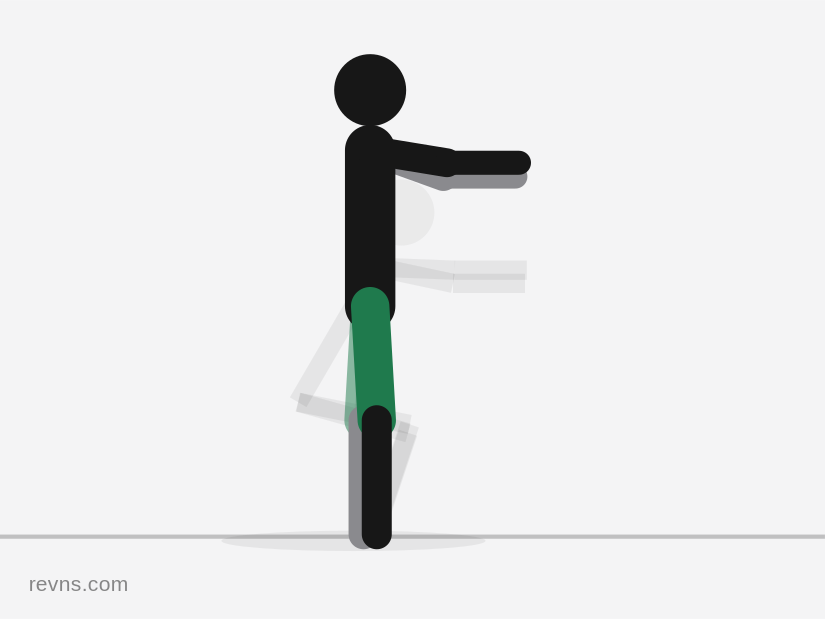
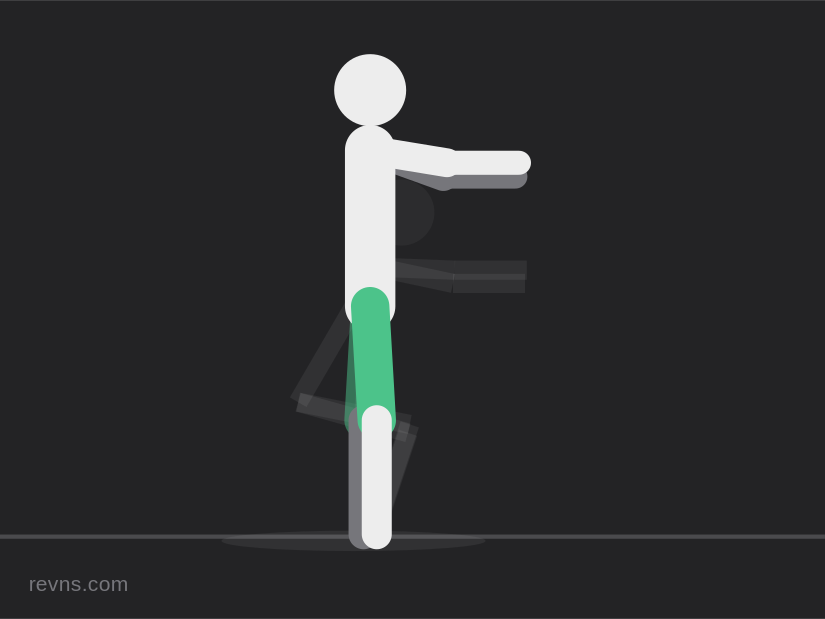
1. Back squat
The back squat trains the thighs and glutes and teaches you to brace under a load on your upper back. It belongs first in the session while you are fresh. Use a squat rack every time; never squat a loaded bar without safeties.
- Set the bar on the rack at mid-chest height and step under it so the bar rests on your upper back, not your neck.
- Grip the bar, squeeze your shoulder blades, and stand to unrack. Take one or two steps back.
- Set feet about shoulder-width, toes slightly out. Brace your trunk.
- Sit hips back and down until thighs are at least parallel if mobility allows, knees tracking over the toes.
- Drive through the whole foot to stand, exhaling after the hardest part.
Do: 3 × 5 on both Workouts A and B. Move on when: 3 × 5 looks identical on reps three, four and five. Common mistake: knees collapsing inward. Push knees toward the pinky toe side without twisting the foot. Easier: goblet squats or box squats until you own depth without the bar. Harder: front squats after months of clean back squats.
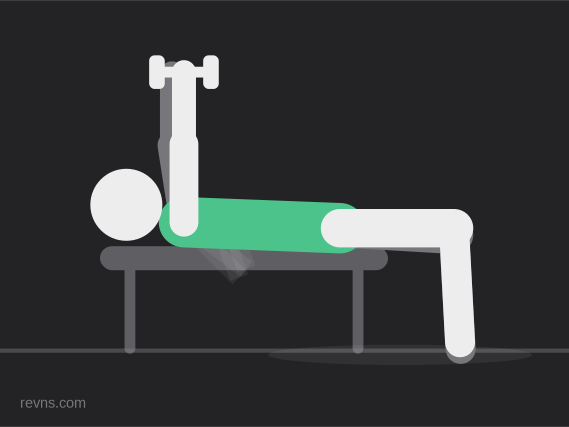
2. Bench press
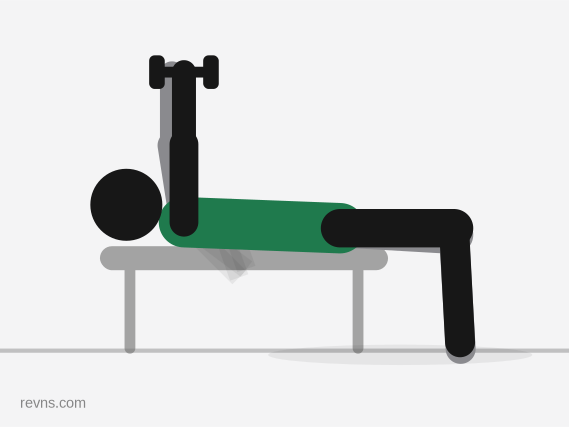
The bench press is your horizontal push: chest, front shoulders and triceps work together while your back stays pinned to the bench. Beginners often start with only the 20 kg bar; that is correct until the bar path is steady.
- Lie with eyes under the bar, feet flat on the floor, shoulder blades pulled together and down.
- Grip slightly wider than shoulders, wrists stacked over elbows.
- Unrack and hold the bar over your shoulders with straight arms.
- Lower the bar to mid-chest under control, elbows about 45 degrees from the ribs.
- Press up until arms are straight without lifting the hips off the bench.
Do: 3 × 5 on Workout A. Move on when: the last rep of set three does not slow your bar path. Common mistake: bouncing the bar off the chest. Touch lightly, pause a beat, then press. Easier: dumbbell bench press if shoulders protest the fixed bar path. Harder: pause reps with a one-second chest touch, or incline dumbbell press for upper chest volume later.
3. Bent-over row
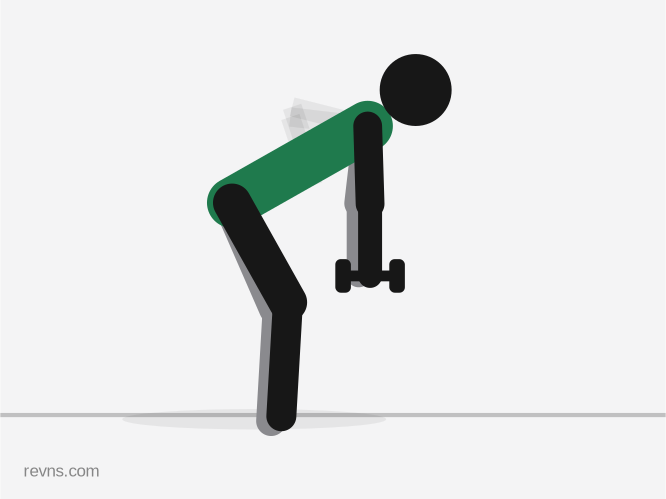
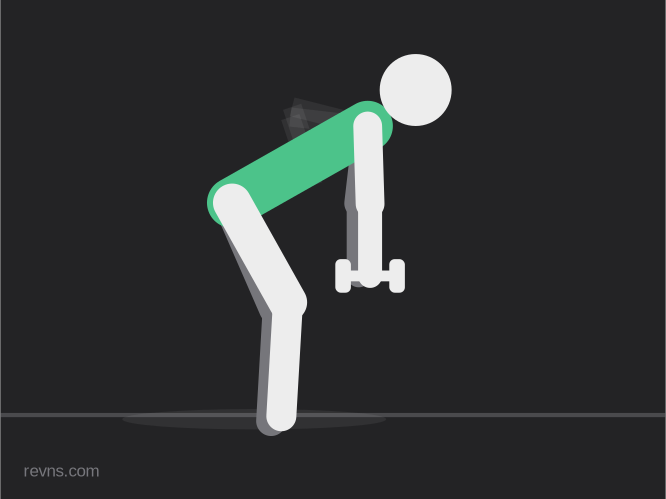
The bent-over row balances all the pressing: it trains the upper and mid back and reinforces a flat back hinge. Rows belong on Workout A after bench so your grip and trunk are still fresh.
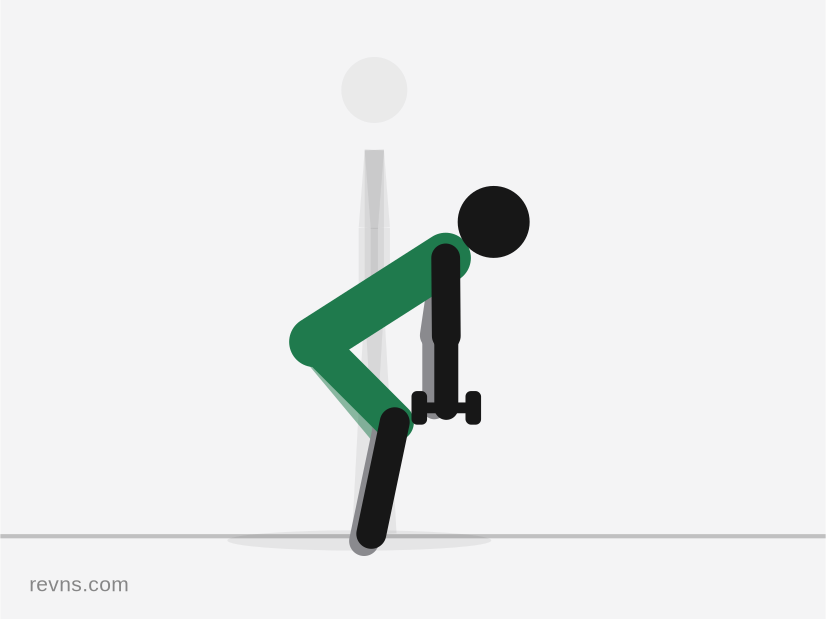
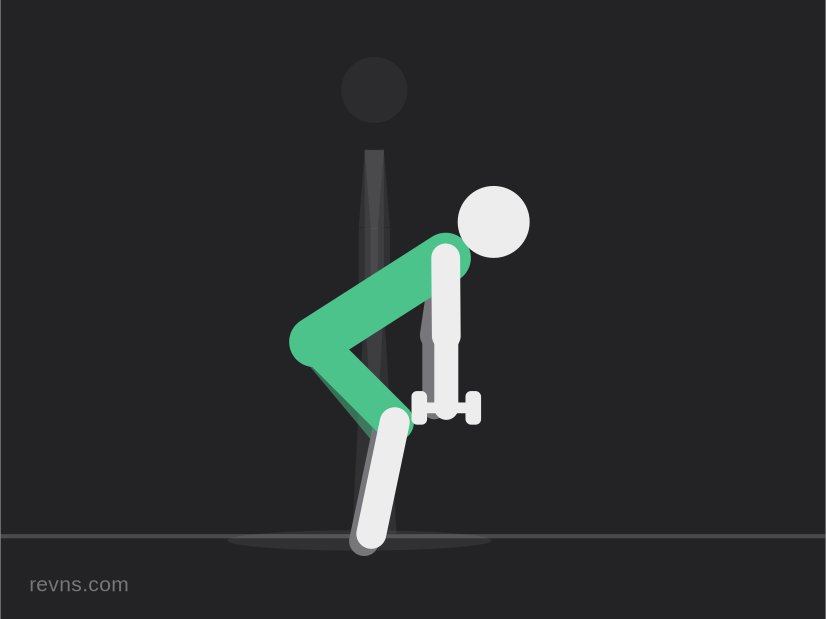
- Stand with feet hip-width, bar over mid-foot. Hinge hips back until your chest is about 45 degrees to the floor, back flat.
- Grip the bar just outside your legs, arms straight.
- Pull the bar to your lower ribs by driving elbows back.
- Squeeze shoulder blades at the top for one second.
- Lower with control until arms are straight again.
Do: 3 × 8 on Workout A. Move on when: you can do 8 reps without jerking or standing taller to cheat the last reps. Common mistake: rounding the lower back as the weight rises. Drop the load and reset your hinge. Easier: dumbbell rows one arm at a time with a hand on a bench. Harder: pull-ups or inverted rows once you need more pulling without a bar.
4. Overhead press
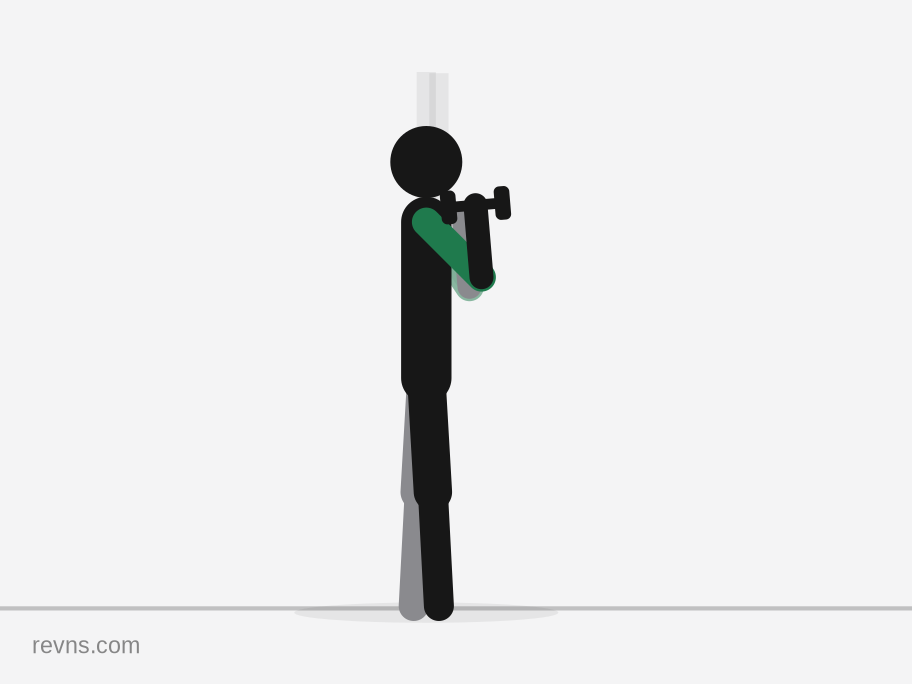
The overhead press is your vertical push: shoulders and triceps lift the bar overhead while your core fights leaning back. It appears on Workout B after squats.
- Stand with the bar at shoulder height in your hands, elbows slightly in front of the bar.
- Brace glutes and ribs; feet hip-width.
- Press the bar straight up, moving your head back slightly so the bar passes your face, then forward under the bar at the top.
- Finish with biceps near your ears and arms straight.
- Lower to the shoulders under control.
Do: 3 × 5 on Workout B. Move on when: you can press without arching your lower back on rep five. Common mistake: pressing forward in an arc instead of up. Think about pushing the ceiling away. Easier: dumbbell shoulder press seated, or pike push-ups at home. Harder: strict barbell press with a two-second lowering phase, or push press only after months of pain-free strict reps. See the overhead press benefits guide for weekly volume ideas later.
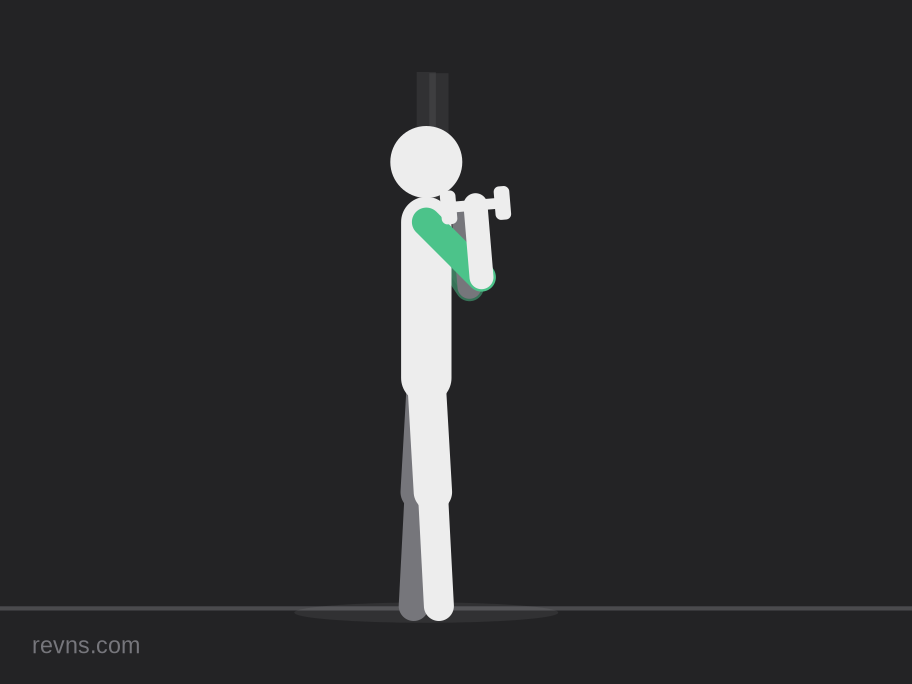
5. Deadlift
The deadlift is a hip hinge that loads the glutes, hamstrings and entire back. It belongs last on Workout B because it demands a fresh grip and trunk. One clean working set of five is enough in the first month.
- Stand with the bar over mid-foot, feet hip-width, shins a few centimetres from the bar.
- Hinge and grip just outside your legs, flatten your back, chest up.
- Pull slack out of the bar by bracing; think about pushing the floor away.
- Stand tall with hips and knees locked, bar close to your legs, without leaning back.
- Lower by pushing hips back first, bar sliding down the thighs until plates touch the floor.
Do: 1 working set × 5 (add warm-up sets below working weight first). Move on when: five reps stay smooth without the bar drifting forward. Common mistake: yanking the bar with a rounded back. Reset each rep from a dead stop on the floor in week one. Easier: Romanian deadlifts or kettlebell deadlifts to learn the hinge. Harder: conventional deadlift with two work sets of five, then long-term sumo deadlifts if stance comfort suggests it.
How does this compare with other beginner barbell plans?
Pages that rank for barbell workout for beginners fall into three camps. Starting-strength style sites give an A/B split like this one but often skip how to bail in a rack or what to do when the empty bar is too heavy overhead. Magazine one-day plans (for example full-body sessions with only squat, press and sumo deadlift) are easy to try once but do not tell you what to do Wednesday. Ten-exercise split days load beginners with curls, raises and extensions before the compounds are solid.
This guide keeps the proven A/B structure, adds rack safety, regression links on every lift, and animated demos tied to each name. It also states plainly that deadlift volume stays low at first, which many copy-paste programmes omit.
What muscles does a beginner barbell workout train?
Across the week you hit:
| Pattern | Lift | Main muscles |
|---|---|---|
| Squat | Back squat | Quads, glutes, core |
| Horizontal push | Bench press | Chest, shoulders, triceps |
| Vertical push | Overhead press | Shoulders, triceps, core |
| Horizontal pull | Bent-over row | Upper back, lats, arms |
| Hinge | Deadlift | Glutes, hamstrings, back |
That is enough for a first 8 to 12 weeks before you need a split. Accessory curls or extensions can wait until the main lifts stall. Energy cost varies with load; heavy squats and deadlifts sit in the moderate-to-vigorous range in the 2024 Adult Compendium of Physical Activities (strength codes near 02050 to 02052), which is why rest days matter.
Who should check with a clinician first?
Ask a qualified professional before starting if you have chest pain, uncontrolled high blood pressure, a recent joint or back injury, pregnancy, or osteoporosis with fracture risk. Previous shoulder or knee surgery does not ban barbells, but it may change which lifts you use first.
Stop the set for sharp joint pain, numbness, dizziness or shortness of breath beyond normal effort. Muscle burn in the thighs on squats is common; knee or back pain that worsens set to set is not. See strength training for beginners for a bodyweight path if the gym must wait.
What should you do in the first two weeks?
| Day | Task |
|---|---|
| Session 1 (A) | Film one set of each lift from the side. Keep loads at empty bar or minimum plates. |
| Session 2 (B) | Practise unracking the bar on press. Deadlift only after two warm-up sets with perfect hinges. |
| Session 3 (A) | If every lift looked the same on session 1, add the smallest plate jump on one upper-body lift only. |
| Between sessions | Sleep, eat regular meals with protein from your diet pattern (vegetarian, vegan or omnivore), and walk 20 minutes on rest days. |
Use the one-rep-max calculator only after you test a true heavy single months later, not in week one.
Related
- Strength training for beginners: the first eight weeks
- Progressive overload in plain words
- How to warm up before a workout
- Rest days: how many you need
This is general training guidance, not medical advice.
Sources
- Bull FC et al. WHO Guidelines on Physical Activity and Sedentary Behaviour. Br J Sports Med 2020.
- American College of Sports Medicine. ACSM's Guidelines for Exercise Testing and Prescription, 11th ed.
- Kraemer WJ et al. Progression models in resistance training for healthy adults. Med Sci Sports Exerc. 2002;34(2):364-380.
- Ainsworth BE et al. 2024 Adult Compendium of Physical Activities.
Terms in this post
revns publishes training and nutrition guidance, not medical advice. See a clinician for symptoms, injury or a medical condition. Accurate as of November 23, 2026.