Romanian deadlift vs deadlift: differences, muscles and a gym practice routine
Romanian deadlift vs deadlift: start position, knee bend, and muscles differ. Compare both lifts, then practise with four gym moves and animated demos in the library.
revns editorial · Published November 24, 2026 · 9 min read

Romanian deadlift vs deadlift: RDL starts at the hip with soft knees and no floor stop; conventional deadlift pulls from the floor with more quad at liftoff. Use both in one hinge week.
Romanian deadlift vs deadlift: the conventional deadlift starts on the floor with more knee bend and loads quads harder at liftoff; the Romanian deadlift (RDL) starts standing, keeps softer knees, and emphasizes the hip hinge and hamstring stretch without resetting the bar on the floor each rep. Both train glutes, hamstrings and the back of the trunk, but they suit different slots in a week. This guide compares them side by side, then gives a 25-minute gym practice session in the exercise library so you can feel the difference with moving demos.
TL;DR
| Topic | Romanian deadlift (RDL) | Conventional deadlift |
|---|---|---|
| Start | Standing, bar at thighs | Bar on floor, hips above knees |
| Knee bend | Soft, mostly fixed | More bend at liftoff |
| Bar path | Down to mid-shin, up without floor touch | Floor to lockout each rep |
| Quad demand | Lower at matched submaximal load in EMG | Higher vastus lateralis activation |
| Typical use | Hamstring focus, hinge skill, accessory | Max strength, picking loads off the floor |
| Practice reps this guide | 2 × 8–10 RDL | 4 × 3–5 from floor |
Practice session (after warm-up)
| # | Move | Sets × reps | Rest |
|---|---|---|---|
| 1 | Good mornings | 2 × 12 | 60 s |
| 2 | Romanian deadlifts | 2 × 8–10 | 60–90 s |
| 3 | Kettlebell deadlifts (optional bridge) | 2 × 8 | 60 s |
| 4 | Deadlifts | 4 × 3–5 | 2–3 min |
How often: 1–2 hinge days per week on non-consecutive days. Who it is for: gym lifters with an empty bar or light plates who can already hip hinge. Time: about 25 minutes plus warm-up.

Romanian deadlift vs deadlift: what is the difference?
The starting position is the clearest split. A conventional barbell deadlift begins with the weight on the floor. You bend at the hips and knees, grip the bar, brace, and drive through the legs and hips until you stand. A Romanian deadlift begins standing with the load in front of the thighs. You push the hips back, slide the bar down the legs to roughly mid-shin or just below the knee, then reverse without letting the plates touch the ground—continuous tension, no dead stop on the floor.
Knee angle changes muscle emphasis. Conventional pulls need more knee extension to break the bar from the floor, so quadriceps work harder in the first phase. ACE expert articles describe RDLs as hip-flexion–dominant lifts with limited knee bend, keeping more tension on hamstrings and glutes through the lowering phase. Knees are not locked straight—that old “stiff-leg” nickname is misleading—but they stay softer and more stable than in a floor pull.
Range of motion differs too. Conventional deadlifts run from floor to full hip and knee extension. RDL depth is bounded by hamstring flexibility and a flat back, usually stopping before the lumbar spine would round. NSCA technique material cues lowering to the tibial tuberosity or just below the knee, not slamming the bar down.
A 2026 study in the Graduate Journal of Sports Science, Coaching, Management, & Rehabilitation compared conventional deadlifts and RDLs in 15 active adults using EMG and 2D motion at 50% of RDL one-rep max. Vastus lateralis activation was higher in the conventional deadlift (P < 0.05). Biceps femoris activation did not differ significantly between lifts at that intensity, though knee and ankle ranges of motion did—a reminder that “hamstrings vs quads” is a coaching shorthand, not a fixed switch.
| Feature | RDL | Conventional deadlift |
|---|---|---|
| Bar starts | Hip height | Floor |
| Floor touch between reps | No | Yes (typical) |
| First-pull skill | Less | More |
| Common limiter | Hamstring stretch / back position | Floor setup / quad off floor |
| Load used | Often moderate | Often heaviest hinge |
What muscles does each lift work?
Both lifts are posterior-chain compounds. Primary movers include gluteus maximus, hamstrings and erector spinae, with forearms and lats stabilizing the bar.
| Muscle group | RDL | Conventional deadlift |
|---|---|---|
| Glutes | Strong hip extension | Strong, especially at lockout |
| Hamstrings | Stretch under load; eccentric control | Hip and knee extension |
| Quadriceps | Assist, less than floor pull | Higher demand at liftoff (EMG study above) |
| Erector spinae | Anti-flexion brace | Anti-flexion through longer ROM |
| Core | Bracing throughout hinge | Bracing from bent knee to stand |
Neither exercise is isolation. If you want quad-heavy leg work, pair hinges with benefits of squats or leg press. For grip and full-body peak force, conventional pulls remain the classic test; for hamstring hypertrophy cues, many programmes add RDLs after main pulls.
Which should you learn first: Romanian deadlift or deadlift?
Learn the hip hinge before either loaded pattern. When you can good morning with a flat back, add RDLs or kettlebell deadlifts—they teach hips back, bar close, and hamstring length without the hardest floor position. ACE progression notes suggest standing hip hinges without weight, then light dumbbells, before a 45 lb Olympic bar. Only then add barbell deadlifts from the floor, as in how to deadlift with good form.
Choose conventional deadlifts when you need to lift from the floor in daily life, want a main strength lift, or compete in rules that start on the platform. Choose RDLs when hamstrings are the weak link, you are backing off after a heavy pull day, or you want volume without another max effort from the floor.
How do you do this workout?
Run this comparison session on a barbell and rack day. Warm up five minutes of brisk walking, then hip circles and ankle rocks. Use an empty 20 kg or 45 lb bar for RDL and deadlift sections until every checklist item passes.
Rounds: one pass through the table—not a circuit. Rest fully between heavy sets.
Progression: when 4 × 5 deadlifts look the same on video, add the smallest plate jump or one rep. When 2 × 10 RDLs stay smooth, add load or one set. Track work sets in the multi-sport tracker or a notebook so progressive overload is visible next month.
Weekly fit: one session like this plus a second strength day (squat, push or pull) meets WHO 2020 guidance for muscle-strengthening on two or more days per week for adults. Leave 48 to 72 hours before another heavy hinge if soreness lingers.

The moves
Each block includes steps, set targets, one mistake, and easier or harder options in the exercise library.
1. Good mornings
Good mornings drill hips back, chest forward, spine neutral—the shared engine for RDLs and conventional pulls.
- Stand feet hip-width, hands at temples or crossed on your chest.
- Soften knees slightly; hips move, not a deep squat.
- Push hips back until hamstrings tension without rounding the lower back.
- Pause at the stretch, then drive hips forward to stand tall.
- Reset posture before the next rep.
Do: 2 × 12, rest 60 s. Move on when: 12 reps feel identical on both sides of the mirror. Common mistake: folding at the waist instead of pushing the hips back. Think about closing a door behind you with the glutes. Easier: glute bridges. Harder: light Romanian deadlifts.
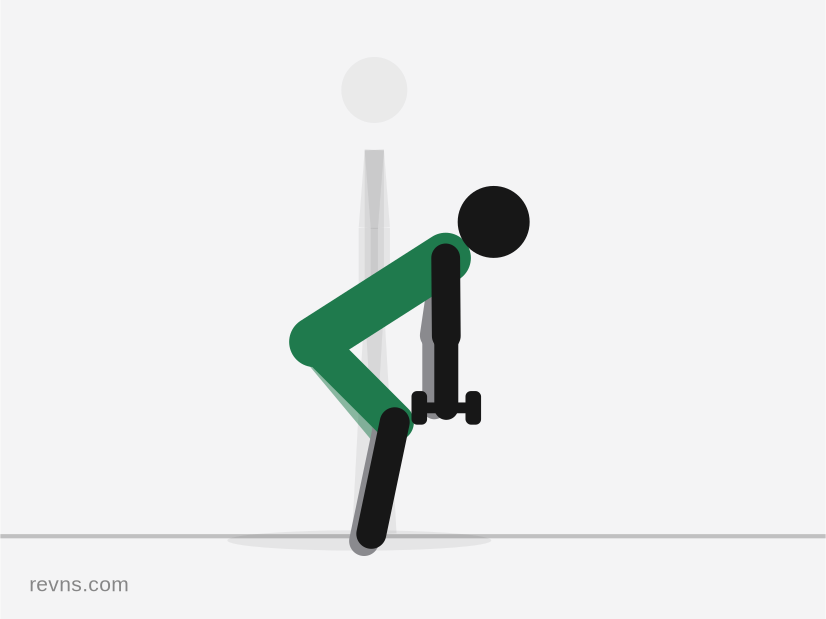
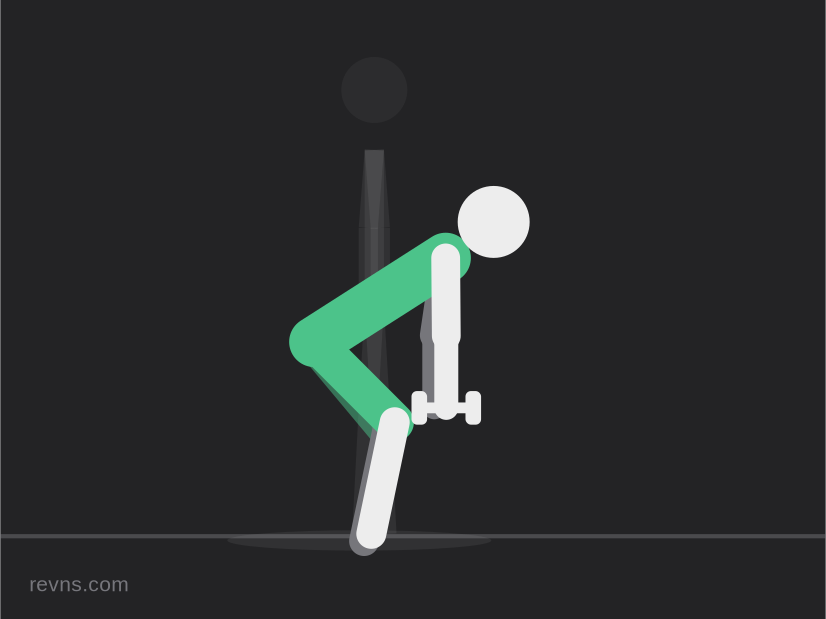
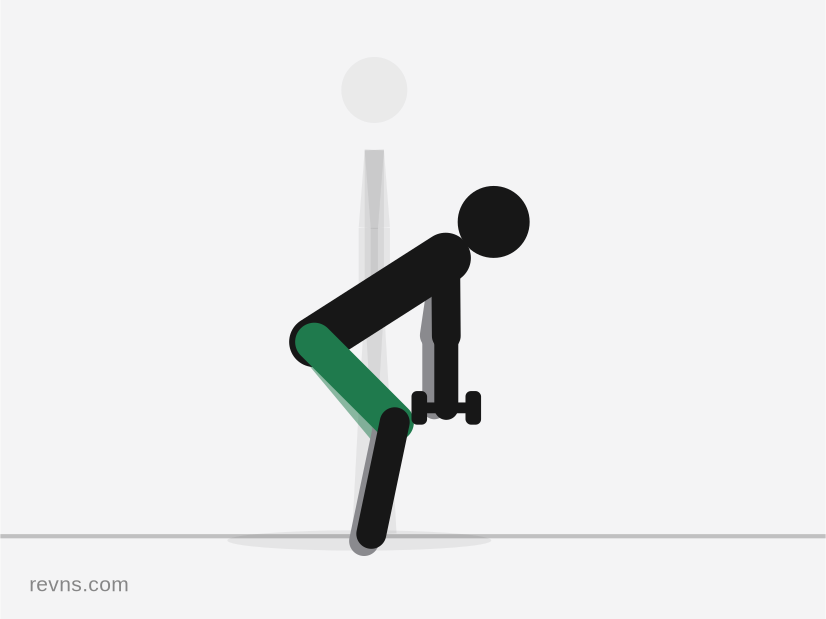
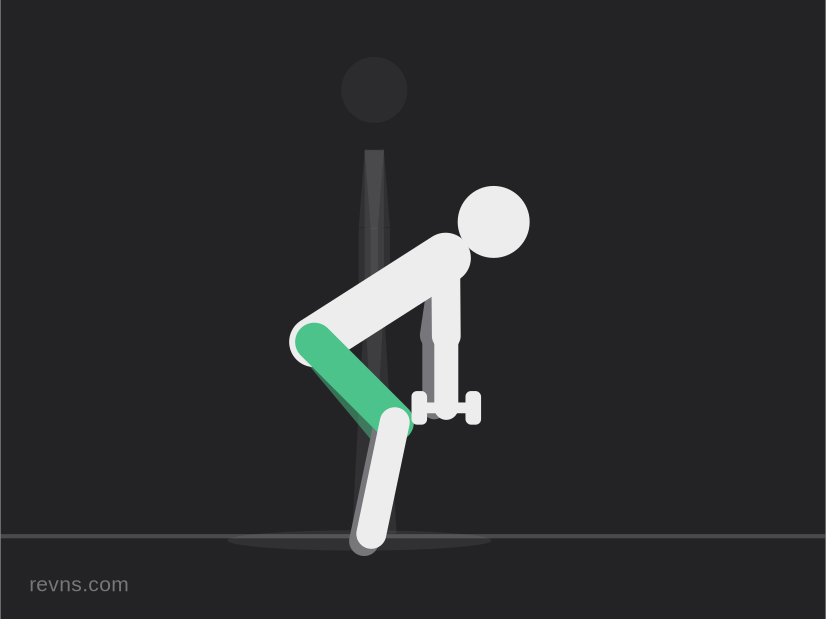
2. Romanian deadlifts
The RDL side of Romanian deadlift vs deadlift: weight stays in the hands, no floor reset, knees soft.
- Stand with bar, dumbbells or kettlebell at mid-thigh, knees soft.
- Brace the core and pull shoulders down slightly.
- Push hips back; slide the bar down the legs toward mid-shin.
- Stop at hamstring stretch or before the back rounds.
- Drive hips forward to stand; squeeze glutes without hyperextending.
Do: 2 × 8–10, rest 60–90 s. Move on when: every lowering phase grazes the legs and the back stays one shape. Common mistake: squatting the bar down by bending knees first. Hips travel back; knees unlock but do not dive forward. Easier: good mornings. Harder: single-leg deadlifts after you own the bilateral pattern.
3. Kettlebell deadlifts
Kettlebell pulls bridge floor start with a short bar path, useful before the seven-foot Olympic bar.
- Place the kettlebell between your feet, handle aligned with your arches.
- Hinge with soft knees, grip the handle, shins mostly vertical.
- Brace, flatten the back, and lift chest without moving the bell yet.
- Push the floor away; bell stays between your legs at the top.
- Lower under control until the bell rests, then reset your brace.
Do: 2 × 8, rest 60 s. Move on when: setup matches kettlebell deadlift cues without a rounded back. Common mistake: squatting the bell up—hips should move back first. Easier: good mornings. Harder: deadlifts with an empty bar.
4. Deadlifts
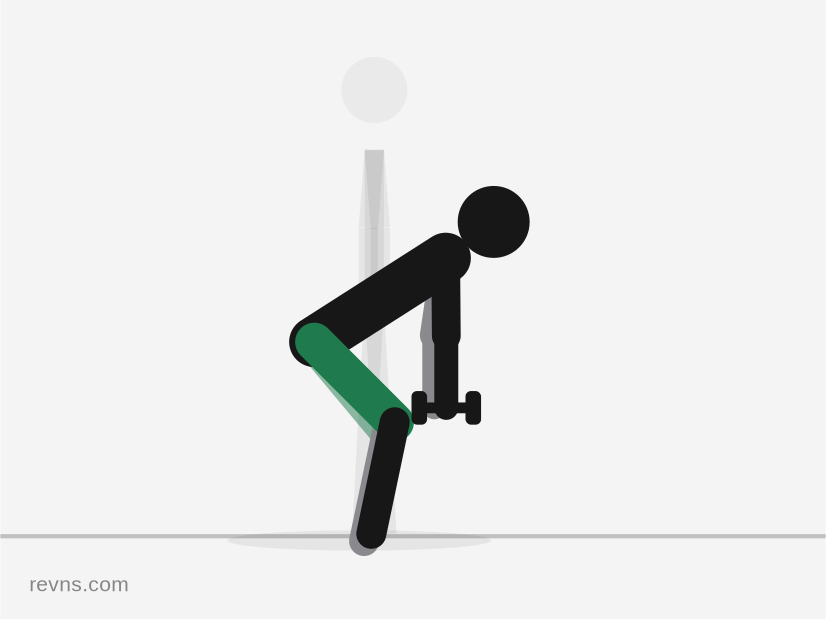
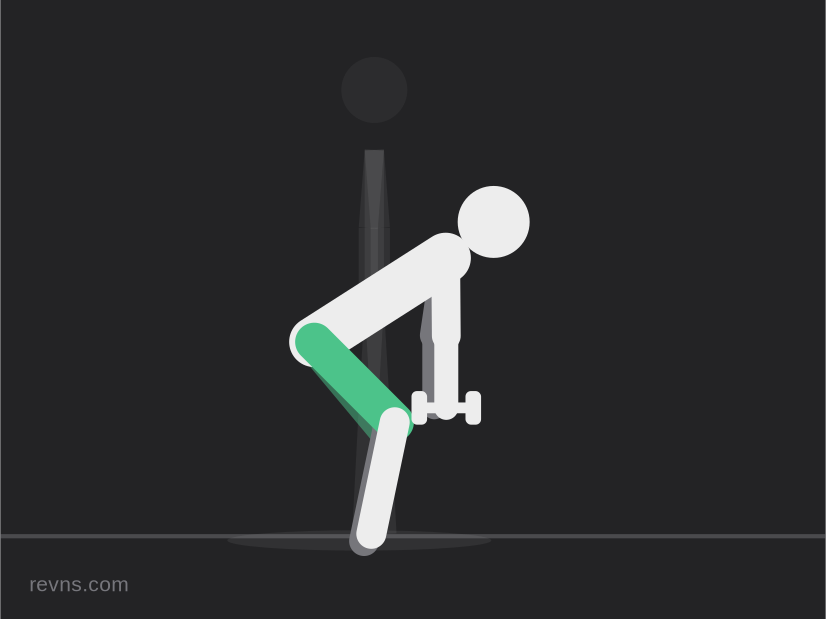
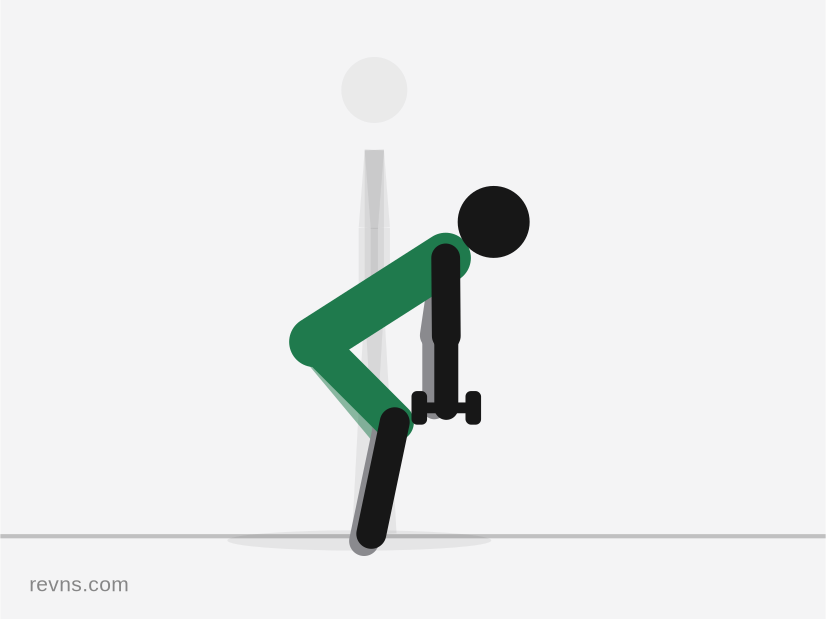
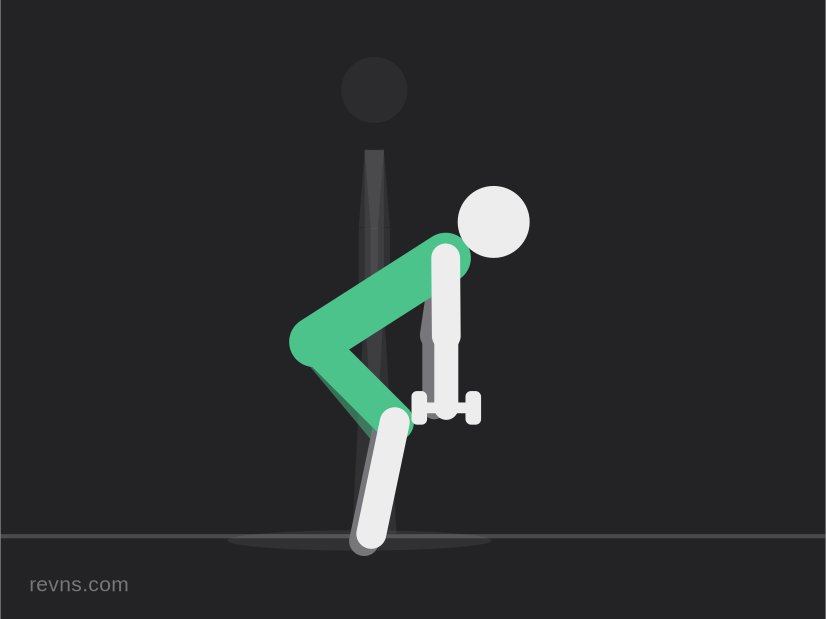
The conventional deadlift side of the comparison: bar on the floor, full first pull, touch or reset each rep.
- Stand with mid-foot under the bar, feet hip-width.
- Hinge and grip just outside your legs; bend knees until shins meet or nearly meet the bar.
- Brace, flatten the back, shoulders over or slightly ahead of the bar.
- Take slack out of the bar, then push the floor away, bar on the legs.
- Stand with hips and knees straight without leaning back.
- Lower by hinging hips first; bend knees after the bar passes them to set the bar down.
Do: 4 × 3–5, rest 2–3 min. Move on when: 4 × 5 at the same load repeats the same setup video review. Common mistake: jerking the bar with a rounded lumbar spine. Reduce load or stay on RDLs another week. Easier: Romanian deadlifts or kettlebell deadlifts. Harder: sumo deadlifts after reading benefits of sumo deadlifts.
Can you do Romanian deadlifts and deadlifts in the same week?
Yes—most intermediate programmes alternate emphasis.
| Week structure | Example |
|---|---|
| Day A | Conventional deadlift 4 × 3–5 main, light rows |
| Day B | Squat or leg press, lighter accessories |
| Day C (optional) | RDL 3 × 8–10 after upper body, or alone as technique |
Avoid two max-effort floor pulls on consecutive days. RDLs fit the day after a heavy squat when hamstrings need work but the nervous system should not repeat a maximal deadlift. See benefits of deadlifts for a fuller hinge template.
Romanian deadlift vs trap bar or sumo
Trap-bar (hex-bar) deadlifts often allow a more upright torso and feel quad-dominant for some lifters; they are a third hinge option, not a replacement for learning RDL versus conventional mechanics. Sumo deadlifts widen the stance and shorten vertical bar travel—compare in the sumo benefits guide. Pick the style you can brace and repeat; none is cheating.
What do ranking guides miss?
Competitor pages explain start position well but often skip:
- Primary EMG numbers at matched submaximal load (quad difference, hamstring similarity in fifteen adults).
- A single gym session that rehearses both patterns back-to-back with regressions.
- Move-on rules tied to video, not vague “when it feels easy.”
- Links to animated hinge demos so readers are not matching stock photos to their own limb lengths.
This post fills those gaps and points to one-rep-max calculator only after form is stable—not on week one.
What to do this week
- Film five RDLs from the side: bar skims legs, back shape unchanged.
- Film five deadlifts from the floor with the same bar; compare knee angle at breakoff.
- Note which lift limits you—hamstring stretch on RDL versus floor position on conventional.
- Keep one rest or easy day between hinge sessions.
Who should check with a clinician first?
Ask before heavy hinges if you have pregnancy or postpartum concerns, recent lumbar or hip surgery, disc-related symptoms with neurologic signs, osteoporosis with fracture history, or acute back pain. A clinician may prefer trap-bar pulls, block pulls, or tempo RDLs during rehab—this page does not choose for you.
When to stop during a set
Stop for sharp pain, pain that travels down a leg, numbness, dizziness, chest pain, or loss of bladder or bowel control (urgent care for the last). Muscle burn in hamstrings or glutes is normal; joint or nerve pain is not. Reduce load if form breaks before the last rep you planned.
This is general training guidance, not medical advice.
Related
- How to deadlift with good form: beginner barbell technique and moving demos
- Benefits of deadlifts: what they train, how often and a simple plan
- Barbell workout for beginners: a simple four-move gym routine
- Progressive overload in plain words
Sources
- American Council on Exercise. What is the difference between Romanian deadlift vs deadlift?
- National Strength and Conditioning Association. Romanian deadlift (RDL) technique excerpt from Exercise Technique Manual, 3rd ed.
- Lyons M et al. The effects of the conventional deadlift and Romanian deadlift on muscle activation and joint angles at a submaximal intensity. Graduate Journal of Sports Science, Coaching, Management, & Rehabilitation 2026.
- World Health Organization. WHO guidelines on physical activity and sedentary behaviour, 2020.
Terms in this post
revns publishes training and nutrition guidance, not medical advice. See a clinician for symptoms, injury or a medical condition. Accurate as of November 24, 2026.