How to deadlift with good form: beginner barbell technique and moving demos
How to deadlift with good form: hip hinge first, then kettlebell, RDL and barbell. Setup, bracing, five sets, two days a week, and four animated demos.
revns editorial · Published November 24, 2026 · 9 min read

Deadlift with good form by hinging with a flat back, bar over mid-foot, hips and shoulders rising together. Start bodyweight and kettlebell, then 5×3–5 on the bar, 2 days a week.
To deadlift with good form, brace a neutral spine, keep the bar over mid-foot and close to your legs, and drive through the floor until hips and knees finish together without leaning back at the top. This guide builds up in the exercise library: good mornings, kettlebell deadlifts, Romanian deadlifts, then barbell deadlifts. Plan 20 to 30 minutes, one or two gym days a week, and stop if sharp back pain, numbness or chest pain appears.
TL;DR
| # | Move | Sets × reps | Rest |
|---|---|---|---|
| 0 | Hip circles + good mornings warm-up | 1 × 10 | 45 s |
| 1 | Good mornings | 2 × 12 | 60 s |
| 2 | Kettlebell deadlifts | 3 × 8–10 | 60–90 s |
| 3 | Romanian deadlifts | 2 × 8–10 | 60–90 s |
| 4 | Deadlifts (barbell) | 5 × 3–5 | 2–3 min |
How often: 1–2 days per week on non-consecutive days. Progress: when every working set hits 5 clean reps at the same bar path, add the smallest plate jump or one rep per set before loading.
How to deadlift with good form?
A conventional barbell deadlift is a hip hinge: you push the hips back, grip the bar on the floor, then extend hips and knees together to stand. NASM coaching places feet hip-width, shoulders over the bar, vertical shins at setup, and hips lower than shoulders before the pull. Three rules catch most beginner errors:
- Bar over mid-foot. If you stand too far from the bar, it drifts forward and the lower back pays the tax.
- Hips and shoulders rise together. If the hips shoot up first, the pull becomes a stiff-legged round-back lift.
- Finish tall, not leaned back. Squeeze the glutes at lockout without hyperextending the lumbar spine—a common clinic complaint in sports-medicine write-ups.
If you cannot keep those rules on an empty bar, stay on kettlebell and Romanian work for another week. Technique precedes load, as strength guidelines from ACSM and NASM both stress.
What muscles does a deadlift work?
The gluteus maximus, hamstrings, and erector spinae do most of the work extending the hips and spine. Quadriceps help as the knees extend off the floor. Latissimus dorsi and grip muscles keep the bar close. Compendium code 02052 (resistance squats, deadlifts, slow or explosive effort) maps to roughly 5.0 METs at moderate effort—use your body weight on the move pages for session estimates.
Deadlifts are not a stand-alone programme. Pair them with squats, rows and carries across the week, as in strength training for beginners. This page is setup and a first bar session, not periodisation.
How do you do this form workout?
Starting test
Before plates, hinge 10 bodyweight good mornings with a flat back and soft knees. If you cannot feel hamstrings load or the back rounds, practice good mornings for three sessions before kettlebell or bar work.
Session flow
- Warm-up (3 minutes): hip circles, ankle rocks, then 10 slow good mornings.
- Hinge primer: 2 × 12 good mornings; rest 60 seconds.
- Load intro: 3 × 8–10 kettlebell deadlifts or light dumbbells between the feet; rest 60 to 90 seconds.
- Range check: 2 × 8–10 Romanian deadlifts with the same weight; rest 60 to 90 seconds.
- Main lift: 5 × 3–5 deadlifts with the empty bar or lightest full-size bar you have; rest 2 to 3 minutes between work sets.
Reset your setup on every rep for the barbell: walk away, breathe, walk in, brace, pull slack, then lift. Rushing setups is how rounded reps sneak in.
Grip and footwear
Beginners should use a double overhand grip until the bar rolls in the fingers; straps are optional later. A mixed grip can help very heavy singles but may asymmetrize lat tension over months—switch hands each workout if you use it. Flat soles or lifting shoes you trust beat soft running foam that wobbles under heavy loads.
When to add weight
Move up when all working sets share the same tempo, bar path and back shape. Increase by the smallest plate on your rack, or add one rep per set for a week. Track pulls in a log (see workout log with sets and reps). After several consistent weeks, a one-rep-max calculator can suggest training weights—never from a sloppy max test.
Rack height and lowering
In most gyms you return the bar to the floor under control each rep (touch-and-go only when you can keep brace). Do not bounce plates off rubber if it pulls you out of position. For high pulls from pins, that is a different lift—this guide is floor conventional.
The moves
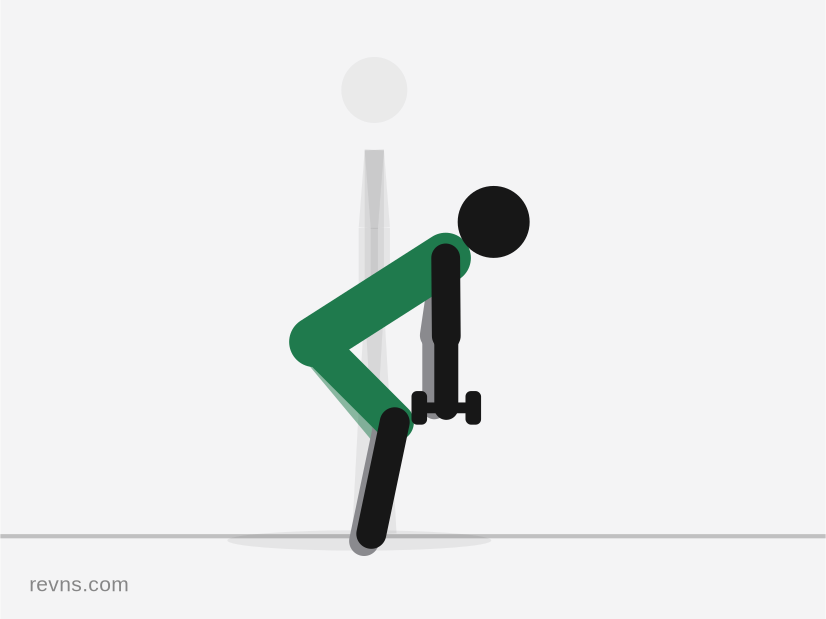
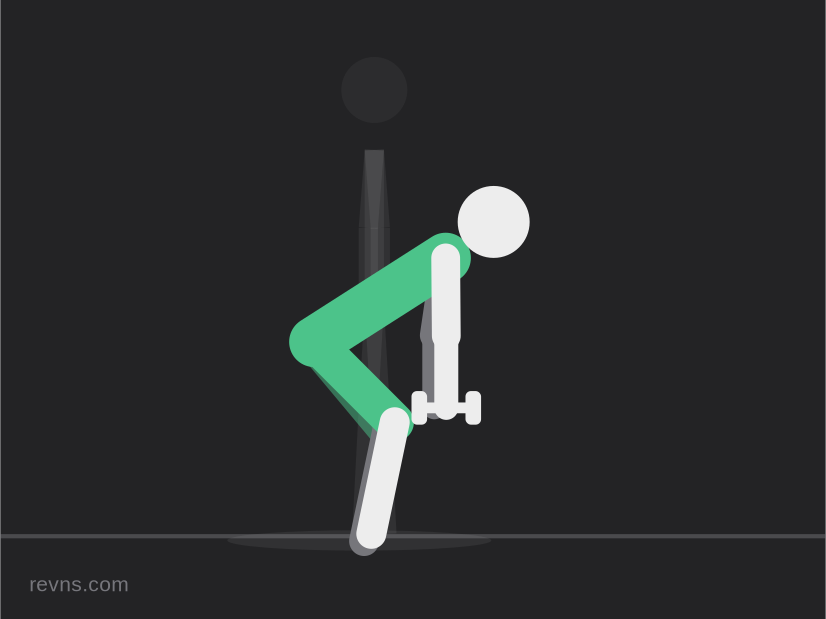
1. Good mornings
Good mornings teach hips back, chest forward, back flat—the same pattern as a deadlift without load on the hands. Use them every warm-up even after you barbell pull.
- Stand with feet hip-width, fingertips at your temples or hands behind your head.
- Soften the knees slightly; do not turn this into a squat.
- Push the hips back until you feel hamstring tension, keeping the back flat.
- Pause when the torso is roughly parallel or before the back would round.
- Drive the hips forward to stand tall without leaning back.
Do: 2 × 12, rest 60 s. Move on when: 12 reps stay smooth with the same back shape. Common mistake: bending the knees too much so the quads take over. Think “close a drawer behind you” with the hips. Easier: glute bridges. Harder: Romanian deadlifts.
2. Kettlebell deadlifts
The kettlebell sits between the feet, so the path is short and the load stays close. It bridges bodyweight hinges and a seven-foot bar.
- Place the kettlebell between your ankles, handle in line with your shoelaces.
- Hinge with soft knees until you can grip the handle, shins mostly vertical.
- Brace, flatten the back, and “pull slack” by lifting chest without moving the bell yet.
- Push the floor away and stand tall; bell stays between your legs.
- Lower by pushing hips back until the bell touches the floor, then reset your brace.
Do: 3 × 8–10, rest 60–90 s. Move on when: every rep looks the same on video or in a mirror. Common mistake: squatting the bell up with knees driving forward. Hinge first, then let knees bend only as much as needed for your levers. Easier: good mornings. Harder: deadlifts with an empty bar.
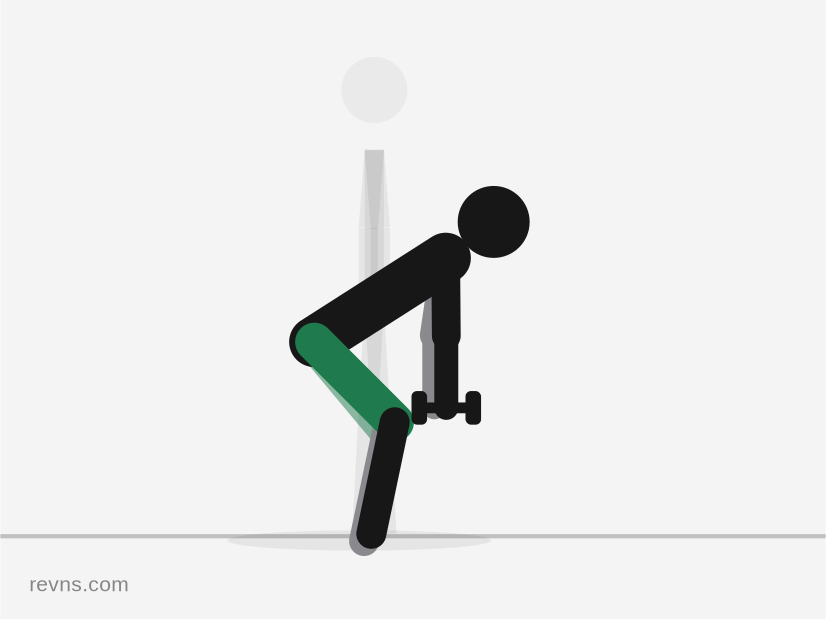
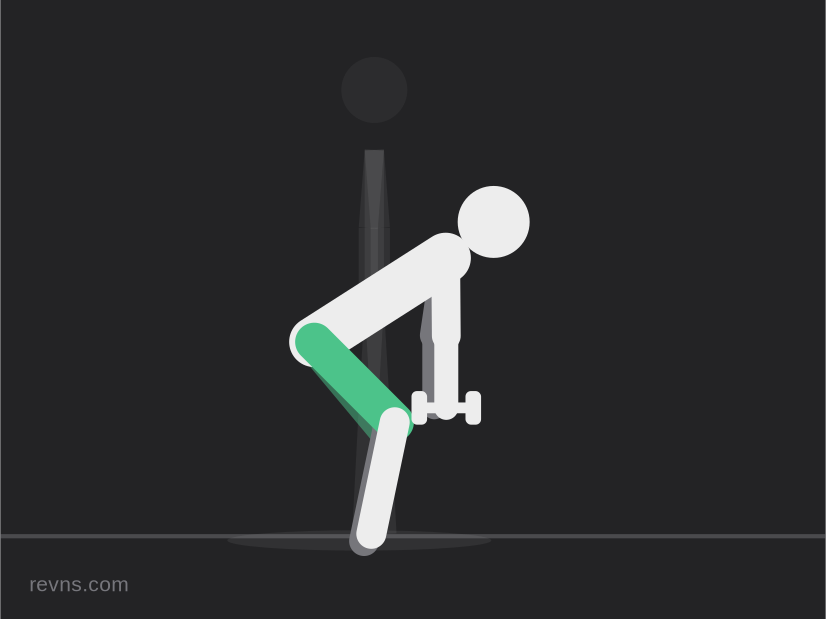
3. Romanian deadlifts
Romanian deadlifts load the hamstring stretch with weight in the hands—closer to how a barbell feels off the floor without the hardest knee angle.
- Stand holding a kettlebell, dumbbells or an empty bar at thigh height, knees soft.
- Push the hips back and slide the weight down the front of your legs.
- Stop when hamstrings pull and the back would begin to round.
- Drive the hips forward to stand; knees stay unlocked but stable.
- At the top, squeeze glutes without pushing hips past vertical.
Do: 2 × 8–10, rest 60–90 s. Move on when: you can lower to mid-shin with a flat back using the gym’s lightest bar. Common mistake: letting the weight drift forward. Keep it over mid-foot, grazing the legs. Easier: good mornings. Harder: deadlifts.
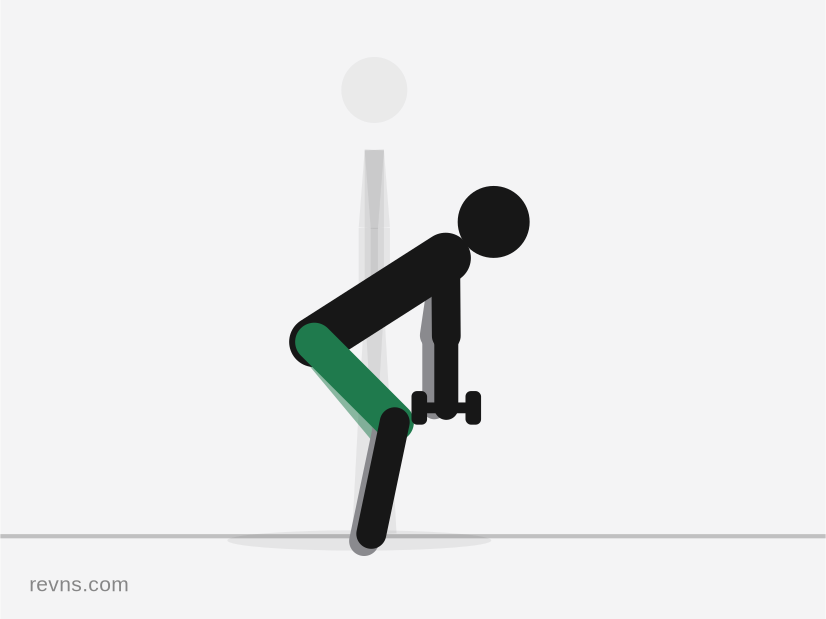
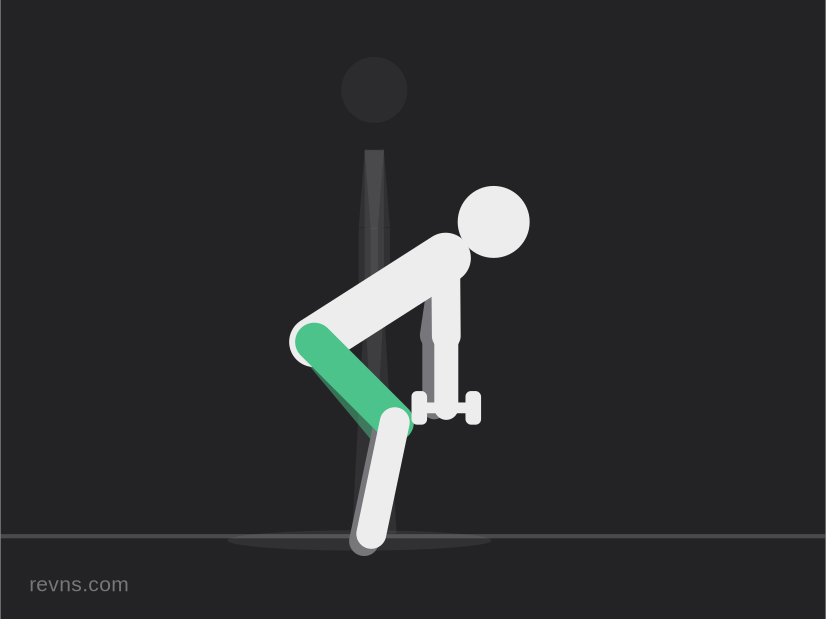
4. Barbell deadlifts
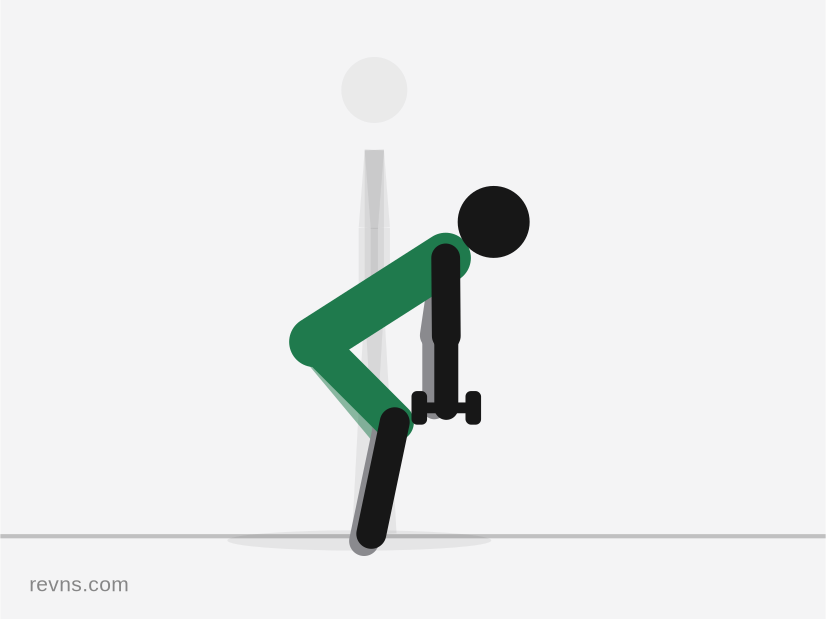
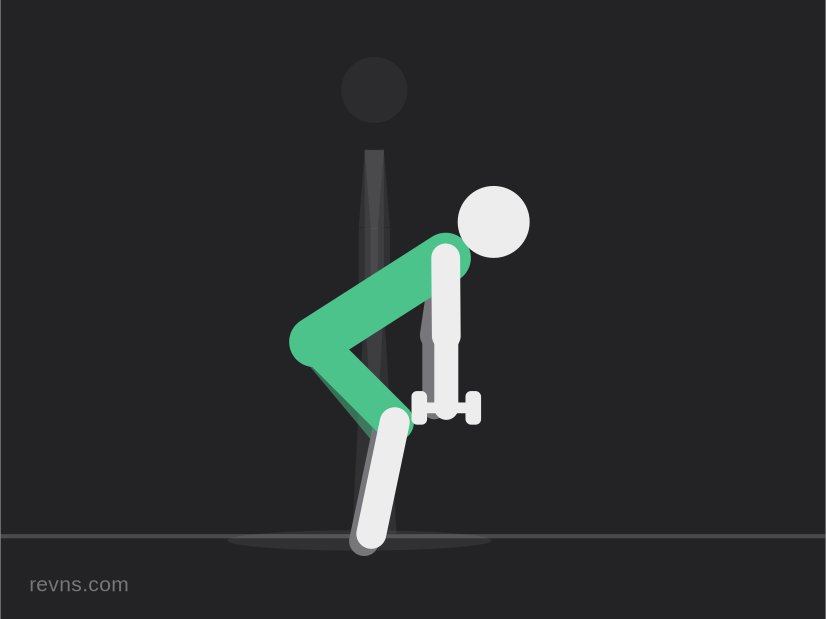
The conventional pull starts with the bar on the floor, hands just outside the shins, using the full deadlift demo as your cue card.
- Walk to the bar so it splits your foot; shins one to two inches from the knurling.
- Hinge and grip the bar double overhand; bend knees until shins lightly touch or nearly touch the bar without rolling it away.
- Flatten the back, pull shoulders down and back, and brace as if ready for a light push to the stomach.
- Pull tension into the bar (“take the slack out”) before the plates leave the floor.
- Push the floor away, keep the bar on your legs, and stand with hips and knees straight.
- Lower by pushing hips back, bending knees once the bar passes them, and set the bar down in control.
Do: 5 × 3–5 on the bar you can repeat cleanly; rest 2–3 min. Move on when: 5 × 5 at that load uses the same setup checklist every rep. Common mistake: jerking the bar with a round back. If you need a yank, the load is too heavy or the slack was never taken out. Easier: kettlebell deadlifts. Harder: sumo deadlifts after you read benefits of sumo deadlifts.
What do top guides get wrong about beginner deadlifts?
Most ranking pages list seven to ten setup steps but skip a week of hinge-only work. Others show mixed grip and belt cues on day one, which beginners do not need. Few link each mistake to a regression you can do today.
This routine names a move-on rule for every stage, ties weekly frequency to WHO muscle-strengthening guidance (at least two days per week), and shows each move with an animated figure so you are not matching a still photo to a different athlete’s torso length.
How often should beginners deadlift?
One or two hard hinge days per week is enough for most novices. WHO 2020 guidelines for adults recommend muscle-strengthening activities on two or more days per week that involve all major muscle groups; one deadlift day plus a squat or press day satisfies that pattern when the rest of the week includes rows and carries.
Leave 48 to 72 hours between heavy pulls if hamstrings or the lower back feel beat up. Use progressive overload in plain words to add load slowly—roughly 2.5 to 5 kg jumps on the bar when sets are clean beat heroic leaps that spoil form.
Who should check with a clinician first?
Ask a qualified clinician before heavy hinges if you have pregnancy or postpartum needs, recent back or hip surgery, osteoporosis with spine fracture risk, or numbness down the legs. Training guidance cannot clear you for sport-specific loads.
When to stop during a set
Stop the set if you feel sharp pain (not normal muscle burn), pain that spreads to the groin or down a leg, dizziness, chest pain or loss of bladder or bowel control—seek urgent care for the last. For lingering back pain after deadlifts, reduce load and get assessed rather than pushing through.
Use a neutral neck: eyes on the floor a few feet ahead, not craning up at the mirror mid-rep.
What to do this week
| Day | Task |
|---|---|
| Day 1 (gym) | Full ladder above: good mornings, kettlebell, RDL, 5 × 3–5 empty bar |
| Day 2 | Rest or light walk; log how the bar path felt |
| Day 3 | Optional: 2 × 12 good mornings only |
| Day 4 | Rest |
| Day 5 | Repeat Day 1; add smallest plates only if every rep from set 1 matched your checklist |
| Weekend | Film one set from the side; compare hip and shoulder rise |
If you also train upper body, separate heavy deadlifts from maximal grip tests on the same day—fatigued forearms change bar path.
Related
- Benefits of deadlifts: what they train, how often and a simple plan
- Benefits of sumo deadlifts: what they train, sumo vs conventional and a simple plan
- Strength training for beginners: the first eight weeks
- How to warm up before a workout
- Progressive overload in plain words
- Deadlifts in the exercise library
This is general training guidance, not medical advice.
Sources
- National Academy of Sports Medicine. Barbell deadlift: setup and coaching cues. NASM Exercise Library.
- Bull FC et al. WHO Guidelines on Physical Activity and Sedentary Behaviour. Br J Sports Med 2020;54:1451–1462.
- American College of Sports Medicine. ACSM's Guidelines for Exercise Testing and Prescription, 11th ed. Wolters Kluwer.
- Ainsworth BE et al. 2024 Adult Compendium of Physical Activities.
Terms in this post
revns publishes training and nutrition guidance, not medical advice. See a clinician for symptoms, injury or a medical condition. Accurate as of November 24, 2026.