Five numbers worth a weekly health check-in for people who train
Once a week, review sleep hours, mood, training load, protein and resting heart rate. Trends beat daily noise. A simple table for lifters and runners.
revns editorial · Published November 12, 2026 · 10 min read
A weekly health check-in with five numbers: average sleep, mood and energy, hard sessions, protein hit rate, and resting heart rate trend. BJSM reviews favour subjective logs with load.
A weekly health check-in takes about ten minutes and uses five numbers most adults who train can track without a lab: average sleep, subjective wellness (mood and energy), hard sessions completed, protein days on target, and resting heart rate trend if you wear a tracker. A 2016 systematic review in the British Journal of Sports Medicine compared monitoring tools in 56 studies and reported that self-reported wellness tracked acute and chronic training load with better sensitivity and consistency than many objective measures. That does not make watches useless; it means your honest weekly averages belong on the same page as heart rate. This guide names what each number can show, what it cannot, and how to act on a pattern.
TL;DR
| # | Number | What to log | Weekly question | One action if it slips |
|---|---|---|---|---|
| 1 | Sleep | Hours per night, same wake time when you can | Is my 7-night average at or above my floor? | Cut one hard session; fix bedtime, not only alarm |
| 2 | Mood and energy | Same 1–5 scale after waking | Did scores fall for most of the week? | Deload or swap intervals for an easy walk |
| 3 | Training load | Hard sessions planned vs done | Did I stack three hard days in a row? | Move a quality day; add a rest day |
| 4 | Protein | Days you hit your gram target | How many days landed within ~10 g of target? | Add one anchoring meal: dal, eggs, tofu, fish or lean meat |
| 5 | Resting heart rate | Morning reading before coffee, if available | Is my 7-day average up 5+ beats vs baseline? | Check sleep and illness first; ease load if wellness matches |
Why review numbers once a week instead of every day?
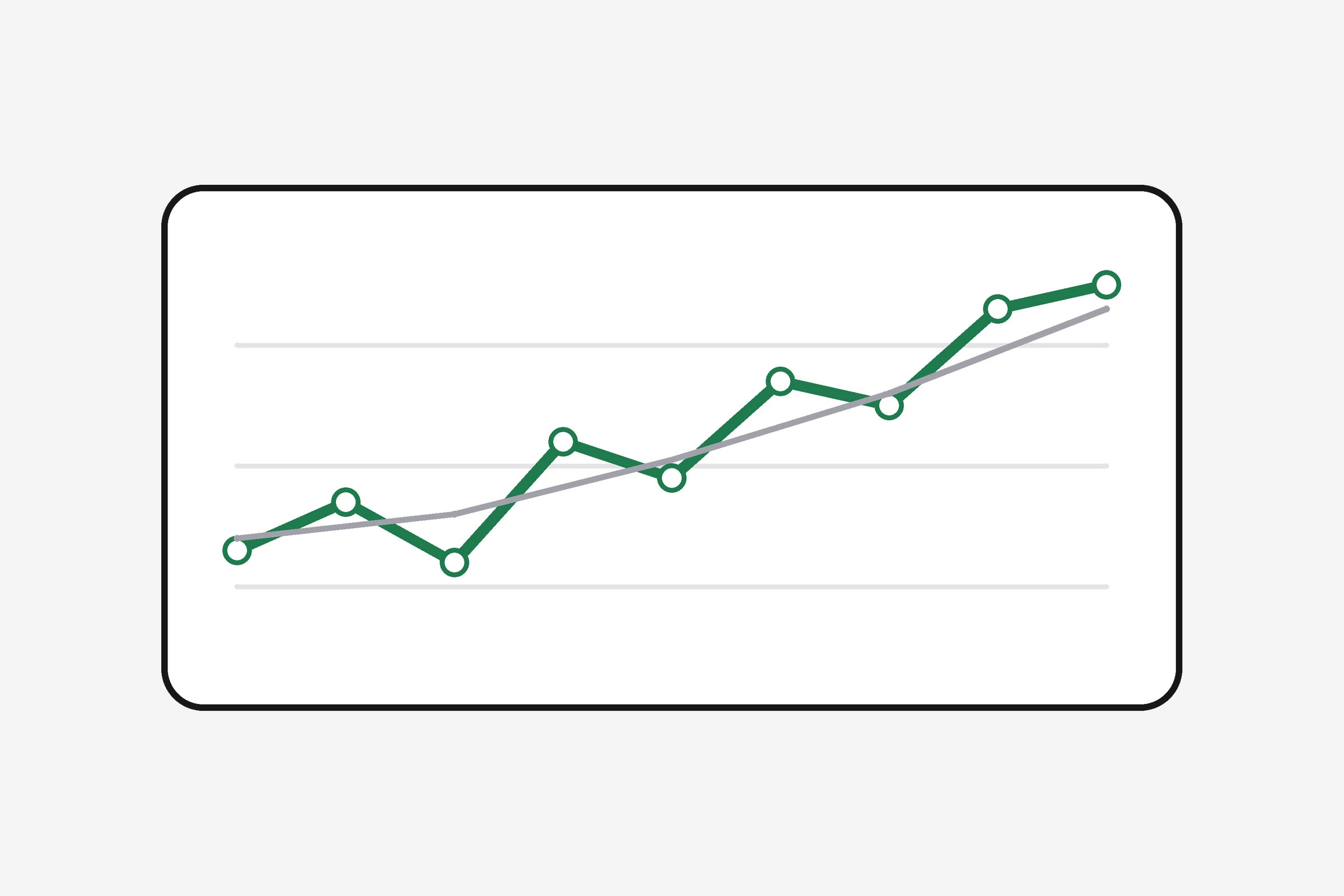
Daily numbers jump around. A bad night after a late meal, a stressful meeting or a new exercise can make one morning look like a crisis. Sports scientists who study training monitoring usually care about direction over 7 to 28 days.
The Saw review in BJSM included studies of athletes who used questionnaires, session rating of perceived exertion and heart rate measures. Subjective measures responded to load changes reliably in many of those papers, while single-objective markers sometimes lagged or misfired. For a regular lifter, runner or yogi who is not in a lab, that supports a simple habit: log lightly most days, judge on Sunday (or any fixed day you keep).
A weekly review also matches how people actually change behaviour. The WHO fact sheet on physical activity reminds adults that any activity beats none and that 150 minutes of moderate activity per week plus muscle strengthening on at least two days is the baseline recommendation. Your check-in asks whether this week moved you toward that baseline, not whether Tuesday was perfect.
What is the first number: sleep?
Sleep is the recovery line that training rides on. The American Academy of Sleep Medicine and Sleep Research Society joint consensus recommends seven or more hours per night for adults 18 to 60 for optimal health, with a minimum of six hours before health may suffer. The National Sleep Foundation used a similar expert panel process and published age-specific ranges; most working adults land near seven to nine hours.
For your check-in, pick a personal floor with the sleep calculator and your schedule, then record time in bed and time awake if you know both. Wearables estimate duration; a notebook works if you note lights-out and wake time.
How to score the week
- Add seven nights of estimated sleep hours (blanks count as unknown, not zero).
- Divide by nights logged. If you logged fewer than five nights, carry the review to next week instead of guessing.
- Compare the average to your floor and to last week.
Sleep that sits under your floor for two weeks in a row while training stays hard is a reason to ease load before you chase a personal best. The guide on how much sleep you need covers targets; the guide on sleep debt explains why weekend catch-up only partly helps.
What sleep cannot tell you alone
Short sleep can come from work, children, perimenopause night sweats, caffeine or anxiety. Fixing training without fixing the bedroom rarely works. If snoring, gasping or daytime sleepiness appear, see a clinician for sleep assessment, not another interval session.
What is the second number: mood and energy?
Subjective wellness means your own rating of mood, energy, stress and soreness on a fixed scale. The Saw review treated these logs as first-class data, not soft extras.
Use one question after you wake, before you scroll:
- Mood: 1 (very low) to 5 (good)
- Energy: 1 (exhausted) to 5 (rested)
Optional add-ons: muscle soreness 1 to 5, life stress 1 to 5. Keep the set small so you actually do it.
How to score the week
- Average mood and average energy across logged days.
- Flag the week if either average drops one full point below your four-week rolling average or if four or more days sit at 2 or below.
That pattern overlaps what the mood and energy logging guide describes beside sleep. When mood and energy fall while sleep looks fine, life stress may dominate. When all three fall together, training load may be the stack on top.
Mental health safety
Low mood most days for more than two weeks, panic, or loss of interest in things you usually enjoy needs a qualified clinician, not a harder week. If you feel unsafe or think about harming yourself, contact your local emergency number or crisis line now. In the US, call or text 988. In the UK and Ireland, Samaritans are on 116 123. In India, KIRAN is on 1800-599-0019. More numbers are at findahelpline.com.
Tracking mood helps you notice a slide early. It does not diagnose depression, burnout or any disorder, and revns does not treat mental health conditions.
What is the third number: training load?
You need an honest count of hard sessions, not every walk to the shop.
Define hard before the week starts:
- Strength: sets near failure, heavy compounds, or a planned progression day
- Running or cycling: intervals, tempo, hills, or a long run above your easy pace
- Classes: anything that leaves you breathing hard for 20 minutes or more
Also note planned versus completed. Missed sessions because of work are data too.
How to score the week
| Metric | How to count |
|---|---|
| Hard sessions done | Number that met your hard rule |
| Hard sessions planned | What your plan said on Monday |
| Back-to-back hard days | Any pair of consecutive hard days |
The International Olympic Committee consensus statement on load in sport (published in BJSM) linked rapid spikes in load with higher injury risk in several sports. You are not calculating acute-chronic workload ratio unless a coach assigns it. For a self-coached week, the practical rule is no three hard days in a row and no second hard leg day while hamstrings scream from the first.
If wellness is down and you still strung together three hard days, next week gets one fewer quality session and one deliberate easy day, as in the stress and deload guide.
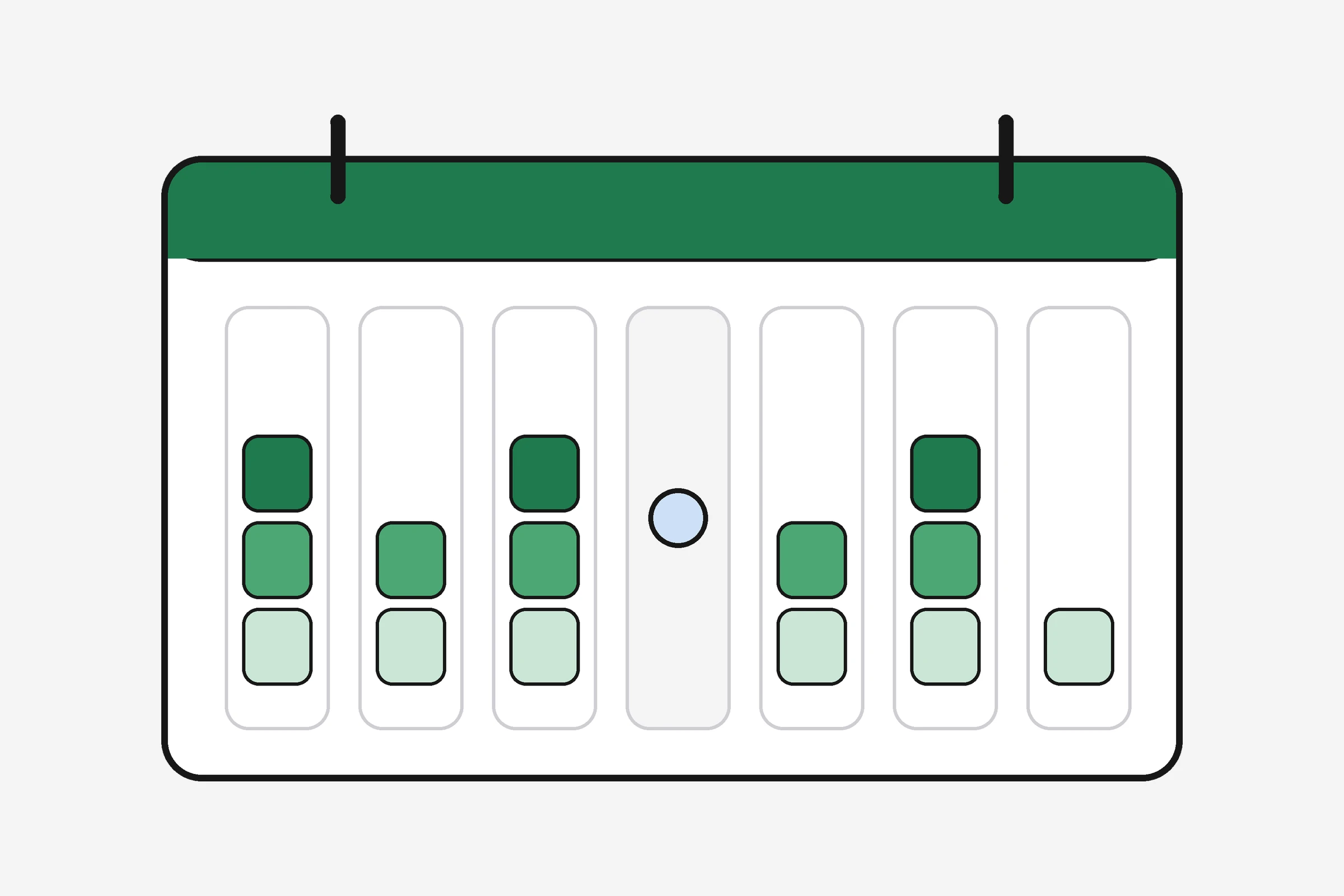
What is the fourth number: protein?
Protein supports muscle repair after lifting. Position statements from major nutrition and sports bodies generally support roughly 1.2 to 2.0 grams per kilogram body weight per day for active adults, with needs toward the top when you train hard and aim to build muscle. Exact targets depend on weight, age, diet and medical history. The protein calculator and the protein per day guide give starting ranges and vegetarian, vegan, eggetarian and Jain meal ideas.
For a weekly check-in, do not weigh every bean. Count days you hit your gram target within about ten grams, using meals you already log.
Examples that count as a hit day
- Dal plus rice or roti, paneer stir-fry, Greek yogurt, eggs, tofu scramble, tempeh, fish, chicken or lean red meat portions spread across meals
- One protein anchor at lunch and dinner if breakfast is light
How to score the week
- Hit days out of seven (or out of days you trained, if you only track on training days).
- Goal for many lifters: at least five hit days; if you are in a muscle-gain block, aim higher with clinician awareness if you have kidney disease.
Protein tells you whether fuel matched work. It does not fix sleep or stress by itself.
What is the fifth number: resting heart rate?
If you wear a watch or ring, morning resting heart rate is an easy objective line. Read it before coffee and before your phone, lying down or seated, same posture each day.
How to score the week
- Average the values you actually recorded.
- Compare to your own four-week baseline, not a friend's number or a magazine chart.
- A sustained rise of about five beats per minute for one to two weeks while wellness falls suggests you may need easier training or more sleep. A rise with fever or cough suggests illness.
Heart rate alone cannot prove overtraining. The ECSS and ACSM consensus on the overtraining syndrome lists fatigue, sleep disturbance, mood disturbance and performance decline together. Use resting heart rate as corroboration, not a verdict.
If you do not use a wearable, skip this row or substitute how hard easy cardio felt on a fixed route (same flat 30-minute walk). When that walk feels harder at the same pace for a week, treat it like a yellow flag.
The HRV guide explains variability if your device shows it; the weekly check-in can wait on HRV until sleep and wellness look stable.
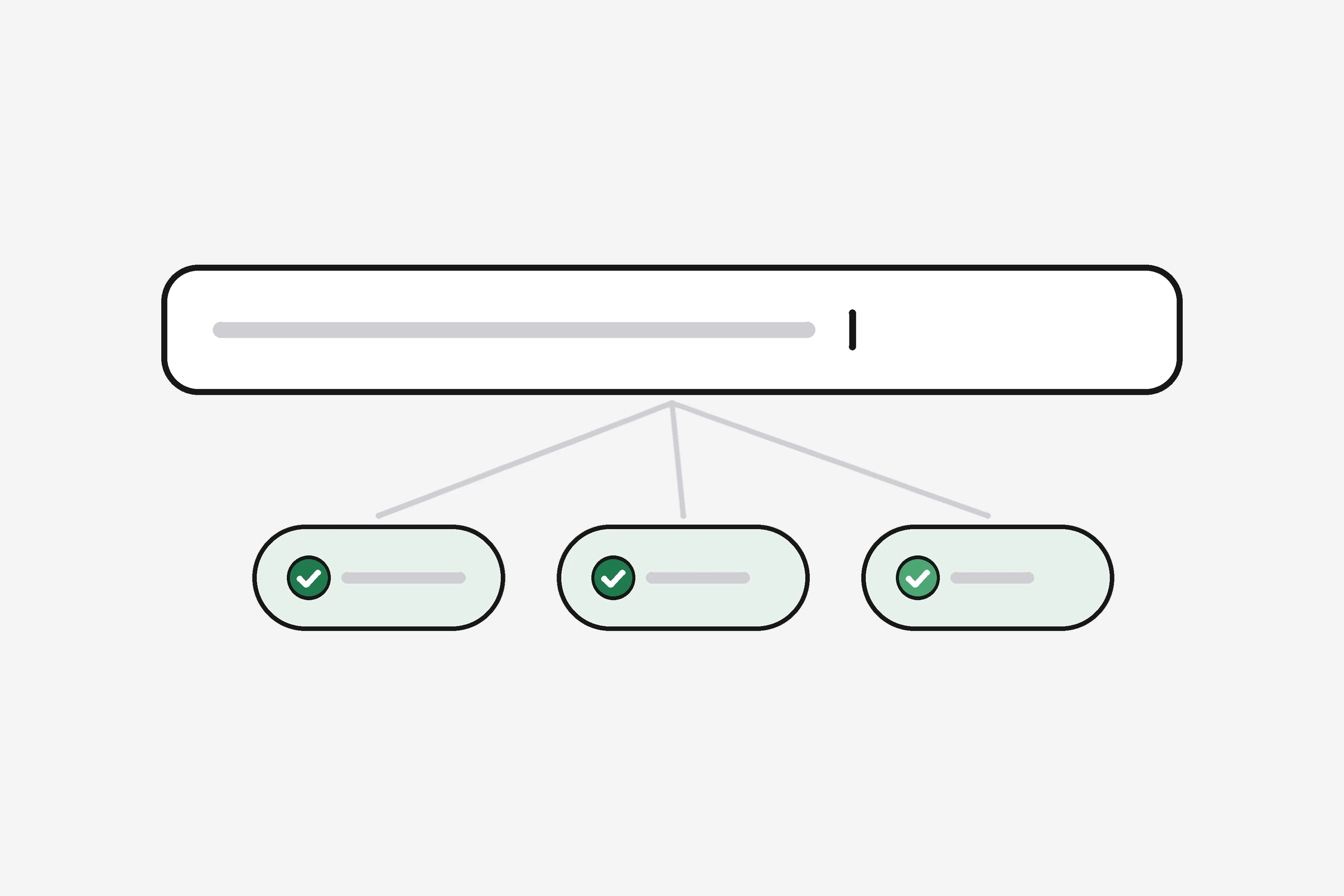
How do you run the check-in in ten minutes?
Pick a fixed day and time. Sunday evening or Monday morning works for many people.
Step 1 — Copy last week's row
| Field | This week | Last week | Three-week trend |
|---|---|---|---|
| Sleep average (h) | |||
| Mood average (1–5) | |||
| Energy average (1–5) | |||
| Hard sessions done / planned | |||
| Protein hit days | |||
| Resting HR average (optional) |
Step 2 — Write one sentence
Example: "Sleep down 45 minutes, mood flat, three hard days stacked, protein fine."
Step 3 — Choose one change
Only one. Examples: move Tuesday intervals to Thursday; add a 20 g protein lunch; bedtime 30 minutes earlier; skip the fourth hard lift day.
Step 4 — Optional: share with a coach or AI
If you use an AI fitness coach or connect Claude or ChatGPT through MCP, paste the table. The assistant can suggest wording, but you own the decision. Device sync from Apple Health, Strava or Garmin is on the revns roadmap and is not required for this habit.
What should you do this week if you are new to tracking?
Beginner week
- Log sleep and mood only, five minutes a day.
- Count hard sessions on your fingers when you shower.
- Run the table once without protein or heart rate.
- Read the strength training for beginners plan if you are new to lifting.
Already training four or more days
- Add protein hit days and resting heart rate.
- Compare this week to the Whoop vs Oura vs free tracker guide if you obsess over recovery scores — weekly averages tame daily swings.
Vegetarian or vegan
- Use dal, lentils, chickpeas, paneer, tofu, tempeh, soy milk and eggs if you eat them. Hit days still count when whole foods meet the gram target without powders.
When should you see a professional?
Book a clinical visit when numbers and symptoms point past training:
- Chest pain, fainting, or breathlessness on easy effort, especially if resting heart rate jumped
- Mood low most days for more than two weeks, or anxiety that stops you functioning
- Sleep that stays broken despite lighter training and steady schedule (possible sleep disorder)
- Stress fractures, joint swelling, or pain that worsens week on week
- Unplanned weight loss, blood in stool, or heavy bleeding outside your normal cycle pattern
Women in perimenopause or menopause with hot flushes that wreck sleep should see a clinician for symptom care; the menopause exercise guide covers training alongside that conversation, not instead of it.
Related
- How to track mood and energy next to training
- Stress, burnout and when to deload
- What is HRV? Heart rate variability explained
- AI fitness coach and week planner
- Sleep and recovery tracking
This is general training guidance, not medical advice.
Sources
- Saw AE, Main LC, Gastin PB. Monitoring the athlete training response: subjective self-reported measures trump commonly used objective measures: a systematic review. Br J Sports Med 2016
- Watson NF et al. Recommended Amount of Sleep for a Healthy Adult: A Joint Consensus Statement of the American Academy of Sleep Medicine and Sleep Research Society. J Clin Sleep Med 2015
- Hirshkowitz M et al. National Sleep Foundation's sleep time duration recommendations: methodology and results summary. Sleep Health 2015
- World Health Organization. Physical activity fact sheet
- Soligard T et al. How much is too much? (Part 1) International Olympic Committee consensus statement on load in sport and risk of injury. Br J Sports Med 2016
- Meeusen R et al. Prevention, diagnosis and treatment of the overtraining syndrome: joint consensus statement of the ECSS and ACSM. Eur J Sport Sci 2013
- Thomas DT et al. Position of the Academy of Nutrition and Dietetics, Dietitians of Canada, and the American College of Sports Medicine: Nutrition and Athletic Performance. J Acad Nutr Diet 2016
Terms in this post
revns publishes training and nutrition guidance, not medical advice. See a clinician for symptoms, injury or a medical condition. Accurate as of November 12, 2026.