Swimming for fitness beginners: a simple pool plan when you are not a swimmer yet
How to start swimming for fitness: NHS and WHO aerobic targets, a progressive pool plan, strokes, pacing, logging, red flags, and when to see a clinician.
revns editorial · Published November 17, 2026 · 7 min read
Beginner swim fitness means 2–3 moderate pool sessions a week toward 150 minutes of aerobic activity. Short repeats, rest, and gradual load beat heroic first laps.
You can start swimming for fitness with short, moderate pool sessions even if you are not a confident lap swimmer. The NHS counts swimming toward the adult target of at least 150 minutes of moderate activity per week, and the WHO ties regular aerobic work to lower risks for heart disease, type 2 diabetes and early death in adults. For beginners, the practical move is two or three 25- to 35-minute sessions a week at a pace where you could answer a question in short phrases, not sprinting the first length.
TL;DR
| Question | Beginner answer |
|---|---|
| How often? | 2–3 pool days/week, rest or easy movement between |
| Session length | 25–35 minutes at first; add 5 minutes every 1–2 weeks |
| Weekly target | 150 minutes moderate activity across the week (UK CMO, via NHS) |
| Effort | Moderate intensity: breathe faster, still talk in sentences |
| Structure | 5 min warm-up, 6–8 × 25–50 m with rest, 5 min cooldown |
| Stroke | Use what you know; lessons help if 25 m feels impossible |
| Also do | 2 short strength days for bones and posture (land) |
| Log it | Minutes, lengths, shoulder feel — see multi-sport tracker |
Is swimming good for fitness?
Yes, for many adults who can move safely in water. Swimming is whole-body moderate intensity or vigorous cardio, depending on pace. The NHS Benefits of exercise page (reviewed 15 August 2024) says adults should aim for at least 150 minutes of physical activity over a week, through a variety of activities, and its explainer video includes people who cycle, run and swim.
The WHO Physical activity fact sheet, updated 4 November 2026, states that in adults, regular activity reduces risks of all-cause mortality, cardiovascular disease, hypertension, type 2 diabetes and several cancers, and supports mental health and sleep. Swimming is one common way to reach those minutes when impact sports hurt.
Water has trade-offs. Buoyancy lowers joint loading, which helps people returning from knee or shin trouble who still need zone 2-style aerobic work. At the same time, shoulder tendons turn over many strokes per session, and pool heat can make you underestimate effort because you may not feel as sweaty as on a run. An NHS-hosted cardiac rehabilitation leaflet notes that pool buoyancy and temperature make it easy to misjudge exertion in water, so sessions should feel comfortable enough to continue easily at first.
How do you start swimming for exercise if you are not a swimmer yet?
Split the problem into safety, skill and fitness.
Safety first. You need a pool where you can stand if needed, clear lane rules, and confidence that you will not panic mid-length. Adult learn-to-swim classes are the right entry if you cannot complete 25 metres without grabbing the wall. Chest-deep walking, aqua jogging or a supported kick set still count as movement while skill improves.
Skill second. Pick one stroke for the first month — often breaststroke feels slower and steadier; freestyle is efficient once breathing is sorted. A few lessons trim wasted effort so fitness sessions do not become shoulder strain.
Fitness third. Treat week one like Couch to 5K treats week one on land: short, repeatable, and slightly boring on purpose.
What is a good swimming workout for beginners?
Use a repeat-and-rest template rather than a continuous 30-minute grind.
Sample session (25–35 minutes total)
| Phase | What to do | Notes |
|---|---|---|
| Warm-up | 5 minutes easy swim or walk in shallow water | Shoulders loose, no breath-holding games |
| Main | 6–8 × 25 m (or 2 × 25 m walking if needed) | Conversational effort; 20–30 s rest at wall |
| Progression | Add 1 repeat per week or +5 min total | Not both in the same week |
| Cooldown | 5 minutes very easy | Heart rate drifts down |
| Optional | 2 minutes gentle shoulder mobility on deck | Stop if pinching pain |
If 50 metres feels smooth, switch repeats to 50 m but keep the same rest. Fins and paddles are coach tools, not week-one requirements.
How often should you swim when you are starting?
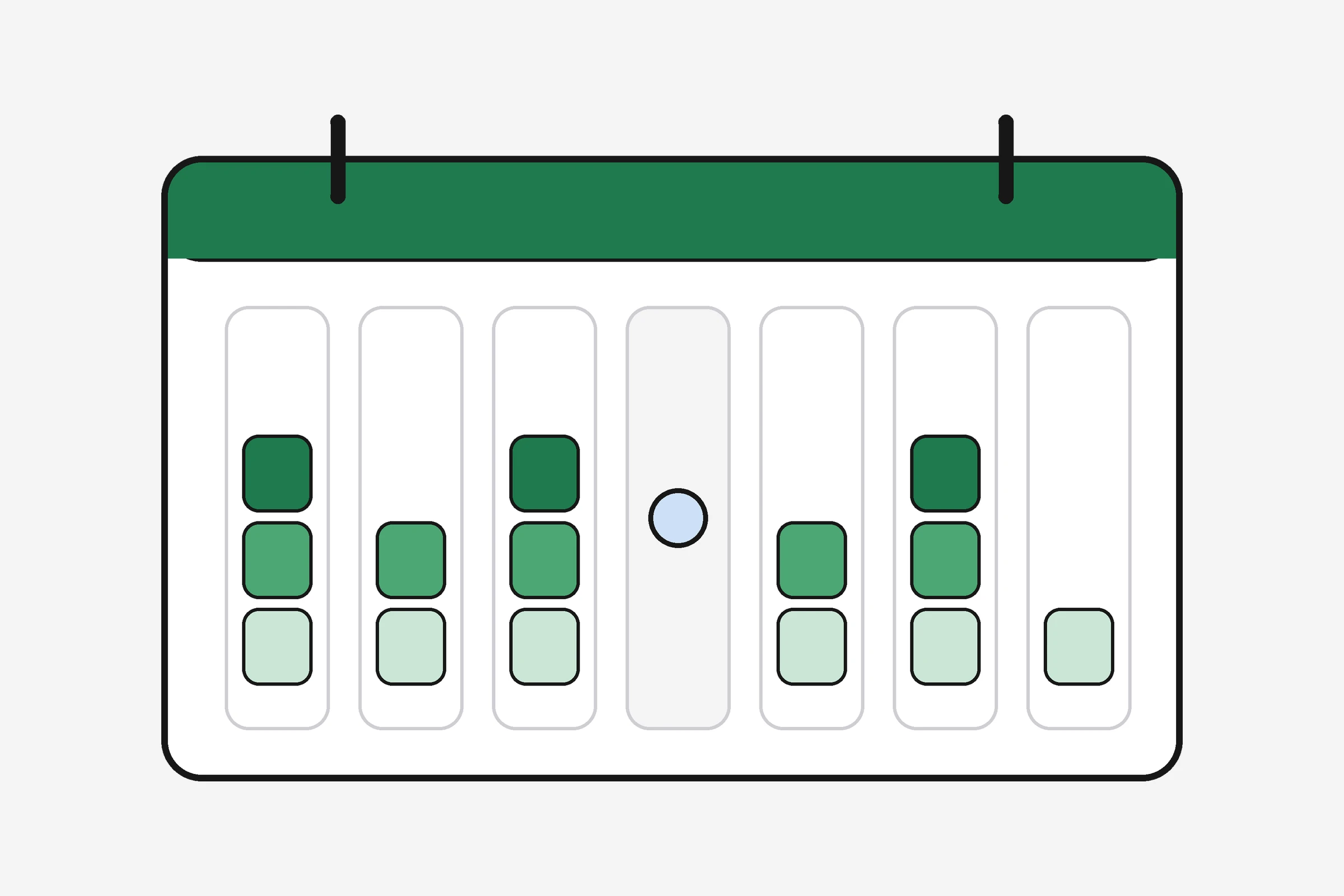
Two or three times a week is enough for fitness if each session is truly moderate.
The UK Chief Medical Officers' Physical Activity Guidelines (summarised on the NHS) ask adults to be active daily and accumulate at least 150 minutes of moderate activity weekly. Three 30-minute swims meet that line. A fourth swim is fine when sleep, shoulders and mood stay stable.
Leave at least one full rest day between swim days while tendons adapt. Use rest days for walking, mobility or the strength basics that water does not provide.
Can swimming get you in shape without running?
It can build aerobic fitness and muscle endurance, but “in shape” depends on what you measure.
Swimming trains heart and lungs, uses large muscle groups, and can be vigorous when intervals are hard. It does not load leg bones the way walking or lifting does. The WHO fact sheet notes that muscle-strengthening benefits everyone, alongside aerobic work. A balanced week for a non-swimmer adding the pool might look like:
| Day | Focus |
|---|---|
| Mon | Swim 30 min moderate |
| Tue | Strength 20–25 min |
| Wed | Walk or rest |
| Thu | Swim 30 min moderate |
| Fri | Strength 20–25 min |
| Sat | Optional easy swim or long walk |
| Sun | Rest |
Fat loss still follows energy balance. Use a TDEE estimate if weight change is a goal, and log meals without obsessing over every gram.
How do you know you are swimming at moderate intensity?
The NHS describes moderate intensity as effort where you breathe faster and feel warmer but can still talk, though not sing. Vigorous effort limits you to a few words without pausing for breath.
Heart rate monitors work in the pool if your watch is waterproof; many beginners rely on the talk test because chest straps shift during turns. If you can recite a full paragraph between lengths, pick up the pace slightly. If you cannot answer a question, slow down or shorten the repeat.
Our heart rate zone calculator is built for land sessions, but the same percentages can guide open-water or lap pacing once you can swim continuously for 20 minutes.
How can you improve swimming fitness after the first month?
Once three weeks of two to three swims feel routine:
- Extend one swim by five minutes without changing intensity.
- Add one repeat to the main set in a different swim day, not the same week you extend time.
- Keep one short easy swim for recovery, similar to an easy run day in how to run faster.
- Book a technique check if shoulders fatigue before lungs — hand entry and body roll often save energy.
- Log subjective wellness next to minutes so you notice when sleep debt or stress should cap volume, as in stress, sleep and training load.
After you can swim 30 minutes continuously at moderate effort, gentle intervals — for example 4 × 100 m with 45 seconds rest — are a structured next step. Save hard sprint sets until technique and shoulder volume feel solid.
What should you do this week?
If you have not swum for months
- Book two pool slots three days apart.
- Swim or walk 10–15 minutes at conversational effort; note shoulder and neck feel.
- Add one 20-minute strength session with bodyweight squats, hinges and rows on land.
- Target seven to eight hours sleep — poor sleep raises perceived effort in water as on roads (sleep debt guide).
If you can already swim 20 continuous minutes
- Run the 6–8 × 25–50 m session twice this week.
- Add five minutes to one session only.
- Log minutes in your multi-sport tracker or import Apple Health workouts from the iPhone app if you wear a waterproof watch.
Food and hydration
Have a light snack 1–2 hours before if the session is before dinner — the same timing ideas as what to eat before and after a workout. Drink water after; pools are warm environments even when you do not feel sweaty. Vegetarian and vegan swimmers can use familiar carbohydrate sources (fruit, oats, rice dishes) before longer swims; no special supplement is required for pool fitness.
When should you see a clinician?
Stop and seek urgent care for chest pain, fainting, sudden severe shortness of breath, or neurological symptoms after a dive or breath-hold attempt. Stop and book a non-urgent assessment for:
- Shoulder pain that worsens week after week or wakes you at night
- Ear pain, discharge or repeated outer-ear infections after swimming
- Skin rash that tracks pool exposure
- Shortness of breath out of proportion to a moderate session, especially if new
- Pregnancy or a heart or lung condition — get activity clearance before starting a new swim program (NHS pregnancy exercise pages describe swimming as often suitable, with individual advice)
This is general training guidance, not medical advice.
Related
- Rest days: how many you need and what to do on them
- Zone 2 training explained
- Couch to 5K: a realistic running plan for beginners
- Strength training for beginners: the first eight weeks
- How many steps per day do you actually need?
- Heart rate zone calculator
- Multi-sport tracker
Sources
- NHS. Benefits of exercise, page reviewed 15 August 2024
- World Health Organization. Physical activity fact sheet, updated 4 November 2026
- UK Chief Medical Officers. Physical activity guidelines (summary via NHS and GOV.UK)
- Warrington and Halton Teaching Hospitals NHS Foundation Trust / Aintree University Hospital NHS Foundation Trust. Swimming and other water based activities — a guide for people with heart conditions (leaflet PDF, 2023)
Terms in this post
revns publishes training and nutrition guidance, not medical advice. See a clinician for symptoms, injury or a medical condition. Accurate as of November 17, 2026.