Couch to 5K: a realistic running plan for beginners who have not run before
How Couch to 5K works: NHS nine-week structure, three runs a week, walk-run intervals, treadmill option, rest days, red flags, and what to do after week nine.
revns editorial · Published November 16, 2026 · 8 min read
Couch to 5K mixes short runs with walks three times a week for about nine weeks. Go at your pace, keep rest days, and see a clinician if warning signs appear.
Couch to 5K is a free, nine-week walk-run plan that builds from short intervals to about 30 minutes of continuous running, three sessions a week. The NHS version is aimed at people who have not run recently. It is not the only path to a 5K, but it is one of the most used because the structure is fixed: you show up three times a week, follow the next audio or written session, and let progressive overload happen in minutes of running, not in sudden mileage jumps.
TL;DR
| Question | Practical answer |
|---|---|
| How often? | 3 runs per week, rest days between (NHS Couch to 5K) |
| How long is the plan? | ~9 weeks to ~30 min continuous run; repeat weeks if needed |
| Week 1 shape | Short run + walk repeats; effort easy enough to talk |
| Pace | Conversational — not gasping; walk breaks are part of the plan |
| Gear | Supportive trainers, comfortable clothes; treadmill OK |
| After week 9 | 3 easy runs/week for a month, then add length or a 10K build |
| Log it | Note minutes run, RPE, sleep and any shin or knee niggles |
What is Couch to 5K?
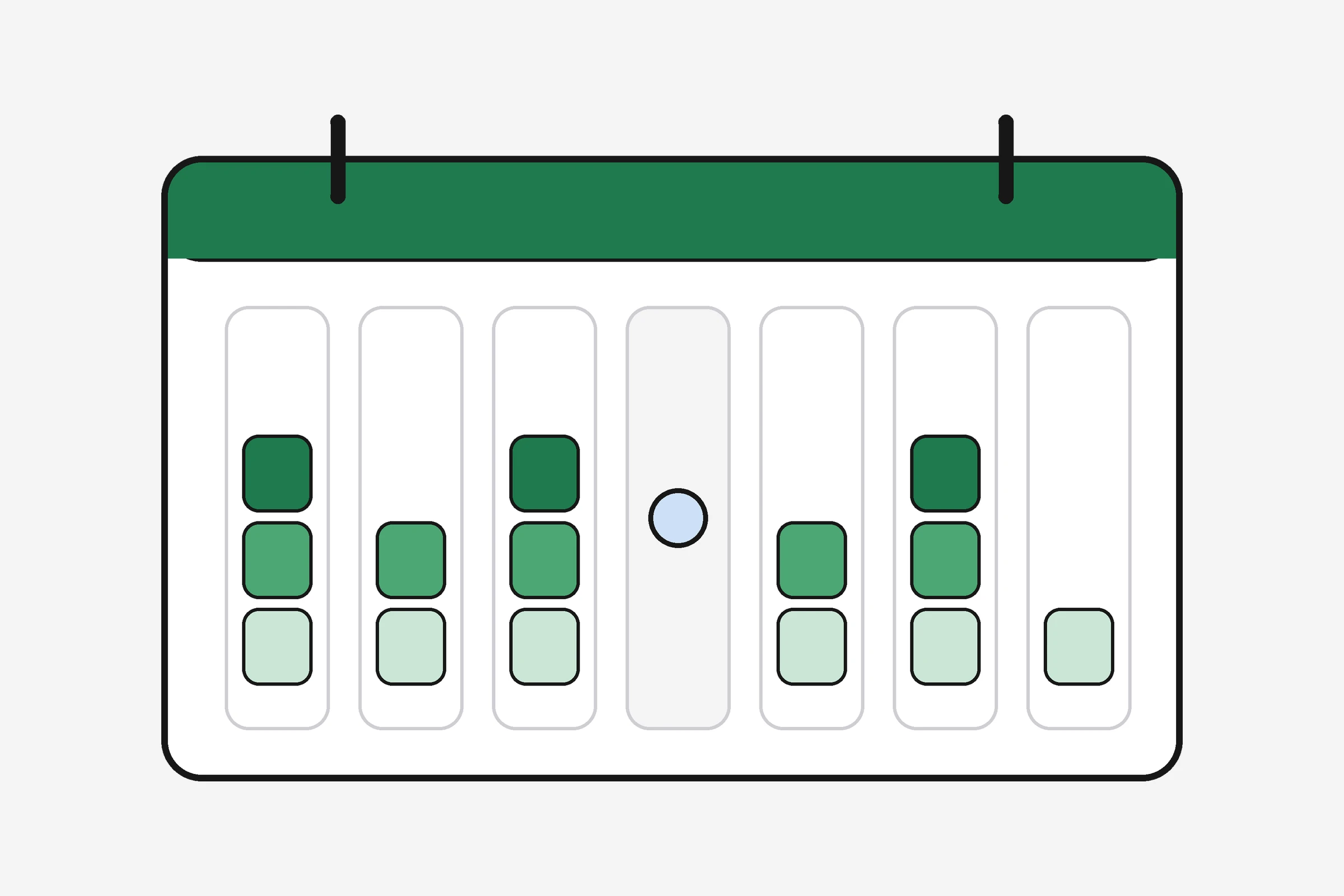
Couch to 5K (often written C25K) is a structured beginner running programme that takes adults from little or no running to completing about 5 kilometres (or roughly 30 minutes of running) through gradual walk-run intervals. The NHS hosts a free version with an app, audio coaching and a written week-by-week schedule. The NHS page notes the original idea came from runner Josh Clark, who wanted a gentle plan his mother could follow.
The goal is not a specific race time on day one. It is repeatable sessions that teach your body to tolerate impact, breathing and leg fatigue without stacking too much volume on one day.
How does the NHS Couch to 5K plan work?
The NHS Couch to 5K programme runs three times a week. Between sessions you rest or live normally; walking to the shops still counts as movement, but you skip extra hard workouts on off days.
Early weeks use alternating run and walk intervals guided by audio or a written script. In week one, the NHS describes starting with about one minute of running followed by about one and a half minutes of walking, repeated several times in one session. Each week the running portions grow and the walks shorten.
Later weeks shrink walk breaks further until you can run for about 30 minutes without stopping. The NHS says you can finish in nine weeks or take longer — repeating a week is expected, not failure.
That pattern matches how coaches introduce load: small increases in running time, not a single long run on week two. The WHO's physical activity fact sheet (updated November 2026) reminds adults that some activity is better than none, and that 150 to 300 minutes of moderate aerobic activity per week is a common long-term target — Couch to 5K is an on-ramp toward that, not the full dose in week one.
What does a typical Couch to 5K week look like?
You do not need to memorise every interval. The app or NHS PDF lists each session. This table is a shape guide so you know what “normal” feels like; always follow the official schedule for the exact minutes.
| Phase | Weeks (typical) | Session feel | What changes |
|---|---|---|---|
| Learn the pattern | 1–2 | Mostly walking with short runs | Confidence and breathing |
| Build minutes | 3–5 | Longer runs, shorter walks | Calf and shin load rises |
| Longer continuous runs | 6–8 | Fewer walk breaks | Mental focus matters |
| Continuous run | 9 | ~30 min run | Habit, not heroics |
Rest days are part of the prescription. Our guide on rest days: how many you need explains why three hard run days plus easy life movement beat seven days of jogging for most beginners.
Is Couch to 5K good if you already lift or walk a lot?
Yes, with two tweaks.
If you strength train, keep two full-body sessions on non-consecutive days if you already do them, but do not add heavy leg days on top of a hard C25K week until running feels routine. The WHO recommends muscle-strengthening on two or more days a week alongside aerobic work — running does not replace squats and rows for bone and tendon resilience.
If you already walk 8,000–10,000 steps daily, Couch to 5K still adds impact and breathing stress your tendons may not be used to. Keep walks easy on off days; see how many steps per day you need for context, but treat the scheduled runs as training, not “extra steps.”
How fast should you run during Couch to 5K?
Slow enough to speak in full sentences during the run intervals. If you cannot talk, slow down or lengthen the walk break even if the app says “run.”
Many beginners sprint early intervals and then walk gasping. That is not the intent. The NHS emphasises your pace, not keeping up with anyone else.
After you finish the plan, plug a recent 5K time or 30-minute distance into the running pace calculator to see training paces. Until then, effort beats pace.
Can you do Couch to 5K on a treadmill?
Yes. The NHS states you can use a treadmill if outdoor running is not for you.
Practical tips that stay inside general training guidance:
- Use the same walk-run cues as outdoors; do not jump to continuous running early just because the belt is smooth.
- Hydrate; indoor air is dry.
- Stop if you feel dizzy, chest pain or unusual breathlessness.
What gear and safety steps does the NHS suggest?
The NHS Couch to 5K pages recommend:
- Trainers that support your feet — not fashion shoes.
- Clothes you can move in, and a supportive sports bra if you need one.
- Awareness with headphones — you must hear traffic and other people.
- Visible clothing in the dark and well-lit routes.
- Running with a friend when possible for company and safety.
None of that requires expensive kit. The habit is showing up three times a week.
Is Couch to 5K every day?
No. The NHS plan is three runs per week, with at least one rest day between most sessions. Daily running is not part of Couch to 5K. Walking on off days is encouraged; adding extra jog days in week one usually backfires with shin or foot soreness.
Is Couch to 5K good for weight loss?
Running can support weight management together with what you eat, as the NHS notes among general benefits. Couch to 5K is a habit and fitness programme, not a diet. Many beginners feel hungrier as volume rises — that is normal. Log meals if you are curious about patterns, but do not slash calories on the same week you add impact.
How hard is Couch to 5K compared with walking only?
Weeks 1–2 often feel similar to a brisk walk with brief jogs. Weeks 4–6 are where total running minutes climb; legs may feel heavy the morning after. That is common delayed-onset muscle soreness, not proof you are unfit.
When does Couch to 5K get easier? Usually when the pattern is familiar: you know where walk breaks land, breathing settles faster, and you trust you can finish the session. If every week feels worse instead of merely harder, repeat the week or add a rest day — see recovery in training for signs you are absorbing load.
What should you do this week if you are starting today?
- Read the NHS week-one session (app or NHS Couch to 5K plan page) and pick three run days with at least one day between.
- Block 30–40 minutes including warm-up walk and cool-down.
- Set effort cap: full-sentence talk test on every run interval.
- Log session number, total minutes running, sleep hours, and any shin or knee notes. The multi-sport tracker can record a run as a workout in your daily score.
- Plan food and fluid like any training day: a light snack if you run before dinner, water after. See what to eat before and after a workout for timing ideas that fit vegetarian and non-vegetarian meals alike.
If you are under 18, pregnant, or managing a heart or lung condition, follow clinician advice instead of a generic plan.
What about heart rate, zone 2 and VO2 max?
Couch to 5K should feel like easy to moderate aerobic work for most intervals — often in the lower cardio zones if you wear a watch, but no watch is required.
When you can run 30 minutes continuously, one or two of those weekly runs can stay in zone 2 style easy effort while you add a slightly faster session later. Read zone 2 training explained for how easy running supports aerobic base. VO2 max rises slowly from consistent easy volume; the VO2 max calculator is a reference tool, not a pass-fail test.
What should you do after you finish Couch to 5K?
Month one after graduation: keep three runs per week, all conversational. You are cementing the habit, not chasing a personal best.
Month two options (pick one, not all at once):
- Add five minutes to one run each week.
- Add one short strength session (squat pattern, hinge, calf raises) twice a week — see strength training for beginners.
- Enter a parkrun or local 5K with a run-walk strategy if you are not sure of continuous racing yet.
Avoid jumping straight into daily running or aggressive speedwork. The IOC consensus on load in sport (BJSM, 2016) stresses that rapid spikes in training load raise injury risk; treat the post-C25K month as a plateau, not a launchpad for a marathon block.
When should you see a doctor or physio?
Stop and seek care for:
- Chest pain, pressure or fainting during or after exercise.
- Calf pain with swelling, redness or warmth (blood clot symptoms need urgent care).
- Shin or foot pain that worsens week after week, not day to day.
- Joint swelling or pain that changes how you walk.
- Breathlessness out of proportion to effort, or new if you have heart or lung disease.
The NHS advises speaking to a GP before starting Couch to 5K if you are worried about your health. That is sensible if you have diabetes, known heart disease, are very inactive, or are recovering from injury.
This is general training guidance, not medical advice.
Related
- Rest days: how many you need and what to do on them
- Zone 2 training explained
- Strength training for beginners: an eight-week plan
- How many steps per day do you actually need?
- What to eat before and after a workout
- Running pace calculator
- Heart rate zone calculator
Sources
- NHS. Get running with Couch to 5K. Better Health, updated 24 February 2025
- World Health Organization. Physical activity fact sheet, updated 4 November 2026
- Centers for Disease Control and Prevention. Physical Activity Guidelines for Adults
- Bull FC et al. World Health Organization 2020 guidelines on physical activity and sedentary behaviour. Br J Sports Med 2020
- Soligard T et al. How much is too much? (Part 1) International Olympic Committee consensus statement on load in sport and risk of injury. Br J Sports Med 2016
Terms in this post
revns publishes training and nutrition guidance, not medical advice. See a clinician for symptoms, injury or a medical condition. Accurate as of November 16, 2026.