Perimenopause vs menopause: symptoms, age and what to do in training
Perimenopause is the run-up to menopause; menopause is 12 months without a period. NHS and NICE facts on age, symptoms, tests and training changes to make.
revns editorial · Published November 19, 2026 · 8 min read
Perimenopause is the years of changing periods before menopause, which is 12 months without a period. A plain guide to age, symptoms, tests and training, from NHS and NICE.
Perimenopause is the run-up to menopause: the years when your periods and hormones change but you still have periods. Menopause is a single point, 12 months after your last period. The NHS says this usually happens between 45 and 55, and that symptoms last 7 to 9 years on average, sometimes longer.
This guide separates the two terms, lists the symptoms the NHS and NICE name, and shows how to adjust training, sleep and tracking. It covers anyone who has periods. It is general training guidance, not medical advice.
TL;DR
| Question | Short answer |
|---|---|
| Perimenopause | The years before menopause, with changing periods and symptoms |
| Menopause | 12 months with no period; after that, "postmenopause" |
| Usual age | Between 45 and 55 (NHS); earlier for some |
| How long symptoms last | 7 to 9 years, sometimes longer (NHS) |
| Blood tests | Not used to identify it at 45 or over (NICE) |
| Training anchor | Strength work, weight-bearing activity, steady sleep |
| See a clinician if | Heavier bleeding, bleeding after 12 months without a period, palpitations, or symptoms that hurt daily life |
What is the difference between perimenopause and menopause?
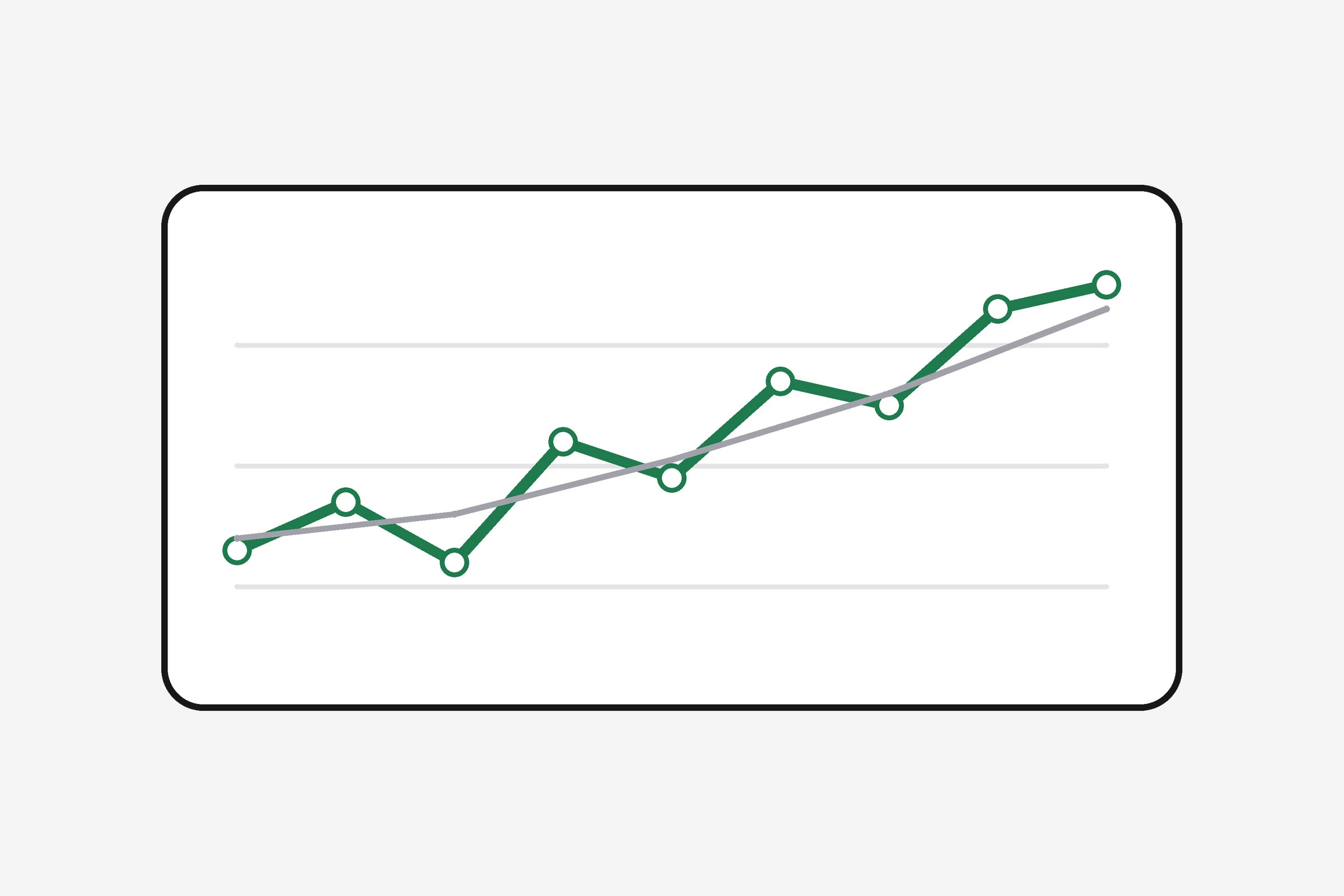
Perimenopause is the transition. Hormone levels fall and become uneven, and your cycle changes. The NHS says one of the first signs is usually a change to your periods: they may come more often or less often, and bleeding may get heavier or lighter. Eventually periods stop.
Menopause is a milestone, not a phase. The NHS defines it as the point when you have not had a period for 12 months. You only know you reached it by looking back, once the 12 months have passed. After that you are postmenopausal.
People often say "menopause" for the whole stretch. The NHS page uses "menopause and perimenopause" together because the symptoms overlap, and they can also appear after menopause has ended.
When does perimenopause start?
There is no fixed start date. The NHS says menopause and perimenopause usually affect women between 45 and 55 but can happen earlier. NICE adds that people from some ethnic minority backgrounds and people with some lifelong conditions may reach menopause at a younger age. Menopause can also come earlier because of surgery, medical treatment or an inherited condition.
NICE uses specific age bands:
- Under 40: suspected menopause is treated as premature ovarian insufficiency, which needs a clinician.
- 40 to 44: called early menopause. NICE says to offer psychological support if it distresses the person.
- 45 and over: the usual range, where symptoms and period changes are enough to go on.
If you think you are starting early, book a visit rather than waiting it out. Early advice can reduce the effect on health, relationships and work, according to the NHS.
What are the symptoms of perimenopause?
The NHS lists these. You may have a few, many or hardly any.
- Changes to periods: timing, length and heaviness.
- Hot flushes and night sweats: sudden heat in the face, neck and chest, sometimes with sweating, palpitations or dizziness.
- Sleep problems: trouble getting to sleep or staying asleep, often worse with night sweats.
- Mood changes, memory and brain fog: mood swings, low mood, poorer concentration.
- Weight gain: often around the stomach and upper body.
- Vaginal dryness, irritation, pain with sex, and more urinary tract infections or UTI-like symptoms.
- Other: palpitations, weakening bones, urine leaks, worse headaches and migraines, muscle and joint aches, hair thinning, dry skin, lower sex drive and mouth problems.
NICE groups them as vasomotor (hot flushes and sweats), genitourinary, mood, musculoskeletal and sexual symptoms, and says they can range from minor to severe and last a short or a long time.
The NHS also notes that ethnic background can affect symptoms. Women from a Black ethnic background are more likely to have hot flushes that are severe and last longer.
How long do symptoms last, and do they get worse before menopause?
The NHS says symptoms usually last 7 to 9 years, sometimes longer, and can change during that time. For example, hot flushes and night sweats may improve and be replaced by low mood and anxiety. Joint pain and vaginal dryness may continue after menopause.
The NHS does not give a single "worst point". Treat your own record as the guide. If symptoms get worse over weeks, that is a reason to ask for help, not a sign you must wait.
Do I need a test to confirm perimenopause?
Usually no. NICE guideline NG23 says not to use these tests to identify perimenopause or menopause in people aged 45 or over: anti-Müllerian hormone, inhibin A, inhibin B, oestradiol, antral follicle count and ovarian volume.
A follicle-stimulating hormone (FSH) blood test is considered only for people aged 40 to 45 with symptoms including a change in their cycle, and for people under 40 when menopause is suspected. NICE also says not to use FSH in people on combined oestrogen and progestogen contraception or high-dose progestogen.
Hormonal contraception makes it harder to tell, because it changes periods. The progestogen-only pill, the hormonal coil, the implant and the injection can make periods irregular or stop them. The combined pill causes monthly bleeds for as long as you take it. A home test or a wearable score cannot replace a clinician's judgement here.
What should I do in training during perimenopause?
Nothing here is a cure, and training does not remove symptoms. It does protect strength, bone and sleep, which are the things the NHS and NICE keep returning to. The existing guide on menopause exercise, strength, sleep and bone health goes deeper. In short:
- Lift two or three days a week. NICE tells clinicians to explain why maintaining muscle mass and strength through physical activity matters. The WHO guidelines on physical activity advise muscle-strengthening on 2 or more days a week for adults. Start with the strength training for beginners basics if you are new.
- Add weight-bearing activity. The NHS names walking, running and dancing, where your feet and legs carry your weight, plus resistance exercise with weights, as ways to protect bones. See bone health for women.
- Aim for the WHO activity range. 150 to 300 minutes of moderate activity a week for adults, or 75 to 150 of vigorous, or a mix.
- Plan recovery. Poor sleep makes hard sessions feel harder. Use hard, easy and rest days and drop a session when a night went badly.
- Protect protein. Include a protein source at each meal. Vegetarian and vegan choices such as lentils, tofu, paneer, eggs and yoghurt work; see how much protein per day.
What if hot flushes happen during a workout?
The NHS suggests lightweight clothing, a cool bedroom, a cool shower, a fan, a cold drink and finding ways to reduce stress, and avoiding or reducing triggers such as spicy food, caffeine, hot drinks, smoking and alcohol. For training: lighter layers, water close by, a cooler room or an earlier session. If a flush with palpitations or dizziness makes you stop, stop; do not push through.
How do sleep and mood fit in?
Both are common and both link to training. The NHS says to keep to regular sleep routines, and says regular exercise and relaxing activities such as yoga, tai chi or meditation can help with mood. NICE says menopause-specific cognitive behavioural therapy (CBT) can be considered for hot flushes, for sleep problems and for depressive symptoms that start alongside menopause symptoms.
A steady wake time is the easiest first step. The sleep calculator helps you set a bedtime, and how much sleep do you need gives ranges. Alcohol and late caffeine can worsen night sweats and sleep; see the caffeine and training timing guide.
What can a clinician offer?
This is for context, so you know what to ask about. It is not advice to start any treatment.
NICE guideline NG23 says clinicians should offer hormone replacement therapy (HRT) to people with hot flushes and night sweats and discuss its benefits and risks, and should consider CBT as an option. It also says vaginal oestrogen should be offered for genitourinary symptoms, and that non-hormonal moisturisers and lubricants are an option. The guideline stresses tailoring care to each person, and it says the safety and effectiveness of unregulated hormone preparations is unknown. The NHS says to talk to a doctor before taking herbal supplements or complementary medicines. Do not start or stop anything based on a blog post.
How can I track perimenopause without overthinking it?
Keep it light. For four to six weeks, note:
- period start dates and how heavy they were,
- hot flushes or night sweats (yes or no),
- hours slept and night waking,
- mood, from 1 to 5,
- training done.
The note you bring to an appointment is more useful than your memory. The guide on how to track your period and what the data can tell you shows a simple layout, and mood and energy tracking covers the rest. revns keeps sleep, training and notes together; see sleep tracking. A wearable cannot tell you that you are in perimenopause.
When should I see a doctor?
The NHS says to contact your GP if:
- you think you have symptoms of menopause or perimenopause and want to know your options,
- you have a fast heartbeat or palpitations,
- you still have periods but are bleeding more, not less, than before,
- you have not had a period for 12 months or more and have any vaginal bleeding.
Get urgent help for chest pain, fainting or severe shortness of breath. If low mood becomes heavy, if you have thoughts of harming yourself, or if you feel unable to cope, speak to a doctor or a local crisis line now. In the UK you can call Samaritans on 116 123. Elsewhere, use your local emergency number or crisis line.
What to do this week
- Write down your last three period dates and any symptoms. Keep a short daily note.
- Book two strength sessions and one longer walk.
- Fix your wake time within 30 minutes, seven days a week.
- Put a water bottle and a light layer next to your training bag.
- If any red flag above applies, book the appointment now.
Related
- Menopause, exercise, strength, sleep and bone health
- Bone health for women: lifting, impact and protein
- How to track your period and what the data can tell you
- Strength training after 40: what changes and what to do
- Pelvic floor exercises for runners and lifters
- AI fitness coach
This is general training guidance, not medical advice. It does not diagnose or treat any condition.
Sources
- NHS. Menopause and perimenopause
- NHS. Symptoms of menopause and perimenopause, reviewed May 2026
- NHS. Things you can do to help menopause and perimenopause symptoms, reviewed May 2026
- NICE. Menopause: identification and management (NG23), updated April 2026
- WHO. Guidelines on physical activity and sedentary behaviour, 2020
Terms in this post
revns publishes training and nutrition guidance, not medical advice. See a clinician for symptoms, injury or a medical condition. Accurate as of November 19, 2026.