How to track your period and what the data can tell you
How to log your cycle beside training, what cycle day means, NHS gaps and bleeding ranges, what apps can and cannot predict, and when period changes need a GP.
revns editorial · Published November 16, 2026 · 9 min read
Log cycle day one from full bleeding, length, symptoms and training quality for three cycles. Patterns guide training tweaks; apps are poor birth control and need a clinician for alarm signs.
You track your period by marking cycle day one on the first day of full bleeding, noting how long bleeding lasts, and logging energy, sleep and training on the same days for at least three months. That pattern shows whether your cycle is regular, whether symptoms repeat at the same cycle day, and whether hard training coincides with missed or very light periods. It helps you train smarter and talk clearly to a clinician. It does not replace contraception, ovulation tests or medical care. Calendar apps are weak at predicting fertile days, and the NHS warns that fertility awareness only works when rules are followed carefully every day.
TL;DR
| Question | Plain answer |
|---|---|
| Why track? | Regular patterns for energy, pain, bleeding and training over months |
| Cycle day one | First day you need a pad, tampon or cup for full flow |
| Normal gap (NHS) | Often ~28 days between starts; commonly 21–35; bleeding 2–7 days |
| How long to log | At least three cycles before big training changes |
| Birth control? | No. Apps are not reliable contraception |
| App ovulation guesses | Rough at best; cycles vary |
| See a GP if | Missed periods, very heavy or painful bleeds, bleeding between periods |
| revns role | Same-day log for cycle day, mood, sleep and sessions — not a fertility product |
Why track your period if you train?
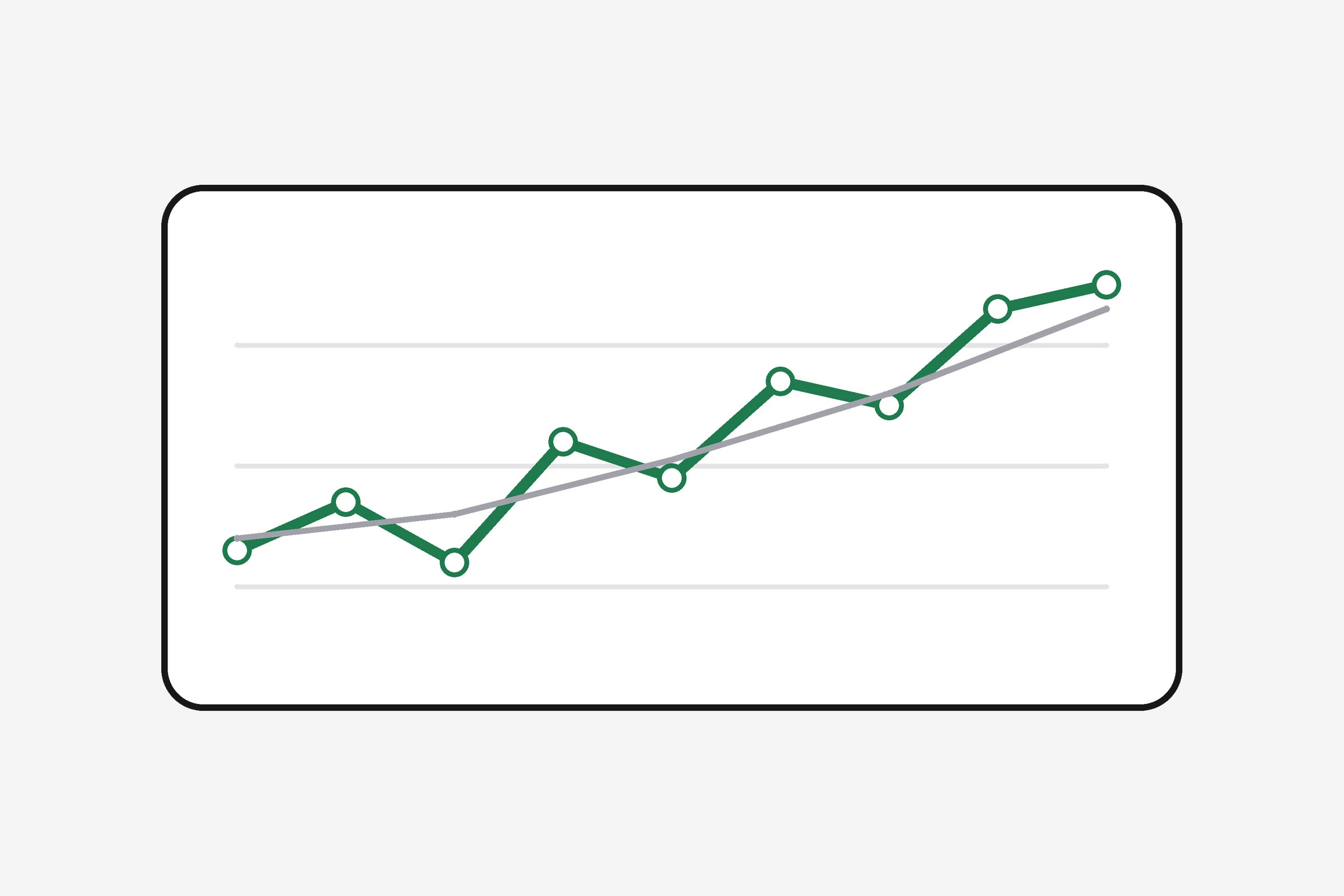
Training adds load on top of hormones, sleep and food. Many people notice energy, recovery or cramps shift at predictable points in the month, but memory is unreliable across busy weeks. A short log ties bleeding, cycle day, sleep, mood or energy and session quality to the same calendar rows.
What you can learn without over-claiming:
- Whether your cycle length sits in your usual range or is drifting shorter, longer or more variable.
- Whether pain or fatigue repeats on the same cycle days, which helps you plan deload weeks or easier sessions.
- Whether very hard training blocks line up with missed, skipped or very light periods, a pattern clinicians sometimes call low energy availability in athletes. That needs a professional check, not a self-diagnosis.
- What to bring to an appointment: dates, heaviness, pain scores and how training changed — better than guessing.
What a log cannot do: confirm ovulation, rule out pregnancy, replace contraception, or diagnose endometriosis, PCOS or thyroid disease. Those need clinical assessment.
What is cycle day and how do you count it?
Cycle day one is the first day you bleed enough to need protection — pad, tampon, cup or period underwear — not just spotting. Count forward until the day before your next period starts. That span is one cycle.
Example: bleeding starts Monday → Monday is day 1. If the next period starts 28 days later, that cycle was 28 days long. If you only spot on Sunday but full flow begins Monday, Monday is still day 1.
Researchers split the cycle into menstrual cycle phases: follicular (day 1 to ovulation) and luteal (after ovulation to the next period). You do not need to know ovulation day for training logs. Day count plus symptoms is enough for most athletes.
Hormonal contraception (pill, patch, ring, hormonal IUD, implant, injection) changes bleeding patterns. The day-count method still helps you track withdrawal bleeds, mood and training, but it does not map cleanly onto natural-cycle research. Say what contraception you use when you talk to a clinician.
How often are periods supposed to come?
The NHS overview of periods and irregular periods say:
- The gap between period starts is often about 28 days, and commonly 21 to 35 days.
- Bleeding usually lasts 2 to 7 days (often about five).
- A gap under 21 days or over 35 days counts as irregular; see a GP if your pattern changes.
- Cycles are often irregular for the first few years after periods begin and again during perimenopause.
NICE guideline NG23 on menopause notes that in healthy people aged 45 or over, menopause is confirmed after 12 months without a period when no hormonal contraception is used. Younger people with absent periods and hard training need a timely medical review, not a wait.
A single late period after travel, illness or stress is common. Three or more months outside your usual pattern — especially with fatigue, hair loss, bone stress or disordered eating thoughts — warrants a GP visit.
What should you log each cycle?
Keep the list short so you still do it on tired days:
| Field | How |
|---|---|
| Period start | Date cycle day 1 begins |
| Bleeding | Light / moderate / heavy, or 1–3 scale |
| Pain | 0–10 or mild / moderate / severe |
| Energy | 1–5, same anchors as mood logging |
| Sleep | Hours or a simple good / poor tag |
| Training | Session done? RPE or easy / moderate / hard |
| Notes | Cramps, headache, bloating, mood dip |
Log daily during bleeding and at least on days you train the rest of the month. Our mood and energy guide uses the same 1–5 idea.
What to do this week
- Pick paper, a spreadsheet or your existing tracker. revns has no separate “period app”; add cycle day and bleeding in your one-line day log next to sleep and workouts.
- Write your anchors for energy 1–5 on a sticky note.
- Set a daily reminder for 30 seconds after breakfast.
- After three full cycles, open the chart: average length, usual heaviest days, lowest energy days.
- Only then tweak training — for example an easier leg day on day 1–2 if your log always shows cramps, not because a social post said so.
How do period tracking apps work?
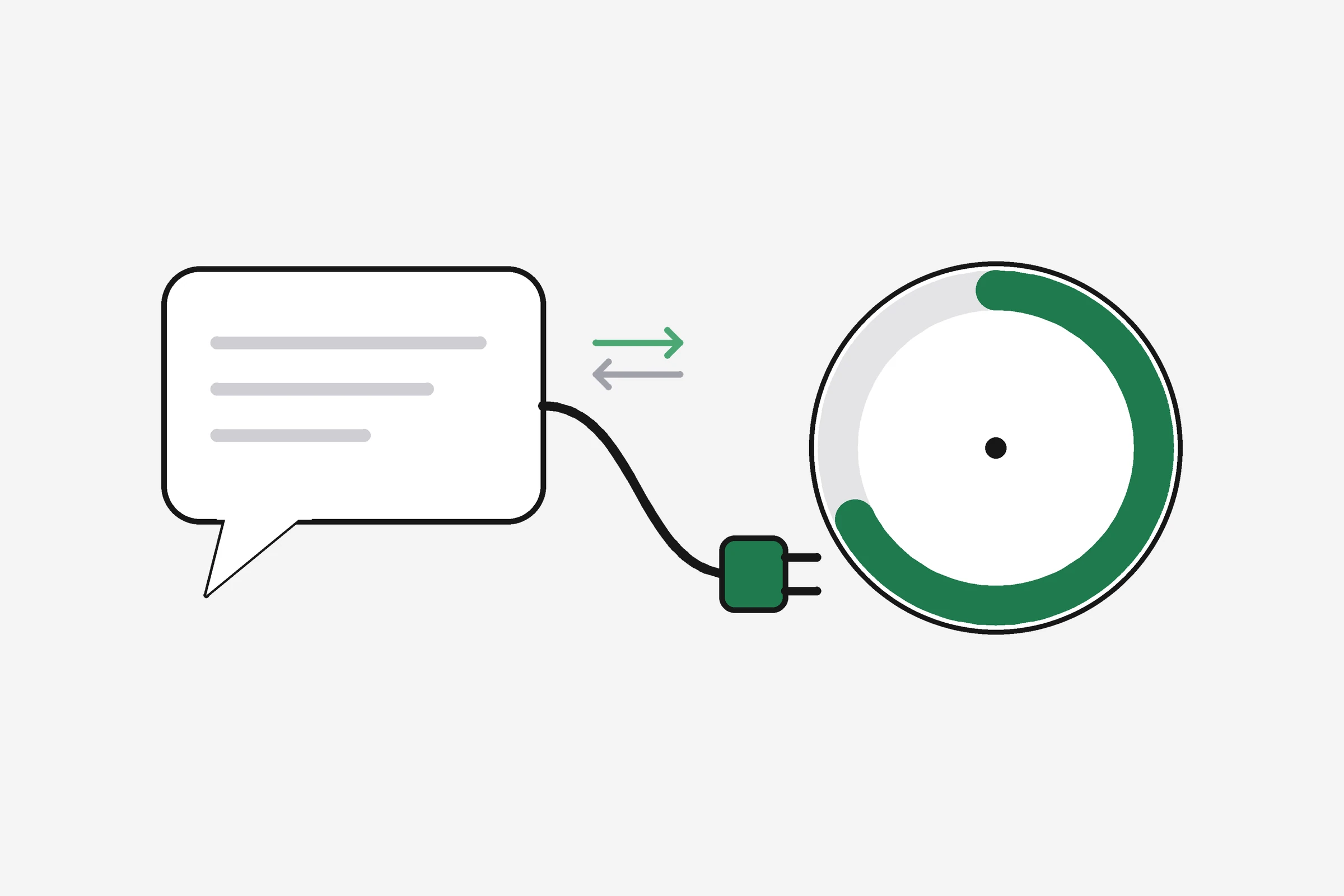
Most apps store period start dates, estimate the next bleed from your average cycle length, and sometimes predict a “fertile window” from calendar math. Some add temperature, cervical mucus or luteinising hormone test results for fertility awareness methods.
Limits researchers and regulators stress:
- Variable cycles break straight-line predictions. Stress, travel, illness and contraception change length.
- Ovulation timing can shift month to month even when the cycle length looks stable.
- Evidence quality for commercial apps is mixed. Peer-reviewed reviews call out missing validation and unclear privacy practices.
For training, apps are optional. A spreadsheet column “CD” (cycle day) beside your workout log works. If you already use Apple Health or another vault for cycle data, know who can read it through phone permissions; revns on iPhone today syncs steps, sleep, resting heart rate, HRV, weight and workouts from Apple Health, not a full duplicate of every cycle field unless you log it yourself.
Is period tracking effective birth control?
No — not as a stand-alone method based on app calendars alone. The NHS natural family planning page explains that fertility awareness means tracking temperature, discharge and cycle length, then avoiding sex or using condoms on fertile days. When rules are followed correctly, NHS figures cite high effectiveness; with typical use, about 24 in 100 women become pregnant in a year. Calendar-only apps without taught monitoring are not reliable contraception.
Common search questions, answered plainly:
- “Is cycle tracking birth control?” Only when you follow a taught fertility awareness method carefully, often with temperature or mucus checks — not when an app paints a green “safe” week from last month’s dates.
- “Is cycle tracking accurate?” For counting days between periods, fairly. For predicting ovulation, often not — especially with irregular cycles.
- “Why are period tracking apps criticized?” Privacy concerns, oversold ovulation predictions, and use as contraception without proper instruction.
If you need contraception, speak with a clinician or sexual health service about methods with evidence behind them. If you are trying to conceive, ask your clinic which signs to log; do not rely on this guide for a conception protocol.
What can the data tell you about training?
Once you have three cycles in one format, look for your repeats:
- Energy and sleep dipping on specific cycle days while other weeks on those days were fine → may be cycle-linked; try easier sessions there.
- Performance fine throughout → you probably do not need “cycle syncing” products; see our training around your menstrual cycle evidence summary.
- Pain improving with light movement → aligns with NHS advice on gentle exercise for period pain and with exercise trials in primary dysmenorrhoea; severe pain still needs medical review.
- Periods lighter, absent or more than 35 days apart while mileage or lifting volume rises → raise low energy availability with a GP or sports medicine clinician, especially if you also restrict food.
Wearable “cycle tracking” on some watches uses temperature or logged symptoms; treat readiness scores as trends, not diagnoses, same as HRV status.
How does this fit with perimenopause or menopause?
From the mid-40s onward, cycles often shorten, skip or change flow before they stop. NICE NG23 says perimenopause can be identified from vasomotor symptoms plus menstrual cycle changes in people 45 and over. Tracking still helps you and your clinician see the pattern. When bleeding returns after menopause is confirmed, it is always a see a doctor promptly situation.
Read menopause exercise: strength, sleep and bone health for training anchors after periods stop.
Privacy and safety with period data
Cycle data is sensitive. Before you use any app:
- Read whether data is stored on device, encrypted in transit, or shared with advertisers.
- Turn off sharing you do not need.
- Remember that employers, insurers and governments in some regions have sought period app data in court cases; minimise detail you do not need stored in the cloud.
revns is built for training and wellness logging under its privacy policy; it does not market cycle prediction or fertility services.
When to see a doctor or seek urgent help
Book a routine GP appointment if:
- Periods stop for 3 months or more (and pregnancy is possible or excluded as your clinician advises).
- Cycles are shorter than 21 days or longer than 35 days for 3 months.
- Bleeding is much heavier than your norm (soaking products hourly, clots larger than a coin, anaemia symptoms).
- You bleed between periods or after sex.
- Pain is new, severe or getting worse each month.
Seek urgent care per NHS period pain guidance if pelvic pain is severe or worse than usual and painkillers have not helped.
Mental health: If low mood before a period stops you functioning, lasts most cycles, or includes hopelessness or thoughts of self-harm, contact your local crisis line or emergency number immediately and arrange clinical care. Tracking does not treat premenstrual dysphoric disorder.
Training red flags: Chest pain, fainting, or unusual breathlessness with bleeding — stop exercise and get assessed.
Can revns replace a period app?
No. revns does not predict ovulation or fertile windows. It helps people who already train to keep cycle day, bleeding notes, mood, sleep and sessions in one place for AI fitness coaching context or export through MCP if you choose — always with your permission and never as medical advice.
Apple Health cycle entries on iPhone stay in Health unless you copy key notes into your day log. Garmin, Whoop and Oura sync for revns remain on the roadmap, not live today.
Related
- Training around your menstrual cycle: what the evidence supports
- How to track mood and energy next to training
- Menopause exercise: strength, sleep and bone health
- Pelvic floor exercises for runners and lifters: the basics
- Stress, sleep and training load: what to adjust
- Heart rate zone calculator
- Sleep calculator
This is general training guidance, not medical advice. It does not replace contraception counselling, fertility treatment or emergency care.
Sources
- NHS. Periods
- NHS. Period pain
- NHS. Natural family planning (fertility awareness)
- NHS. Irregular periods
- NICE. Menopause: diagnosis and management (NG23)
- Saugar EE et al. Factors Used by Mobile Applications to Predict Female Fertility Status and Their Reported Effectiveness: A Scoping Review. Cureus 2023
- McNulty KL et al. The Effects of Menstrual Cycle Phase on Exercise Performance in Eumenorrheic Women. Sports Medicine 2020
Terms in this post
revns publishes training and nutrition guidance, not medical advice. See a clinician for symptoms, injury or a medical condition. Accurate as of November 16, 2026.