Period pain and exercise: what helps, what to avoid, and when to see a doctor
Gentle movement often eases primary period pain. NHS steps, a 2025 exercise meta-analysis, what to try this week, and red flags that need a clinician.
revns editorial · Published November 17, 2026 · 8 min read
Exercise can lower period pain scores in trials of primary dysmenorrhoea. Try light rhythmic movement, lower gym loads on bad days, and see a clinician for severe or changing pain.
Yes — for many adults with ordinary period cramps, gentle exercise is worth trying. The NHS includes walking, swimming, cycling and yoga in self-care for period pain. Research trials agree in direction: a 2025 meta-analysis of 29 randomised studies in people with primary dysmenorrhoea (pain with no underlying condition found) found lower pain scores with exercise than with usual care or no intervention. That does not mean a hard leg day fixes every cramp, and it does not replace a doctor when pain is severe, sudden or getting worse. This guide explains what the evidence supports, what to do this week, and when to stop guessing and get assessed.
TL;DR
| Question | Practical answer |
|---|---|
| Is exercise good for period pain? | Often yes in trials of primary dysmenorrhoea; NHS lists gentle movement as self-care |
| Best type? | Walking, easy cardio, yoga, stretching — rhythmic and moderate, not one mandatory sport |
| Heavy lifting? | Allowed if you feel well; reduce load on painful days; no proof it harms gains |
| Can exercise worsen cramps? | Hard sessions when depleted may feel worse; easy movement is the evidence-backed habit |
| With painkillers? | Follow the patient leaflet or ask a pharmacist; this guide does not recommend medicines |
| Log what? | Pain 0–10, bleeding, energy, session type — at least two cycles |
| See a clinician | Severe pain, sudden change, pain between periods, pain with sex/urine/bowel, heavy bleeding, faintness |
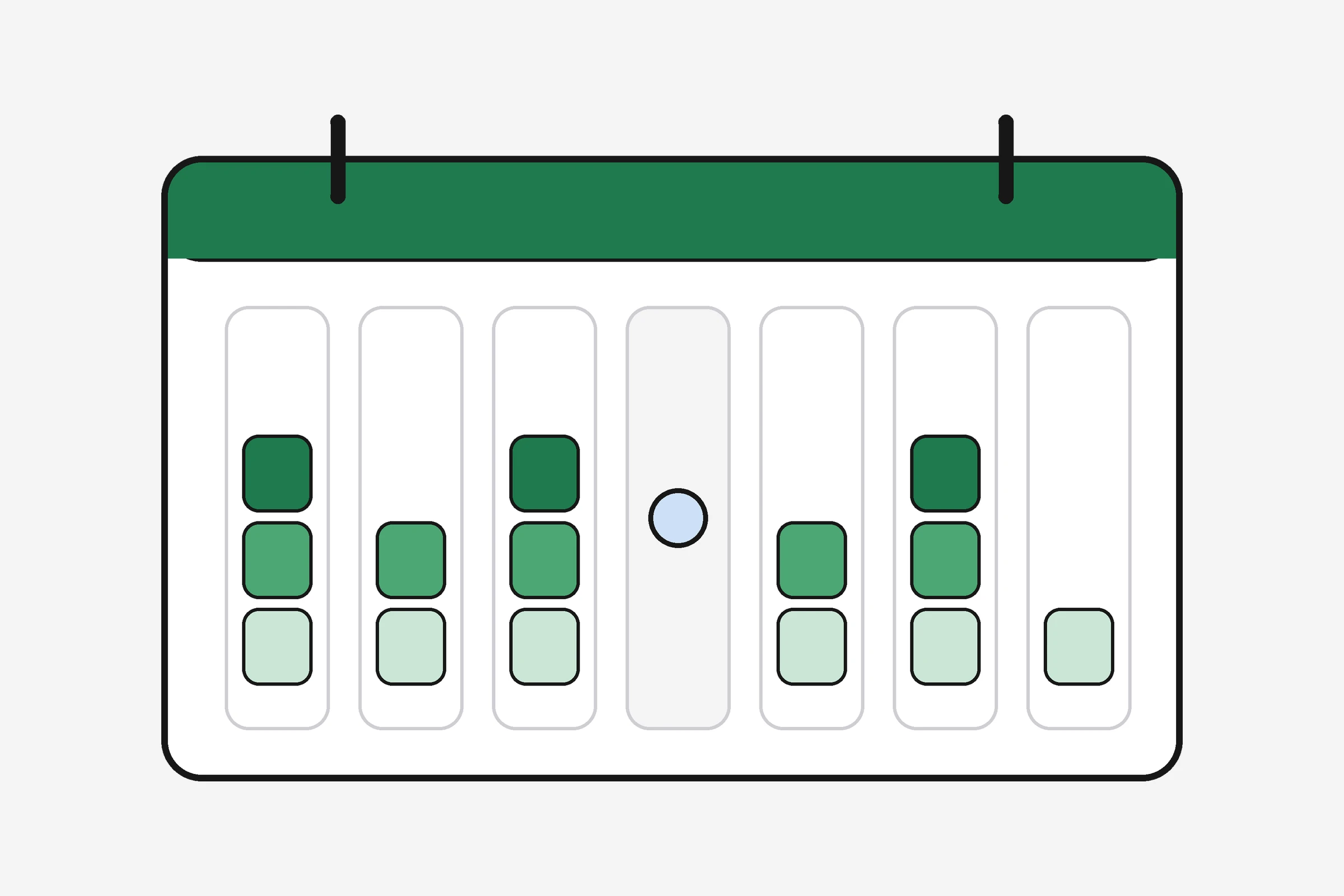
What is period pain in plain words?
Primary dysmenorrhoea means cramping pain in the lower tummy, often with back ache, that starts around bleeding when clinicians have not found another cause. The NHS says it is common, often lasts up to a few days, and may ease as you get older.
Secondary causes — such as endometriosis, fibroids or pelvic infection — need diagnosis and care beyond home steps. Exercise research here mostly studies primary pain. If your pain changed recently, is much worse than it used to be, or does not fit your usual pattern, treat that as a medical question first.
Is exercise good for period pain?
The NHS lists gentle exercise — walking, swimming, cycling, yoga — among things that may help, alongside a heat pad, warm bath, and over-the-counter pain relief used as directed on the packet.
The strongest recent summary is a 2025 systematic review and meta-analysis by Xiang and colleagues in Frontiers in Medicine. It pooled 29 randomised controlled trials in people with primary dysmenorrhoea. Exercise lowered pain on a visual analogue scale compared with usual care, health education or no intervention (weighted mean difference −2.62, 95% CI −3.29 to −1.95). The authors also compared types, session length and frequency, but trials were small and people knew they were exercising, so some benefit may come from expectation as well as movement.
An earlier Cochrane review of exercise for primary dysmenorrhoea also concluded that exercise may help reduce pain intensity, with low- to moderate-certainty evidence depending on the comparison. Together, the reviews support trying regular moderate movement, not chasing one miracle workout.
What the studies cannot show: which single app, class or rep scheme is best for you, or whether exercise treats secondary pain without treating the underlying condition.
What exercises help period cramps?
No guideline names one mandatory session. Patterns from NHS advice and trials suggest:
| Approach | Examples | Why people use it |
|---|---|---|
| Walking | Brisk lunch walk, treadmill incline walk | Easy to repeat; low joint stress |
| Cycling | Easy spin, stationary bike | Rhythmic; legs moving without impact spikes |
| Swimming | Easy lengths, aqua jog | Warm water may feel soothing; low impact |
| Yoga / Pilates-style | Gentle flows, cat-cow, hip openers | Breathing and mobility; trials used varied styles |
| Stretching | Hip flexor, glute, lower-back holds | Pairs with heat and rest on bad days |
Avoid the idea that you must push through maximal lifts while doubled over. A 20-minute walk that you actually do beats a skipped gym day followed by guilt.
Does exercising help with period pain immediately?
Some people feel better during or right after easy movement; others need days to weeks of habit before they notice change. Trials measured pain over programmes, not single sessions. Heat and rest still belong in the toolbox on day one.
If you searched how to relieve period pain with exercise, start with:
- 10–20 minutes of walking or easy cycling at a pace where you can talk.
- Stop if pain sharpens, bleeding surges, or you feel faint.
- Repeat most days of bleeding if you can; consistency matches how trials were built.
Can exercise make period cramps worse?
Hard training when you are dehydrated, overheated, or already dizzy can feel miserable. Some people report looser stools or urgency after long runs — a different gut issue from cramps, but another reason to ease off intensity.
There is little evidence that moderate exercise worsens primary dysmenorrhoea over time; trials trend the other way. If movement consistently worsens pain, log it and ask a clinician whether a secondary cause needs checking.
Should I still go to the gym on my period?
Yes, if you want to and you feel able. Meta-analytic work on the menstrual cycle and strength performance finds at most trivial average effects; individuals vary. Our guide on training around your menstrual cycle walks through logging energy across phases without forcing a rigid plan.
On painful days:
- Keep the habit: show up, do less.
- Drop volume (fewer sets) or load before you drop technique.
- Favour machines or tempo work if balance feels off.
- Skip max testing and contact drills if cramps and fatigue are high — not because bleeding blocks gains, but because risk rises when you cannot brace well.
Pelvic floor basics matter if you leak or feel pressure with heavy lifts; that is separate from ordinary cramps but worth fixing with a clinician if persistent.
How does this fit with heat, sleep and food?
The NHS suggests a heat pad or warm bath, rest, and lifestyle steps such as cutting down alcohol and not smoking. Sleep loss and stress often sit beside painful days. Our guides on how much sleep you need and tracking mood next to training help you see whether bad weeks are pain-only or a wider load problem.
Heavy bleeding can drain iron. Tiredness with sport might need a blood test, not another hard session. See iron and training if clinicians are already discussing supplements — do not start iron on your own without advice.
What should I do this week?
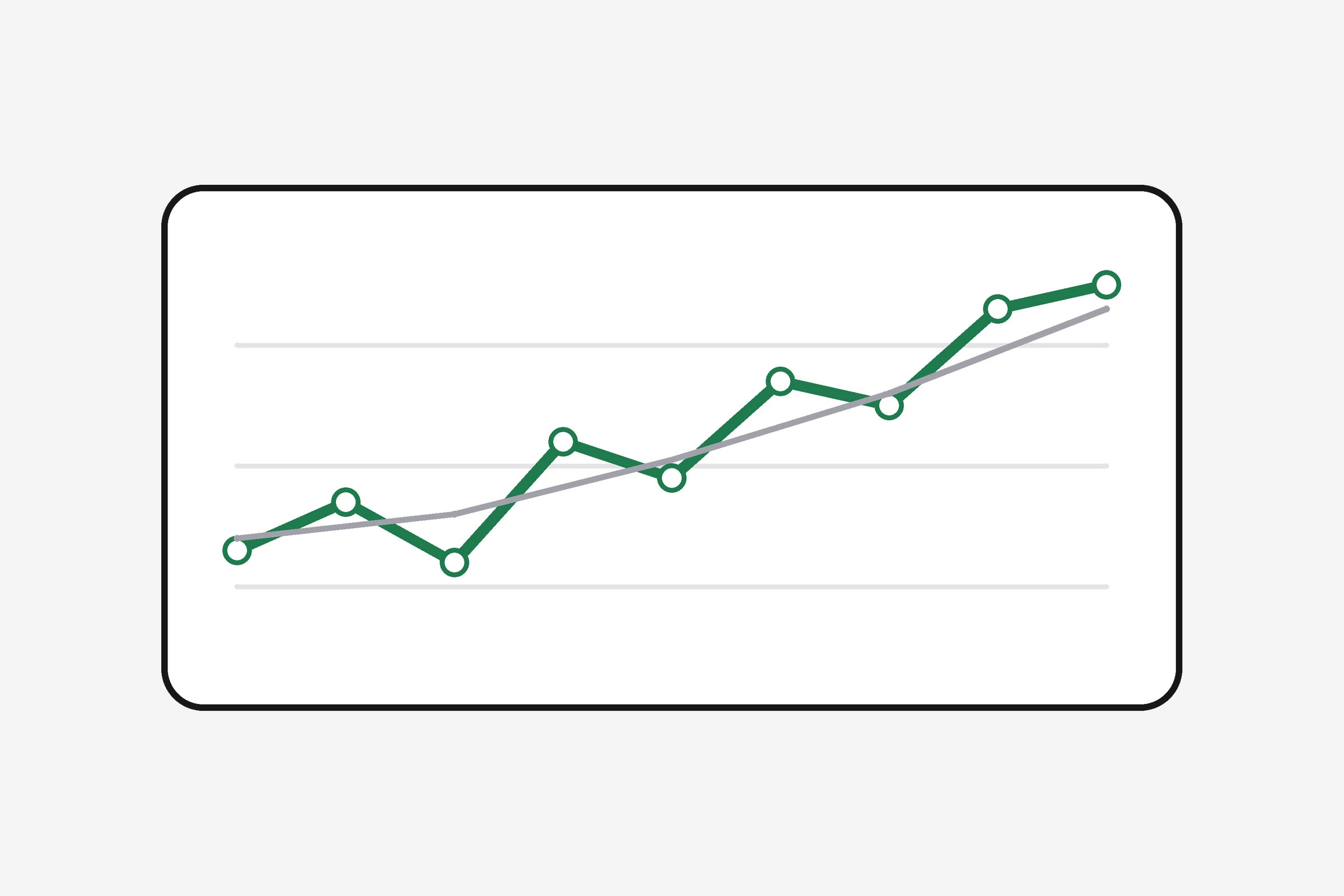
If you are new to training during periods:
- Pick three days in the bleeding week for 20-minute walks or easy yoga.
- Rate pain 0–10 and note bleeding heaviness in a paper log or your revns day log as a custom metric beside mood, sleep and sessions.
- Keep one strength day if you usually lift, at 70–80% of your usual load.
If you already train five or more days:
- Mark bleeding days on the calendar using cycle day counts.
- Swap intervals for zone 2 or technique work when cramps peak. Use the heart rate zone calculator if you pace by heart rate.
- After two cycles, compare pain on days you moved versus days you stayed in bed all day — many people find movement days score lower, but your log is the judge.
If pain is manageable but mood drops sharply, that is worth a clinician conversation too. If you ever feel unsafe or think about harming yourself, contact your local emergency number or crisis line straight away. In the UK and Ireland, Samaritans are on 116 123 (free, 24 hours).
How do I track period pain with training data?
Our period tracking guide lists what to record: cycle day, bleeding, pain, energy, sleep and session quality. Line those fields up for at least two cycles before you overhaul your programme.
revns holds training and wellness in one weekly view through goal tracking and the AI coach; it does not diagnose endometriosis, fibroids or infection. Bring the log to a GP or gynaecology appointment instead of self-treating from an app score.
When should I see a doctor about period pain?
See a GP or gynaecology clinician if:
- Pain stops daily activities or is worse every month despite self-care.
- Pain is severe or suddenly worse, or painkillers do not help as they used to.
- You bleed between periods, after sex, or much heavier than your norm.
- Pain happens with sex, peeing or pooing.
- You have fever, smelly discharge, or dizziness/fainting with bleeding.
- Periods stop for three months when you are not pregnant, or become very irregular while training hard.
Urgent: the NHS says to ask for an urgent GP appointment or call NHS 111 if pelvic or period pain is severe or worse than usual and painkillers have not helped. In an emergency, call your local emergency number.
This is general training guidance, not medical advice. It does not recommend any prescription drug or supplement.
What if period pain keeps coming back despite self-care?
Pain that is severe, gets worse each month or stops daily activities is a reason to see a clinician, as listed above. It is not a sign that you need to train harder or rest more. Our guide on endometriosis pain and exercise explains why some pain does not match what a scan shows. Use the same two-cycle log from this guide and bring it to your appointment.
Related
- Endometriosis pain and exercise: what a 2026 Endocrine Reviews study explains
- Training around your menstrual cycle: what the evidence supports
- How to track your period and what the data can tell you
- Pelvic floor exercises for runners and lifters: the basics
- Menopause exercise: strength, sleep and bone health
- Stress, burnout and when to deload
Sources
- NHS. Period pain
- Xiang Y et al. Efficacy and safety of therapeutic exercise for primary dysmenorrhea: a systematic review and meta-analysis. Frontiers in Medicine 2025
- Armour M et al. Exercise for dysmenorrhoea. Cochrane Database of Systematic Reviews 2019
- McNulty KL et al. The Effects of Menstrual Cycle Phase on Exercise Performance in Eumenorrheic Women: A Systematic Review and Meta-Analysis. Sports Medicine 2020
- Colenso-Semple LM et al. Current evidence shows no influence of women's menstrual cycle phase on acute strength performance or adaptations to resistance exercise training. Frontiers in Sports and Active Living 2023
Terms in this post
revns publishes training and nutrition guidance, not medical advice. See a clinician for symptoms, injury or a medical condition. Accurate as of November 17, 2026.