HRV status meaning: Garmin, Whoop and Apple labels explained
HRV status meaning on wearables: what Balanced, Low, Unbalanced, recovery and strain labels compare to, how long baselines take, and what to do when status drops.
revns editorial · Published November 23, 2026 · 7 min read
HRV status compares recent HRV to your baseline on the same device. Garmin uses Balanced, Unbalanced, Low and Poor; Whoop folds HRV into Recovery. Read trends, not one morning.
HRV status meaning is the label your wearable shows when it compares recent heart rate variability with your own baseline on that device — not with other people and not a medical diagnosis. On Garmin watches, HRV status often reads Balanced, Unbalanced, Low or Poor. Whoop folds overnight HRV into a Recovery percentage. Apple Health stores SDNN snapshots rather than a single named status. Read the word as a nudge to check sleep, resting heart rate and legs, then act on several days, not one spike. Start from what is HRV if the underlying metric is new.
TL;DR
| Brand | What "status" compares | Common labels | Baseline time |
|---|---|---|---|
| Garmin | 7-day overnight HRV vs your range | Balanced, Unbalanced, Low, Poor | About 3 weeks of nights |
| Whoop | Overnight RMSSD inside Recovery score | Green, yellow, red Recovery % | Rolling personal baseline |
| Oura | Overnight HRV inside Readiness | Readiness score bands | Multi-week trend |
| Apple Watch | SDNN samples, no one status word | Trend in Health app | Informal, not one Garmin-style label |
HRV status meaning: what does the phrase refer to?
HRV status meaning on forums and search is almost always about consumer labels, not hospital Holter reports. The device:
- Records beat-to-beat gaps during sleep (Garmin, Whoop, Oura) or short daytime windows (Apple).
- Summarises them as RMSSD or SDNN — see RMSSD and the 1996 Task Force definitions in Circulation.
- Smooths several nights into an average.
- Compares that average with a baseline range built from your prior weeks on that same unit.
The output word — Balanced, Low, strain — is status. The underlying number is HRV. Do not treat status as a second vital sign; it is classification of a trend.
What does HRV status mean on Garmin?
Garmin's public HRV Status materials (Garmin blog and HRV Status product page, 2024–2026) describe overnight measurement during sleep, a seven-day average visible after the first week, and a personal baseline range after about three weeks. Labels:
| Garmin HRV status | Plain meaning | Usual training read |
|---|---|---|
| Balanced | 7-day average inside your baseline band | Proceed with planned work if legs and sleep match |
| Unbalanced | Above or below the band | Check yesterday: hard session, alcohol, late night, travel |
| Low | Clearly under the band | Prefer easy day or shorter session if RHR is also up |
| Poor | Baseline itself fell under an age-based floor | Focus on sleep and load for two weeks; not a diagnosis |
Garmin stresses that Unbalanced above baseline can mean heavy recovery strain, not fitness gain. Competitor explainers often list labels but skip that high Unbalanced still warrants easing load.
Why overnight? Daytime RMSSD swings with coffee, stairs and arguments within minutes. Sleep standardises posture and timing enough for week-to-week comparison, as field HRV reviews (Buchheit, 2014, Frontiers in Physiology) recommend for athletes.
Garmin sync into revns is on the roadmap, not live today. You can still log sleep and resting HR manually or from Apple Health on iPhone (read-only) into sleep tracking and read status on the watch screen itself.
What does HRV status mean on Whoop and Oura?
Whoop publishes Recovery as 0–100%, blending overnight HRV (RMSSD), resting heart rate, respiratory rate and sleep — weights are proprietary (Whoop developer documentation and Locker articles, 2025–2026). You see green / yellow / red, not Garmin's four words. HRV status meaning in Whoop language is really "inside personal normal or not" inside Recovery.
Oura uses Readiness, again multi-metric. Its HRV contribution is overnight trend-based.
| Question | Garmin | Whoop |
|---|---|---|
| Is status HRV-only? | Yes — HRV Status is HRV-led | No — Recovery mixes metrics |
| One bad night | Slow to move 7-day average | Can move Recovery more |
| Best use | Trend + RHR + sleep log | Same; open underlying HRV ms |
Neither replaces how sessions feel. A green Recovery with sharp knee pain still means modify; a yellow day after a planned deload can still be fine.
Whoop strain vs Garmin Training Status (do not confuse with HRV status)
Whoop strain scores cardiovascular load from workouts and day stress; it is not HRV status. Garmin Training Status mixes VO2 trend, acute load and recovery — also separate from HRV Status in the Health menu. When bloggers say “my status was red,” ask which screen. Mixing them leads to skipping lifts because Recovery was yellow while HRV Status was Balanced, or the reverse.
Overnight vs morning spot checks
Garmin and Whoop emphasise full-night averages. A single Apple Watch Breathe session or phone camera HRV app gives a snapshot that may not match overnight status. If you use both, expect different stories after late nights — snapshot HRV often collapses before the seven-day average does.
What about Apple Watch HRV status meaning?
Apple Health emphasises SDNN from scattered readings, not one overnight status banner. Many users export a single morning HRV number. There is no Garmin-style Balanced label in the stock Health app as of 2026 documentation.
For Apple users:
- Treat the trend line as status: 7–14 mornings at the same time, seated, before phone scrolling.
- Compare with resting heart rate from the same mornings.
- On revns iPhone, Apple Health can supply read-only HRV, sleep and workouts when linked.
For label tables tied to age norms, see what is a good HRV score.
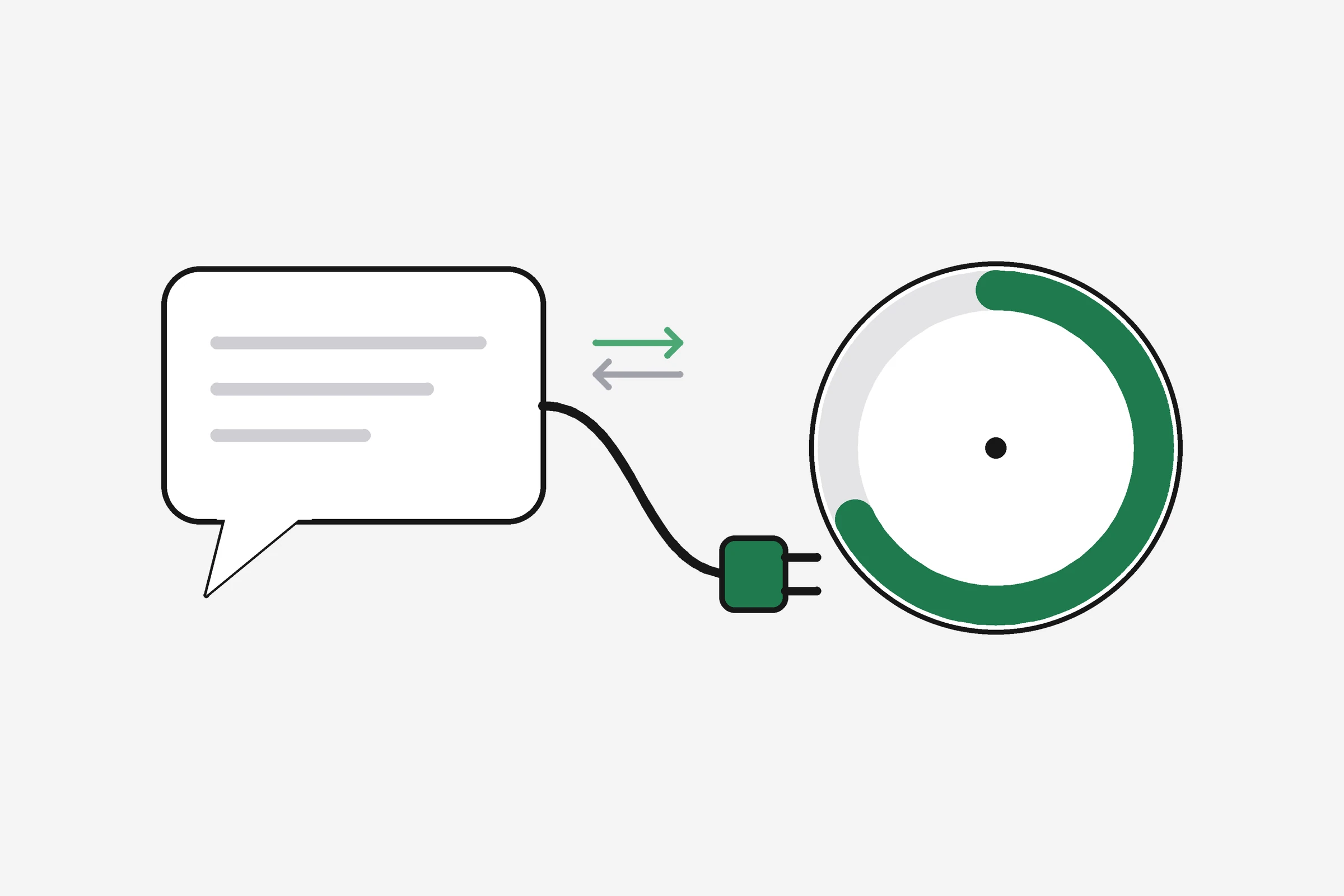
Why is my HRV status Low or Unbalanced?
Common, non-medical drivers seen in sports monitoring literature and device maker guidance:
- Hard block without a deload — glycogen and neural fatigue lag HRV recovery.
- Sleep under seven hours or high bedtime variance — see how much sleep do you need.
- Alcohol — same-night and next-morning RMSSD drops in controlled drinking studies.
- Illness coming — Low status plus scratchy throat or RHR +5 bpm for three mornings.
- Life stress — work deadlines move autonomic balance without a gym session.
When sick: status may read Low for healthy reasons; do not train through fever to chase Balanced. When menstruating or pregnant, baselines can shift; compare to your recent month, not a generic chart.
What to do when HRV status drops
Use a three-step ladder so the watch informs but does not dictate:
- One yellow/Low morning, feel fine: keep the session; note alcohol, sleep or new stress.
- Two to three Low mornings or Unbalanced low, RHR +3–5 bpm: swap intervals for zone 2 or cut volume 30–40% (heart rate zone calculator).
- Low plus poor sleep, illness signs or pain: rest or walk; revisit in 48 hours.
Longer playbook: how to improve HRV. For device-agnostic readiness language, readiness score meaning.
Does research support training from HRV status?
HRV-guided training studies (Kiviniemi and colleagues, 2007; Plews and Buchheit reviews) show small benefits when easy and hard days are adjusted to daily HRV versus a fixed plan — not a revolution, not useless. The consensus in Buchheit's 2014 review is that HRV reflects cardiac autonomic load, not full-system fatigue. Status labels are even smoother than daily HRV, so they suit weekly planning better than per-set decisions.
Practical rule from that literature: if status is Low and yesterday was already easy, keep today technical or skill, not a breakthrough attempt. If status is Balanced but Achilles is hot, respect the tendon — status does not image tissue.
Plews and colleagues (2013, Sports Medicine) warned elite athletes against daily obsession with one number. Weekly trends and honest wellness questions matched HRV better than a single morning verdict. Your watch's seven-day average aligns with that conservative interpretation.
HRV status meaning on search: common misspellings and non-English queries
People also type what is hrv status mean, hrv status low garmin, and why is my hrv status unbalanced. All map to the same idea: where am I versus my baseline? Indonesian adalah queries mirror English demand for Garmin definitions; the answer stays device-tied — translate the label through Garmin's English help pages or the watch manual, not through a generic normal range table.
What to do this week
- Wear the watch to sleep seven nights before judging status.
- Write status + resting HR + sleep hours in your log (or AI fitness coach prompts if you use them).
- Change one variable if Unbalanced persists: earlier bedtime, one fewer hard day, or alcohol off for 10 days.
- Re-read status only after another week — the seven-day average is slow on purpose.
If you train without a watch, manual morning pulse plus sleep hours mimic half of what status does. Log resting heart rate before coffee and compare with your month average; a five-beat jump two mornings running is a Low-status equivalent without the label.
When to see a professional
HRV status Low is not an emergency. Seek care for chest pain, fainting, palpitations with dizziness, or breathlessness at rest. Mental health crises need a clinician or crisis line, not a higher HRV.
This is general training guidance, not medical advice.
Related
- What is HRV? Heart rate variability explained
- What is a good HRV score?
- How to improve HRV
- Sleep tracking
Sources
- Garmin. Understanding the HRV Status on your Garmin smartwatch
- Garmin. HRV Status feature overview
- Whoop. Heart rate variability: how to read and improve your HRV
- Task Force of ESC and NASPE. Heart rate variability: standards of measurement. Circulation 1996
- Buchheit M. Monitoring training status with HR measures. Front Physiol 2014
- Kiviniemi AM et al. Endurance training guided individually by daily heart rate variability measurements. Eur J Appl Physiol 2007
- Plews DJ et al. Training adaptation and heart rate variability in elite endurance athletes. Sports Med 2013
Terms in this post
revns publishes training and nutrition guidance, not medical advice. See a clinician for symptoms, injury or a medical condition. Accurate as of November 23, 2026.