Heavy periods and exercise: can you train, and when to see a doctor
Can you exercise with a heavy period? Usually yes if you feel well. See what counts as heavy, how to adjust training, iron basics and when to see a GP.
revns editorial · Published November 21, 2026 · 8 min read
Usually you can train with a heavy period if you feel well. Learn the NHS signs of heavy bleeding, how to adjust sessions, how to log it, and when to see a doctor.
Can you exercise with a heavy period? Usually yes, if you feel well. Walking, easy cycling, yoga and lighter strength work are all reasonable choices, and you can pick the intensity on the day. What matters more is the pattern: the NHS says heavy periods are common and may be normal for you, and that treatment can help when they affect your daily life. Avoiding exercise because of your period is itself one of the NHS signs of a heavy period, so that is worth noticing and mentioning to a GP.
TL;DR
- Feel well and steady on your feet: train, with the intensity you choose on the day.
- Dizzy, faint, short of breath or unusually exhausted: rest, and see a GP.
- The NHS signs of a heavy period include changing products every 1 to 2 hours, clots bigger than about 2.5 cm and periods over 7 days.
- Heavy periods are a very common cause of iron deficiency anaemia. Only a blood test can show it.
- Log flow, energy and sessions for two or three cycles. A clear record helps a clinician.
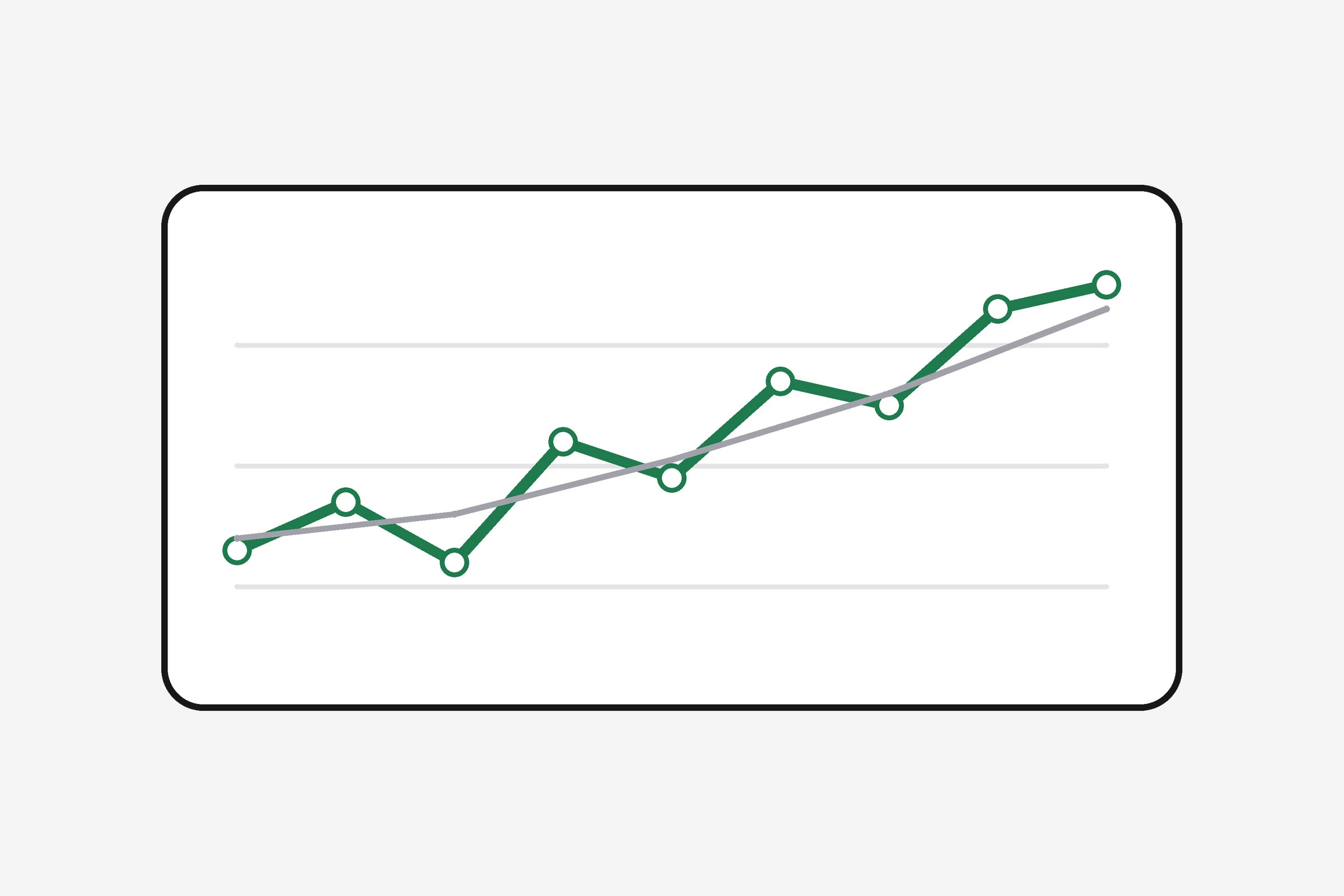
What counts as a heavy period?
The NHS describes a heavy period (also called menorrhagia) by how it affects you, not by one number. You may have heavy periods if you:
- need to change your pad or tampon every 1 to 2 hours, or empty a menstrual cup more often than recommended
- use two types of product together, such as a pad and a tampon
- have periods that last more than 7 days
- pass blood clots larger than about 2.5 cm (the size of a 10p coin)
- bleed through to clothes or bedding
- avoid daily activities, such as exercise, or take time off work because of your periods
- feel tired or short of breath a lot
The NHS adds that heavy periods can be normal for you. They can be heavier when periods first start, after pregnancy, or when approaching menopause. If you ticked several of the signs above, you are not "making a fuss". You are describing something a GP can help with.
Should you exercise if you have a heavy period?
If you feel well, yes. No national guideline we found tells people to stop training during a period, heavy or not. The decision is practical:
| How you feel | A sensible choice |
|---|---|
| Normal energy, no dizziness | Train as planned, and keep an eye on how you feel after |
| Tired, achy, flat | Drop the intensity: a walk, easy bike, yoga or lighter lifting |
| Worried about leaks | Pick sessions that suit you, such as walking, swimming with a product you trust, or training at home |
| Dizzy on standing, faint, racing heartbeat, breathless on easy effort | Stop, rest, and see a GP |
Notice the last row. Those are symptoms the NHS lists for iron deficiency anaemia, and a hard session will not fix them. If they come with heavy bleeding, treat that as a reason to book an appointment, not as a fitness problem to push through.
Does exercise make heavy periods heavier or lighter?
We did not find an NHS or other national-body statement that exercise changes how heavy a period is. The NHS page on heavy periods lists treatments from a GP, such as an intrauterine system, the combined pill, tranexamic acid and certain anti-inflammatory painkillers. Exercise is not on that list. So this guide does not promise that training will reduce your bleeding.
What you can say safely is this: exercise is good for many other things, including mood, sleep and bone health, and it is reasonable to keep it up on the days you feel able. For general guidance on weekly amounts, see how much exercise per week.
Why do heavy periods make you tired?
Blood contains iron, and iron is needed to make haemoglobin, the part of red blood cells that carries oxygen. The NHS says that heavy periods and pregnancy are very common causes of iron deficiency anaemia, and that its symptoms can include tiredness and lack of energy, shortness of breath, noticeable heartbeats, paler than usual skin and headaches. Less common signs include hair loss, a sore tongue, restless legs and a craving for non-food items such as ice.
Tiredness on its own has many causes: poor sleep, a hard training block, low food intake or stress. That is why you should not assume low iron without a test. The NHS says a GP will usually do a full blood count, and may look for other causes if the reason is not clear.
Are female athletes more likely to be low in iron?
In athletes, iron deficiency is common and more so in women. A 2019 narrative review by Sim and colleagues in the European Journal of Applied Physiology reports that iron deficiency is most common in female athletes, with roughly 15 to 35% of female athlete cohorts deficient, against about 5 to 11% of male athlete cohorts. The review also discusses exercise-driven rises in hepcidin, a hormone that controls iron, as one possible factor, along with diet, training and altitude.
Two cautions. A narrative review pools many studies of different athletes, so these ranges are not a number for you. And "athlete cohorts" are not everyone who trains. The sensible reading is that if you train hard, bleed heavily and feel flat, it is reasonable to ask about a blood test. Our guide to iron, energy and training for women goes deeper on tests and food.
What should you eat during a heavy period?
Food cannot treat a heavy period, but it supports your iron intake. The NHS suggests iron-rich foods for people with iron deficiency anaemia: dark-green leafy vegetables such as watercress and curly kale, fortified cereals and bread, meat, dried fruit such as apricots, prunes and raisins, and pulses (beans, peas and lentils).
Diet-inclusive ideas:
- Vegetarian and vegan: lentil dal, chickpeas, kidney beans, tofu, fortified cereal, dried apricots, kale.
- Eggetarian: the above plus eggs.
- Jain: pulses, fortified cereals, dried fruit and leafy greens where your practice allows.
- Non-vegetarian: the above plus meat and fish.
The NHS also says that tea, coffee, milk and dairy, and foods high in phytic acid such as wholegrain cereals, can make it harder to absorb iron from other foods and tablets when eaten in large amounts. A simple habit is to keep your tea or coffee away from your main iron-rich meal. It is a small adjustment, not a cure. For more on protein and plant meals, see the vegan protein guide.
How should you adjust training on the heaviest days?
You do not need a special programme. A few options:
- Keep the session, lower the dose. Cut a set or two, or drop the weight by a notch. Stop with reps in reserve.
- Swap hard intervals for easy aerobic work. A steady walk or easy ride feels better than max efforts when you are drained. See zone 2 training for easy effort.
- Plan around your own pattern. If day 2 is always the worst, move the hardest session. The guide to training around your menstrual cycle shows how to do it without assuming every bad day is hormonal.
- Use rest without guilt. One rest day is part of training. See rest days: how many you need.
- Handle pain separately. If cramps are the main issue, the period pain and exercise guide covers it.
If you need a rest day more than once a cycle, and also notice slower paces, heavy legs and poor sleep, check the signs in overtraining symptoms. Low iron, low food intake and too much training can look alike, and a clinician can help separate them.
What should you log before you see a GP?
Two or three cycles of simple notes make an appointment more useful. Log:
- Days of bleeding and how many days were heavy
- Products used, and how often you changed them
- Clots, and roughly how large
- Energy from 1 to 5 each day
- Sessions done, skipped or cut short, and why
- Symptoms: dizziness, breathlessness, a racing heartbeat, headaches
- Sleep hours
The revns period tracking guide explains how to keep it simple, and sleep and recovery tracking lets you chart energy and sleep next to training. A tracker records what you tell it. It cannot tell you why you bleed heavily.
What treatments can a GP offer?
You do not need to decide this alone, but it helps to know the options exist. The NHS says treatments from a GP include some types of contraception, such as an intrauterine system or the combined pill, medicine to reduce bleeding such as tranexamic acid, and prescription-only anti-inflammatory painkillers such as mefenamic acid or naproxen. If these do not work, or a GP thinks a condition is behind the bleeding, you may be referred for tests or to a specialist. The NHS notes that conditions such as fibroids, endometriosis, adenomyosis and pelvic inflammatory disease can sometimes cause heavy periods, and that rarely heavy periods can be a sign of womb cancer. This is exactly why a persistent change deserves a check rather than self-management.
Do not start or stop any medicine because of this guide. Your GP or pharmacist decides what suits you.
What should you do this week?
If you are new to this
- Start a note in your phone: flow (light, normal, heavy), energy 1 to 5, and whether you trained.
- Pick one easy session for the heaviest days, such as a 20-minute walk or a gentle yoga flow.
- Check the NHS list above. If you tick two or more signs, book a GP appointment.
If you already train hard
- Compare pace, heart rate and how heavy your legs feel on heavy days against the rest of the cycle.
- Keep one fixed rest day and do not stack hard days when you are bleeding heavily.
- If fatigue lasts the whole cycle, ask about a full blood count rather than adding more training or supplements.
When should you see a professional?
The NHS advises seeing a GP if heavy periods affect your life, you have had them for some time, you have severe pain during periods, you bleed between periods or after sex, or you have heavy periods plus other symptoms such as pain when peeing, pooing or having sex. Also see a clinician promptly for:
- fainting or near-fainting, or a heartbeat that races at rest
- breathlessness on easy effort that is new for you
- soaking through products faster than one every hour for several hours
- bleeding in pregnancy, or heavy bleeding after pregnancy
If you feel very unwell, get urgent help from your local emergency service. If worry about your health or your periods is affecting your mood or sleep, talk to a clinician or a local crisis line. A fitness app cannot diagnose or treat any of this.
Related
- Iron, energy and training for women: what to know and when to test
- Period pain and exercise: what helps and when to see a doctor
- Training around your menstrual cycle: what evidence supports
- How to track your period and what the data can tell you
- Strength training for women: how to start
- Sleep and recovery tracking
This is general training guidance, not medical advice.
Sources
Terms in this post
revns publishes training and nutrition guidance, not medical advice. See a clinician for symptoms, injury or a medical condition. Accurate as of November 21, 2026.