Bench press for beginners: a five-move gym routine with moving demos
Bench press for beginners: five gym moves with demos, sets and reps, empty-bar start, safety setup, and two push days a week. About 35 minutes.
revns editorial · Published November 25, 2026 · 10 min read

Bench press for beginners: band prep, barbell bench, dumbbell press, rows and pushdowns, two gym days a week, empty bar first, safety arms or a spotter, progress when form holds.
Bench press for beginners starts with the empty bar in a rack, two gym days a week, and five moves that teach pressing form before you load heavy weight. This session takes about 35 minutes: shoulder prep, barbell bench press, dumbbell bench press, one-arm rows for upper-back balance, and cable tricep pushdowns. Start with the 20 kg bar (or a lighter training bar) until you can pause on your chest and press back up without your hips lifting. Every move below has a moving demo from the exercise library.
TL;DR
| Move | Sets × reps | Rest |
|---|---|---|
| Band pull-aparts | 2 × 12–15 | 45 s |
| Bench press | 3 × 5–8 | 2–3 min |
| Dumbbell bench press | 2 × 8–10 | 90 s |
| Dumbbell rows | 2 × 8–10 each arm | 60 s |
| Tricep pushdowns | 2 × 10–12 | 60 s |
Optional first-session prep: 2 × 8 incline push-ups on a bench. Train Monday and Thursday or any two days with at least one rest day between.
Bench press for beginners: what is this workout?
Bench press for beginners here means a short chest day built around the barbell bench press, not a ten-exercise split copied from a magazine. Rankings pages often show setup photos for the bench alone and stop there. You also need how often to train, what to do before you touch the bar, and pulling work so your shoulders stay balanced.
This routine fits you if you can get to a gym with a flat bench inside a rack, a barbell, dumbbells, a light band, and a cable stack. You do not need a training max or a complex programme. You do need safety arms set just below chest height or a spotter who knows how to take the bar if you miss a rep.
Starting check
Before your first barbell set, try eight incline push-ups with hands on a bench. If you cannot reach eight clean reps with a straight body line, spend one to three weeks on the bodyweight chest workout at home first. Push-ups teach the same push pattern with less load. When eight incline reps feel steady, the empty bar is the right next step.
How do you do this bench press workout?
Session order
- Warm-up (3–5 minutes): easy walk or bike, ten slow arm circles, then the band pull-aparts below.
- Optional push-up prep (week one only): two sets of eight incline push-ups on the bench to wake the chest without fatigue.
- Main lifts in the table order: bench first while you are freshest, rows before triceps.
- Cool-down (optional): walk two minutes and shake out the wrists.
Read the warm-up guide if you want a longer ramp before your heaviest set.
Rack and spotter setup
- Set safety arms or pins just below your chest when you lie flat with a small arch. The bar should land on the pins if you fail mid-rep.
- Eyes under the bar so you are not reaching forward to unrack.
- Feet flat on the floor; shins roughly vertical. Drive through the whole foot, not just the toes.
- Full grip: thumbs wrapped around the bar. A thumbless grip lets the bar roll; avoid it while you learn.
- Ask a spotter for a lift-off if unracking twists your shoulders. They should keep hands near the bar without helping the reps.
How often?
Two days a week with at least 48 hours between sessions. Example: Monday and Thursday. The WHO 2020 guidelines recommend muscle-strengthening activity on two or more days a week for adults. This session counts as one of those days; pair it with leg and back work on other days, such as the barbell workout for beginners or a full body workout at home when you are not in the gym.
Move to three push days only after two weeks of pain-free shoulders, wrists and sleep on the two-day plan. See rest days if soreness stacks up.
When to add weight?
Use progressive overload: add the smallest plate jump when every rep of every set looks the same. On the barbell bench that is often 1.25 to 2.5 kg per side. If you miss reps twice at the same weight, repeat that weight once more, then step back 10 percent and build up again. Log totals in a notebook or the workout log template.
On dumbbells and cables, add weight when you hit the top of the rep range on both sets for two sessions in a row.
The moves
Each block lists steps, dose, one mistake, and easier or harder options. Rest as listed in the TL;DR table between working sets.
1. Band pull-aparts
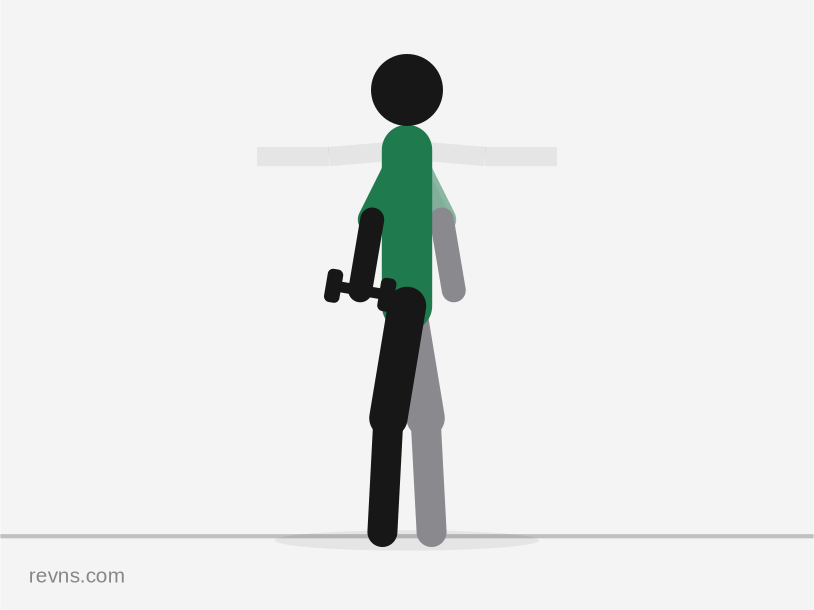
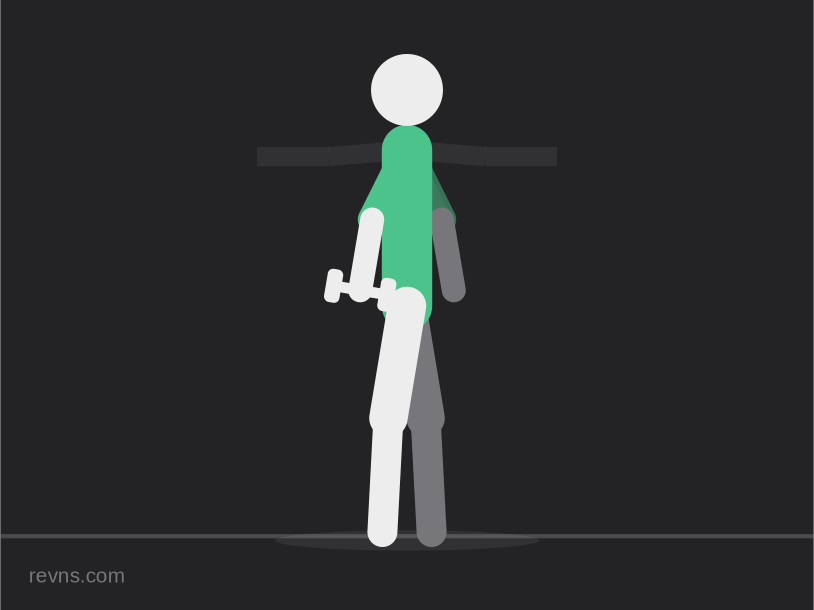
Band pull-aparts wake the upper back and rear shoulders before you pin the shoulder blades on the bench. They are not a max effort drill. Use a light band you can snap apart to chest height with straight arms.
- Hold a band at shoulder height with arms straight and a shoulder-width grip.
- Pull the band apart until your hands are wide and the band touches your chest.
- Squeeze the shoulder blades, then return with control.
- Keep ribs down; do not lean back.
Do: 2 × 12–15, rest 45 s. Move on when: this is automatic before every bench session. Common mistake: bending the elbows like a row. Keep arms straight; the motion comes from the shoulders. Easier: shorter range with a lighter band. Harder: slower three-second return, or face pulls on a cable later.
2. Bench press
The bench press is the centre of this routine. It trains the chest, front shoulders and triceps together. Beginners often spend the first two sessions on the empty bar only. That is correct until the path from shoulders to chest to lockout is identical on every rep.
- Lie with eyes under the bar, feet flat, shoulder blades pulled together and down into the bench.
- Grip slightly wider than shoulders; bar sits low in the palm with wrists stacked over elbows.
- Unrack to straight arms over the shoulder joint. Take a breath and brace.
- Lower the bar to mid-chest over two to three seconds, elbows about 45 degrees from your ribs.
- Touch the chest lightly, pause briefly without bouncing, then press up and slightly back to the start.
Do: 3 × 5–8, rest 2–3 min. Move on when: set three matches set one in bar speed and hip position. Common mistake: bouncing the bar off the chest. Light touch, still press, no rebound. Easier: dumbbell bench press if the fixed bar path bothers your shoulders. Harder: one-second chest pause on every rep, or incline dumbbell press for extra upper-chest volume on a second day later.
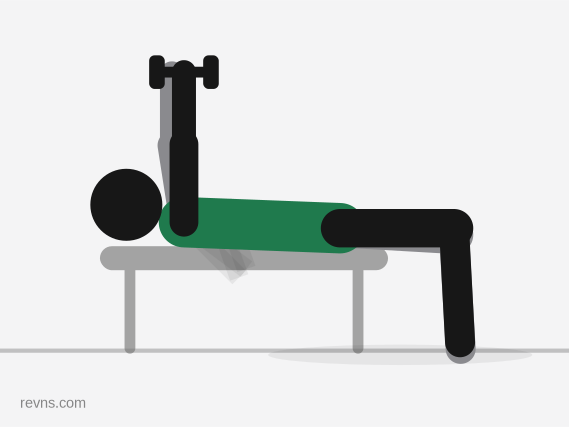
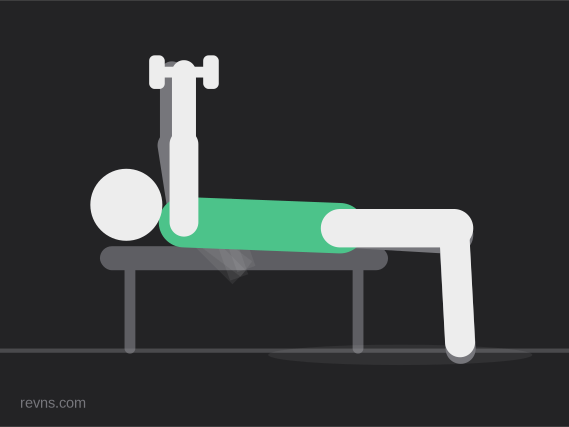
3. Dumbbell bench press
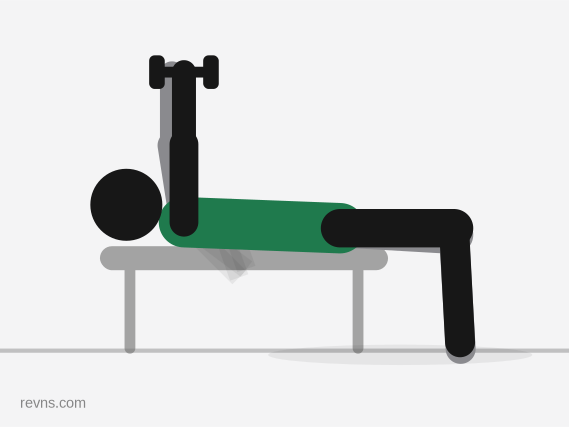
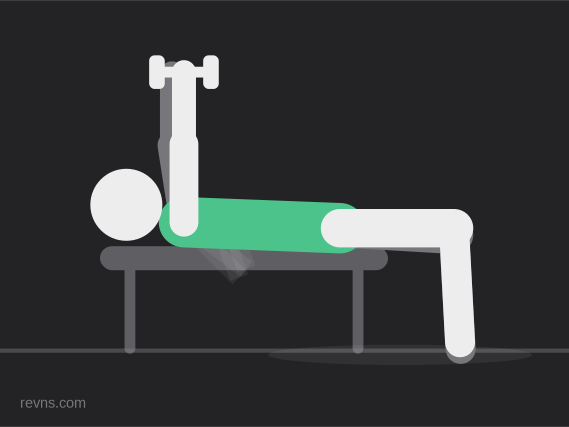
Dumbbell bench press lets each arm work alone, which suits beginners whose dominant side steals reps on the bar. Use it after the barbell sets while the chest is warm but not exhausted.
- Sit at the end of the bench with a dumbbell on each thigh.
- Lie back and kick the bells to chest level, feet flat.
- Press the dumbbells up over your shoulders until arms are straight.
- Lower until elbows are just below bench height, wrists neutral.
- Press back up without clanking the weights at the top.
Do: 2 × 8–10, rest 90 s. Move on when: 10 smooth reps on both sets for two sessions. Common mistake: pressing unevenly so one bell leads. Watch both bells rise together. Easier: lighter dumbbells or push-ups on knees between barbell days. Harder: slower lowering for a three-count, then back to the barbell next session.
4. Dumbbell rows
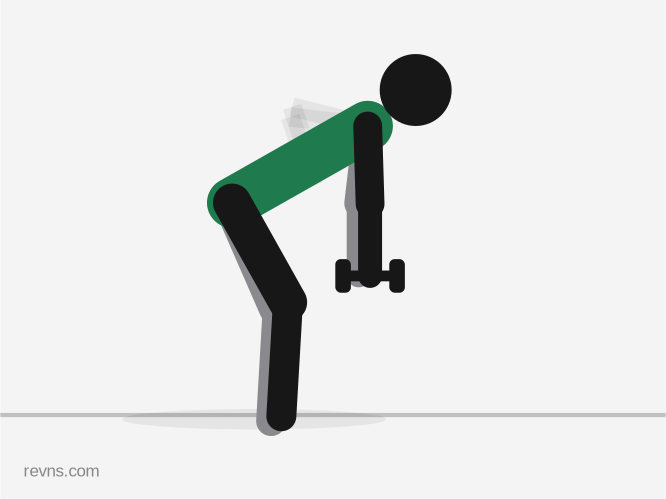
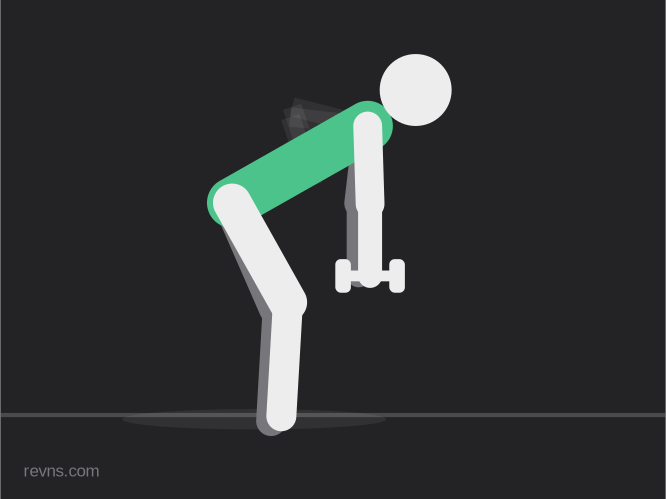
Dumbbell rows balance pressing with pulling. Rows train the lats and mid back so the shoulder blades stay healthy under bench volume. Do them one arm at a time so the lower back stays quiet.
- Put one hand and the same-side knee on the bench, back flat, dumbbell hanging straight.
- Pull the dumbbell to the hip, elbow skimming your side.
- Squeeze the shoulder blade at the top for one second.
- Lower until the arm is straight without twisting the torso.
- Complete all reps on one side, then switch.
Do: 2 × 8–10 each arm, rest 60 s between arms if needed. Move on when: you can row without shrugging the shoulder to the ear. Common mistake: twisting the torso to heave the weight. Brace the trunk; only the arm moves. Easier: lighter weight or inverted rows on a Smith bar or rings. Harder: bent-over rows with the bar once your hinge is solid.
5. Tricep pushdowns
Tricep pushdowns finish the session with elbow extension work. Strong triceps help the top of the bench press without another heavy barbell set.
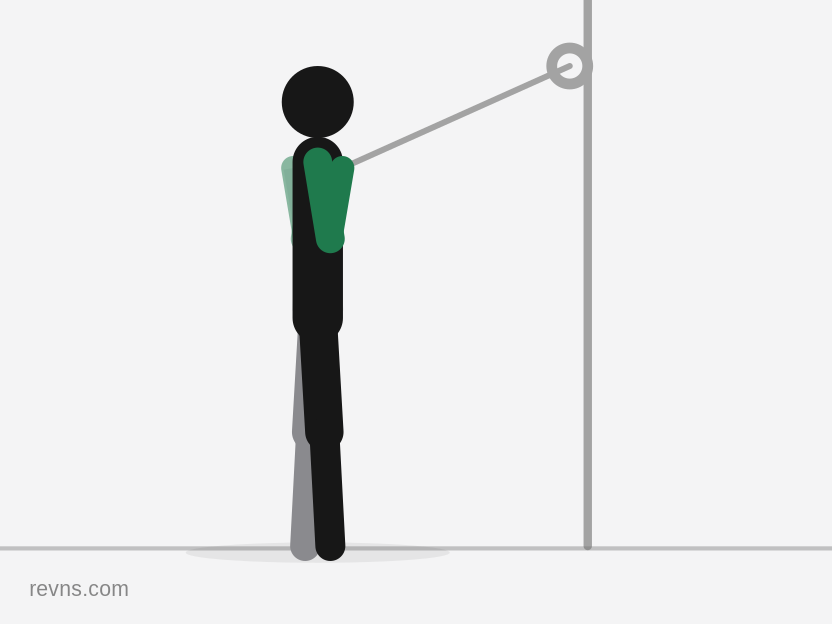
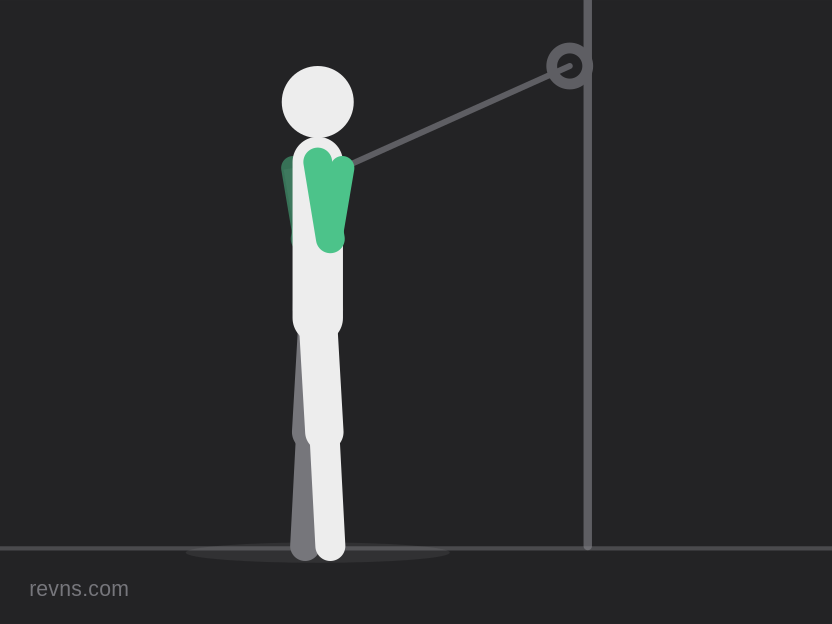
- Stand facing a cable with a straight or rope handle at chest height.
- Pin elbows at your sides, shoulders down.
- Push the handle down until arms are straight.
- Return with control without letting the stack slam.
- Keep wrists neutral throughout.
Do: 2 × 10–12, rest 60 s. Move on when: 12 controlled reps on both sets for two sessions. Common mistake: elbows drifting forward so the shoulders do the work. Glue elbows to your ribs. Easier: bench dips with a short range, or tricep extensions with a light dumbbell overhead. Harder: slower eccentric for three seconds on the way up.
What muscles does the bench press work?
The bench press is a horizontal push. The main movers are:
| Muscle | Role in the bench press |
|---|---|
| Pectoralis major | Presses the arms across the body |
| Anterior deltoid | Lifts and stabilises the arm |
| Triceps brachii | Extends the elbow at lockout |
Your upper back stays tight to keep the shoulder blades pinned. Your core and glutes keep the hips on the bench. Feet on the floor add leg drive that many beginners skip; pressing the floor helps you stay stable under the bar.
For a push-up only path before the bar, see benefits of push-ups.
How much weight should a beginner bench press?
Start with a weight you can control for every planned rep, not the heaviest plate stack in the room. For many people that is the empty 20 kg bar. Smaller lifters or teens may use a 15 kg women's bar or fixed light bar if the gym has one.
A practical test on working weight:
- Can you pause on your chest with the bar still, then press up without your hips leaving the bench?
- Do your elbows stay near 45 degrees, not flared straight out?
- Does the last rep look like the first?
If any answer is no, stay at that weight or drop 2.5 to 5 kg total until all three are yes. The one-rep-max calculator is for later programming, not day one.
In the 2024 Adult Compendium of Physical Activities, loaded barbell resistance work often maps to code 02050 (vigorous resistance training), about 6.0 METs for the bench press entry. Exact calorie burn depends on body mass and rest time; each exercise page uses those compendium codes.
How often should beginners bench press?
Two dedicated bench days a week on this plan is enough for most novices learning form. That sits inside the American College of Sports Medicine progression guidance for resistance training: novices often use one to three sets of eight to twelve reps (here we use five to eight on the bar for skill) on each major muscle group two to three days per week.
| Schedule | Who it fits |
|---|---|
| 2 bench days | Learning form, school or work weeks with limited gym time |
| 2 bench days + 1 full-body barbell day | When you also run the beginner barbell A/B plan |
| 3 push days | Only after shoulders, sleep and wrists feel solid for two weeks |
Do not bench to failure every session. Stop each set with one to two reps left while you learn. Harder sets can come after months of logged progress.
Bench press for beginners vs other pages: what this adds
Form-only articles (clinic sites, lifting blogs) explain grip and elbow angle well but often omit a full session, row pairings, and animated demos tied to each move name. Starting-strength style pages teach the empty bar but assume you already run a whole-week split. One-day ten-exercise chest lists bury the bench under flies and cables before you own the bar path.
This guide keeps one clear barbell focus, adds band prep and rows, states safety-arm height, links regressions on every lift, and shows moving figures from the same library as the exercise pages. It also tells you when push-ups should come first, which pure bench tutorials skip.
When to see a clinician or stop
Stop the session and get assessed if you feel sharp pain in the shoulder, wrist or chest, numbness down the arm, dizziness, or chest pressure that does not feel like muscle effort. Mild muscle soreness in the chest and triceps for a day or two after new pressing is common; see DOMS explained.
Check with a clinician before heavy bench work if you have a recent shoulder injury, uncontrolled high blood pressure, a heart condition, or osteoporosis where a fall with a bar would be high risk. Pregnant people should follow their obstetric team’s guidance on supine loading and breath-holding.
This is general training guidance, not medical advice.
Related
- Barbell workout for beginners: a two-day gym plan
- Bodyweight chest workout at home
- Benefits of push-ups: what they train and how often
- Progressive overload in plain words
- How many sets per muscle per week for muscle growth
Sources
- Bull FC et al. WHO Guidelines on Physical Activity and Sedentary Behaviour. Br J Sports Med 2020.
- Kraemer WJ et al. Progression models in resistance training for healthy adults. Med Sci Sports Exerc. 2002;34(2):364-380.
- American College of Sports Medicine. Resistance Training for Health and Fitness.
- Ainsworth BE et al. 2024 Adult Compendium of Physical Activities.
Terms in this post
revns publishes training and nutrition guidance, not medical advice. See a clinician for symptoms, injury or a medical condition. Accurate as of November 25, 2026.