Pickleball eye injury and glaucoma risk: what a 2026 BMJ case report found
A BMJ Case Reports 2026 paper describes angle-recession glaucoma after a pickleball strike. JAMA data on ED eye injuries and what protective eyewear to use.
revns editorial · Published November 24, 2026 · 7 min read
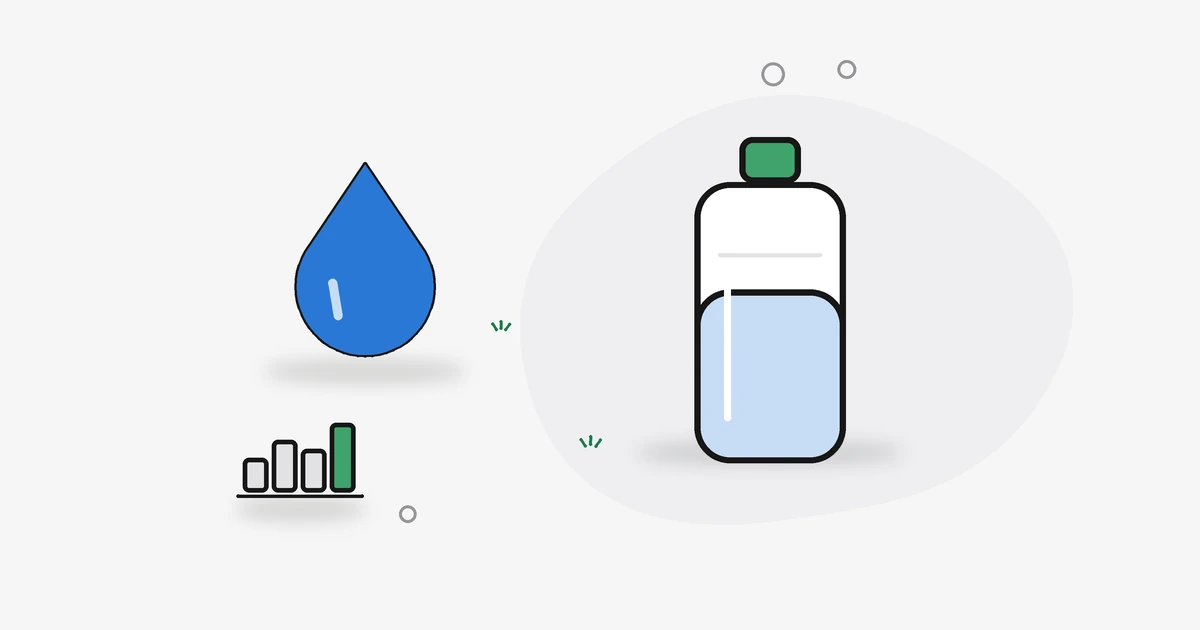
BMJ Case Reports Nov 2026: pickleball strike, IOP 50 mmHg, 75% angle recession, surgery needed. JAMA: ED eye injuries rising. Wear wrap-around polycarbonate glasses and know ER red flags.
A direct pickleball strike to the eye can damage drainage structures inside the eye and lead to traumatic glaucoma months later, doctors warn in a November 2026 case report in BMJ Case Reports. A woman in her early 50s was hit in the left eye by a teammate's shot during recreational play without protective eyewear; emergency care found intraocular pressure at 50 mmHg, angle recession across about 75% of the angle, and later glaucoma needing surgery despite maximum drops. Separate US emergency-department data in JAMA Ophthalmology show pickleball-related eye injuries rising sharply as participation grows. For anyone who plays: wear impact-rated wrap-around glasses, treat a direct hit as urgent, and follow up even when the first visit looks better.
TL;DR
| Source | What it adds |
|---|---|
| Teebagy et al., BMJ Case Reports, Nov 2026 (DOI 10.1136/bcr-2026-275922) | Woman early 50s, left-eye pickleball hit, IOP 50 mmHg, ~75% angle recession, surgery after persistent high pressure |
| Lacher et al., JAMA Ophthalmol, 2025 (PMID 41100112) | ~3,112 estimated US ED ocular injuries (2005–2024); ~1,262 in 2024; +405/year (2021–2024); more in age 50+ |
| Waisberg et al., Eye, 2024 (DOI 10.1038/s41433-023-02870-9) | No mandated eyewear in pickleball today; polycarbonate wrap-around glasses recommended; older players at higher risk |

What did the BMJ case report describe?
The peer-reviewed case "Traumatic angle-recession glaucoma following pickleball injury" by Teebagy, Matte and Teng, published in BMJ Case Reports in November 2026, is a single patient story. It is not a trial and cannot quote a percentage risk for all players. It does spell out how serious a high-velocity ball to the eye can become.
The authors report that a woman in her early 50s with bilateral LASIK in 2014 and a family history of glaucoma was struck in the left eye when a teammate hit a pickleball that contacted her face during recreational play. She was not wearing eye protection.
At the emergency department after impact, she had:
- Visual acuity counting fingers at one foot in the injured eye versus 20/20 in the right eye.
- Intraocular pressure (IOP) 50 mmHg left and 15 mmHg right.
- Hyphema (blood layered in the front of the eye), traumatic mydriasis (dilated pupil), corneal changes, and limited view of the back of the eye.
Gonioscopy later showed extensive angle recession involving approximately 75% of the angle. Angle recession is a tear in the ciliary body that can disrupt drainage and raise glaucoma risk months to years after trauma.
Despite maximum medical therapy with multiple pressure-lowering drops, she had persistent elevation and early glaucomatous damage on optical coherence tomography and visual field testing. She underwent ab interno trabeculotomy and viscodilation. The authors report postoperative IOP about 10 mmHg, visual acuity 20/30-2 in the left eye, and a reduced medication burden.
The paper's discussion stresses pickleball's smaller court, net proximity, ball speed, and older participant profile as reasons eye trauma deserves more prevention talk. Medical Xpress summarised the report for a general audience on 23 November 2026; our numbers come from the BMJ case report text, not from that summary alone.
Are pickleball eye injuries common?
They are rare per player-hour, but US emergency departments are seeing more of them as the sport grows.
Lacher, Koc and Tsui analysed National Electronic Injury Surveillance System (NEISS) records in JAMA Ophthalmology (published 2025, data through 2024). Key estimates from their abstract:
- About 3,112 weighted pickleball-related ocular injuries from 2005 through 2024 (unweighted n = 73 cases in the sample).
- About 1,262 estimated injuries in 2024 alone (unweighted n = 33).
- Linear trend 2021–2024: estimated +405 injuries per year (95% CI 288–522; P = .004).
- Age: more injuries among patients 50 years and older than younger than 50 (39% difference; 95% CI 6%–65%; P = .03).
Mechanisms included direct hit by the ball, hit by a paddle, and falls. Severe types in the dataset included retinal detachment, orbital fracture, globe trauma, and hyphema — overlapping with the BMJ glaucoma case.
NEISS captures ED-treated injuries. Many players with a sore eye, a bruised lid, or subconjunctival bleeding never appear in these numbers. Under-reporting is likely; the trend still signals that more people are reaching hospitals with pickleball-related eye trauma.
For readers tracking steps and cardio from court sports, see how many steps a day you need and walking after eating. Eye safety is an add-on, not a replacement for movement.
Is pickleball a dangerous sport for your eyes?
Pickleball is lower impact on joints than running and is often praised for balance and social play, including in older adults. The eye risk is specific: a hard plastic ball at close range.
Waisberg, Ong and Lee, in a 2024 commentary in Eye, note that USA Pickleball and industry reports showed large participation growth in the United States and that squash and racquetball often mandate eyewear while pickleball does not at any level they reviewed. They recommend wrap-around glasses with plastic polycarbonate lenses that are less likely to shatter on impact, and extra caution for people with high myopia, prior cataract or refractive surgery, family history of retinal detachment, or ages 60–70.
Compare with published pickleball eye cases on PubMed: retinal tears after ball strikes (Atkinson et al., Retinal Cases & Brief Reports, 2022), lens subluxation (Huang and Greven, 2024), and orbital fractures (Nair and Narayanan, European Journal of Ophthalmology, 2025). The BMJ 2026 glaucoma case adds long-term pressure disease after blunt trauma.
Searchers ask "is pickleball a contact sport" — officially no, but the ball and paddle are projectiles and doubles partners stand close. That is the training-relevant point: treat eye hits like collision injuries, not like brushing a net.
What eye protection should you wear for pickleball?
Pickleball eyewear is not fashion sunglasses. You want sports safety glasses that meet impact standards (for example ASTM F3164 for racket sports, which JAMA Ophthalmology and the American Academy of Ophthalmology cite for pickleball, or your national equivalent) with polycarbonate lenses and side coverage.
Practical checklist from ophthalmology guidance:
| Do | Skip |
|---|---|
| Wrap-around polycarbonate sport frames | Regular street sunglasses or dress glasses without impact rating |
| Secure strap or snug fit so glasses stay on during a lunge | Glass lenses that can splinter |
| Prescription inserted in protective frames if needed | Assuming a hat brim stops a ball |
| Same glasses every session so it becomes habit | Waiting for a league rule before you protect your own eyes |
At casual open play, bring glasses even if others do not. At 50+ age brackets — the same group over-represented in NEISS estimates — baseline eye exams help because glaucoma and retinal risk are more common.
What should you do this week if you play pickleball?
- Order or dig out impact-rated glasses before your next game. Try them during warm-up serves, not only during a match.
- Agree a doubles rule: call "mine" early and avoid firing at a partner's face on reflex volleys at the kitchen line.
- Log sessions in your multi-sport tracker or weekly plan so you can pair court days with easy recovery — useful if an eye strain forces you to skip hard cardio.
- If you use a watch for heart rate zones, keep easy days easy while healing from any facial bruise; do not use soreness as an excuse to pile on intensity elsewhere without a plan.
If you only walk between games, that still counts toward weekly movement; see low impact cardio at home for non-court days.
When should you see a doctor after a pickleball eye injury?
Same day or emergency assessment is appropriate when any of the following occur after a direct hit:
- Sudden vision loss, severe blur, or new double vision.
- Strong pain, nausea, or vomiting (can accompany acute pressure rise).
- Blood visible in the eye, a cut on the eye, or something embedded.
- Unequal pupils, a bulging eye, or chemical splash (sweat plus broken lens fluid — rare but urgent).
The BMJ patient had immediate blur, severe pain, and photophobia. IOP 50 mmHg is far above normal and needed emergency pressure treatment.
Follow-up matters: traumatic glaucoma can appear after the first visit improves. The case authors emphasise longitudinal monitoring for angle recession. If you were hit once and never had a dilated exam afterward, ask an ophthalmologist whether you need gonioscopy and pressure checks on a schedule.
Red flags for any sport, not only pickleball: flashing lights, new floaters like a curtain, or vision field loss after head or eye trauma — treat as possible retinal detachment until ruled out.
What if an eye injury sidelines you from training?
A bad eye injury can mean weeks off ball sports and uncertain return — similar to other season-stopping knocks. If mood drops while you sit out, see missing a season through injury for habits that help without rushing back. Do not self-clear contact sports; use clinician guidance.
This is general training guidance, not medical advice. Eye trauma needs ophthalmology, not a fitness app diagnosis.
Related
- How many steps a day do you need
- Low impact cardio workout at home
- Recovery in training
- Heart rate zone calculator
Sources
- Teebagy S, Matte J, Teng C. Traumatic angle-recession glaucoma following pickleball injury. BMJ Case Reports. 2026 Nov. DOI 10.1136/bcr-2026-275922
- Lacher CR, Koc I, Tsui JC. Pickleball-related ocular injuries among patients presenting to emergency departments. JAMA Ophthalmol. 2025;143(11):938-944. PMID 41100112
- Waisberg E, Ong J, Lee AG. Pickleball eye injuries: ocular protection recommendations and guidelines. Eye (Lond). 2024;38:1039-1040. DOI 10.1038/s41433-023-02870-9
Terms in this post
revns publishes training and nutrition guidance, not medical advice. See a clinician for symptoms, injury or a medical condition. Accurate as of November 24, 2026.