Meal tracking without counting calories: a simple method that sticks
How to track meals without calorie math: on-plan taps, meal names, optional protein and weekly patterns. What research says about logging, not perfection.
revns editorial · Published November 15, 2026 · 8 min read
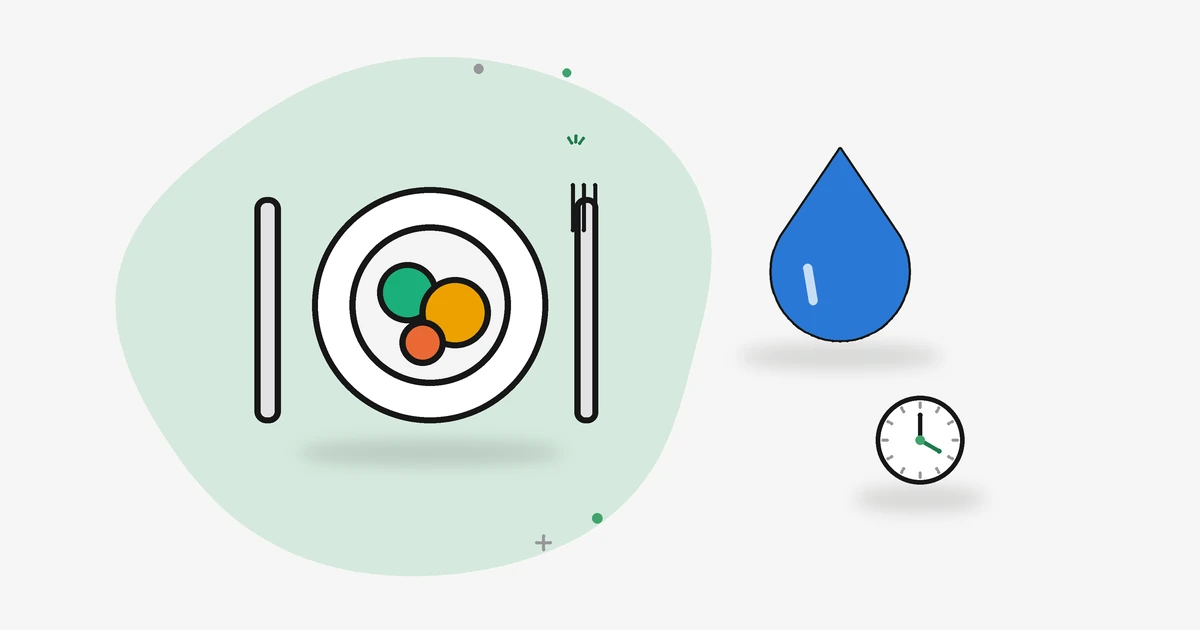
Track meals with names and on-plan taps, not daily calorie totals. Research links consistent food logs to better outcomes; adherence matters more than perfect math.
You can track meals without counting calories by logging what you ate, whether it matched your own plan, and optionally rough protein in grams—not a daily kilocalorie total from a database. Behavioural weight-loss research links consistent food logs to better outcomes; it does not require perfect calorie math. This guide shows a two-week method that fits vegetarians, vegans, eggetarians and non-vegetarians who train.
TL;DR
| Step | What you do | Why it works |
|---|---|---|
| Define one plan | e.g. home-cooked weekdays; protein at lunch | You judge on plan, not a red calorie ring |
| Log in one line | "Lunch: chole, rice, salad — on plan — ~30 g protein" | Faster than barcode apps; you keep logging |
| Skip exercise calories | Log workouts for fitness; do not "eat back" burn | Trackers overestimate burn; appetite misleads after hard sessions |
| Review weekly | Fourteen rows: plan %, protein anchors, veg yes/no | Patterns beat single-day guilt |
| Add numbers only if helpful | TDEE or protein target once; not every meal | See calorie deficit meaning if you want a deficit without obsessive counts |
How do I track food without counting calories?
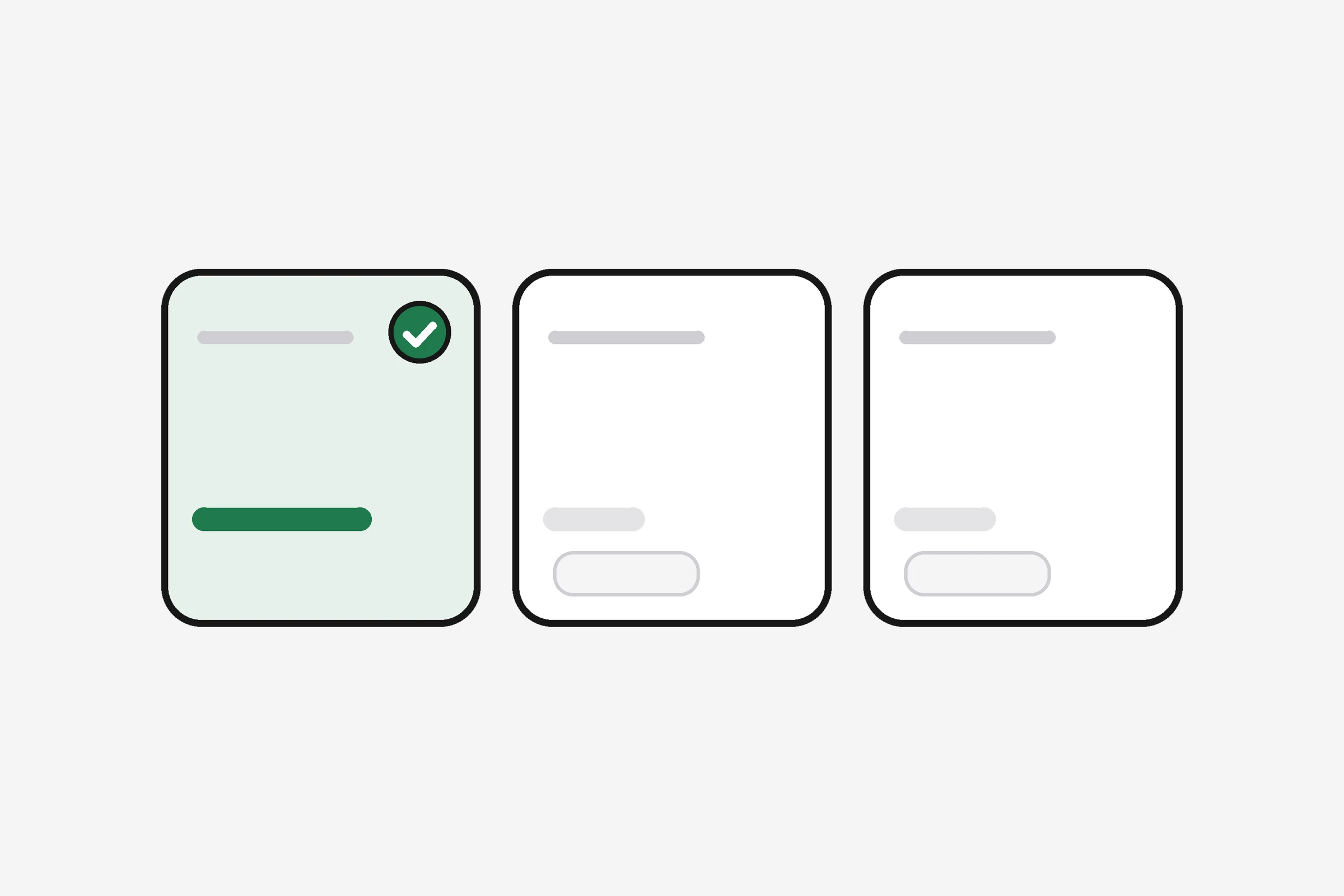
Use structure instead of arithmetic. Each eating occasion gets the same four fields:
- When (breakfast, lunch, dinner, snack — the clock is enough).
- What (plain words: "rajma chawal, cucumber", "paneer wrap, coffee").
- On plan or off plan (against the rule you chose below).
- Protein optional (~25 g, ~40 g — a guess is fine).
You do not open a database. You do not fix serving sizes to the gram. You do not add exercise calories to a meal budget.
On meal tracking in revns, that is the default: a few words, then On plan or Off plan, with optional protein. The day's fuel metrics update without a calorie target. You can also log by sentence through the MCP server if you use Claude or ChatGPT (log_meal / quick log).
On paper, draw a table with dates down the side and meals across the top. One check mark per on-plan meal is enough for week one.
What rule should "on plan" follow?
Pick one rule you can explain in a sentence. Examples:
- Home-cooked Monday to Thursday; eating out allowed Friday onward.
- Protein anchor at lunch and dinner (dal, eggs, paneer, tofu, fish, chicken — your diet).
- No liquid calories on workdays (skip sugary drinks and large milky coffees).
- Vegetables at lunch and dinner (cooked or raw).
- Alcohol: none, or only on one weekend day.
Write the rule at the top of the log. Off plan is not moral failure; it is data. Off-plan clusters (late meetings, travel, Sunday takeaways) show where to prep, not where to shame yourself.
If you need a number for training, set protein once with the protein calculator and log anchors, not every ingredient. Read how much protein per day for ranges (about 1.4–2.0 g/kg for many active adults).
What does research say about logging without calorie counts?
A 2011 systematic review in the Journal of the American Dietetic Association (Burke, Wang and Sevick) pooled 22 studies of self-monitoring in behavioural weight-loss programmes. Fifteen focused on dietary monitoring. Findings consistently associated more monitoring with greater weight loss. Tools ranged from paper diaries to abbreviated checklists and early digital aids. The review does not crown one format; it emphasises frequency and consistency.
A 2007 randomised trial (Helsel, Jakicic and Otto) in the Journal of the American Dietetic Association enrolled 42 overweight adults in a 16-week correspondence intervention. One group used a traditional detailed diary throughout; the other transitioned to an abbreviated diary (check marks for meal size, fat level and exercise duration) after eight weeks. The abbreviated approach returned more completed diaries; weight loss did not differ significantly between groups among completers.
Those studies are not permission to ignore energy balance forever. They show that a shorter monitor you actually use belongs beside precision apps. If you later want a deficit, you can layer a weekly weigh-in and portion cues without scanning barcodes every meal — see what a calorie deficit means and the TDEE calculator for one-time targets, not hourly obsession.
Should you count exercise when counting calories?
If you are not counting calories, do not start "eating back" gym or watch burn estimates. Consumer devices and cardio-machine displays often overstate expenditure. Hard training can raise appetite for a day or two; that is normal recovery signalling, not a ledger to zero out.
If you are still using calorie targets elsewhere, many clinicians suggest fixing intake from food logs and weekly weight trend first, then treating exercise as fitness and health (strength, bone, mood, sleep), not as a bonus meal. Logging workouts in revns or Apple Health (via the revns iPhone app for steps, sleep, resting heart rate, HRV, weight and recorded workouts) keeps training load next to meal patterns without merging them into one calorie pot.
How do I track nutrition without counting calories?
Add one or two nutrient habits you will mark, not full micronutrient tables:
| Habit | Mark | Training link |
|---|---|---|
| Vegetables at lunch/dinner | Yes / no | Fibre, fullness, gut comfort |
| Protein anchor | ~grams or yes | Recovery, lean mass |
| Ultra-processed snacks | Count or yes/no | Energy spikes, sleep |
| Water before lunch | Glasses | Hydration for afternoon sessions |
| Caffeine after 2 p.m. | Yes / no | Sleep and HRV |
For gut symptoms, pair meals with Bristol type or bloating notes in a gut health log — still no calorie column required.
What should I do in the first two weeks?
Week 1 — build the habit
- Write your on-plan rule on paper or in app settings.
- Log every main meal; snacks if they matter to your rule.
- No weekly review yet; goal is ≥10 logged meals.
Week 2 — read patterns
- Count on-plan percentage (do not aim for 100% unless your clinician set it).
- Circle repeated off-plan triggers (travel, late work, social meals).
- Note whether protein anchors landed on training days.
- Compare with sleep and mood if you use the weekly check-in numbers.
Change one variable in week three: meal prep Sunday, default lunch from home, or an earlier dinner before evening training.
How is this different from MyFitnessPal or Cronometer?
MyFitnessPal and Cronometer excel when you want database precision and you log most days. Many people quit because search and serving-size fixes take longer than eating. Our comparison of alternatives walks app trade-offs.
This guide is the method underneath any app: words, plan, optional protein, weekly review. You can run it on paper, in a spreadsheet, or in revns.
Is just counting calories enough to lose weight?
Fat loss still follows energy balance over weeks, but a single daily calorie number from an app is often wrong and stressful. Labels can be off by double-digit percentages; restaurant portions vary; home cooking rarely matches a generic database row.
If your goal is fat loss without obsessive counts:
- Log on-plan meals and weight trend (same scale, same time, three mornings a week).
- Keep protein near your training target so lean mass stays while you eat a bit less.
- Use portion cues (palm-size protein, fist of vegetables, thumb of fats) instead of grams of oil every time.
- Treat scale noise as normal: menstruation, salt, travel and hard legs all shift water.
When the trend stalls for three to four weeks despite honest logging, a clinician or registered dietitian can help you decide whether to add structured energy targets. That is different from opening MyFitnessPal every bite by default.
What does a calorie-free log day look like?
Here is one eggetarian training day (names only, no kilocalories):
| Meal | Log line | Notes |
|---|---|---|
| Breakfast | Oats, banana, peanuts — on plan — ~15 g protein | Home; fruit before morning walk |
| Lunch | Rajma, brown rice, salad — on plan — ~28 g protein | Vegetables yes |
| Pre-gym snack | Yogurt, apple — on plan — ~12 g protein | 60–90 min before lifting |
| Dinner | Paneer tikka, roti ×2, sautéed greens — on plan — ~35 g protein | Home-cooked rule met |
| Evening | Herbal tea — on plan | No alcohol |
Off-plan might be "office pizza, two slices — off plan" without estimating 800 kcal. The weekly review asks: How many lunches were on plan? Did protein anchors land on lift days?
Vegan swaps: tofu scramble at breakfast, chana masala at lunch, tempeh stir-fry at dinner. Jain options skip root vegetables; use lauki, beans and nuts for protein anchors as in our Jain diet and training guide.
Non-vegetarian days follow the same columns: fish or chicken at lunch, eggs at breakfast, dal still fine at dinner for variety.
How do I track drinks and alcohol without calories?
Log drinks as meals. Water needs no row unless you track hydration glasses. For other drinks:
- Coffee and tea: note "with sugar" or "black" if that is your rule.
- Juice and smoothies: usually off plan if your rule is whole-food meals; still one line, no kcal.
- Alcohol: units per week, not per drink math. Example: "Two pints — off plan (Saturday rule)".
Sweet drinks stack fast even when you skip food databases. Pair alcohol notes with sleep and next-morning HRV or resting heart rate if you wear a watch — poor sleep after drinking is a training signal, not a punishment score.
Who should avoid or pause tracking?
Meal logs help some people and harm others. Stop or get professional support if:
- logging triggers restriction, purging, binge cycles or constant scale checking;
- you have a history of an eating disorder (ask a clinician before tracking);
- you are a teenager or parent — use family-based guidance, not competitive deficit games;
- you notice unexplained weight loss, blood in stool, fainting, or chest pain.
Crisis: if you are in the United States and in mental-health crisis, call or text 988. In the UK, call 111 or contact Samaritans at 116 123. Elsewhere, use your local emergency number or crisis line.
This is general training and nutrition information, not medical advice.
Related
- MyFitnessPal and Cronometer alternatives: track meals without counting calories
- How much protein do you need a day?
- What is a calorie deficit? Meaning, a safe size and training
- Five numbers worth a weekly health check-in
This is general training guidance, not medical advice.
Sources
- Burke LE, Wang J, Sevick MA. Self-monitoring in weight loss: a systematic review of the literature. Journal of the American Dietetic Association 2011;111(1):92–102
- Helsel DL, Jakicic JM, Otto AD. Comparison of techniques for self-monitoring eating and exercise behaviors on weight loss in a correspondence-based intervention. J Am Diet Assoc 2007;107(10):1807–1810
- World Health Organization. Physical activity and adults (fact sheet)
Terms in this post
revns publishes training and nutrition guidance, not medical advice. See a clinician for symptoms, injury or a medical condition. Accurate as of November 15, 2026.