Does exercise lower cholesterol? What the evidence shows and what to do
Does exercise lower cholesterol? A 2025 meta-analysis of 148 trials found modest gains in LDL, HDL and triglycerides. What works, how much, and when to see a GP.
revns editorial · Published November 20, 2026 · 8 min read

A 2025 meta-analysis of 148 trials (8,673 people) found exercise improves cholesterol and triglycerides by a modest 3.5 to 11.7%. Combined cardio and strength training looked best.
Yes, exercise lowers cholesterol, but only by a small amount. A 2025 meta-analysis in Sports Medicine pooled 148 randomised trials with 8,673 people and found that total cholesterol, LDL, HDL, triglycerides and VLDL all improved by a modest 3.5 to 11.7% after exercise training. Combined training, which means cardio plus strength work, looked like the best option. Exercise helps, but it works best next to food changes, not smoking and moderate alcohol. High cholesterol has no symptoms, so a blood test is the only way to know where you stand.
TL;DR
| Question | Short answer |
|---|---|
| Does exercise lower cholesterol? | Yes, modestly: 3.5 to 11.7% improvements across lipid markers in a 2025 meta-analysis |
| Which exercise is best? | Combined aerobic and resistance training |
| How much? | NHS: at least 150 minutes moderate or 75 minutes vigorous a week |
| Will exercise fix high LDL alone? | Not reliably. Food, smoking and alcohol matter too |
| How do I know my numbers? | A blood test from your GP or pharmacy |
What are LDL, HDL and triglycerides?
Cholesterol is a fatty substance carried in your blood. You need some of it. Too much can build up in artery walls, and the NHS says that makes heart problems and stroke more likely.
Your blood test usually splits cholesterol into parts. See the dictionary entry on LDL and HDL cholesterol for the short version:
- LDL is the type doctors want lower.
- HDL is the type that carries cholesterol back to the liver. In the meta-analysis below, exercise raised it slightly.
- Triglycerides are a separate blood fat. Exercise and diet both affect them.
- Total cholesterol is the overall figure.
The NHS says you are more likely to have high cholesterol if you are over 50, a man, have been through the menopause, or are of South Asian or sub-Saharan African origin. It can also run in families. Eating fatty food, not exercising enough, being overweight, smoking and drinking alcohol can all raise it.
What did the 2025 meta-analysis find?
The best current evidence comes from Smart and colleagues, published in Sports Medicine in January 2025. The team searched for randomised controlled trials of exercise training and pooled them.
- Size: 148 trials, 227 intervention groups and 8,673 participants.
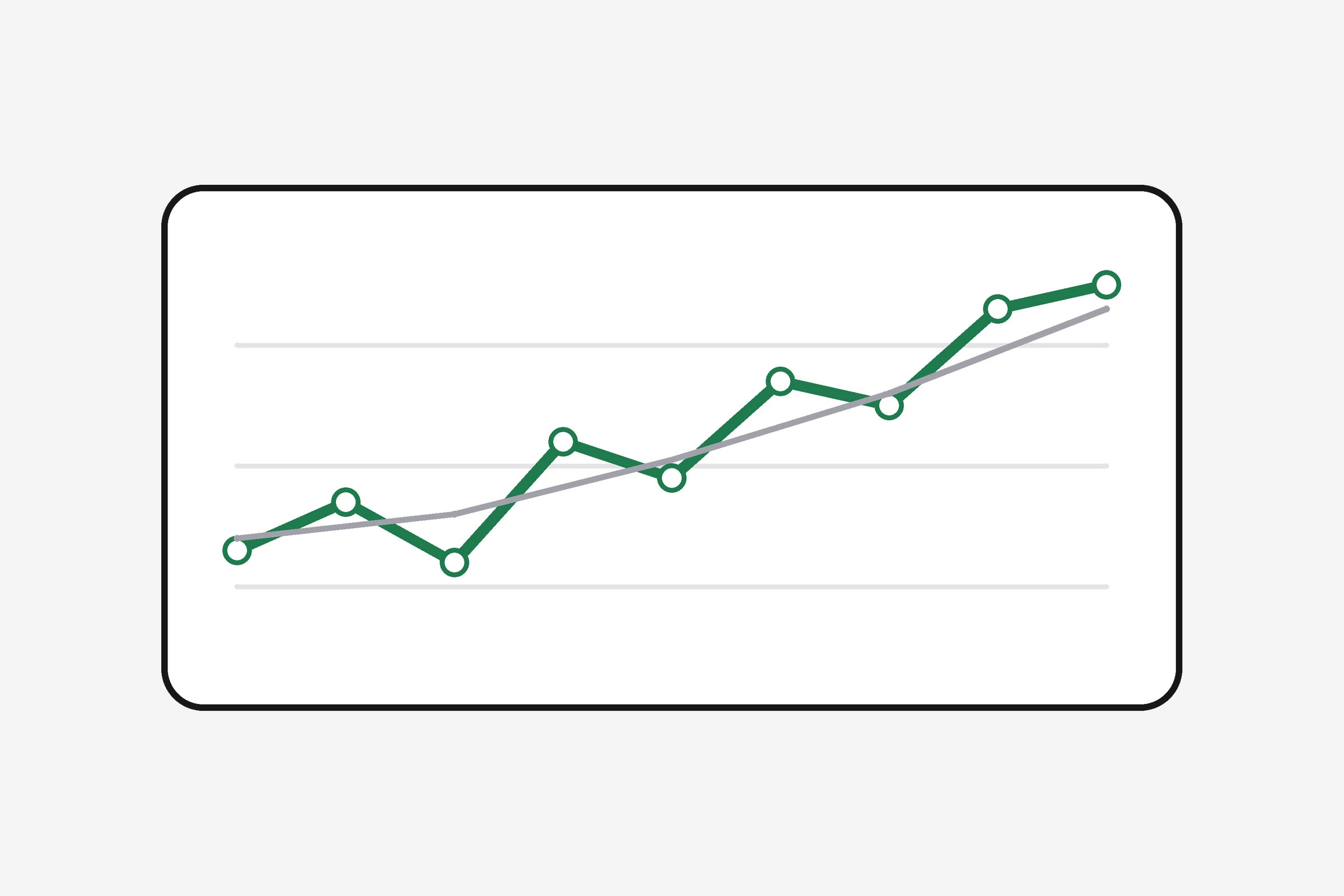
- Result: total cholesterol, HDL, LDL, triglycerides and VLDL all improved by a modest 3.5 to 11.7%.
- Strength of evidence: a trial sequential analysis suggested enough data now exist that more trials are unlikely to change the main conclusion that exercise improves these markers.
- Best option: combined aerobic and resistance training.
- Dose: in a meta-regression, each extra weekly aerobic session was linked to a further reduction in total cholesterol.
Read this result with care. "Modest" is the authors' word. The prediction intervals in the paper suggest that total cholesterol, HDL, LDL and triglycerides improved in only about one quarter of individual studies. That means your own result may be bigger, smaller or absent. A meta-analysis shows the average across many people. It does not promise what happens to you.
It also cannot tell you how exercise works alone from how it works with diet changes. Many trials include people who changed other habits. Treat the numbers as "what exercise programmes are linked to", not as a prescription.
Which type of exercise helps cholesterol most?
The same review found that combining aerobic and resistance training was the best choice for managing blood lipids. That fits general health advice, because both types of training also help blood pressure, blood sugar and body weight.
| Type | Examples | What to aim for |
|---|---|---|
| Aerobic | Brisk walking, cycling, swimming, jogging, rowing | Most days of the week, steady effort |
| Resistance | Squats, rows, presses, push-ups, bands, machines | 2 or more days, all major muscle groups |
| Combined | A cardio day plus a strength day, or both in one session | Both, across the week |
If you have to pick one, pick the one you will actually keep doing. The NHS says you are more likely to keep going if you enjoy it, so try a few kinds.
Heart-rate zones can help you pitch the effort. The heart rate zone calculator gives ranges for easy, moderate and hard work, and zone 2 training explained covers the steady, conversational effort that suits most of the weekly cardio.
How much exercise do you need?
Two official sources give a clear target.
- NHS, for lowering cholesterol: at least 150 minutes (2.5 hours) of moderate-intensity exercise or 75 minutes of vigorous-intensity activity a week. It suggests walking fast enough that your heart beats faster, swimming or cycling to start with.
- WHO 2020 guidelines for adults: 150 to 300 minutes of moderate activity a week, or 75 to 150 minutes of vigorous activity, plus muscle-strengthening on 2 or more days.
Our guide to how much exercise you need per week covers the targets by age. Beginners can start with 10 to 15 minutes a day and add 5 minutes a week. The meta-analysis finding that more weekly aerobic sessions linked to lower total cholesterol supports spreading exercise across the week, not packing it into one day.
Does the timing or length of the session matter?
The sources above do not say that a certain time of day or session length is best for cholesterol. Do not trust a claim that a specific time or a specific "fat-burning zone" changes your lipids. The pattern in the evidence is simple: regular exercise over weeks and months, with more sessions linked to more benefit.
For walkers, short walks count. A ten-minute walk after a meal has its own evidence for blood sugar, which we cover in walking after eating. That is a different measure from cholesterol, but it is the same habit.
How long until cholesterol changes?
The sources we used do not give one fixed time. Blood lipids change slowly, and a test taken a few days after starting a programme will not show much. Clinicians often repeat a test after a few months of steady change, and your GP or nurse will tell you when to retest. Use the time to build the habit, and use the test to check, not to judge each week.
What else lowers cholesterol besides exercise?
Exercise is one lever. The NHS lists three more, and names weight as a cause.
- Eat less saturated fat. Eat more oily fish, olive or rapeseed oil, nuts, seeds, fruit, vegetables and wholegrains. Eat less fatty meat, pies, sausages, butter, ghee, cream, cheese, cakes and food made with coconut or palm oil.
- Stop smoking. The NHS says smoking can raise cholesterol and raise the chance of heart attack, stroke and cancer.
- Cut down alcohol. Stay at or below 14 units a week, spread over 3 or more days, with several drink-free days.
- Weight. The NHS lists being overweight among the causes of high cholesterol, so changes in food and activity that move weight may help too. Talk to your GP before aiming for any weight target.
Food ideas for any diet. Vegetarian and vegan: lentils, chickpeas, beans, tofu, oats, nuts and seeds. Eggetarian: add eggs in the amount your clinician is happy with. Jain: legumes, whole grains, nuts and seeds, with the usual Jain restrictions. Non-vegetarian: oily fish such as mackerel or salmon, and leaner cuts of meat. Our guide to fibre per day without bloating shows how to add oats and pulses gradually.
The NHS also says some people need medicine to lower cholesterol. That is a decision for you and your clinician, not a training topic, so we do not cover it here.
How do you track cholesterol and training together?
Cholesterol comes from blood tests, which are rare, so the useful habit is to log what you can control. That means weekly exercise minutes, strength sessions and a few food habits. Then you note each blood test date and result next to those weeks. You will see whether your numbers moved when your routine did.
The revns app lets you log training and meals and see them in one weekly view, and the AI fitness coach can read your own logged data when you ask. It does not diagnose or treat anything, and it does not replace your clinician or your blood test.
What should you do this week?
If you are new to exercise:
- Book a cholesterol test if you are over 40, overweight, or heart problems run in your family. A pharmacy can also test, but it may cost money.
- Walk briskly for 15 to 20 minutes on 4 days.
- Add two short strength sessions of 20 minutes: squats, rows, push-ups or a band.
- Swap one fatty meal a day for a plant or oily-fish option.
If you already train:
- Check you reach 150 minutes of moderate activity or 75 of vigorous, and that you do strength work on 2 or more days.
- Add one more aerobic session a week, since more sessions were linked to lower total cholesterol.
- Look at the non-exercise levers: alcohol, saturated fat and smoking.
- Write down your next test date and your last result.
Read more on the other heart numbers in heart health for men: the numbers to track and on how training affects readings in blood pressure and exercise: the basics.
When should you see a professional?
- You have never had a test and you are over 40, overweight, or have a family history of high cholesterol or heart problems. The NHS says to ask your GP surgery.
- Heart problems or very high cholesterol run in your family at a young age. HEART UK, which the NHS points to, has information on inherited high cholesterol (familial hypercholesterolaemia).
- You have heart disease, diabetes or high blood pressure and want to start vigorous exercise.
- Call your local emergency number straight away for chest pain or pressure, pain spreading to the arm or jaw, fainting, or sudden severe breathlessness during or after exercise.
Could your genes change how diet moves your LDL?
Possibly. A November 2026 study of 20,940 postmenopausal women in the Women's Health Initiative found that a polygenic score for LDL changed the link between saturated fat and LDL cholesterol. The link was strongest in the top genetic quartile. The study was observational and did not test exercise. Its authors say polygenic scores are not yet ready to guide diet advice. Read the full summary in your genes and saturated fat. The practical point here: if your LDL stays high despite training and food changes, ask a clinician about other causes and options.
Related
- Your genes and saturated fat: what a 2026 WHI study found about cholesterol
- Heart health for men: the numbers to track
- How much exercise per week: WHO guidelines by age
- Blood pressure and exercise: the basics
- How much fibre per day without bloating
This is general training guidance, not medical advice. It does not diagnose or treat any condition. Talk to a GP or nurse about your own cholesterol results.
Sources
- Barad A et al. Association Between Saturated Fat Intake and LDL Cholesterol Across the Genetic Spectrum. JACC: Advances, 18 November 2026
- Smart NA et al. The Effect of Exercise Training on Blood Lipids: A Systematic Review and Meta-analysis. Sports Medicine 2025;55(1):67-78
- NHS. High cholesterol: how to lower your cholesterol (reviewed 13 March 2026)
- NHS. High cholesterol: overview (reviewed 13 March 2026)
- NHS. High cholesterol: getting tested (reviewed 13 March 2026)
- WHO. Guidelines on physical activity and sedentary behaviour, 2020
Terms in this post
revns publishes training and nutrition guidance, not medical advice. See a clinician for symptoms, injury or a medical condition. Accurate as of November 20, 2026.