Exercise when sick: when to rest and when light movement helps
Exercise when sick: skip hard sessions with fever or chest symptoms. Light movement may be OK for mild above-the-neck colds. Neck check, red flags, return rules.
revns editorial · Published November 24, 2026 · 8 min read
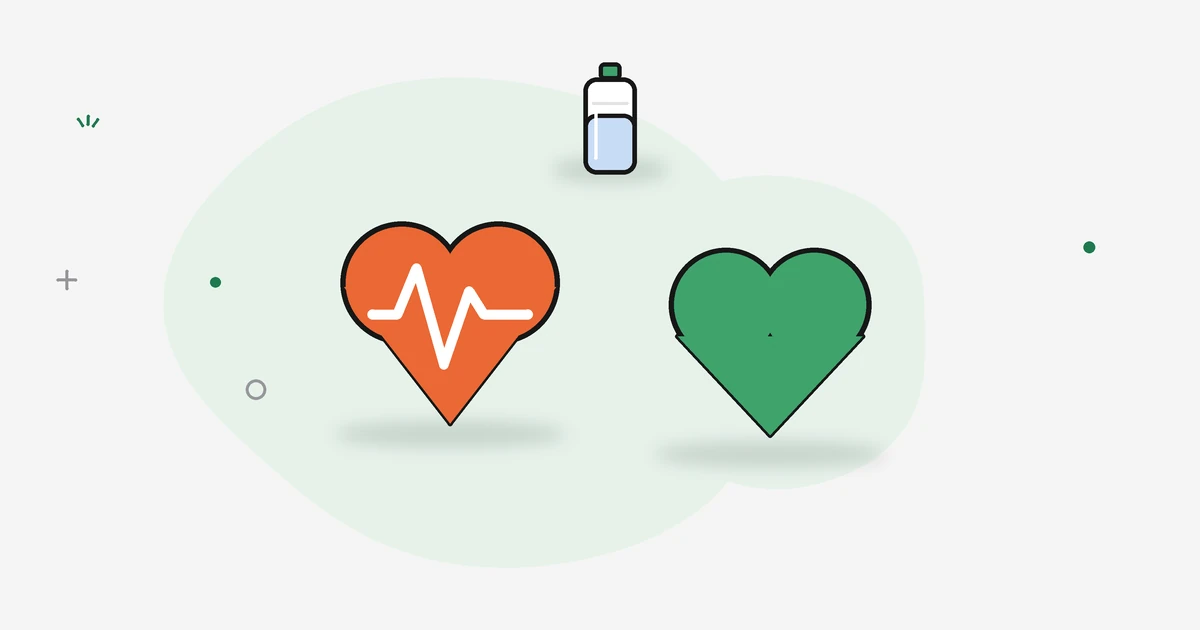
Below-the-neck or systemic symptoms: rest. Mild above-neck cold without fever: optional light movement; stop if worse. Return gradually after illness.
Exercise when sick is usually a bad idea if you have fever, chest symptoms, body aches, vomiting or diarrhoea — rest until those ease, then return gradually. A mild head cold without fever may allow light movement such as an easy walk if you use a cautious neck check and stop when symptoms worsen. Hard gym sessions, intervals and contact sport should wait.
TL;DR
| Your symptoms | What to do |
|---|---|
| Fever, chills, body aches | Rest. No deliberate training |
| Productive cough, chest tightness, wheeze | Rest. See clinician if breathless |
| Vomiting or diarrhoea | Rest. Fluids and food first |
| Stuffy or runny nose only, no fever, feel OK | Optional light walk or mobility; stop if worse |
| Already trained and now feel crashed | Stop. Shorten the next week |
| Return | No fever 24 h, energy normal, one easy session first |
Is exercise when sick good or bad?
For most common illnesses that knock you back, rest is the safer default. Training while febrile forces the heart to work harder when the body is already fighting infection. NHS cardiac rehabilitation materials used across UK trusts say do not start exercise if you feel unwell, including cold or flu, and return slowly after a break.
Sports medicine adds nuance for mild upper-respiratory symptoms in otherwise healthy athletes. Hosey and Rodenberg's training-room review in Clinics in Sports Medicine (2005) describes the widely cited neck check: if symptoms stay above the neck (stuffy nose, sneezing, mild sore throat) and there is no fever, some people try 10 minutes of light exercise. If they feel the same or better, they may continue at below-normal intensity. If symptoms worsen, they stop.
That rule is practical, not proven for every virus. A 2022 IOC-linked systematic review in the British Journal of Sports Medicine (Kaulback et al.) reports no scientific evidence for the neck check as a return-to-sport rule. FIFA/IOC return-to-play guidance (Börjesson et al.) treats an athlete with sore throat as the only symptom as a grey zone — many clinicians advise no training that day, then reassess. Treat the neck check as a triage tool, not permission to grind through flu.
Should you exercise when sick with a cold?
If you have a routine cold with fever, aching muscles or a hacking cough, skip planned training. If you only have nasal congestion and feel otherwise normal, you may keep optional light movement — but you do not need to exercise to get well.
A classic experiment by Weidner et al. in Medicine & Science in Sports & Exercise (1997, PMID 9140895) infected 45 healthy adults aged 18–29 with rhinovirus (one common-cold virus). At peak symptoms, maximal treadmill time and VO₂ max did not fall compared with baseline. That supports the idea that some young, fit people can complete a lab test with a head cold. It does not show that:
- all cold viruses behave the same (rhinovirus is roughly 40% of colds),
- team sport or heavy lifting is safe,
- older adults or people with asthma or heart disease face the same risk,
- pushing through improves recovery.
For hobby trainers, the lesson is narrower: a mild cold might not wreck an easy walk, but missing one session rarely harms fitness and stacking hard days while ill often does.
What is the neck check?
The neck check splits symptoms into above-the-neck vs systemic or below-the-neck:
| Above the neck (sometimes trial light exercise) | Rest — no planned training |
|---|---|
| Runny or stuffy nose | Fever or chills |
| Sneezing | Muscle aches |
| Mild sore throat without fever | Productive or painful cough |
| Chest pain, tightness, wheeze | |
| Vomiting, diarrhoea | |
| Dizziness, unusual breathlessness |
How to use it this week:
- No fever and symptoms only in the first column → optional 10-minute easy walk or mobility.
- Feel worse during the trial → stop for the day.
- Any second-column sign → rest, fluids, sleep.
- Sore throat on the day it starts → treat as rest; reassess tomorrow.

Does working out while sick help recovery?
Usually no. Sleep, fluids and time off hard load do the heavy work. Exercise does not cure a virus. Very light movement might feel better for stiff legs after a day in bed; that is comfort, not a treatment.
Observational work links very hard training during or right before illness with longer or more severe symptoms in some athletes, though studies conflict. The safer story for non-elites: one skipped workout does not erase months of progress, but training through fever can delay return to full quality for weeks.
If you are worried about losing fitness, see rest days: how many you need. Fitness changes on a weeks scale. Illness is when you protect the next month of training, not today's log streak.
When can you exercise after being sick?
Use a simple return ladder:
- No fever for 24 hours without fever-reducing medicine (general sports-medicine practice; ask your clinician if you are unsure).
- Energy back for normal daily tasks — not just "I could force a gym visit."
- Breathing comfortable on stairs without unusual wheeze.
- First session back: easy only — half your usual duration, no intervals, no one-rep max attempts.
- Second hard day only after one good easy day and stable sleep.
After flu-like illness or COVID, follow official return guidance for your country and your clinician. This article does not replace those pathways.
What should you do instead of training?
- Sleep toward the seven-hour adult target.
- Hydrate — water, broth, oral rehydration if diarrhoea.
- Food if appetite allows: easy vegetarian soups, dal, eggs if you eat them, toast, fruit.
- Log symptoms next to training in sleep and recovery tracking so you see when return coincides with better nights.
- Tell training partners you are off — teams still count rest as showing up honestly.
Should you go to the gym when you are sick?
Stay home when you might spread infection or when symptoms are systemic. Gyms are close-contact, shared-air spaces. Sweating on equipment while febrile is miserable for you and unfair to others. Most clubs ask members to skip sessions with fever, vomiting or obvious respiratory infection — follow house rules even when your ego wants a "light" session.
If you train at home, the same medical logic applies: fever means stop. For a mild head cold, home yoga or stretching is lower risk than a crowded class, but it is still optional. Wear a mask in shared indoor spaces if local guidance recommends it during respiratory illness spikes. None of this replaces public-health advice in your region.
Can you do cardio when sick?
Easy walking indoors may be fine during a mild cold without fever if the neck check passes and you stop if coughing spikes. Running intervals, spin class or Hyrox-style conditioning should wait. Fever redirects blood toward core organs; adding heat and dehydration from hard cardio raises dizziness risk.
Swimming with congestion can feel unpleasant and may spread bugs in poorly ventilated pools. If you must move, 10–15 minutes on flat ground at a pace where you can speak in full sentences is the upper bound most clinicians tolerate for above-neck symptoms. Anything that leaves you gasping belongs after recovery, not during it.
What myths should you ignore?
"Sweating out a cold" — heat does not kill rhinovirus in your sinuses; it can dehydrate you. "Missing one week loses all your gains" — detraining takes weeks; illness weeks are when you protect the next training block. "If I can lift, I am fine" — adrenaline masks illness until the session ends and you crash. "Vitamin megadoses let me train" — supplements are not a permission slip; see a clinician for persistent symptoms.
"Above the neck always means full send" — the neck check is a caution flag, not green light for PB attempts. Start at half pace and end early. If you compete, coach and doctor return-to-play rules trump blog guidance.
What about napping after you felt sick?
If illness leaves you drained, a short afternoon nap can help alertness without replacing night sleep. Keep it 20–30 minutes and before mid-afternoon so night sleep stays intact. See naps: length, timing and training. Napping after a workout is a different question; after illness, nap for rest, not to "catch up" on missed lifts.
What are red flags that need urgent care?
Stop exercise and seek urgent care for:
- Chest pain, pressure, or pain spreading to jaw or arm
- Severe breathlessness at rest or when speaking
- Fainting or near-fainting
- Confusion, stiff neck with fever, or rash with fever
- Blood in vomit or stool
- Unable to keep fluids down for 24 hours
In the US, call 911 for emergencies; 988 for mental health crisis. In the UK, 999 for emergencies; Samaritans 116 123 for emotional distress. This is general safety information, not a diagnosis.
What should you do this week?
Day 1–3 of illness: cancel hard sessions; optional gentle walk only if neck check allows; log sleep and symptoms.
First day back: zone 2 walk or easy cycle 20–30 minutes, mobility, no heavy legs.
Day 3 after return: resume normal plan if energy and sleep are stable; if resting heart rate is still elevated vs your baseline, keep one more easy day. Compare morning pulse with resting heart rate guidance.
If you keep getting sick every few weeks: review load with overtraining symptoms, sleep debt, and stress — not more "push through."
Related
- Rest days: how many you need and what to do on them
- Overtraining symptoms: what to watch and when to rest
- How to warm up before a workout
- Recovery in training: what it means and how to tell you have recovered
- Naps: how long, when, and do they help training?
- Sleep calculator
- AI fitness coach
This is general training guidance, not medical advice.
Sources
- Weidner TG, Anderson BN, Kaminsky LA, Dick EC, Schurr T. Effect of a rhinovirus-caused upper respiratory illness on pulmonary function and exercise responses. Medicine & Science in Sports & Exercise, 1997
- Weidner TG, Sevier TL. Sport, exercise, and the common cold. Journal of Athletic Training, 1996
- Hosey RG, Rodenberg RE. Training Room Management of Medical Conditions: Infectious Diseases. Clinics in Sports Medicine, 2005
- Kaulback K, et al. Acute respiratory illness and return to sport: a systematic review and meta-analysis by a subgroup of the IOC consensus. British Journal of Sports Medicine, 2022
- Börjesson M, et al. Return to Play After Infectious Disease. In: Musahl V, ed. Return to Play in Football. Springer, 2018 (PMC7123245)
- Wright County Community Hospital NHS Trust. Cardiac Rehabilitation and the benefits of exercise patient leaflet, January 2020
Terms in this post
revns publishes training and nutrition guidance, not medical advice. See a clinician for symptoms, injury or a medical condition. Accurate as of November 24, 2026.