Edith trial: NHS AI breast cancer screening explained — who is invited and what changes
On 23 Nov 2026 the NHS began the EDITH trial: AI-assisted mammogram reading for up to 700,000 women. How it works, opt-out, and what it means if you train.
revns editorial · Published November 23, 2026 · 8 min read
NHS England 23 Nov 2026: EDITH NIHR trial at ~30 UK sites, ~660k–700k women over ~3 years. AI assists human readers; opt-out available; appointment unchanged.
The EDITH trial is the UK's largest test of artificial intelligence in routine NHS breast cancer screening. On 23 November 2026, NHS England said the first women had joined recruitment at Cambridge University Hospitals, with up to roughly 700,000 women at about 30 sites over the next three years. Your appointment does not change: you still have a mammogram on the usual schedule. AI is used only inside the trial to help specialists read images, and you can opt out. If you train hard, the practical message is unchanged — book screening when invited, do not swap it for a race taper, and see a GP for new breast symptoms between rounds.
TL;DR
| Topic | What officials report (23 Nov 2026) | What to do |
|---|---|---|
| Trial name | EDITH — AI-assisted mammogram reading research | Read the leaflet link in your invitation if your site is live |
| Scale | ~660,000–700,000 women; ~30 UK sites; ~3 years | Not every area starts at once |
| Funding | £10 million, NIHR (per NHS England and BBC) | Results will decide policy, not today's visit |
| Age invited | 50–71 for routine screening (every 3 years) | Same as standard NHS breast screening |
| Human review | At least one NHS expert reads every image (Warwick PIS) | AI assists; it does not sign results alone |
| Opt out | Phone, email, at booking, or at appointment | Standard two-human read without trial data |
| Training angle | No change to exercise rules | Keep screening on the calendar; symptoms trump training blocks |
What is the EDITH trial?
EDITH stands for Early Detection using Information Technology in Health. It is a randomised research trial within the NHS Breast Screening Programme, not a consumer app or a new home test.
NHS England's 23 November 2026 announcement states that:
- Recruitment has started at Cambridge University Hospitals, the first of about 30 sites.
- Nearly 700,000 women attending routine NHS breast screening over three years may take part.
- Four AI systems were rigorously tested for accuracy before use, according to co-chief investigator Professor Sian Taylor-Phillips (University of Warwick), quoted by NHS England.
- All clinical decisions remain with NHS staff.
The Warwick EDITH participant information sheet (version 8.0, 3 November 2026) explains that women at participating centres are randomly allocated to one of three groups:
| Group | What happens |
|---|---|
| Standard screening | Two NHS experts read the mammogram for signs of cancer (current double-reading model in the trial design). |
| AI-assisted (path A) | A specialist reads first; AI then checks for cancers that might have been missed. |
| AI-assisted (path B) | AI estimates high or low likelihood of cancer before the expert read. If likelihood is low, one expert checks the images; if high, two experts check before recall decisions. |
The sheet is clear: every image is looked at by at least one human expert. The trial asks whether AI-assisted reading is as good or better than humans alone, without unnecessary recalls — a harm researchers emphasise in BBC reporting.
BBC medical editor Fergus Walsh, in a piece published 23 November 2026, notes that several smaller studies already suggested AI can raise detection, but leaders want proof it will not over-diagnose mild disease that would never cause symptoms — a quote Taylor-Phillips also gave the BBC.
Who is invited and how often is NHS breast screening?
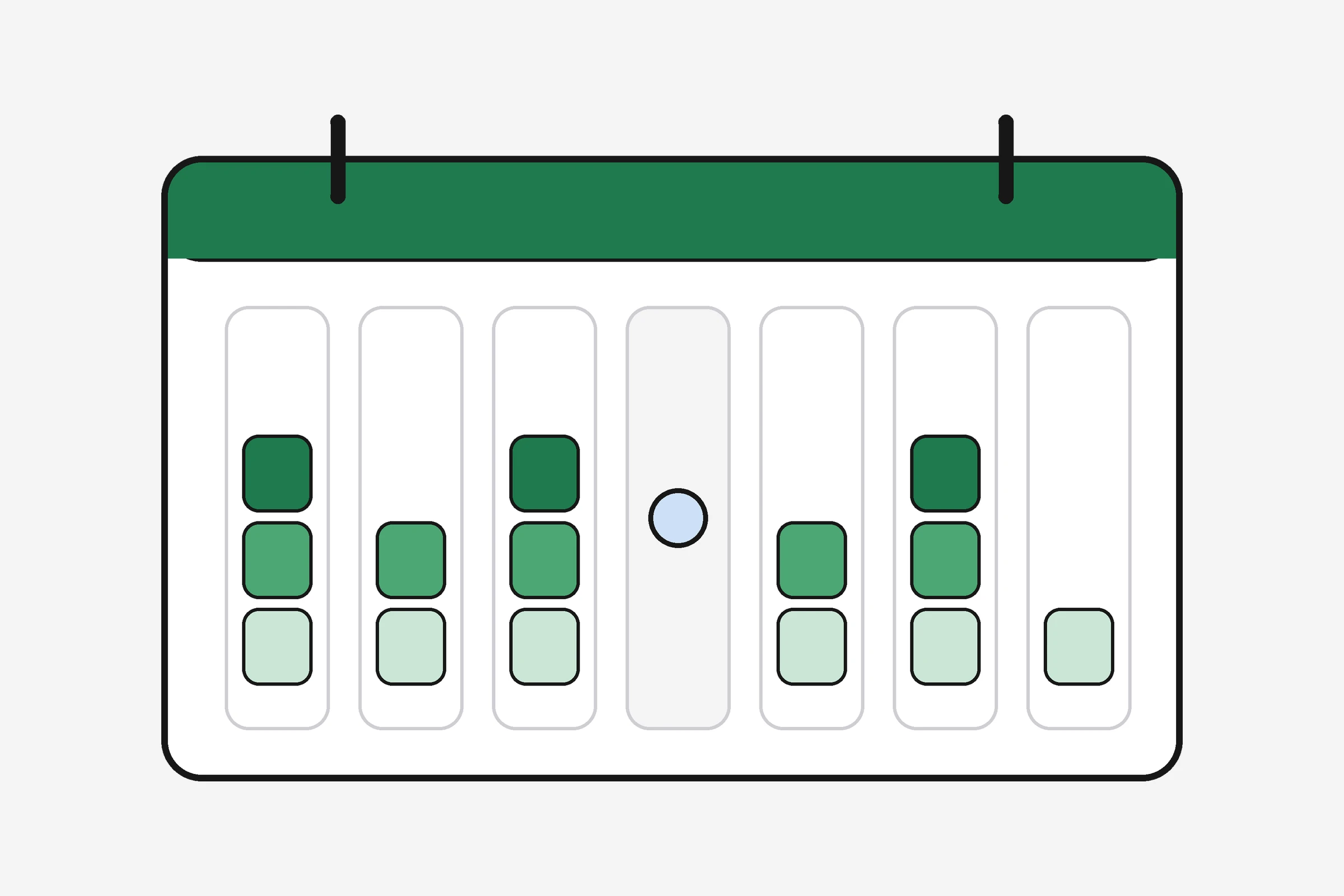
Routine NHS breast screening in England targets women aged 50 to 71, invited every three years. NHS England and BBC figures cite:
- About 2.1 million screenings per year in the programme.
- Around 59,000 breast cancer cases diagnosed annually in the UK (BBC).
- Roughly one third of cases found through routine mammography, often at an early stage.
- An estimated 1,300 deaths prevented per year by screening (NHS England/BBC).
Those numbers describe population impact, not your personal odds. They explain why missing an invite matters even if you feel fit from training.
If you are outside 50–71, trans, or have had risk-reducing surgery, rules differ. People with BRCA or other high-risk results may enter enhanced surveillance — see BRCA2 variants and breast cancer risk for why one gene result is not one risk number, and follow your genetics clinic, not this article.
What happens at your appointment during EDITH?
The mammogram itself does not change, per the Warwick sheet and BBC:
- You attend breast screening as you would today.
- Staff take mammogram images (breast X-rays).
- Readers (specialist clinicians) assess images, with or without AI assistance depending on your randomised group.
- If recall is needed, you get the same follow-up pathway as outside the trial.
NHS England stresses that AI tools may help find cancers too small to see or feel, while freeing specialist time for people who already have a cancer diagnosis — a workforce argument Professor Fiona Gilbert (University of Cambridge; co-chief investigator) made to the BBC, citing a radiologist shortfall and ~8% yearly growth in imaging volume.
Professor Peter Johnson, NHS England's national clinical director for cancer, urged women invited to take part, while confirming every scan will still be seen by a specialist if the approach proves effective.
How to opt out of EDITH
The Warwick participant sheet lists practical opt-out routes:
- Call or email the breast screening centre on your invitation.
- Say so when you book the appointment.
- Tell staff at the appointment.
- Opt out after the visit with limits on how your data enter trial analysis.
If you opt out before or during the appointment, images are read by two experts without AI and your data are not used in trial results.
Searchers ask "can you detect breast cancer by blood test?" — EDITH is not a blood test. It studies mammogram image reading. Blood-based research exists elsewhere, but this trial does not replace imaging.
Why is breast cancer screening important if you already exercise?
Physical activity lowers risk for several diseases, but it does not make mammograms optional. The WHO still recommends muscle-strengthening and aerobic activity for adults; many readers log steps and sessions in revns or through Apple Health on iPhone (read-only sync for steps, sleep, heart rate and workouts). None of that replaces population screening designed for asymptomatic women in the invite age band.
| Myth | Reality |
|---|---|
| "I'm lean and fit, so I can skip screening." | Cancers can occur without symptoms; BBC quotes a Cambridgeshire woman diagnosed after routine screening with no symptoms. |
| "Lifting builds chest muscle, so I don't need imaging." | Mammograms image breast tissue, not pec strength. |
| "I'll go after my marathon block." | A delayed invite can mean years between rounds; reschedule within the service, do not silently drop it. |
For bone health and impact loading, see bone health for women. Screening and lifting address different outcomes.
How does EDITH compare with cervical screening research?
revns also covered HPV viral-load trajectories and cervical precancer in a November 2026 paper — see HPV viral load and cervical precancer risk. That story was lab research on women who already had persistent HPV. EDITH is implementation science: can AI enter live NHS breast screening without harming women through extra false alarms?
The parallel for athletes: both programmes reward showing up.
- Cervical screening in the UK often starts at 25.
- Breast screening invites centre on 50–71 (England routine).
- Missing either because of a training camp is a bigger health risk than missing one interval session.
Use how to track your period for cycle symptoms, but screening schedules come from the NHS letter, not your watch.
What the trial will measure
The Warwick sheet lists endpoints researchers will compare across groups:
- Number, size and type of cancers found.
- Recall rates (extra tests after screening).
- Performance across different groups of women.
- Interval cancers (cancers appearing between screening rounds).
- NHS workload and staff views.
- How women feel about AI in screening.
BBC notes four AI companies are involved. NHS England says sites will open over coming months; Cambridge was simply first.
Results will take years. Today's announcement means invitations with trial information are starting at participating centres — not that national policy has already flipped to AI-only reading.
AI, wearables and what revns does not do
Fitness trackers estimate sleep, heart rate and HRV; they do not read mammograms. Guides such as what is a sleep score explain consumer recovery numbers, which are not validated for cancer detection.
revns offers training logs, sleep and step tracking via Apple Health on the iPhone app, and an AI fitness coach for workout planning — not radiology or oncology. You can use MCP clients to ask about your own training data, but no assistant in revns reviews medical images.
What to do this week
- If you have a breast screening letter, book the slot. Read any EDITH leaflet and decide whether to opt in or out — both are valid.
- If you are 50–71 and overdue, contact your local unit or GP per NHS breast screening guidance.
- Log training as usual, but treat the screening morning like a rest or easy day if anxiety or discomfort after compression limits upper-body work that day — that is comfort, not a medical rule.
- New symptoms (lump, discharge, skin change) → GP this week, regardless of the trial.
When to see a clinician
Book urgent or routine GP assessment for:
- A new breast lump or thickening.
- Nipple discharge (especially blood-stained) or inversion that is new.
- Skin changes on the breast (dimpling, rash, orange-peel texture).
- Persistent breast or armpit pain that is new for you.
- Swelling in the armpit or collarbone.
If you are recalled after mammography, attend diagnostic appointments before you chase a fitness goal. If you feel overwhelmed, speak with your GP; in the UK you can call NHS 111 for urgent advice on where to go next.
Mental health note: A screening recall can spike anxiety. That is common. It is not a diagnosis. Follow the clinical pathway; if worry interferes with sleep or training for two weeks or more, ask your GP about support options. If you are in crisis, contact your local crisis line or emergency services.
Related
- HPV viral load and cervical precancer risk — another screening-at-the-gym counter story
- BRCA2 variants and moderate breast cancer risk — when genetics changes surveillance
- Bone health for women: lifting, impact and protein
- How to track your period
This is general training guidance, not medical advice. Mammography and recall decisions belong with the NHS breast screening programme and your clinical team.
Sources
- NHS England. First women join world-leading AI-assisted NHS breast screening trial. 23 November 2026
- Walsh F. Can AI spot breast cancer earlier? NHS launches world's largest trial to find out. BBC News. 23 November 2026
- University of Warwick CTU. EDITH participant information sheet England v8.0. 3 November 2026
- NHS. Breast screening (mammogram)
- Cambridge University Hospitals. EDITH trial news release
Terms in this post
revns publishes training and nutrition guidance, not medical advice. See a clinician for symptoms, injury or a medical condition. Accurate as of November 23, 2026.